

I was halfway to Charlotte for a weekend trip when it happened—a sudden, rhythmic vibration that felt like I’d just driven over a serrated knife or a series of rumble strips on the shoulder. My hands tightened on the wheel, I checked my mirrors, and I slowly drifted left. But I wasn’t on the shoulder. I was dead center in my lane. My heart did a little somersault as I realized the vibration was coming from somewhere deep inside the dashboard. It’s that haunting, vibrating shudder that feels like your car is trying to tell you it’s about to give up the ghost, and trust me, I’ve been in that exact driver’s seat, praying it was just a patch of rough asphalt. [image_placeholder]
That Terrifying Vibration Is Usually Just Your Torque Converter Being Moody
When I first felt that rumble strip sensation in my old sedan, I did what most folks do: I panicked. I immediately pulled over, checked my tires for a blowout, and convinced myself I needed a four-wheel alignment. I eventually spent a whole Saturday morning at a shop and dropped cash on services I didn’t need because I’d made the classic amateur mistake of ignoring the transmission out of pure fear. I was terrified of a repair bill that would cost more than the car was worth. The truth is, that shudder is often the torque converter clutch slipping and grabbing, a phenomenon common in modern automatics where the friction material struggles to maintain its grip. It usually hits right as you’re cruising at moderate speeds, making it one of those vehicle diagnostics puzzles that can drive you crazy if you don’t know what to look for. Have you ever pulled over, expecting to see a flat tire, only to find your tires were perfectly inflated and looking brand new?
Does This Mean I Need a Whole New Transmission?
This is the big question that keeps every car owner up at night. We hear the word “transmission” and we start calculating how many months of ramen we’re going to have to eat to pay for it. But here is some neighborly advice: catching this early often means you can save your transmission with a simple fluid exchange rather than a full rebuild. According to the Automatic Transmission Rebuilders Association (ATRA), nearly 90% of all transmission failures are actually caused by overheating and fluid oxidation rather than parts actually snapping in half. In my early days, I didn’t realize that old fluid loses its ability to manage friction, leading to that exact shuddering sensation. Today, we are going to look at why the sensor that ruins your shifting might be tricking you, and how a few top auto repair tips can help you identify if you’re dealing with a simple maintenance fix or a real mechanical gremlin. Don’t let the rumble strip feeling scare you into a trade-in just yet; usually, your car is just thirsty for better fluid and a little professional attention.
Identify the Shudder Without a Lift
Before you start ordering parts or fearing the worst, you need to verify that the vibration is actually the torque converter. Think of your torque converter as a hydraulic bridge between the engine and the wheels; when the clutch inside it gets confused, it’s like a runner trying to find their footing on a sheet of ice. To test this, find a flat stretch of road where you can safely maintain about 45 to 55 mph—the sweet spot where the shudder usually happens. While the car is vibrating, lightly touch the brake pedal with your left foot while keeping your right foot steady on the gas. You aren’t trying to stop; you’re just activating the brake light switch. If the shudder disappears immediately, you’ve confirmed it: the computer just told the torque converter clutch to disengage. This is one of those easy checks before your road trip that can save you a week of stress. I remember doing this on a friend’s old truck that felt like it was falling apart; we tapped the brake, the shaking stopped, and the look of relief on his face was worth more than any shop diagnostic fee.
Refresh the Fluid to Restore the Grip
Transmission fluid isn’t just a lubricant; it’s a specialized hydraulic oil that carries heat and manages friction. Over time, the friction modifiers—the chemicals that help the clutch grab smoothly—break down. Imagine trying to fry an egg in a pan with no butter; it’s going to stick and jump. Fresh fluid brings back that ‘slippery’ grip. You should look into how to save your transmission with a simple fluid exchange rather than a high-pressure flush, which can sometimes dislodge debris and make things worse. While you are at it, consider that oil change innovations have paved the way for better synthetic transmission fluids that handle the heat of a Charlotte summer much better than the old conventional stuff. 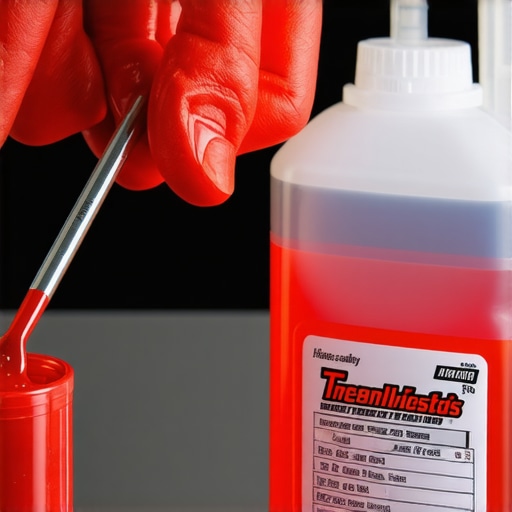
Look for the Ghost in the Machine
Sometimes the hardware is fine, but the brain is sending bad signals. A common culprit is the sensor that ruins your shifting by providing inaccurate data to the Transmission Control Module (TCM). If the computer thinks you are going slower or faster than you actually are, it might pulse the torque converter clutch at the wrong time. This is why decoding vehicle diagnostics is so critical; a simple mass airflow sensor cleaning can sometimes fix a transmission ‘shudder’ because it corrects the engine load calculations. I once chased a vibration for three days, replacing u-joints and tires, only to find a vacuum leak was making the engine stumble just enough to mimic a transmission slip. It was a five-dollar fix for what I thought was a two-thousand-dollar problem.
Rule Out the Mechanical Gremlins
If the brake pedal trick doesn’t stop the vibration, you aren’t looking at a transmission issue—you’re looking at a rotating mass problem. This is where brake service becomes relevant. A warped rotor or a sticking caliper can create a rhythmic thumping that feels eerily similar to a torque converter shudder. Check your wheel bearings and CV axles as well. Following top auto repair tips like rotating your tires every 5,000 miles can prevent uneven wear patterns that contribute to highway-speed vibrations. Always start with the cheapest and easiest variable first before you let a shop talk you into a new gearbox.
I’ve seen it a hundred times: a driver pulls the dipstick, sees bright red fluid, and assumes their transmission is in the clear. But here is the contrarian truth—a clean dipstick is often a liar. Heavy debris and friction material tend to settle at the bottom of the pan, meaning you might have the hidden sludge building up behind your clean dipstick while the top-level fluid looks pristine. If you only rely on that metal wand, you’re missing the forest for the trees. According to experts at the National Institute for Automotive Service Excellence (ASE), secondary indicators like fluid smell and viscosity changes are far more telling than color alone. One common trap I see is drivers assuming a shudder is always a part failure. They jump straight to a rebuild when they really just needed to address how the engine ‘talks’ to the transmission. For instance, if you decide to DIY a fix, you must know how to clean your mass air flow sensor without ruining it, because a contaminated sensor can send incorrect torque signals, causing the very shudder you’re trying to stop. 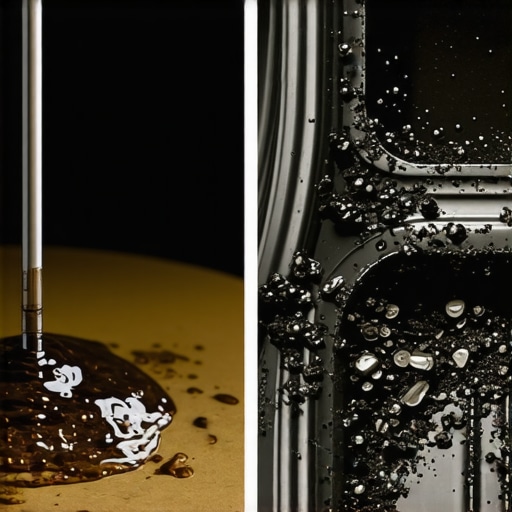
Stop Trusting Your Clean Dipstick
When you feel that vibration, your first instinct is to check the fluid level. While essential, it’s a surface-level diagnostic. If you’ve recently performed an oil change and noticed new sounds, you might wonder why your engine makes a tapping noise only after an oil change. Often, it’s because the new detergents are dislodging old deposits that the system wasn’t prepared to move. The same applies to your transmission. If you wait 100,000 miles to change your fluid, the new fluid might actually cause issues by cleaning away the ‘glues’ holding an old clutch together. This is why decoding vehicle diagnostics requires looking at the history of the car, not just the current state of the oil.
Can a Simple Sensor Really Mimic a Mechanical Failure?
Absolutely. Modern cars are rolling computers, and the transmission relies heavily on data from the engine. If your mass airflow sensor or throttle position sensor is slightly out of spec, the computer can’t calculate engine load correctly. This leads to the torque converter clutch engaging at the wrong time, creating that infamous ‘rumble strip’ feeling. This is a nuanced area of advanced vehicle diagnostics that many general shops miss. They see a shudder and quote a gearbox, when a fifty-dollar sensor cleaning would have solved it. Always ask for a live-data scan to see if the engine load percentages match the actual driving conditions before you sign off on a major repair.
Brake Health Is More Than Just Pad Thickness
The same logic of ‘it looks fine’ applies to your stoppers. Most people think thick pads mean a safe car, but brake service myths often ignore the health of the fluid itself. Brake fluid is hygroscopic, meaning it absorbs water from the air. Over time, this lowers the boiling point and causes internal corrosion. If you notice why your brake pedal sinks slowly while waiting at red lights, it isn’t a pad issue—it’s likely an internal master cylinder leak or moisture-contaminated fluid. True brake service involves testing the moisture content of the fluid, not just glancing at the pads. Have you ever fallen into the trap of replacing parts only to find the problem was a simple fluid or sensor issue? Let me know in the comments, and let’s keep your car on the road without breaking the bank.
Whenever I’m out in the garage, I realize that the difference between a ‘parts cannon’ mechanic and someone who actually solves problems is the quality of their data. In the old days, you could diagnose a misfire by pulling a spark plug wire and watching the arc, but today, you’re flying blind without a few key pieces of tech. I always keep the $20 tool every driver needs for basic electrical troubleshooting—a simple test light—right next to my high-end scanner. Why? Because a scanner tells you the computer is unhappy, but the test light tells you if the circuit actually has juice. If you’re dealing with a car that won’t start, knowing the ground wire problem that mimics a bad starter motor can save you from spending three hundred dollars on a part that wasn’t broken in the first place.
What Is Actually in My Personal Diagnostic Toolbox?
I don’t just carry tools; I carry systems. For instance, I’ve learned the hard way that a multimeter is your best friend when your car sits for two days and won’t turn over. Learning how to find a parasitic battery drain with a basic multimeter is a skill that has saved me from being stranded more times than I care to admit. It’s about being surgical rather than guessing. I also make it a point to regularly check under the hood for small signs of impending doom. For example, knowing how to tell if your serpentine belt is about to fail by looking for tiny glazing or cracks can prevent a snapped belt that takes out your power steering and alternator in the middle of a highway merge. These essential auto repair strategies for frequent drivers aren’t about being a master mechanic; they’re about being an observant owner who refuses to be surprised.
How do I maintain my vehicle’s complex systems over time?
Long-term reliability is a marathon, not a sprint. It starts with rejecting the ‘lifetime fluid’ myth that many manufacturers push today. I follow top auto repair tips to extend your vehicle’s lifespan, which always include a strict 5,000-mile oil change interval, regardless of what the dashboard light says. The technical reality is that oil change innovations have improved lubricants, but they haven’t eliminated carbon buildup. According to the International Automotive Technicians Network (iATN), the most common reason for premature engine wear is extended drain intervals that allow acids to etch bearing surfaces. By staying ahead of the curve and utilizing auto repair hacks to save money without sacrificing quality, like using high-quality synthetic filters, you ensure the internal components stay pristine. 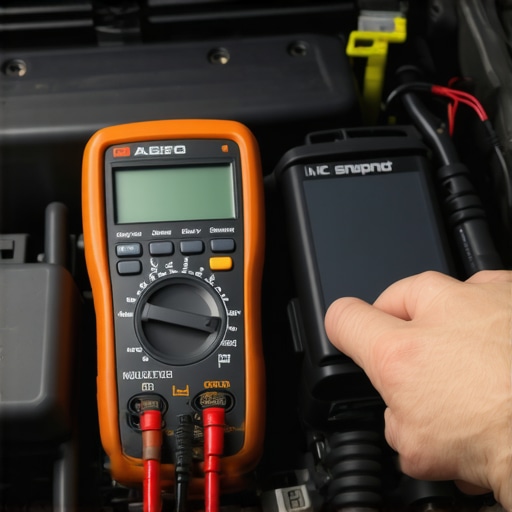
The Future of Maintaining Your Own Vehicle
As we look toward the next decade, car maintenance is shifting from the wrench to the laptop. We are moving into an era of ‘Software-Defined Vehicles’ where a shuddering transmission might be fixed with an over-the-air update rather than a fluid change. However, mechanical wear will always exist. I predict that we will see more integrated advanced vehicle diagnostics built directly into consumer apps, allowing you to see real-time health scores for your brake pads and oil viscosity. But even with all that tech, you still need to know the basics, like vehicle diagnostics explained via easy checks, because sensors can fail too. My advice? Get comfortable with a basic OBD-II scanner today. It’s the gateway to understanding the ‘why’ behind the ‘what’ when that check engine light inevitably pops up. If you really want to take control of your car’s health, try using a multimeter to test your battery’s resting voltage tomorrow morning—it’s the simplest way to see if your charging system is actually doing its job before the winter weather hits.
Why You Should Never Trust a Clean Dipstick Alone
After years of working on my own cars, I’ve learned that the most dangerous lie a vehicle can tell you is a bright red transmission dipstick. Many drivers assume that if the fluid looks clean, the internals are healthy, but I’ve seen hundreds of cases where high-mileage cars have perfectly clear fluid while the torque converter clutch is literally disintegrating. Another hard-earned lesson is to never ignore the electronics; I once almost replaced a whole transmission before realizing that I simply needed to know how to clean your mass air flow sensor without ruining it. The engine and transmission talk to each other constantly, and if the engine’s ‘voice’ is distorted by a dirty sensor, the transmission will start acting out. By following top auto repair tips to extend your vehicle’s lifespan, you can often catch these minor communication errors before they turn into major mechanical failures. [image_placeholder]
Tools That Turn a Mechanical Nightmare Into a Quick Fix
I don’t go anywhere without my specific diagnostic kit, and it isn’t filled with expensive heavy machinery. My first recommendation is a reliable OBD-II scanner, which acts as a translator for your car’s hidden codes. Second, I always carry the $20 tool every driver needs for basic electrical troubleshooting—a simple test light that can verify power faster than any computer. When a car refuses to start or acts erratic, knowing how to find a parasitic battery drain with a basic multimeter is a skill that has saved me more money than any coupon ever could. These aren’t just gadgets; they are your eyes and ears inside the machine, helping you avoid the ‘parts cannon’ approach that drains your bank account.
Reclaim Your Confidence Behind the Wheel
Maintenance can feel like an uphill battle, especially when modern cars feel like computers on wheels. However, once you stop fearing the unknown and start trusting the data, you’ll realize you have more control than the dealerships want you to think. Whether you are debunking brake service myths or performing a simple fluid exchange, every small step you take adds years to your vehicle’s life. Don’t be intimidated by a shuddering dashboard or a flickering light; usually, your car is just asking for a little focused attention. Have you ever been quoted a massive transmission repair only to find out it was something small like a sensor? Tell me your story in the comments!