

The thermometer on my porch read exactly four degrees, and my breath was coming out in thick, ghostly clouds. I jammed the key into my old Ford, gave it a twist, and… nothing but a slow, tortured ‘wurr-wurr-wurr.’ It sounded like the starter was trying to churn through a bucket of frozen taffy. I’d just done a DIY service the weekend before, and in my infinite wisdom, I’d used a heavy 15W-40 oil because I thought it would ‘protect’ my high-mileage engine better during a long haul. I was dead wrong. I ended up stranded in my own driveway because my oil was basically a solid block of grease. Today, I’m going to make sure you don’t make the same mistake I did, because understanding oil change innovations and how they affect your cold starts is the difference between getting to work on time and calling a tow truck in the freezing dark.
Stop Starving Your Engine on Cold Mornings
When the temperature drops, fluids change. It’s basic physics, but we often forget it applies to what’s sitting in our oil pan. Think of it like this: your engine needs a quick drink of water to get moving, but you’re trying to force-feed it a spoonful of cold honey. If the oil is too thick—meaning it has too high of a ‘W’ rating—the oil pump simply can’t push it through the tiny galleries that lubricate your sensitive camshafts and bearings. While you’re sitting there wondering why your car battery dies every time it gets cold outside, the reality might be that your battery is fine, but your starter is just fighting against the literal sludge you poured in yourself. I remember standing there with my jumper cables, feeling like a total amateur while my neighbor laughed at my ‘heavy duty’ oil choice. It was a humbling moment that taught me why viscosity isn’t just a number; it’s a lifeline for your internal components.
Is following the manual really that important?
You might be skeptical. I’ve heard plenty of folks say their grandad always used straight 30-weight oil and his truck ran for forty years without a hiccup. But modern engines have tighter tolerances than a Swiss watch. According to the Society of Automotive Engineers (SAE), using an oil with a cold-crank viscosity that is too high can lead to a ‘dry start,’ where metal rubs against metal for up to 60 seconds before the oil actually begins to flow. I learned this the hard way when I started hearing that rhythmic tapping noise only at startup. That wasn’t just a harmless engine quirk; it was the sound of my lifters screaming for lubrication. If you’re not checking your vehicle diagnostics or at least your owner’s manual before the first frost, you’re rolling the dice with your engine’s lifespan. Have you ever heard that gut-wrenching whine when you turn your key in January and wondered if your car was about to give up the ghost? [IMAGE_PLACEHOLDER] We are going to dive deep into how to read those labels properly so you never have to feel that ‘no-start’ dread again.
Look for the W to save your starter
That little ‘W’ on your oil bottle stands for winter, and it is the most important letter in your engine’s vocabulary right now. When you are picking out oil, the number before the W tells you how the fluid flows at zero degrees Fahrenheit. I used to think a 10W or 15W was ‘thicker’ and therefore ‘tougher,’ but all I was doing was making my oil pump work ten times harder. If you live somewhere where the grass crunches under your feet in December, you want that first number to be as low as possible—think 0W or 5W. This ensures that the moment your engine fires, the oil is thin enough to reach the top of the cylinder head instantly.  This is one of those top auto repair tips to extend your vehicles lifespan that costs nothing extra but pays off in thousands of avoided repair bills.
Why synthetic blends win the winter battle
If you are still running conventional mineral oil because it is cheaper, you are basically putting your car on a diet of sludge. Conventional oil molecules are uneven; imagine trying to roll a bunch of different sized rocks down a hill versus a bunch of perfectly round marbles. Synthetics are the marbles. They stay fluid at temperatures that would turn regular oil into something resembling candle wax. I remember switching my old truck over to a full synthetic after a particularly brutal January. The difference was not just on paper; the engine turned over noticeably faster, and that terrifying groan from the power steering pump even seemed to quiet down. This kind of switch is one of the best auto repair hacks to save money without sacrificing quality because it reduces the wear and tear on your starter motor and battery. It is like swapping out a thick milkshake for a glass of water—your engine does not have to struggle to get the lubrication it needs to the parts that matter most.
Use your ears to catch a dry start
Your car talks to you, and in the winter, it usually screams. If you hear a brief, metallic clattering the second the engine catches, that is a ‘dry start.’ The oil has not reached the lifters yet. I once ignored a persistent rhythmic ticking because I assumed it was just the cold, but it was actually a sign of poor flow and metal fatigue. To prevent this, always perform vehicle diagnostics by checking for hidden sludge building up behind your clean dipstick. If you pull that stick and the oil looks like dark molasses or feels gritty between your fingers, it does not matter how many miles you have driven—it is time for a change. I have seen engines ruined because the owner waited for a specific mileage interval while the oil was chemically breaking down due to short, cold trips where the engine never fully warmed up. Keep an eye out if your engine oil level rises between oil changes, as this can indicate fuel dilution, which makes your oil even less effective at protecting those metal surfaces during a freezing morning crank. Think of it like blood pressure for your car; high viscosity when cold is like having clogged arteries, where the heart—your oil pump—simply cannot get the lifeblood where it needs to go.
Let’s dig deeper into a nuance that most DIYers and even some mechanics overlook: the myth of the ‘warm-up idle.’ You probably think you’re doing your car a favor by letting it sit for ten minutes in the driveway before pulling away. In reality, you’re often doing more harm than good. When an engine idles in the cold, it stays in ‘rich’ mode longer, dumping extra fuel into the combustion chamber. This leads to fuel dilution, which is exactly why your engine oil level rises between oil changes. That extra ‘oil’ isn’t lubrication; it’s gasoline thinning out your protection. I’ve seen countless engines with premature bearing wear because owners thought a long idle was a kindness, when a gentle drive after 30 seconds would have brought the oil up to temperature much safer.
Stop obsessing over the 3,000-mile myth
Everyone tells you to change your oil every 3,000 miles, but in my experience, the calendar is often more dangerous than the odometer in winter. If you only drive three miles to the train station every morning, your oil never reaches the 212°F required to boil off the condensation that naturally forms in the crankcase. This moisture mixes with combustion byproducts to create sulfuric acid. This is how you end up with the hidden sludge building up behind your clean dipstick. You might only have 1,500 miles on the oil, but chemically, it’s already spent. A study by ASTM International confirms that low-temperature operation significantly accelerates the depletion of TBN (Total Base Number), the additives that neutralize these acids. Don’t let a low mileage count trick you into keeping acidic ‘juice’ in your oil pan all winter long.
Can modern vehicle diagnostics actually predict oil life?
Many of you have asked if those ‘Oil Life Monitors’ on the dash are actually trustworthy or just glorified timers. Sophisticated systems today use algorithms that track engine revolutions, temperature cycles, and even ambient humidity. While they are far better than a sticker on the windshield, they can’t ‘see’ the quality of the filter you used. I once fell into the trap of using a ‘bargain’ filter during a winter change. These cheap filters often have stiff bypass valves that stay open when the oil is thick, meaning your engine is circulating unfiltered grit for the first ten minutes of every drive. Even the best advanced vehicle diagnostics won’t alert you that your oil is bypassing the filter entirely. 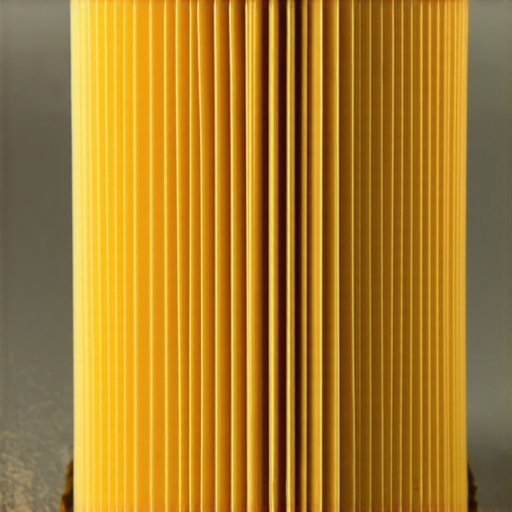 This is why I always tell people that auto-repair hacks to save money without sacrificing quality start with buying a high-flow, synthetic-media filter that can actually handle cold-start pressures.
The trap of the over-tightened drain plug
Here is a specific ‘oops’ factor to avoid: the cold-weather crush washer. Metal contracts in the cold, and I’ve seen many enthusiasts over-torque their drain plugs in December because they’re worried about leaks. Then, come July, that plug is seized or the oil pan threads are stripped. It is a nightmare that turns a twenty-minute job into a multi-hundred-dollar repair. Always use a new crush washer and stick to the torque spec; the washer’s job is to deform and seal, not the bolt’s job to be hammered in. This same logic applies to your brakes; if you are performing a brake service for safety, over-tightening caliper bolts in the freezing cold can lead to stress fractures you won’t see until they fail on the highway. Have you ever fallen into this trap of ‘tighter is better’ during a winter repair? Let me know in the comments. Learning these small auto repair tips to extend your vehicles lifespan is what separates a backyard tinkerer from someone who actually understands the machine.
If you really want to graduate from a part-swapper to a car-whisperer, you need to invest in a few specific tools that pay for themselves in a single afternoon. I always keep a digital multimeter in my glove box. It is the $20 tool every driver needs for basic electrical troubleshooting because it takes the mystery out of why your lights are dim or why your battery feels weak. I have used mine to track down a parasitic battery drain with a basic multimeter more times than I can count, saving me from buying three new alternators I did not actually need. According to the Robert Bosch GmbH Automotive Handbook, even a tiny increase in resistance at a ground point—something you can only find with a meter—can cause the ECU to misinterpret sensor data, leading to those frustrating phantom check engine lights.
Get the data before the mechanic does
Next up is a reliable OBD-II dongle. Forget the expensive standalone units; a Bluetooth version that talks to your phone is perfect for decoding vehicle diagnostics while you are actually on the road. It helps you see real-time data like fuel trims and coolant temperatures, which is how you catch a failing thermostat before your needle even moves. This is the core of advanced vehicle diagnostics.  Seeing those numbers live gives you a level of control that a simple dashboard light never could.
How do I maintain my vehicle’s longevity after the warranty expires?
The secret is not just oil; it is consistency across all systems. You should be performing vehicle diagnostics every time the seasons change, not just when a light pops up. This includes a deep dive into your stopping power. Following the ultimate guide to brake service for safety and performance means flushing your brake fluid every two years, regardless of mileage, to prevent internal corrosion in the ABS module. When you combine these top auto repair tips to extend your vehicles lifespan, you are not just fixing a car; you are managing an asset. In the near future, I expect we will see consumer-grade predictive AI apps that plug into your car and tell you exactly which bearing is going to fail three months before it starts making noise. For now, we rely on our tools and our ears.
Master the art of the fuel trim
I want you to try this: the next time your car feels slightly off, do not just search for the symptom. Use a scanner to look at your Short Term Fuel Trim. If it is high, you likely have a vacuum leak. Finding that yourself is one of those auto repair hacks to save money without sacrificing quality that feels like a superpower. It stops you from being at the mercy of a shop’s best guess and puts you back in the driver’s seat of your own maintenance schedule.
Lessons the Frost Taught Me About Engine Care
Over the years, I’ve realized that the dipstick can be a bit of a liar. Just because the fluid looks clean doesn’t mean it hasn’t been compromised by the acidic buildup of short winter commutes. I’ve shifted my focus toward oil change innovations that prioritize flow over film thickness in the sub-zero months. One lightbulb moment for me was realizing that your battery often takes the fall for a ‘slow crank’ when the real culprit is internal friction. Before you stress about how to tell if your car starter is going bad, verify that your oil isn’t acting like molasses in the pan.
Gear That Saves Me a Trip to the Shop
I never face a January frost without a few specific items in my garage. I always opt for a full synthetic oil with a high-flow filter, which is one of the most effective auto repair hacks to save money without sacrificing quality because it prevents that initial metal-on-metal grind. I also keep a simple logbook of my vehicle diagnostics to track how the engine sounds during different temperature drops. This record-keeping, combined with a reliable OBD-II scanner, turns guesswork into a science.
Give Your Engine a Fighting Chance This Season
Taking care of your car in the winter isn’t just about avoiding a tow; it’s about respect for the machine that gets you where you need to go. By mastering these top auto repair tips to extend your vehicles lifespan, you ensure your engine remains healthy for years to come, regardless of what the thermometer says. [IMAGE_PLACE_HOLDER_FINAL] Have you ever noticed your car making a strange groan or a specific ticking sound only when the temperature dips below freezing? Tell me about it in the comments below!