
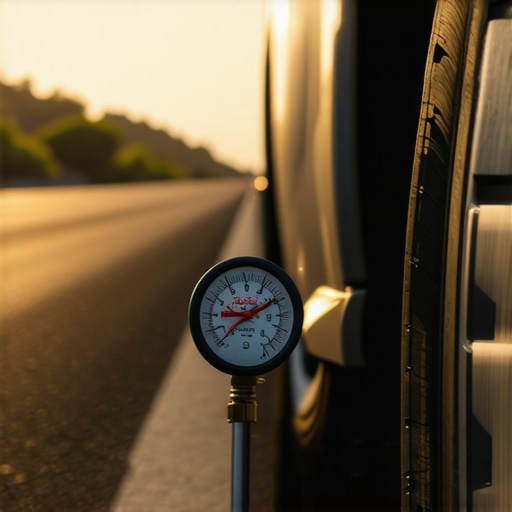
I remember sitting at a dusty gas station outside of Savannah, staring at my bank statement and then at my fuel gauge. I had just spent a fortune filling up for the third time on a trip that shouldn’t have been that expensive. My car felt sluggish, almost like I was dragging an anchor through a sea of molasses. I’d done the usual stuff—checked the oil, swapped the filters—but I was missing the most basic, yet most overlooked, factor of fuel efficiency. It wasn’t until I pulled out a cheap plastic gauge and checked my PSI that the lightbulb finally clicked. My tires were just four pounds under the recommended setting, and it was costing me a small fortune.
Stop Letting Your Tires Eat Your Gas Money
Listen, I’ve been there. You get so caught up in essential auto repair strategies for frequent drivers that you forget the air you’re riding on. When your tires are even slightly under-inflated, their footprint on the road grows. This creates more friction—or ‘rolling resistance’—which means your engine has to work twice as hard to maintain highway speeds. It’s like trying to ride a bicycle with flat tires; you’re sweating buckets just to move an inch. Early in my DIY days, I made the classic rookie mistake of thinking ‘more is better’ and inflated my tires to the maximum pressure listed on the sidewall itself. Don’t do that. I ended up with a ride so stiff I could feel every pebble in the pavement, and I nearly blew a seal because the pressure was way too high for the heat of the road. The ‘trick’ isn’t about over-inflating; it’s about hitting that sweet spot just 1-2 PSI above the door placard recommendation (but never exceeding the max) to compensate for the heat and load of a long haul. Have you ever noticed your car feeling a bit ‘heavy’ even when you aren’t carrying much luggage?
Is messing with my tire pressure actually worth the risk?
Skepticism is healthy, especially when it comes to your safety. Some folks worry that adjusting pressure will lead to uneven wear or blowouts. While it’s true that extreme pressure is dangerous, staying within a narrow, optimized range is actually better for your vehicle’s health. According to the U.S. Department of Energy, you can improve your gas mileage by up to 3% by simply keeping tires inflated to the proper pressure. That adds up fast on an 800-mile road trip. Before you head out, you should perform some vehicle diagnostics and easy checks to ensure your sensors aren’t lying to you. If you suspect a leak is the reason for your low numbers, you can easily learn how to find a slow tire leak using a spray bottle before you’re stranded. It’s also vital to make sure you know how to tell if your car is out of alignment by looking at your tires, because even perfect pressure won’t save your wallet if your wheels are fighting each other.
Find the Magic Numbers on Your Door Jamb
The biggest mistake I see drivers make is looking at the tire sidewall for pressure instructions. That number is the maximum pressure the tire can handle before it risks a blowout, not the ideal setting for your specific vehicle. For the correct numbers, open your driver’s side door and look for a white and yellow sticker on the pillar. This is your holy grail. It tells you exactly what the engineers intended for your car’s weight and suspension setup. Following this is among the top auto repair tips to extend your vehicles lifespan because it prevents unnecessary stress on your suspension and drivetrain. 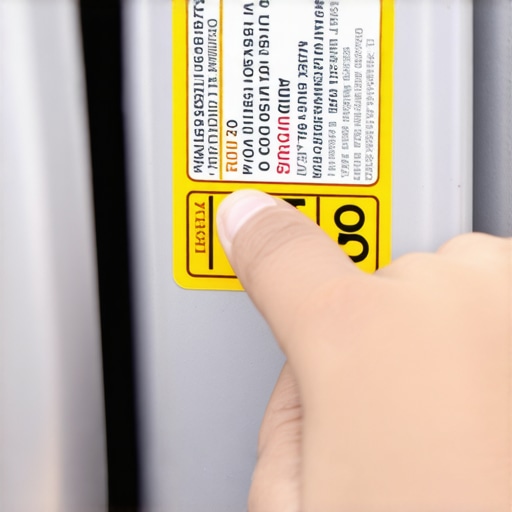
Check Your Tires Before the Sun Hits the Pavement
Physics dictates that air expands when it gets hot. If you drive ten miles to a gas station and then check your pressure, your readings will be 3-5 PSI higher than they actually are. This is called ‘hot pressure.’ You want to measure ‘cold pressure,’ which means the car has been sitting for at least three hours or has been driven less than a mile. I learned this the hard way during a cross-country move. I adjusted my tires mid-day in the Arizona heat, only to wake up the next morning with a ‘Low Tire Pressure’ light because the cool morning air caused the pressure to plumment. This level of attention to detail is just as crucial as keeping up with oil change innovations technologies that save your engine.
Stop Using Those Rusty Gas Station Air Gauges
Those pencil-style gauges tethered to gas station air compressors are notoriously inaccurate. They get dropped, stepped on, and rained on daily. I once tested a gas station gauge against my calibrated digital one and found a staggering 8 PSI discrepancy. Investing twenty bucks in a high-quality digital gauge is one of those auto repair hacks save money without sacrificing quality that pays for itself in one road trip. If you find one tire is consistently lower than the others, you should check for damage or learn how to fix a leaking tire valve stem in minutes.
Use the One-Two PSI Rule for Heavy Loads
When you are packing the car for a family vacation, that extra 500 pounds of luggage and passengers changes the math. To keep your fuel economy from tanking, I recommend adding 1-2 PSI above the door placard recommendation, provided you stay well under the max PSI listed on the sidewall. This stiffer pressure helps the tire maintain its shape under the extra weight, reducing the rolling resistance that eats your gas. Just like the information in brake service myths busted what really matters for safety, tire maintenance is about understanding how components react under load. If you notice your car still feels unstable, you need to know how to tell if your car is out of alignment by looking at your tires, as no amount of air can fix a bent tie rod or a bad alignment.But tire pressure is just the tip of the iceberg when it comes to total vehicle efficiency. I see so many drivers fall into the ‘parts cannon’ trap—throwing expensive sensors at a problem because a cheap scanner gave them a generic code.
Don’t Let a Diagnostic Code Empty Your Wallet
Most people think that a check engine light is a direct order to buy a specific part. In reality, that code is just a starting point for a deeper investigation. For instance, you might see a code for a lean fuel mixture and assume you need a new fuel pump, but it could actually be a simple vacuum leak or even the hidden reason your trucks EGR valve keeps sticking. This is where how advanced vehicle diagnostics prevent costly breakdowns comes into play; it’s about reading the live data, not just the error code. I’ve seen people spend $800 on a catalytic converter because of a P0420 code, only to find out why your scanner says P0420 but the converter is actually fine—often it’s just a $50 oxygen sensor or an exhaust leak. 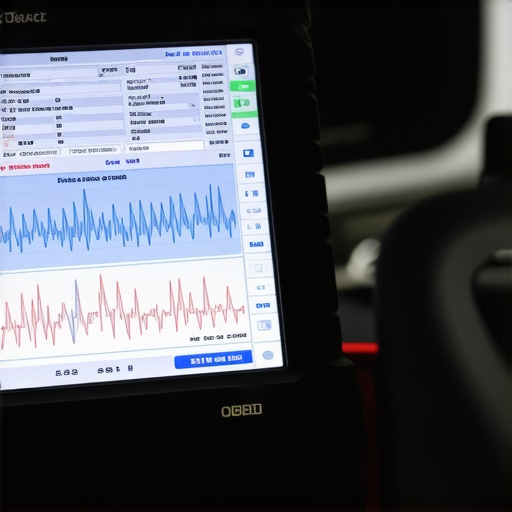
Why does my brake pedal feel spongy only after a long drive?
This is a classic nuance that separates the pros from the amateurs. Most drivers think that as long as they have ‘meat’ on their brake pads, they are safe. However, brake fluid is hygroscopic, meaning it absorbs moisture over time. On a long road trip, that moisture can turn to steam under high heat, leading to why your brake pedal feels spongy after a long drive. It’s not a pad issue; it’s a fluid maintenance issue. According to a study by the National Highway Traffic Safety Administration (NHTSA), nearly 2% of all vehicle crashes are directly related to brake system failures, often due to neglected maintenance rather than sudden part breakage.
Stop Trusting ‘Visual Only’ Oil Checks
Another huge mistake is the ‘clear oil’ obsession. I’ve met guys who change their oil every 2,000 miles because it looks dark. Modern detergents in synthetic oils are designed to capture soot and hold it in suspension; that darkness means the oil is doing its job. Instead of over-servicing, focus on the tiny details that actually cause leaks, like why you should never skip the crush washer on your drain plug. A reused washer is a primary cause of those annoying ‘mystery’ drips. Also, be wary of ‘bargain’ parts; the truth about using cheap aftermarket sensors in your engine is that they often have different resistance values than OEM parts, which can drive your car’s computer crazy. Have you ever fallen into this ‘parts cannon’ trap where you kept replacing things that weren’t actually broken? Let me know in the comments below.If you want to move beyond basic maintenance, you have to stop guessing and start measuring. The difference between a driveway hobbyist and someone who can actually keep a high-mileage vehicle on the road is the quality of their data.
Get a Scanner That Actually Shows Real-Time Data
Most people carry a basic code reader, but if you’re serious, you need a device that supports live data PID (Parameter ID) streaming. While a cheap tool tells you a code exists, how advanced vehicle diagnostics prevent costly breakdowns is by watching how sensors behave while the engine is running. For example, by monitoring your fuel trims, you can spot a vacuum leak long before it causes a misfire or triggers a light. I personally use a tool that graphs O2 sensor data because it’s the only way to see if the sensor is ‘lazy’—meaning it’s technically working but responding too slowly for peak efficiency. This is a level of decoding vehicle diagnostics and what your car is trying to tell you that saves you from the frustration of ‘parts cannon’ repairs.
Why a Digital Multimeter is Better Than Any Set of Wrenches
If I had to pick the most underutilized piece of equipment, it’s the $20 tool every driver needs for basic electrical troubleshooting: the digital multimeter. Most folks only use it to check if a battery is dead, but its real power lies in testing for ‘voltage drop.’ This technique allows you to find the ground wire problem that mimics a bad starter motor without ever turning a bolt. If you have 12 volts at the battery but only 10 volts at the starter while cranking, you’ve found your culprit. It’s also the gold standard for how to find a parasitic battery drain with a basic multimeter, which is essential for modern cars that are essentially rolling computers. 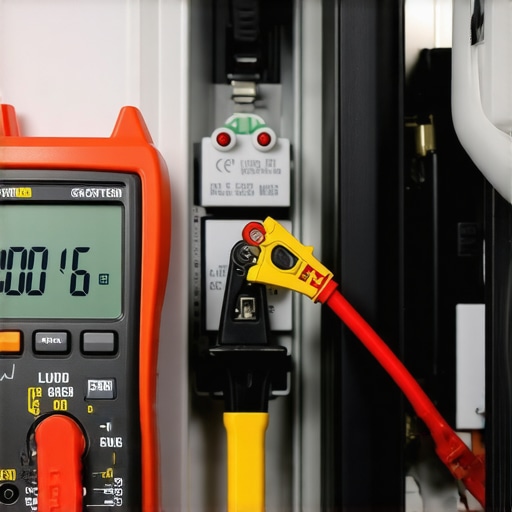
How do I maintain my vehicle for the long haul?
True longevity comes from servicing what the manual often ignores. For instance, many manufacturers claim their transmission fluid is ‘lifetime,’ but professional experience says otherwise. Learning how to save your transmission with a simple fluid exchange every 60,000 miles can double the life of the unit. Furthermore, when it comes to stopping power, knowing the trick to bleeding brakes alone without a helper ensures you actually perform that fluid flush every two years, preventing the internal corrosion that kills ABS modules. According to the Car Care Council, an organization dedicated to consumer education, nearly 80 percent of vehicles on the road are in need of service or parts, largely because owners focus on oil while ignoring the brake and transmission systems. Looking forward, we are entering the era of ‘Predictive Maintenance.’ Future vehicles won’t just tell you something is broken; they will use onboard algorithms to warn you that a component’s electrical resistance is drifting out of spec, allowing you to swap a part before it ever fails on the highway. This weekend, I want you to grab your multimeter and perform a voltage drop test on your main ground cable—it’s the best five-minute insurance policy you can give your car.
Hard Truths from the Driveway Floor
Over the years, I’ve realized that the most expensive repairs aren’t caused by bad luck, but by ignoring the small signals. One of the biggest lessons I learned is that a car is a system, not a collection of parts. If you ignore why your car wanders across the lane on the highway, you aren’t just risking a tire—you’re putting stress on every steering linkage. Another ‘lightbulb moment’ was finally accepting that the mistake of using the wrong oil viscosity in cold weather can cause more internal wear than an extra 2,000 miles on an oil change. Lastly, I learned to trust my senses; knowing how to diagnose a failing wheel bearing using only your ears saved me from a wheel lock-up at 70 mph.
The Gear That Actually Earns Its Keep
If you are building your own diagnostic kit, skip the fancy chrome wrenches for a moment and focus on information. I never leave home without a high-quality tire gauge and the $20 tool every driver needs for basic electrical troubleshooting—the digital multimeter. For deeper dives, I recommend keeping a bookmark for the ultimate guide to brake service for safety and performance so you never second-guess your stopping power. I also suggest checking technical service bulletins (TSBs) regularly, as they often reveal known issues before they become catastrophic failures.
Take the Keys Back from the Dealership
There is a profound sense of freedom that comes from knowing exactly what is happening under your hood. When you stop fearing the check engine light and start treating it like a conversation, you save thousands of dollars and gain peace of mind that no service center can sell you. Modern cars are complex, but they aren’t magic—they still rely on air, spark, and fluid. By mastering simple auto repair and staying on top of your diagnostics, you ensure that your vehicle remains a tool for adventure rather than a source of stress. Have you ever felt that sudden rush of pride after fixing a ‘mystery’ issue yourself? Let me know about your biggest DIY win in the comments below!