
I remember standing in my driveway on a crisp Tuesday morning, coffee in one hand and a tattered paper towel in the other. I pulled the dipstick on my reliable old SUV, expecting the usual amber level. Instead? Nothing. Just a faint, oily smudge at the very tip. My heart skipped a beat. I immediately crawled underneath with a flashlight, scanning for the tell-tale black puddle or even a damp spot on the oil pan. The concrete was spotless. It felt like a magic trick I never asked for, and honestly, it’s one of the most frustrating puzzles a car owner can face. If you are staring at a clean driveway but a thirsty engine, you aren’t crazy. Your car is losing oil; it just isn’t doing it where you can see it. Today, we are going to hunt down the ghost in your machine and stop that disappearing act before it ruins your motor.
Your Engine is Secretly Eating Its Own Lunch
Most people assume that if there isn’t a mess on the floor, the oil must be fine. I fell into that trap early in my DIY journey, and it was a costly lesson. I spent months just topping off the reservoir, ignoring the [reason your engine consumes oil without a visible leak](https://repairmycarpro.com/the-reason-your-engine-consumes-oil-without-a-visible-leak) until my spark plugs were so fouled the car barely started. The truth is, your engine is likely burning that oil internally. This often happens through the PCV (Positive Crankcase Ventilation) system. When this tiny valve fails, it creates a vacuum that sucks oil mist right into the combustion chamber. You won’t see a leak because the oil is being turned into invisible exhaust. It is a slow, silent thief of engine life.
Is My Engine Basically Junk Now?
It is the question that keeps us up at night when the dipstick comes up dry. You might fear that your piston rings are shot or that you are looking at a multi-thousand-dollar rebuild. While worn rings are a possibility, don’t rush to call the [junk car buyers](https://repairmycarpro.com/the-simple-way-to-verify-a-charlotte-junk-car-buyer-before-they-show-up-at-your-house) just yet. Often, the culprit is something far less terminal. According to Consumer Reports, some modern engines are actually designed with looser tolerances to improve fuel economy, which can lead to “normal” consumption of up to a quart every 1,000 miles. That sounds wild, but it’s a reality of modern engineering. Before you panic, we need to look at [oil change innovations](https://repairmycarpro.com/oil-change-innovations-technologies-that-save-your-engine) and your specific maintenance habits. Sometimes, using the [wrong oil viscosity](https://repairmycarpro.com/the-mistake-of-using-the-wrong-oil-viscosity-in-cold-weather) is the only reason your car has developed a sudden appetite for oil. Have you ever experienced that sinking feeling of seeing a dry dipstick despite a perfectly clean garage floor? Let me know in the comments—I’ve been there, and I know exactly how much it tests your patience. Now, let’s get into the nitty-gritty of how to diagnose this without taking your entire engine apart.
Find Where That Oil Is Hiding
Diagnosing a ‘ghost’ oil loss starts with a process of elimination that won’t cost you a fortune. Think of your engine like a high-pressure plumbing system; if the liquid isn’t on the floor, it’s either stuck in the pipes or evaporating into thin air during the combustion process. This is rarely a single catastrophic failure and more often a slow erosion of efficiency that happens behind closed metal doors.
Swap Out Your PCV Valve First
The Positive Crankcase Ventilation (PCV) valve is a tiny, plastic component that acts as a traffic warden for engine gases. When it gets gunked up with old oil, it sticks open. This allows the intake manifold to suck up oil like a straw, sending it straight into the cylinders to be burned. I once spent a whole weekend stressing over a possible head gasket failure on an old sedan, only to find out a $12 PCV valve was the culprit. I pulled it out, gave it a shake—it didn’t rattle, which means the internal spring and plunger were stuck—and replaced it. The oil consumption stopped immediately. It is the easiest ‘win’ in the world of decoding vehicle diagnostics. If you want to be sure, pull the hose off the valve while the engine is idling; you should feel strong suction. If you don’t, or if the hose is collapsed, you’ve found your thief.
Read Your Spark Plugs Like a Crystal Ball
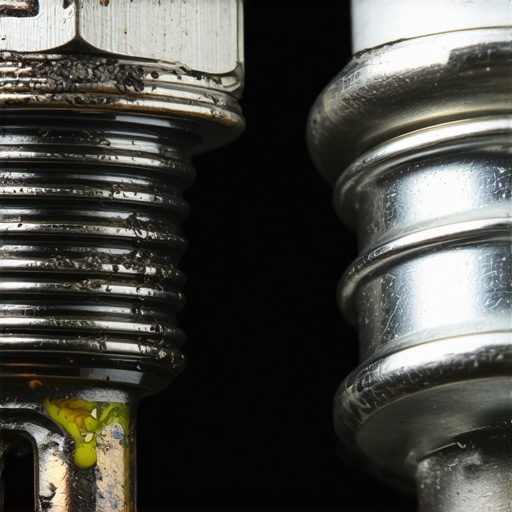
If your engine is ‘eating’ oil, the evidence is written all over your spark plugs. Pull one out and look at the tip. A healthy plug should look tan or light gray. If it is covered in thick, wet, black gunk or crusty white deposits, you’ve found your evidence. This is ‘oil fouling,’ and it happens when oil gets past the valve seals or piston rings. Even if you aren’t seeing blue smoke from the tailpipe yet, the plugs don’t lie because they are in the direct line of fire. While you are under there, it’s also worth checking how to tell if your oil filter is actually doing its job, as a bypassed or low-quality filter can allow contaminants to score your cylinder walls, leading to even more oil loss.
Watch for the Blue Cloud at High RPMs
Sometimes the leak is so small it only happens under high pressure or specific vacuum conditions. Have a friend follow you while you accelerate onto a highway. If they see a puff of blueish-gray smoke when you floor it, your valve stem seals are likely worn out. These seals are like the squeegees on a window; when they get hard and brittle, they let oil slide down the valve stem and into the combustion chamber. This is a classic reason why your cabin smells like oil but there are no leaks on the ground. Another trick is to watch for smoke after a long period of idling, like sitting at a red light. If you pull away and leave a cloud, those seals are definitely the problem.
Check Your Drain Plug Habits
Believe it or not, I’ve seen cars lose a significant amount of oil through a ‘slow weep’ that evaporates off a hot oil pan or gets blown away by the wind while driving before it ever hits the pavement. This usually happens because someone skipped a 50-cent part during a routine service. You should never skip the crush washer on your drain plug. A tiny drip that only happens while the oil is hot and thin can add up to a quart of loss over a few thousand miles. Following top auto repair tips to extend your vehicles lifespan often starts with these tiny, seemingly insignificant details that keep the fluids where they belong.
Perform a Dry and Wet Compression Test
If the PCV valve and seals look okay, it’s time to get technical. A compression test involves threading a gauge into the spark plug hole and cranking the engine. If the numbers are low, you pour a tablespoon of oil into the cylinder and test again—this is the ‘wet’ test. If the numbers jump up, your piston rings are worn out. The oil you added temporarily sealed the gap, proving that your engine is losing its lifeblood through the very bottom of the combustion chamber. It’s a definitive way to know if you’re facing a simple fix or a major mechanical crossroad.While the mechanical tests I mentioned earlier give us a solid foundation, they often don’t tell the whole story of how modern engine management interacts with lubricant chemistry. One of the most persistent myths in the automotive world is that ‘thicker oil stops leaks.’ If you have a car from the late 90s or earlier, maybe that worked. But in today’s world of tight tolerances and Variable Valve Timing (VVT), switching to a 20W-50 to stop a ‘ghost leak’ is a recipe for disaster. Modern engines rely on thin oil to move through tiny oil passages to actuate cam phasers. If you ignore the mistake of using the wrong oil viscosity in cold weather or even in mild climates, you might stop a tiny bit of consumption but end up with a massive bill for a timing system failure. Always stick to the weight printed on your oil cap.
Can Specialized Cleaning Additives Actually Save My Engine?
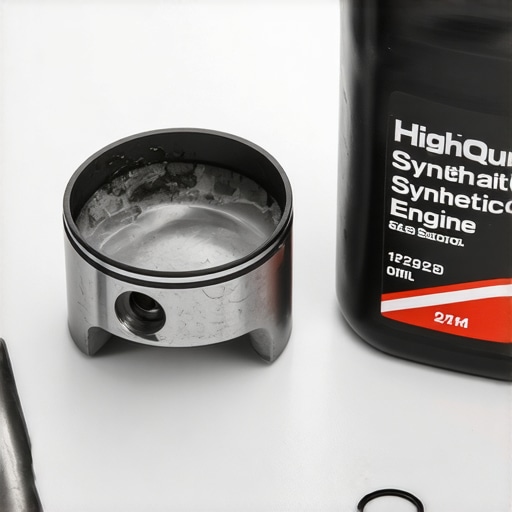
It is a question I get asked constantly by people who are tired of adding a quart of oil every two weeks. The answer is a frustrating ‘maybe.’ Modern direct-injection engines are prone to low-speed pre-ignition (LSPI), and when oil gets past the rings and mixes with fuel, it creates a sticky carbon sludge. According to a study by SAE International, oil volatility (the Noack Volatility test) plays a massive role in how much oil ‘disappears’ through evaporation in high-heat environments like turbochargers. If your rings are just stuck with carbon, a high-quality internal engine cleaner might free them up. However, if the metal is physically worn, no chemical in a bottle is going to grow that steel back. Before you dump mystery fluids into your crankcase, look into oil change innovations and technologies that save your engine to see which products actually have laboratory backing.
Don’t Let Your Catalyst Pay the Price for Your Procrastination
The ‘Oops’ factor here is significant. Many drivers think that as long as they keep the oil topped off, they are winning. But that ‘ghost’ oil has to go somewhere, and that somewhere is usually your exhaust system. When an engine burns oil, it coats the precious metals inside your catalytic converter with phosphorus and zinc. This leads to a situation where your scanner says P0420 but the converter is actually fine—at least, it was until the oil poisoned it. Eventually, this leads to a total blockage, and you’ll find yourself researching how to tell if your catalytic converter is actually clogged while your car struggles to limp up a hill. Topping off is a temporary bandage; it isn’t a cure.
The Hidden Nuance of Fuel Dilution
Here is a weird one that confuses even seasoned DIYers: what if your oil level isn’t dropping, but your engine is still clearly worn? Sometimes, the reason your engine oil level rises between oil changes is because unburnt fuel is leaking past the rings and mixing with the oil. This dilutes the lubricant, making it even thinner and easier to burn, which accelerates the wear cycle. It’s a dangerous game of hide-and-seek. While you are focusing on the engine, don’t forget the rest of the car; for instance, the same neglect that leads to engine issues often affects your stopping power, so make sure you’ve consulted the ultimate guide to brake service for safety and performance recently too. Have you ever fallen into this trap of just topping off the oil and hoping for the best? Let me know in the comments—I’ve seen it turn a $50 fix into a $2,000 headache more times than I can count.
The One Tool I Won’t Go Under the Hood Without
The tool I recommend most isn’t a fancy chrome wrench; it’s high-quality data. I used to rely on my ears to hear a misfire or my nose to catch a coolant leak, but today’s cars are far too sophisticated for that. I personally carry a bidirectional scan tool in my trunk. Why? Because it lets me command the car to perform specific tests—like cycling a fuel pump or opening a purge valve—without me having to crawl around and jump wires manually. If you aren’t ready to invest in a professional-grade scanner, at least grab the $20 tool every driver needs for basic electrical troubleshooting to check for parasitic draws or bad grounds that often mimic mechanical failures. This shift in mindset is how you transition from being a simple ‘parts changer’ into a diagnostic expert.
How do I keep my car running like new for over 200,000 miles?
Consistency is the boring but honest answer. It’s about more than just the oil; you have to think about the sensors and systems that support the engine’s combustion. For example, understanding how advanced vehicle diagnostics prevent costly breakdowns means checking your long-term fuel trims at least once a month via your scanner. If those numbers are creeping up, you likely have a vacuum leak or a failing oxygen sensor that is forcing your engine to run lean and hot. That excess heat is what eventually cooks your oil, hardens your seals, and destroys your piston rings over time. 
Why Lab Results Beat Your Gut Feeling Every Time
If you really want to stop being a victim of ‘ghost’ oil loss, you need to stop guessing and start measuring. I highly recommend sending an oil sample to Blackstone Laboratories for a professional analysis during your next service. Their reports don’t just tell you if the oil is dirty; they measure the parts-per-million of aluminum, iron, and copper in the fluid. According to technical documentation from *Machinery Lubrication*, specific wear metals can pinpoint exactly which bearing or gear is failing before you ever hear a physical noise or see a drop of oil on the ground. This level of detail is a cornerstone of oil change innovations and technologies that save your engine. It’s the difference between wondering why your oil level is low and knowing exactly that your brass bushings are wearing down prematurely.
The Future of DIY Car Care
In the next few years, I predict we will see a massive shift toward consumer-level telematics integrated with AI. Your car will likely send a push notification to your phone saying, ‘Hey, your PCV flow is down by 15% due to carbon buildup, replace it this weekend to avoid engine damage.’ We are moving away from reactive repairs and into an era of truly predictive maintenance. This will make top auto repair tips to extend your vehicles lifespan more accessible to the average driver than ever before. For now, my best advice is to be proactive rather than reactive. Try this today: Pull your spark plugs and check the tips for that oily residue we talked about. It’s the most honest diagnostic tool you already own, and it takes less than ten minutes to get a clear picture of your engine’s internal health.
What Your Mechanic Might Not Mention About Oil Burn
I’ve learned the hard way that a silent oil leak is actually a loud warning for your wallet. If I could go back and tell my younger self one thing, it would be that “within spec” is often a legal safety net for manufacturers, not a target for your engine’s longevity.
- The catalytic converter tax: Every drop of oil burned is a layer of soot on your expensive exhaust components.
- Heat is the real enemy: Low oil levels make the remaining oil work harder and run hotter, making it vital to use auto repair hacks save money without sacrificing quality to catch issues early.
- Seals aren’t forever: Rubber parts thrive on being lubricated; letting your level stay low allows upper seals to dry out and fail prematurely.
#IMAGE_PLACEHOLDER_E#
The Diagnostic Tools I Keep in My Glovebox
Solving a disappearing oil problem requires more than a flashlight. I trust essential auto repair strategies for frequent drivers because they rely on measurable data rather than guesswork. First, I never skip a digital health check with a basic scanner to look for hidden codes that might indicate PCV or sensor failure. Second, I swear by using a dedicated logbook to track exactly how many miles pass between every half-quart addition. Finally, keep a set of fresh spark plugs on hand. They are the cheapest “insurance policy” for knowing if your combustion chamber is staying clean or turning into a tar pit. While you’re working on the engine, it’s a good time to check other fluids too—like the brake fluid color that means you need a flush immediately—to keep the whole car in top shape.
Mastering Your Machine
You don’t have to be a certified technician to stay ahead of engine wear. By paying attention to the small signs—the smell of the exhaust, the color of the spark plugs, and the consistency of your oil level—you are practicing the kind of oil change innovations and technologies that save your engine. The “ghost” isn’t a supernatural problem; it’s just a mechanical puzzle waiting for you to solve it with patience and the right diagnostics. Have you ever discovered a weird place where your oil was hiding? Let me know in the comments below!