
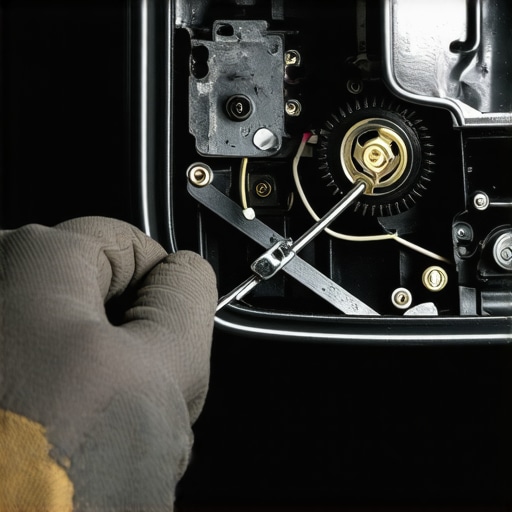
I was merging onto the I-77 in Charlotte, rain smearing my windows, when I realized my passenger-side mirror was staring directly at the rear tire. I reached for the little joystick on my door, flicked it left, then right, and… absolute silence. No whirring motor, no subtle tilt, just the cold realization that I was effectively blind on one side during rush hour. It’s a helpless feeling, isn’t it? You’re trying to be a safe driver, but your gear just won’t cooperate.
The Morning My Mirrors Just Quit
It is easy to ignore a mirror that is slightly off until you actually need it to save your life. We often treat these little glass panels as secondary, but the moment they stop moving, your car suddenly feels a lot less like a sanctuary and a lot more like a rolling hazard. I spent years thinking these types of electrical gremlins required a trip to a specialist and a $500 invoice, but I have got some good news for you. Most of the time, the reason your mirrors are stuck has nothing to do with a broken motor and everything to do with a simple, overlooked connection or a cheap component. Today, I am going to walk you through exactly how to narrow down the culprit so you can stop craning your neck like a gymnast every time you need to park.
Is a DIY Fix Actually Worth the Trouble?
You might be thinking, “Look, I am not a mechanic. Should I even touch the electrical system?” I get it. I used to be terrified of anything with wires. In fact, early in my DIY journey, I made a massive mistake: I once replaced an entire side mirror assembly—glass, housing, and all—for nearly $300, only to discover later that the problem was just a simple fuse that cost fifty cents. It was a humbling, expensive lesson in checking the basics first. The truth is, fixing a mirror is often as simple as a power window fix, and if you can follow a few basic steps, you can save yourself a massive headache.
Why Your Mirrors Stay Frozen in Place
When you toggle that switch and nothing happens, your car is trying to tell you something. Usually, it is a breakdown in communication between your finger and the motor inside the mirror housing. According to data from the National Highway Traffic Safety Administration (NHTSA), properly functioning mirrors are essential for reducing the 840,000 annual accidents caused by blind-spot related errors. If yours are not moving, you are not just dealing with an annoyance; you are dealing with a safety deficit. I have found that using essential auto repair strategies can help you identify if the issue is the switch itself, which often gets gunked up with coffee spills and dust over the years. Before you go buying parts, ask yourself: Have you ever noticed your mirror acting sluggish before it died completely, or did it just stop out of the blue? Knowing that distinction is the key to a fast repair. [IMAGE_PLACEHOLDER] By following some top auto repair tips, we can dig into the wiring without breaking a sweat and get you back to seeing the road clearly.
Check the Fuse Box Before Tearing the Door Apart
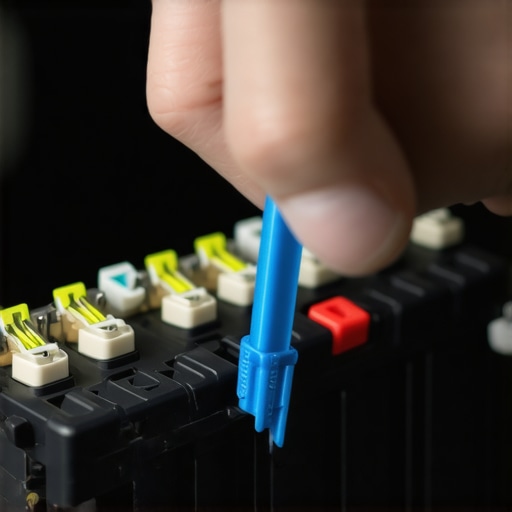
Electricity in your car behaves a lot like water in your house. If the main valve is shut off, it doesn’t matter how many times you turn the faucet; nothing is coming out. Your side mirrors operate on a dedicated circuit protected by a fuse. If that thin strip of metal inside the fuse blows, the electricity stops flowing to your mirror motors. Grab your owner’s manual and look for labels like “MIRROR,” “ACC,” or “CIGAR.” Even if the fuse looks okay, swap it with a known good one of the same amperage. Using auto repair hacks like this can save you hours of unnecessary labor.
Does Your Mirror Switch Actually Have Juice?
If the fuse is fine, the problem usually shifts to the control pad on your armrest. Think of the switch as the gatekeeper. Over time, spilled coffee, rain, and dust infiltrate the gaps, coating the copper contacts in a layer of grime that blocks the signal. I once spent an entire Saturday afternoon troubleshooting a passenger mirror that wouldn’t budge. I ended up pulling the switch assembly out—a process similar to finding the simple fix for a rattling door panel—and discovered a sticky residue from a vanilla latte I’d forgotten about. A quick blast of electronic cleaner restored the connection instantly. If your dash lights flicker when you use the turn signal or other accessories, you might be looking at a larger ground issue, but usually, it is just a dirty switch.
Wiggle the Wires to Find the Weak Link
The wires that power your mirrors have a tough life. Every time you open and close your driver’s side door, those wires bend and flex inside a rubber boot. Eventually, the copper strands inside can snap, even if the insulation looks perfect. To test this, try holding the mirror switch in the “on” position while slowly opening and closing the door. If the mirror suddenly jerks to life, you’ve found a break in the harness. This is where advanced vehicle diagnostics come into play, helping you isolate whether the break is near the hinge or inside the door itself. It is a tedious hunt, but fixing a wire with a simple crimp connector is vastly cheaper than buying a whole new motor assembly.
Most DIY guides tell you to replace the motor if you have power but no movement. In my experience, this is often a waste of money. I have found that internal plastic gears frequently bind up due to temperature fluctuations rather than electrical failure. It is a nuance similar to what we see with brake service myths busted; people blame the most expensive part first. Before you buy a new unit, try to gently ‘help’ the glass move while pressing the switch. If it moves, the motor is alive but struggling with friction. According to the Car Care Council, neglecting these small mechanical resistances can lead to a total circuit overload as the motor draws too much current trying to fight the resistance.
What Happens When Your Mirror Only Moves in One Direction?
This is a classic diagnostic trap that confuses even seasoned enthusiasts. If your mirror moves left and right but not up and down, the motor itself is actually functioning. It is the polarity-reversing relay or a specific pin in the connector that has failed. You do not need a new mirror; you need to clean a single pin with a contact cleaner. This level of detail is exactly why advanced vehicle diagnostics are so vital—they prevent you from throwing parts at a ghost and wasting your weekend. 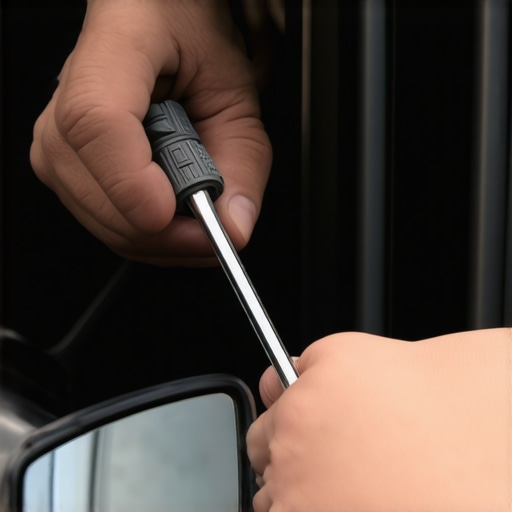
Stop Spraying Chemicals Into Your Door Panels
One of the biggest mistakes I see is the ‘spray and pray’ method. Owners think a quick blast of lubricant into the mirror housing will fix a stuck mechanism. However, most modern mirrors use nylon gears that are self-lubricating. Adding petroleum-based sprays can actually degrade the plastic, causing it to swell and seize permanently. It is like falling for the trap that any lubricant is good for your car, which is why understanding oil change innovations is so important—the right fluid for the right job matters. By sticking to top auto repair tips that focus on cleaning rather than lubricating, you avoid creating a sticky mess that attracts road grit.
The Hidden Trap of One-Time-Use Clips
When you are digging into the door panel to reach the harness, there is a specific trap to avoid: the ‘one-time-use’ plastic clip. Manufacturers design these panels to be installed once on the assembly line. If you yank them off without a dedicated trim tool, you will snap the retainers, leading to a permanent rattle that will drive you crazy. This is very similar to the common tire pressure mistake where a small oversight leads to long-term damage. Always have a bag of spare clips ready before you start. Furthermore, do not ignore the importance of a clean ground. I have seen mirrors ‘fixed’ simply by tightening a bolt under the dash that was shared with the radio. If you notice your dash lights flicker when you use the turn signal, you likely have a grounding issue that is starving your mirrors of the amperage they need to move. Taking the time for easy checks before your road trip can save you from being ‘blind’ on the highway. Have you ever fallen into this trap and replaced a part that wasn’t actually broken? Let me know in the comments.My garage isn’t filled with thousands of dollars of equipment, but there are two specific items I never start a mirror job without: a digital multimeter and a set of nylon pry tools. I learned the hard way that a metal screwdriver is the absolute enemy of plastic interior trim. Using the right tools is part of those auto repair hacks that separate a clean, professional-looking job from a butchered door panel with permanent gouges. I personally use a simple multimeter to verify both power and ground—if you can master the secret to finding a parasitic battery drain, you can easily identify a broken power wire tucked inside your mirror assembly. You are looking for a steady 12-volt reading when the switch is toggled. If the voltage is present at the plug but the glass stays still, you’ve confirmed the motor is dead without spending a dime on parts yet.
How do I keep my mirror motors running for years?
The secret to long-term results is surprisingly low-tech: keep the pivot points clear of salt, road grime, and car wash wax. If you live in the Rust Belt or near the coast, salt and sand get into the motor housing and act like sandpaper on the plastic gears. Once a year, I use a bit of compressed air to blow out the gaps between the glass and the housing. It’s a small, proactive step, much like performing easy checks before your road trip, that prevents the motor from straining and overheating. According to technical documentation from Robert Bosch GmbH, one of the world’s leading automotive component suppliers, a significant percentage of side mirror actuator failures are caused by physical obstruction rather than actual electrical component burnout. Taking five minutes to clean those pivots can double the life of the assembly.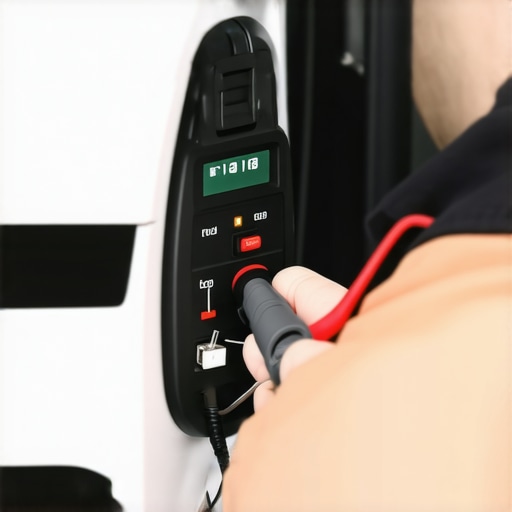
The End of the Glass Mirror Era
We are rapidly approaching a time when mirrors won’t be mirrors at all, but sophisticated digital displays. I’ve been closely following the shift toward Camera Monitor Systems (CMS) in the industry. High-end manufacturers like Audi and Lexus are already replacing glass with external camera stalks and internal OLED screens to reduce aerodynamic drag and improve night vision visibility. Much like oil change innovations have changed how we think about engine longevity, these digital mirrors will eventually change the DIY landscape, requiring advanced vehicle diagnostics just to recalibrate a lens after a minor bump. While we are still mostly dealing with wires and glass today, the skill of electrical troubleshooting is only becoming more valuable. Don’t be intimidated by the wiring behind your door panel. My challenge to you is to get out to your driveway this weekend, locate your fuse box, and identify the mirror circuit. Getting comfortable with a multimeter now will prepare you for the increasingly digital future of car repair. Testing a circuit is a fundamental skill that will save you thousands of dollars over the life of your vehicle.
What I Learned While Digging Through My Door Panel
After years of messing with stuck mirrors, I’ve realized that the most expensive repair is the one you didn’t actually need. I once convinced myself I needed a whole new mirror assembly when a quick check of the wiring harness would have revealed a simple loose ground. Here are the lightbulb moments that changed my approach:
- The Silent Rule: If both mirrors die at once, it’s almost certainly the fuse or the main switch. If only one dies, it’s likely the motor or the door harness.
- Patience is a Power Tool: Plastic clips become brittle in cold weather. I’ve learned to warm up the car interior before attempting to pop a door panel, or I’ll be buying a bag of replacements.
- Cleaning Over Replacing: You’d be shocked how many ‘broken’ switches just need a little love. Dust and coffee are the natural enemies of electronic signals.
The Three Tools That Saved My Sanity
I used to try fixing cars with a butter knife and a prayer, but having a few specific items makes these auto repair hacks actually work. First, get a set of nylon trim tools; they allow you to pop panels without scarring the plastic. Second, a can of electronic contact cleaner is pure magic for sticky switches. Finally, a digital multimeter is non-negotiable. If you can learn the secret to finding a parasitic battery drain, you’ll have no problem checking for 12 volts at your mirror plug. These tools turn a guessing game into a precise diagnosis.
[IMAGE_PLACEHOLDER]
Reclaim Your View of the Road
Don’t let a frozen mirror make your daily drive a stressful ordeal. By applying a few top auto repair tips, you can move from being a frustrated passenger to a confident DIY mechanic. Whether it’s a simple fuse swap or cleaning a coffee-soaked switch, the satisfaction of seeing your mirrors whir back to life is worth the effort. Taking the time for easy checks before your road trip ensures you’re never caught off guard in a merge. You’ve got the knowledge—now it’s time to get your hands a little dirty and get that visibility back. Have you ever spent money on a repair only to realize it was a tiny electrical fix you could have done yourself? Let me know in the comments below!