
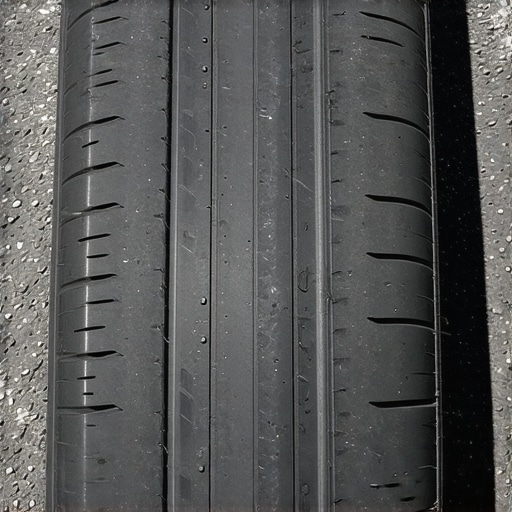
I stood there in my driveway, staring at the middle of my front tires, and I honestly felt like a total amateur. I had just dropped a heavy chunk of change on a set of premium rubbers, thinking I was doing everything right. But I made the classic rookie error—I treated the Max PSI printed on the sidewall like a personal goal instead of a dangerous limit. Within six weeks, the center of my tread was nearly bald while the edges looked brand new. It was a visceral, frustrating realization that my own ‘helpful’ maintenance was actually killing my car. If you’ve ever wondered why your tires seem to age in dog years, you aren’t alone. Today, I am going to show you exactly how to avoid this common trap so you can keep your vehicle safe and your wallet full. We will dive into why the most common advice you hear at the gas station is often the worst thing for your alignment and longevity.
The High-Pressure Trap That Ate My Investment
Most people think more air means better gas mileage, and while there is a tiny grain of truth to that, the trade-off is brutal. When I first started getting serious about top auto repair tips to extend your vehicles lifespan, I thought ‘more is better.’ I pumped my tires up to 45 PSI because the sidewall said I could. The result? The tire crowned, making the center the only part touching the road. It didn’t just ruin the tread; it made my braking distance terrifyingly long. It is a mistake that mimics the symptoms of a bad alignment, but no shop can fix it if your air levels are wrong. You have to be the one to get it right. Have you ever noticed your car feeling a bit ‘flighty’ or bouncy after you filled up the tires? That is usually the first warning sign that you’ve overdone it.
Is Following the Door Jam Sticker Really That Crucial?
You might be skeptical. After all, the car feels ‘lighter’ and seems to roll forever when the tires are hard as rocks. However, according to data from the National Highway Traffic Safety Administration (NHTSA), improper tire pressure is a leading cause of tire failure and significantly impacts vehicle handling. The sticker inside your driver-side door is not a suggestion; it is the calculated sweet spot for your specific car’s weight. If you ignore it, you are basically throwing money away. Even if you are trying the tire pressure trick for better fuel economy on long trips, going beyond the manufacturer’s recommendation is a gamble you will eventually lose. Before we get into the step-by-step fix, you might want to check if you have a leak first by learning how to find a slow puncture using only dish soap. Once we know the tire is holding air, we can get that pressure dialed in perfectly.To get an accurate reading, you have to catch the air while it is still cold. Think of air molecules like a room full of toddlers after a birthday party; when they get warm, they start bouncing off the walls, artificially raising the pressure inside that rubber casing. If you drive even three miles to a gas station, that friction heats the air and gives you a ‘false high’ reading. I learned this the hard way during a summer road trip through the desert. I checked my tires at a rest stop and they read 48 PSI. I panicked and let air out, only to find them dangerously low at 28 PSI the next morning when the sun was down.
Catch the Air While It Is Still Cold
The first step in decoding vehicle diagnostics: what your car is trying to tell you is understanding that your car’s sensors are often ‘lagging’ indicators. You need a baseline. Always check your pressure first thing in the morning before the car has moved. If you have to drive to get air, measure the pressure at home first and note the difference. If your home gauge says 30 PSI and the target is 35, you know you need to add exactly 5 PSI at the pump, regardless of what the pump’s gauge says. Ambient temperature matters too. For every 10-degree drop in temperature, you lose about one pound of pressure. This is why your dashboard light usually greets you on the first cold morning of October. 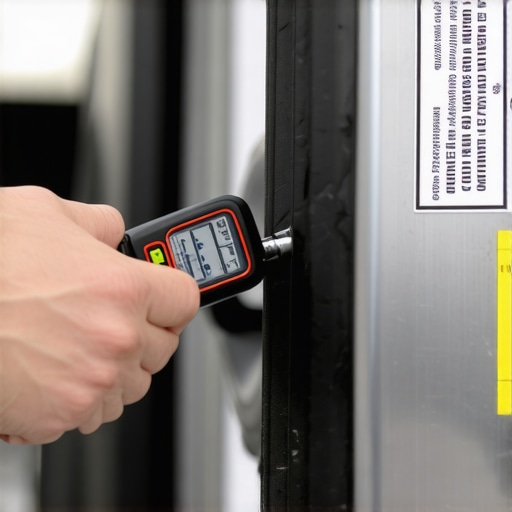
Stop Trusting the Gas Station Air Pump Gauge
Those bulky, coiled hoses at the gas station are abused daily. People drop them, run over them, and leave them out in the rain. Relying on their built-in gauge is like trying to perform brake service with a pair of pliers; you might get lucky, but you’ll probably just make things worse. Buy a high-quality digital or ‘dial’ type gauge and keep it in your glove box. When I started following essential auto repair strategies for frequent drivers, this $15 investment saved me more in tire life than any other tool. Even those cheap pencil-style gauges are prone to sticking if a bit of grit gets inside the slide, so don’t settle for the cheapest option at the checkout counter.
The Three-Step Ritual for Perfect Inflation
First, remove the valve cap and keep it in your pocket—don’t set it on the tire where it can roll into a sewer grate. Firmly press your gauge onto the valve stem. If you hear a hissing sound, you aren’t centered; press harder until the noise stops. Once you have your number, compare it to the door jamb sticker. If you’re low, add air in short bursts. It is much easier to add a little at a time than it is to bleed off an overfill. I usually count to five while the pump is running, then stop and re-check. If you suspect your levels are dropping too fast, you can always learn how to find a slow tire leak using a spray bottle to see if a nail is the culprit.
What Your Tread Is Trying to Say
Don’t just look at the air; look at the rubber. If you see ‘cupping’ or ‘scalloping’ where the tread looks like a series of little ramps, you aren’t just dealing with air issues. This is often the tire wear pattern that reveals a bent control arm or worn-out shocks. Proper pressure can’t fix mechanical failure, but it can certainly highlight it. When I was younger, I thought a vibrating steering wheel was always an unbalanced tire. It wasn’t until I started vehicle diagnostics explained: easy checks before your road trip that I realized my over-inflation was masking a dying wheel bearing. Take a penny and stick it into the tread; if you can see all of Lincoln’s head, you’re at the end of the line anyway.But let’s look past the rubber for a second because tires are just the tip of the iceberg when it comes to maintenance misconceptions. For years, I believed the marketing hype that buying the most expensive synthetic oil gave me a pass to ignore my car for 10,000 miles. It is a classic trap. In my experience, the oil brand is secondary to the quality of the filter. You can pour liquid gold into your crankcase, but if you’re using a bargain-bin filter, those microscopic metal shavings are just going to cycle right back into your bearings. I’ve spent hours studying oil change innovations and technologies that save your engine, and the consensus among real-world technicians is that frequency and filtration beat ‘premium’ marketing every single time. Have you ever fallen into the trap of thinking a more expensive oil meant you could skip a scheduled check? Let me know in the comments.
Why Does My Engine Oil Level Rise Between Changes?
This is a question I get from people who actually bother to check their dipstick regularly. It sounds impossible—how can you get more oil without adding any? This is usually a sign of ‘fuel dilution,’ where unburned gasoline seeps past the piston rings and thins out your lubricant. According to a technical study by SAE International, significant fuel dilution can reduce oil viscosity to dangerous levels, leading to accelerated engine wear even if the level on the stick looks full. If you notice this, you aren’t just seeing more oil; you’re seeing your engine’s lifeblood being compromised. It is a nuance that how advanced vehicle diagnostics prevent costly breakdowns can catch before you suffer a catastrophic failure. 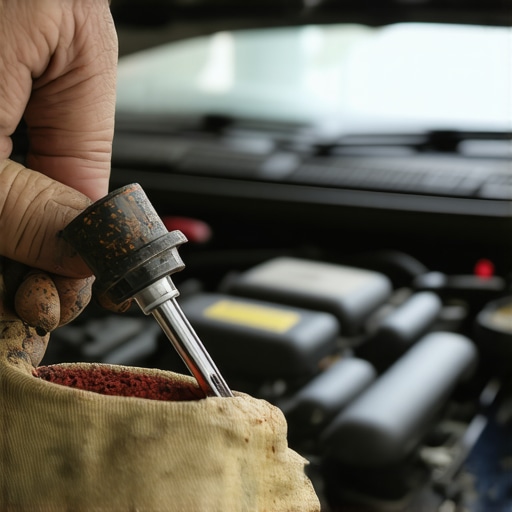 One of the biggest ‘oops’ factors I see in the DIY community is the overlooked crush washer. People think it’s just a piece of metal, but you should never skip the crush washer on your drain plug because it is designed to deform and create a perfect seal exactly once. Reusing it is an invitation for a slow, annoying drip that can eventually lead to a dry pan. Similarly, when it comes to stopping power, most drivers look at pad thickness and stop there. However, you need to check the fluid reservoir too. Knowing the brake fluid color that means you need a flush immediately is just as important as the pads themselves. If the fluid looks like dark maple syrup instead of clear white wine, your boiling point has dropped, and your safety is at risk. Stop settling for ‘good enough’ and start looking at these hidden nuances that actually keep your car on the road for the long haul.I used to rely on my ears and a vague gut feeling to diagnose a rough idle, but that is a losing game with modern ECU-controlled engines. I finally bit the bullet and bought a bi-directional scan tool, and it completely changed my perspective on home maintenance. Unlike a twenty dollar code reader that just gives you a cryptic P-code, a professional-grade tool allows you to command the car to perform specific tests, like cycling the fuel pump or testing individual injectors in real-time. When you start decoding vehicle diagnostics: what your car is trying to tell you, you stop being a part-swapper and start being a technician. It shifted the way I look at how advanced vehicle diagnostics prevent costly breakdowns because I can now see a sensor drifting out of spec before a warning light even hits the dashboard.
Stop Guessing and Start Reading the Data
Making the switch to data-driven maintenance is the single biggest step you can take toward vehicle longevity. In my own garage, having the right data has saved me thousands in unnecessary ‘exploratory’ repairs. I have learned that essential auto repair strategies for frequent drivers always involve a reliable baseline. If you are serious about your car’s future, stop trusting the ‘free’ scans at the local parts store and invest in your own diagnostic hardware. 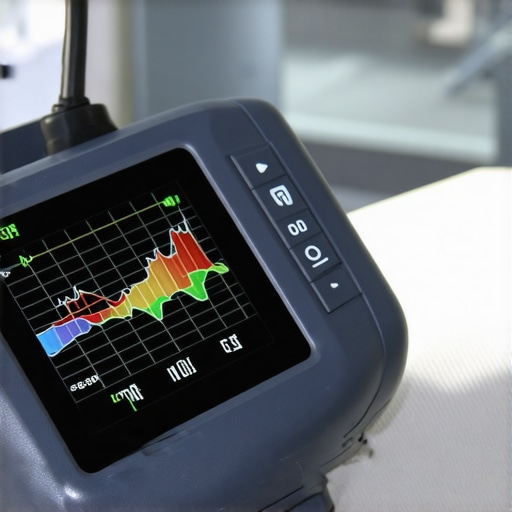
Upgrade Your Gear for Better Results
Beyond the electronics, there are the physical tools that make the difference between a frustrating Saturday and a successful project. I stopped using standard bottle jacks years ago and invested in a low-profile floor jack and heavy-duty stands. This isn’t just about safety; it’s about accessibility. Having the car securely elevated makes it much easier to perform the trick for a perfect brake bleed every single time without struggling for leverage in a cramped wheel well. If you want to keep your hands clean and your driveway spotless, you should also look into auto repair hacks to save money without sacrificing quality, such as using a vacuum extractor for oil changes instead of pulling the drain plug every time.
How can I maintain my vehicle’s health over the long term?
Longevity isn’t about one massive overhaul; it is about a thousand small, consistent observations. I make it a habit to use the cardboard trick to find a tiny oil leak overnight every few months. It is primitive compared to a scanner, but it works. According to the Bosch Automotive Handbook (11th Edition), even a minor deviation in fuel-trim data—often caused by tiny vacuum leaks or aging sensors—can lead to long-term carbon buildup that kills engine efficiency over several years. Looking forward, I predict we will soon see consumer-level AI tools that plug into your port and predict part failure based on minute vibration patterns long before a component actually snaps. For now, the best thing you can do is check your hardware quality. Go out to your garage right now and check how to tell if your oil filter is actually doing its job; you might be shocked by how much a generic, low-quality filter is restricting your engine’s oil flow.
Lessons Learned While My Knuckles Were Still Greasy
Over the years, I have realized that the ‘cheap’ option usually costs triple in the long run. I once tried to save twenty bucks on an oxygen sensor, but using cheap aftermarket sensors in your engine just triggered a cascade of other ‘ghost’ codes that took weeks to clear. Another lightbulb moment was realizing that torque specs are not suggestions; they are engineering requirements. If you over-tighten a lug nut, you aren’t being ‘extra safe,’ you’re stretching the metal toward a breaking point. Finally, I’ve learned that listening to your car is a skill—if a vibration changes when you turn the wheel, it is not a mystery, it is a specific component begging for attention. Maintenance is an investment in freedom, and the more you know, the less you fear the road ahead.
The Gear That Actually Lives in My Trunk
I do not carry a whole shop with me, but a few items are non-negotiable for anyone following essential auto repair strategies for frequent drivers. First is a high-quality, long-hose digital pressure gauge because those ‘pencil’ gauges can vary by 3 PSI just based on how fast you pull them off the valve. Second, I never leave home without a bi-directional scanner to assist in how advanced vehicle diagnostics prevent costly breakdowns. It is the difference between being stranded and knowing exactly which relay to swap. I also keep a laminated copy of my car’s specific fluid capacities and torque specs taped to the inside of my toolbox; memory is a liar, but data is forever. Finally, a simple spray bottle with soapy water remains my favorite low-tech tool for finding leaks. #IMAGE_PLACEHOLDER_E#
Take the Keys to Your Own Confidence
You do not need a degree in mechanical engineering to keep your ride running for 300,000 miles. You just need curiosity and the willingness to get your hands a little dirty. Whether you are debunking brake service myths or just checking your oil filter, you are doing more for your car than 90% of the drivers on the road. The satisfaction of knowing your vehicle is safe because you verified it is a feeling that cannot be bought at a dealership. Your car is an investment in your freedom—protect it with the same care you’d give any other valuable asset. Have you ever been surprised by what you found after doing a simple DIY check? Let me know in the comments below!