

I remember standing in my driveway at 6:00 AM, coffee in hand, staring at a dark, shimmering nickel-sized spot right under my front bumper. My heart sank. Was it the transmission? The steering rack? Or was my engine finally giving up the ghost? I spent the next three hours crawling around with a flashlight, getting grease in my hair, and still had no clue where the leak started. It’s a helpless feeling. You know something is wrong, but the engine bay is such a crowded, oily mess that the source is practically invisible. We’ve all been there, staring at a mystery puddle and fearing the worst for our wallets. Sometimes, the reason your engine oil is disappearing isn’t a catastrophic failure, but a tiny, annoying drip that’s impossible to track while you’re driving. You don’t need a degree in mechanical engineering to solve this; you just need a bit of patience and a flattened box from your last online order.
Stop Guessing Where That Puddle Came From
The problem with modern engines is that they are packed tighter than a suitcase on the way back from vacation. When a leak starts, the oil rarely drops straight down. It hits the frame, slides along a hose, drips onto the plastic splash shield, and eventually hits the ground three feet away from where it actually started. This ‘phantom drip’ is why so many people misdiagnose their own cars. I learned this the hard way years ago. I once spent $200 and a whole Saturday on a new valve cover gasket only to realize the leak was actually a fifty-cent crush washer I skipped during a DIY oil change. Talk about a blow to the ego. If I had just used the cardboard trick, I would have seen the drip pattern immediately. Today, I’m going to save you that headache and show you how to use a basic piece of scrap to map out your car’s internal health. We aren’t just looking for oil; we’re performing simplified vehicle diagnostics to see if that fluid is red, brown, or green. Knowing exactly what is leaking before you even call a shop puts the power back in your hands. It prevents you from getting talked into repairs you don’t need, which is the ultimate auto repair hack to save money.
Is a Piece of Trash Really Better Than a Mechanic?
You might be skeptical. After all, why would a discarded shipping box be more effective than the high-tech sensors used in advanced vehicle diagnostics? The answer is gravity and stillness. While a mechanic might charge you a diagnostic fee just to put the car on a lift, the cardboard trick works while you sleep. It captures the ‘crime scene’ evidence without the oil blowing around in the wind as you drive. By placing a clean surface under the car, you see the exact vertical drop point. According to the Car Care Council, unaddressed leaks are one of the leading causes of premature engine component failure, so catching them early is non-negotiable. Have you ever found a mysterious spot on your driveway and spent the whole day worrying about your bank account? I want to hear your stories—did you find the source or are you still searching? This method isn’t just a ‘hack’; it’s a way to take control of your car’s maintenance before a small drip turns into a major disaster. In the next section, I’ll walk you through the setup and, more importantly, how to ‘read’ the stains like a pro.
Prepare Your Driveway Diagnostic Lab
To start, you need a large, clean piece of cardboard—the kind that comes from a refrigerator box or a bulk delivery is perfect. If you use a small piece, you’ll miss the ‘splatter’ that occurs when oil hits the ground. Think of this cardboard as a giant sheet of litmus paper for your car. Before you slide it under, give the underside of your car a quick wipe with a rag. You don’t need it spotless, but clearing away the thickest gunk helps the fresh leak travel straight down rather than soaking into old grime. I remember doing this on my old sedan after I noticed a strange smell. I laid out a fresh white moving box and waited. By morning, the ‘map’ showed three distinct spots. One was directly under the oil pan, and another was further back near the transmission. Without that board, I would have just assumed it was one big mess. This simple step is one of those auto repair hacks to save money because it narrows down the search area for your mechanic, potentially saving you an hour of labor costs just for ‘discovery.’
Map the Drip to the Source
Position the cardboard so it covers the entire area from the front bumper to the back of the transmission. To make sure it doesn’t blow away, I usually weight the corners down with a couple of bricks. Leave the car sitting overnight. The ‘stillness’ is your best friend here. While oil change innovations and technologies have made modern engines more resilient, gravity remains the same. When you pull the board out in the morning, don’t just look at the spots—look at the vertical alignment. If a spot is directly under the passenger side front, you might be looking at a water pump or a serpentine belt area leak. If it’s dead center, it’s likely the oil pan or the front main seal. This is the heart of simplified vehicle diagnostics that anyone can do without a scanner.
Decode the Color of the Crime Scene
This is where you become a detective. Not every fluid is oil, and the color tells the story of which system is failing. If the spot is dark brown or black and feels slippery, that is definitely engine oil. However, if you see a bright red or pink puddle, your transmission is likely the culprit. One of the most critical things to watch for is a clear or slightly yellow fluid that feels remarkably slick—almost like soap. That is brake fluid. If you see that, stop driving immediately. You should consult the ultimate guide to brake service to understand the risks of a hydraulic leak. If the fluid is bright green, orange, or blue and has a sweet smell, that’s your coolant. I once found a blue puddle and realized my ‘engine’ leak was actually just a loose hose clamp on the radiator. Knowing the brake fluid color that means you need a flush or a repair helps you communicate effectively with a shop. By decoding vehicle diagnostics through these simple stains, you’re not just guessing; you’re looking at hard evidence.
Why a Clean Driveway Might Be Lying to You
Most DIYers think that if the cardboard remains dry after a night in the driveway, their engine is in the clear. I used to believe that too, until I realized that a lack of puddles doesn’t mean your engine isn’t losing lifeblood. The Society of Automotive Engineers (SAE) has extensively documented ‘internal consumption,’ where oil bypasses the piston rings and burns in the combustion chamber. You won’t see a drop on the ground, but your dipstick will tell a different story. This is the real reason your engine oil is disappearing without a single visible drip. If you’re only checking the pavement, you’re missing half the diagnostic picture.
Why is My Oil Level Rising Between Changes?
This is a question I get from more advanced garage hobbyists, and it sounds like a miracle—free oil! In reality, it’s a mechanical nightmare. If you notice the level on your dipstick actually increasing, it usually means fuel or coolant is contaminating the oil. This dilution destroys the oil’s ability to lubricate. It’s one of the strangest things people see when decoding vehicle diagnostics at home. Usually, it points to a failing fuel injector or a head gasket leak. Have you ever pulled your dipstick only to find more fluid than you started with? Let me know in the comments, because that’s a trap that can kill an engine in miles.
The ‘Tight is Right’ Trap
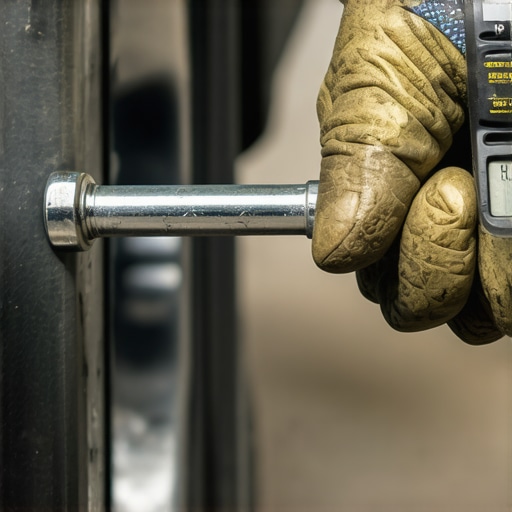
The most common mistake I see among people who start doing their own maintenance is over-tightening. There is a psychological urge to crank down on a drain plug or an oil filter to ‘make sure it doesn’t leak.’ Ironically, this is exactly how you cause low oil pressure lights and ruined threads. Modern engines use aluminum components that are incredibly easy to strip. If you aren’t using a torque wrench, you’re guessing, and in the world of essential auto repair strategies, guessing is expensive. I’ve seen people crack oil pans because they didn’t realize they were applying three times the required force.
Don’t Fall for the Lifetime Fluid Myth
Another area where manufacturers lead us astray is the idea of ‘lifetime’ transmission or differential fluids. From a marketing perspective, it makes the car seem low-maintenance. From a mechanical perspective, it’s nonsense. Fluid breaks down due to heat and shear. If you want your vehicle to last 200,000 miles, you need to ignore that ‘lifetime’ label and stick to a real service schedule. This is one of the biggest brake service myths and general maintenance lies that ultimately lead to premature failure. Even the best synthetic oils have limits; falling for the synthetic oil myth that you can go 20,000 miles between changes is a gamble with your camshafts. Stick to the science, not the brochure, and your wallet will thank you later.
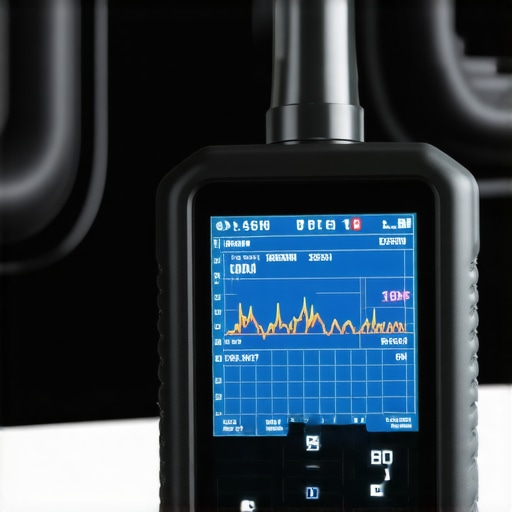
I’ve seen too many people trust their gut when they should be trusting their data. If the cardboard trick is your ‘eyes’ on the ground, then a quality OBDII scanner is your ‘brain’ inside the engine. I personally keep an Autel scanner in my glovebox because it doesn’t just clear codes; it shows me live data streams. This is the difference between blindly swapping parts and actually decoding vehicle diagnostics to see if a sensor is lazy or completely dead. Using a scanner is one of those auto repair hacks to save money because it prevents the ‘parts cannon’ approach—where you fire expensive components at a problem hoping one sticks.
Stop Fearing the Check Engine Light
Modern cars are essentially rolling computers, and the future is only going to get more digital. We are moving toward a world where ‘predictive maintenance’ will be the standard. Imagine your car sending a notification to your phone that your fuel pump is 48 hours away from a total failure before you even notice a sputter. Until then, you need to be proactive. According to the Auto Care Association, consistent preventative maintenance can save drivers an average of $1,200 per year in emergency repairs. That is a massive return on investment for simply paying attention. If you’re worried about power loss, you can even perform the simple test for a blown head gasket or the simple test to see if your alternator is killing your battery with just a basic multimeter. Tools like these give you a level of certainty that no ‘gut feeling’ ever will.
How do I maintain my car’s peak performance for the long haul?
The secret isn’t just oil changes; it’s about the synergy of every system. To hit that 200,000-mile mark, you need to be looking at the parts most people ignore. This means doing a full perfect brake bleed every two years to prevent internal corrosion in your ABS module. It means checking your cooling system’s health so you don’t end up with a radiator hose failure you cannot see from the top. High-mileage success is a marathon of small, intentional acts. I recommend keeping a digital log of every fluid swap and inspection. When you can see the history of your car, you can predict its future needs.
Why Your Toolbox Needs a Precision Upgrade
If you want to move beyond basic driveway checks, you need a digital torque wrench. Remember the ‘Tight is Right’ trap we talked about? I switched to a digital wrench because the audible ‘beep’ ensures I never over-torque a spark plug or a drain plug. It’s about removing human error from advanced vehicle diagnostics and repair. This level of precision is exactly what separates a ‘car guy’ from someone who just owns a vehicle. If you want to keep your ride on the road, follow these top auto repair tips to extend your vehicle’s lifespan and invest in tools that don’t leave things to chance. My challenge to you this week: Buy a basic OBDII scanner and run a scan on your car, even if the dash is clear. You might be surprised by the ‘pending codes’ hiding in the computer. Taking action now is the ultimate essential auto repair strategy for anyone who relies on their car every day.
Lessons from a Decade of Greasy Knuckles
If there is one thing I have learned from years of chasing phantoms under the hood, it is that the most expensive tool in your garage is a wrong assumption. I once spent a whole weekend replacing a power steering pump because I saw a red drip, only to find out the leak was actually a transmission cooler line rubbing against the frame. Trust the evidence, not your first instinct. The cardboard trick works because it provides a baseline. Another lightbulb moment for me was realizing that the real reason your engine oil is disappearing without a leak is often just high-mileage blow-by that you can’t see on the ground. Also, never underestimate the ‘smell test’—gear oil smells like sulfur, while coolant has that distinct, sickly-sweet aroma. Learning these sensory cues is a shortcut to decoding vehicle diagnostics like a seasoned pro.
What is Actually Inside My Top Drawer
You do not need a five-figure tool chest to keep your car in top shape, but a few specific items are non-negotiable for me. First, a digital torque wrench is the only way to avoid the ‘tight is right’ trap that ruins aluminum oil pans. Second, I always keep a bottle of UV leak detection dye; if the cardboard trick shows a spot but you cannot find the source, this dye glowing under a blacklight will reveal the path instantly. For anything electronic, I rely on my Autel OBDII scanner. It is an essential part of how advanced vehicle diagnostics prevent costly breakdowns by catching sensor failures before they leave you stranded. Finally, I recommend keeping a physical logbook in your glovebox to track every auto repair and fluid change—data is your best defense against service center upselling.
Your Path to Mechanical Independence
Taking ownership of your vehicle’s health changes how you drive. When you stop fearing every new sound or spot on the pavement, the road feels a lot shorter. By using these essential auto repair strategies, you are not just saving money; you are building a relationship with a machine that keeps your life moving. Remember that even the most complex engine is just a collection of simple systems working together. Start small, stay curious, and follow these top auto repair tips to extend your vehicle’s lifespan. Your car will take care of you if you take the time to listen to what it is trying to say through those drips on the cardboard. Have you ever misdiagnosed a leak and replaced the wrong part? Let me know in the comments below!