

I was sitting at a stoplight in heavy peak-hour traffic when I first smelled it—that unmistakable, sickly-sweet scent of vaporized coolant. My heart sank. I’ve spent years under hoods, so I did what any of us would do: I pulled over, popped the latch, and stared at the upper radiator hose. It looked brand new. No cracks, no bulging, not even a hiss. I figured I was just being paranoid until the temp gauge hit the red zone and the dashboard started screaming. That was the day I learned the hard way that the most dangerous leaks are the ones playing hide-and-seek behind your alternator or buried beneath the intake manifold. We often focus so much on top auto repair tips to extend your vehicles lifespan that we forget the components hiding in the shadows. Today, I am going to show you exactly where these stealthy failures happen and how to catch them before you are stranded on the side of the road with a warped cylinder head.
Stop Trusting Your Eyes and Start Trusting the Puddle
A few years ago, I made the amateur mistake of only checking the “easy” spots. I assumed that if the main hoses looked pliable and dry, I was good for another season. I was wrong. Modern engine bays are packed tighter than a suitcase on a three-week vacation, and manufacturers often run bypass hoses or lower radiator lines through areas that are impossible to inspect from above. According to the Car Care Council, cooling system failure is the leading cause of mechanical breakdowns on the highway. It is not always a dramatic burst; sometimes it is a slow weep from a hose rubbed raw by a plastic shroud you can not even see. Relying on how advanced vehicle diagnostics prevent costly breakdowns is smart, but sometimes you just need to get on the ground with a high-lumen flashlight and look up.
Is this just a scare tactic to sell more rubber parts?
I get it—nobody wants to go looking for trouble or spend money on parts that look “fine.” But here is the reality: a forty-dollar hose is significantly cheaper than a four-thousand-dollar engine rebuild. When a hose fails from the bottom or a hidden side, it often drains the block before the sensor even registers a problem because the sensor might be sitting in an air pocket instead of coolant. If you have ever wondered why your radiator fan keeps running after you turn off the car, it might be the computer frantically trying to cool an engine that is already losing its lifeblood through a hidden pinhole. Have you ever walked out to your driveway and seen a mysterious green or orange puddle, but found a completely dry engine bay when you opened the hood? Let me know in the comments; I would love to hear if you have been tricked by these hidden leaks too.
Hunt Down the Invisible with These Pressure Tactics
To get serious about finding these ghosts, you need to simulate the stress of a hot engine without actually burning your hands. This is where a cooling system pressure tester becomes your best friend. Think of it like a blood pressure cuff for your car; it threads onto your radiator or expansion tank and allows you to manually pump air into the system to reach operating pressure. While performing vehicle diagnostics explained easy checks before your road trip, this tool is the MVP. I once chased a leak on an old SUV for three weeks. The owner was losing a quart of coolant every few days, but the garage floor stayed spotless. I finally hooked up a pressure tester, pumped it to 15 PSI, and waited. Within two minutes, a tiny, needle-thin stream started spraying out of a plastic heater control valve hidden behind the engine block. It was hitting the hot exhaust and evaporating instantly. Without that static pressure, I never would have found it. 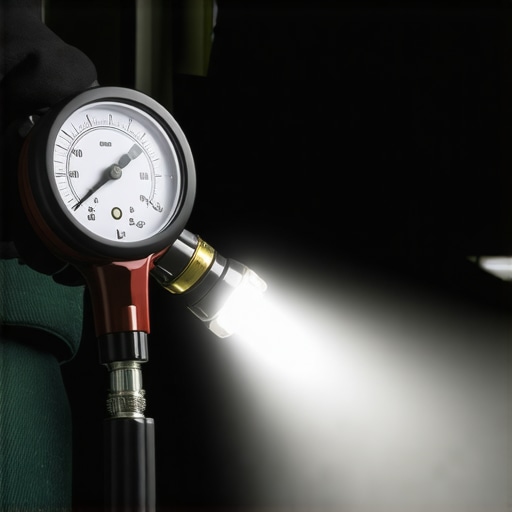
Trace the Path with Glow-in-the-Dark Fluids
If the pressure test holds but your reservoir level is still dropping, it is time to move to UV dye. This is one of the most effective auto repair hacks to save money without sacrificing quality because it removes the guesswork. You pour a small bottle of fluorescent dye into the coolant, drive for a day, and then scan the entire engine bay with a blacklight in the dark. The dye stays behind even after the water evaporates, leaving a neon trail that points straight to the culprit. This is particularly useful for finding leaks in the valley of a V-style engine where coolant might pool and then slowly cook away. If you suspect the leak is internal, you can also use the simple test for a blown head gasket you can do at home to see if the combustion gases are entering your cooling channels.
Look for the Crusty Trails Around the Water Pump
Sometimes the leak is not a spray but a slow, rhythmic weep. Most water pumps have a small “weep hole” designed to let you know when the internal seal is failing. It is a warning shot from the car. Look for white, green, or orange crusty deposits around the pump pulley. If you see this, the bearing is on its way out. You should also check how to tell if your thermostat is stuck open or closed while you are servicing this area, as a stuck thermostat can create localized hot spots that put extra strain on those aging seals.
Check the Cabin if You Smell Syrup
If your windows are fogging up with a greasy film or you smell that maple syrup scent inside the car, your heater core is likely the culprit. This is a mini-radiator buried deep under your dashboard. When it leaks, it often drains into the HVAC box and out through the AC condensate drain, making you think it is just normal water from the air conditioner. If you notice why your cars heater takes forever to warm up in the cold, it might be because the core is air-locked from a slow leak. Never ignore a damp passenger-side floorboard; it is the classic signature of a failing heater core.
Stop Believing the 10,000-Mile Oil Change Myth
We have all seen the marketing: modern synthetic oils that promise 10,000 or even 15,000 miles between services. While oil change innovations and technologies that save your engine are impressive, relying solely on a dashboard light is a dangerous game for the advanced DIYer. The contrarian truth? Your oil life monitor is a mathematical guess based on averages, not a chemist’s analysis of your specific crankcase. According to research by the Society of Automotive Engineers (SAE), oil oxidation rates can double for every 18-degree Fahrenheit increase in operating temperature. If you are towing in the summer or idling in freezing traffic, that oil is degrading long before the computer tells you to pull over. This is especially true when you factor in the mistake of using the wrong oil viscosity in cold weather, which can lead to microscopic metal-on-metal wear during those first critical seconds of startup.
Can Your Engine Oil Level Actually Increase Between Services?
This sounds like a miracle—free oil!—but it is actually a mechanical nightmare. If you pull the dipstick and find the level is higher than when you started, you are likely dealing with fuel dilution or a slow internal coolant leak. This is a common trap for owners of direct-injection engines who take short trips; the fuel does not have time to evaporate out of the oil, thinning the lubrication and eating your bearings from the inside out. Understanding why your engine oil level rises between oil changes is a master-level diagnostic skill that saves engines from catastrophic failure. 
The “oops” factor often happens at the very end of the job. I have seen countless DIYers do everything right, only to face a slow drip because they reused a compressed gasket. You should learn why you should never skip the crush washer on your drain plug; that fifty-cent piece of copper or aluminum is the only thing standing between a sealed pan and a dry oil pump. Have you ever fallen into this trap or ignored a “minor” drip that turned into a major headache? Let me know in the comments.
Forget What You Know About Squeaky Brakes
When it comes to stopping power, most people think a squeak means the pads are gone. While that is often true, the nuance lies in the “phantom” symptoms. A spongy pedal after a long drive is not just about old pads; it is often a sign of moisture-contaminated fluid reaching its boiling point. In the ultimate guide to brake service for safety and performance, we discuss how brake fluid is hygroscopic—it literally sucks water out of the air. This lowers the boiling point and creates air bubbles in your lines exactly when you need the most pressure. We have even seen brake service myths busted regarding what really matters for safety, proving that “lifetime” fluids are a myth designed to keep service costs looking low while your calipers slowly corrode from the inside out. Don’t just look at the thickness of the friction material; look at the health of the entire hydraulic system.
After you’ve mastered the physical signs of wear, the next step in scaling your DIY skills is moving into the electrical realm. If you’re serious about moving from a parts-changer to a true diagnostic technician, you need to master the voltage drop test. I keep a high-impedance multimeter in my glovebox at all times because a battery can show 12.6 volts and still be completely incapable of starting your car if the ground wire is corroded. This is where the $20 tool every driver needs for basic electrical troubleshooting proves its worth. You aren’t just looking for power; you’re looking for the quality of the connection. In the Bosch Automotive Handbook, engineers emphasize that circuit resistance is the silent killer of modern sensors. If you have ever struggled with the ground wire problem that mimics a bad starter motor, you know that a visual check isn’t enough. You need to see how much voltage is actually making it to the component under load. 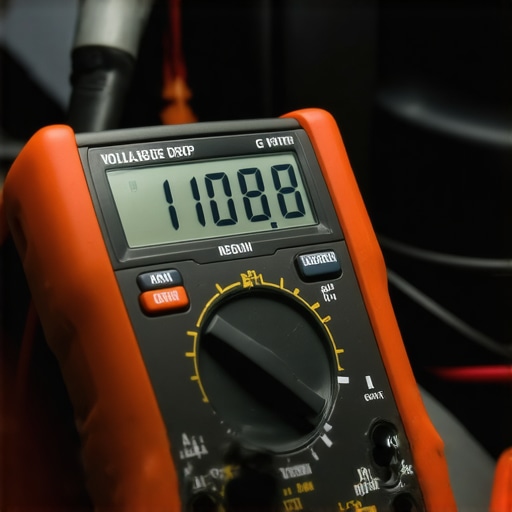
How do I maintain my engine’s health over time?
Long-term reliability isn’t about one big repair; it’s about the cumulative effect of small, data-driven decisions. This means looking beyond the basics and using how advanced vehicle diagnostics prevent costly breakdowns to stay ahead of the curve. For example, learning how to find a parasitic battery drain with a basic multimeter can save your alternator from premature wear caused by constant heavy charging. I also recommend keeping a detailed log of every fluid exchange, including the specific brand and viscosity used. This allows you to spot patterns—like your engine consuming slightly more oil with one brand versus another—long before a warning light ever appears. These essential auto repair strategies for frequent drivers are what separate the high-mileage heroes from the cars that end up in the scrap heap at 100,000 miles.
The Future of the Garage is Already in Your Pocket
We are rapidly moving toward an era of ‘connected maintenance.’ I predict that within the next few years, standard OBD-II ports will be replaced by encrypted telematics that stream real-time data to your phone. While this sounds like it might lock out the DIYer, it actually empowers us to perform decoding vehicle diagnostics and what your car is trying to tell you while sitting in the driver’s seat. Instead of waiting for a breakdown, you’ll get a notification that a specific solenoid is showing increased latency. My advice? Don’t wait for the technology to be forced on you. Invest in a mid-range scan tool with bidirectional controls now. It allows you to command the car to pulse fuel injectors or cycle an ABS pump, making it an indispensable part of your auto repair hacks to save money without sacrificing quality. I want you to try one thing this week: grab a multimeter and perform a simple voltage drop test on your battery terminals. You might be surprised at how much ‘hidden’ resistance is slowing down your starts.
Lessons from the Trenches: What the Dashboard Doesn’t Tell You
The biggest takeaway from years of turning wrenches is that your ears are often better than your eyes. I have found more leaks by listening for the subtle hiss of a pinhole under pressure than by looking for wet spots that evaporate instantly. Never underestimate the power of a clean engine bay; a dirty engine hides problems, while a clean one tells you exactly where your auto repair hacks to save money without sacrificing quality are actually paying off. Most importantly, respect the torque specs. Over-tightening a bolt in an aluminum block is a mistake you only want to make once. Finally, keep a logbook. Recording the exact date and mileage of every oil change allows you to spot consumption trends before they turn into mechanical failures.
The Toolkit That Actually Earns Its Keep
If you want to move beyond being a ‘parts-changer’ and become a true diagnostic technician, your tool selection needs to reflect that. First, skip the generic internet videos for a moment and find a factory service manual or a professional-grade database for your specific vehicle. For electrical gremlins, the $20 tool every driver needs for basic electrical troubleshooting is your most honest friend. I also swear by an infrared thermometer—not for cooking, but for finding cold spots in a radiator that indicate internal clogs. Combined with a mid-range OBD-II scanner for decoding vehicle diagnostics and what your car is trying to tell you, these tools turn guesswork into precision science. #IMAGE_PLACEHOLDER_E#
Build a Car That Lasts a Lifetime
Taking charge of your own maintenance is about more than just saving money; it is about the peace of mind that comes from knowing the exact condition of the machine carrying your family. Whether you are performing a meticulously detailed brake service or chasing down a phantom electrical draw, you are building a level of reliability that no commercial shop can match. Don’t be afraid to dig into the complex systems. Every expert was once a beginner staring at an engine bay they didn’t understand. With patience and the right auto repair mindset, you can keep any vehicle on the road well past its expected expiration date. Have you ever found a ‘ghost’ leak or a hidden mechanical issue that everyone else missed? Let me know your best diagnostic detective story in the comments below!