
I remember the smell of sweet, burnt syrup wafting through my vents on a humid Tuesday morning. It was subtle at first, just a faint sugary scent that made me think of pancakes rather than pistons. I tried to ignore it, telling myself it was just the old truck in front of me or maybe some spilled soda in the cup holder. But then the white fog started drifting out of my tailpipe like a localized weather event. My heart sank. I’d just finished a DIY oil change and felt like a total driveway hero, but this was something my basic socket set couldn’t fix. I made a massive mistake early on by convincing myself it was just a radiator cap mistake and kept driving until the engine literally gasped for breath on the side of the interstate. Today, I want to make sure you don’t repeat my expensive stubbornness. We’re going to walk through a simple, no-tool test you can do right now to see if your head gasket has left the chat. [IMAGE_PLACEHOLDER]
Why That Sweet Tailpipe Smoke is More Than Just Vapor
A blown head gasket is the boogeyman of auto repair. It sounds expensive. It sounds complicated. And honestly? If you catch it too late, it is. But catching it early is the difference between a weekend project and a trip to the junkyard. People often confuse the symptoms with other issues. For instance, you might think your cars heater takes forever to warm up because of a bad thermostat or a clogged heater core. In reality, combustion gases might be pushing your coolant out of the way, creating air pockets that keep the cabin freezing. It’s a frustrating, deceptive problem that mimics minor issues until it becomes a catastrophic one.
Can You Really Diagnose This Without a Shop?
You might be skeptical. After all, professional vehicle diagnostics usually involve chemical block testers that change color or cylinder leak-down gauges that cost a week’s wages. However, your engine is a chatterbox; it provides some very obvious physical clues if you know where to look and what to smell. According to the Car Care Council, nearly 80% of major engine failures are preceded by small, detectable warning signs that owners simply overlook because they lack the confidence to check. You don’t need a degree in mechanical engineering to spot bubbles in a radiator. Have you ever noticed your temperature needle dancing toward the red zone and just turned the heater on full blast to ‘buy time’? Drop a comment below; I need to know I’m not the only one who’s played ‘Coolant Roulette.’
The Moment I Realized I Blew My Budget and My Gasket
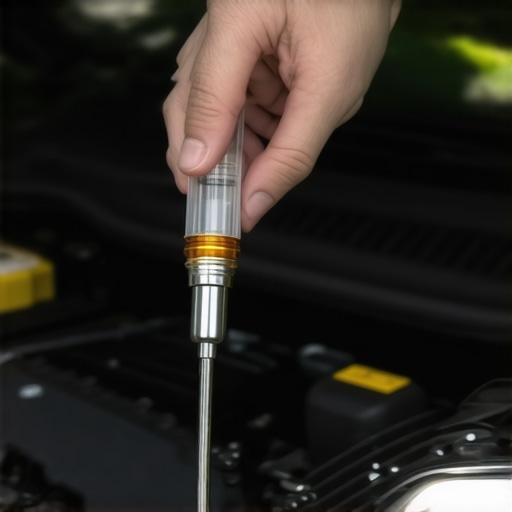
When I finally pulled my head out of the sand, I checked my oil dipstick. It didn’t look like oil. It looked like a thick, creamy chocolate milkshake. That’s the classic ‘forbidden milkshake’ of a failed seal. It happens when coolant and oil mix, and it’s a death sentence for your engine bearings if you don’t act fast. If you’ve seen this, you need to spot a blown head gasket before the engine seizes entirely. My biggest regret wasn’t the repair itself, but the $500 I wasted on a new radiator, hoses, and water pump first because I didn’t want to admit the head gasket was the culprit. Don’t be like younger me, throwing parts at a ghost. Let’s look at the simple bubble test instead.
Get Your Hands Dirty with the Radiator Bubble Test
The most reliable DIY method to confirm your suspicions is the bubble test. Think of your combustion chamber as a high-pressure zone and your cooling system as a low-pressure neighbor. A blown gasket is like a crack in the wall between them. To see this in action, you need to look at your radiator while the engine is running. But wait—safety first. Never yank the cap off a hot engine unless you want a face full of 220-degree fluid. Always start this process when the car has been sitting for at least three hours.
The Proper Way to Prep the Engine
Start with a stone-cold engine. Remove the radiator cap and fill the coolant to the absolute top of the neck. When I first tried this on my old high-mileage sedan, I used a clear plastic funnel taped to the radiator neck to extend the ‘viewing window.’ Now, crank the engine. If the coolant immediately geysers out like a miniature volcano, you’ve got a massive breach. If it stays still, watch for small, persistent bubbles that look like carbonation in a soda. These are combustion gases escaping the cylinder and pushing into your cooling passages. It’s a form of vehicle diagnostics you can perform for the cost of a little extra coolant.
The Glove Trick That Doesn’t Lie
If you want a visual that’s impossible to ignore, find a latex glove or even a sturdy balloon. Secure it tightly over the open radiator neck with a rubber band or zip tie. Start the car and let it idle. If that glove starts waving at you or inflates within seconds, your engine is ‘breathing’ directly into the cooling system. This is a far more definitive answer than wondering how to tell if your thermostat is stuck open or closed. I remember the sinking feeling when my glove inflated so fast it actually popped off the radiator; that was the exact moment I knew my weekend plans were ruined. 
Verify the Damage Before Buying Parts
Sometimes a rough idle in the morning isn’t just a bad spark plug or old wires; it’s coolant leaking into the cylinder overnight. This essentially ‘steam cleans’ your piston while you sleep. When you first start the car, that coolant has to burn off, causing a stumble and that white smoke I mentioned earlier. This is where understanding how advanced vehicle diagnostics prevent costly breakdowns can save your sanity. If you pull your spark plugs and one looks suspiciously cleaner—I’m talking factory-fresh silver—than the others, that’s your ‘steam-cleaned’ cylinder. This isn’t one of those top auto repair tips to extend your vehicles lifespan you can put off until next month.
Don’t Let a Fresh Oil Change Fool You
I’ve seen people get tricked because they just did an oil change and the dipstick looks clean. Don’t be fooled. Check the underside of the oil filler cap instead. If you see a yellowish, mayo-like gunk sticking to the plastic, you’ve got moisture intrusion. It’s a classic sign that the internal seal has failed, even if the ‘milkshake’ hasn’t reached the oil pan in bulk yet. Keeping an eye on these subtle shifts is a cornerstone of essential auto repair strategies for frequent drivers. Catching it here means you might just need a gasket, not a whole new engine block.
Most people think a blown head gasket is a ‘loud’ problem—they expect a smoke screen behind the car or a pan full of latte-colored oil. But here is the nuance: you can have a failed head gasket with perfectly clean-looking oil and zero white smoke. I’ve seen dozens of engines that passed every ‘visual’ test but failed because of an internal breach between cylinders or a ‘compression-only’ leak. This is where decoding vehicle diagnostics becomes an art rather than just reading a screen. If you only look for the ‘forbidden milkshake,’ you’ll miss the subtle signs of a ‘dry’ failure where combustion gases leak into the water jacket, displacing coolant and causing air locks. This leads many drivers to waste money on unnecessary parts when the real culprit is a warped head slowly cooking itself.
Why Is Your Oil Level Rising Between Changes?
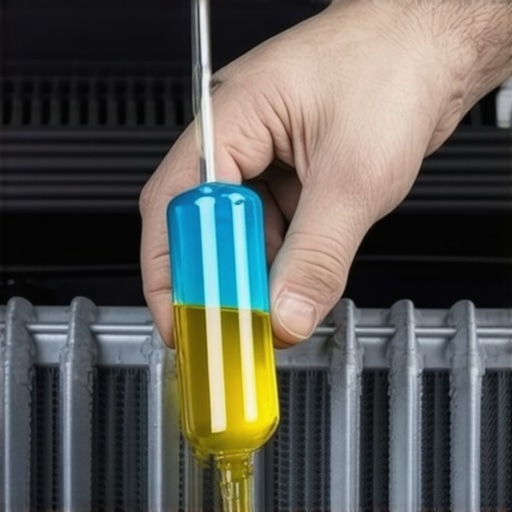
It sounds like a miracle—free oil!—but why your engine oil level rises between oil changes is actually a sign of serious contamination. Fuel or coolant is leaking into the sump. According to ASE (Automotive Service Excellence) master technicians, a common ‘trap’ is assuming a clean dipstick means a healthy engine. You might actually have the hidden sludge building up behind your clean dipstick because the coolant is heavy and sinks to the bottom of the oil pan, while the lighter, fresh oil floats on top. If you don’t drain the oil to check for that initial slug of green or orange fluid, you’re flying blind. Have you ever fallen into this trap of trusting your dipstick too much? Let me know in the comments. 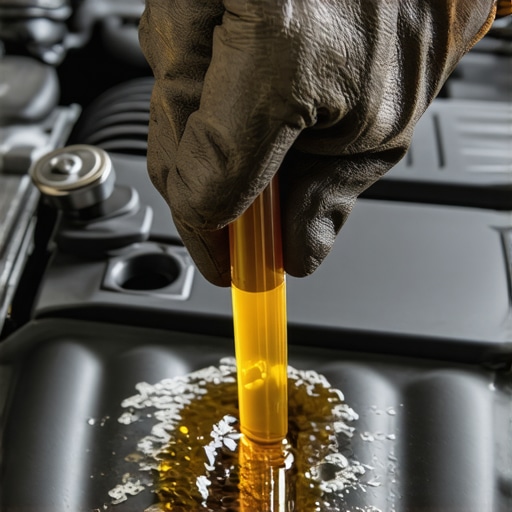 Even how advanced vehicle diagnostics prevent costly breakdowns can miss this if the technician is rushing through a standard inspection. Another expert-level mistake involves the common ‘Block Test’ liquid. While great for many gasoline engines, it often gives false negatives on modern diesels or engines with microscopic leaks that only expand under high operating temperatures. The ‘oops’ factor here is usually the radiator cap. People swap it out thinking it’s a simple pressure issue when high-pressure combustion gases are actually blowing the cap’s relief valve. It’s one of those auto repair hacks save money without sacrificing quality to check the cap, but don’t let a $10 part blind you to a $2,000 internal leak. Just like with brake service myths busted what really matters for safety, the most obvious answer isn’t always the right one. You have to look for nuances like the smell of raw fuel in the expansion tank or the specific way the car idles only after reaching full heat. To keep your vehicle running long-term, you must look past the myths and embrace top auto repair tips to extend your vehicles lifespan that prioritize early, precise detection.If you’re tired of playing guessing games with your cooling system, it’s time to upgrade from the ‘rubber glove’ method to a professional combustion leak detector. I personally swear by the Lisle 75500 Combustion Leak Detector because it provides a zero-fail way to detect CO2 in your cooling system without any ambiguity. You simply draw air from the radiator through a specialized blue chemical fluid; if that fluid turns yellow, there is exhaust gas in your coolant, period. This is how advanced vehicle diagnostics prevent costly breakdowns by giving you a definitive answer before you spend a dime on heavy hardware. I’ve seen DIYers spend hundreds on new sensors and thermostats only to find out their engine block was cracked, a mistake you can avoid for less than fifty bucks.
Precision Wins Where Guesswork Fails
The biggest hurdle in DIY repair isn’t the physical work, but knowing when to stop and what to test. According to SAE International’s J1979 standard, modern OBD-II systems are specifically designed to monitor misfire patterns that could actually be caused by coolant fouling a spark plug. If you’re seeing a persistent P0300 code that won’t go away, don’t just throw new ignition coils at the problem. Use a digital borescope—a tool that has become incredibly affordable lately—to look inside the cylinders yourself. Seeing a ‘steam-cleaned’ piston head through a high-definition camera lens is the ultimate physical confirmation of a leak. This level of detail is a major part of decoding vehicle diagnostics accurately. Looking ahead, I expect we will soon see AI-integrated scanners that analyze acoustic vibration patterns to predict gasket failure before you even see the first bubble.
How do I maintain my engine health over the long haul?
The real secret to longevity isn’t just performing a frequent oil change; it’s managing your cooling system’s chemistry. Over time, coolant becomes acidic, which causes it to eat away at the very gasket meant to seal your engine. I recommend using a refractometer to check your coolant’s concentration rather than the cheap ‘floating ball’ hydrometers. A refractometer uses light to give you an exact reading, ensuring your mix is perfect. Combine this with pH test strips to ensure your fluid hasn’t turned into a corrosive battery. These are essential auto repair strategies for frequent drivers who want to push their vehicles past the 200,000-mile mark. If you do find yourself needing to pull the cylinder head, remember that knowing how to remove a broken bolt without losing your mind is a skill you’ll likely need, as exhaust manifold bolts are notorious for snapping during disassembly. Staying ahead of the curve with top auto repair tips to extend your vehicles lifespan means being proactive about the small stuff, like using the $20 tool every driver needs for basic electrical troubleshooting to ensure your cooling fans are engaging at the exact right temperature. Go grab a pack of pH test strips today and dip them in your radiator; it is the fastest way to see if your coolant is starting to turn into engine-eating acid.I remember the smell of sweet, burnt syrup wafting through my vents on a humid Tuesday morning. It was subtle at first, just a faint sugary scent that made me think of pancakes rather than pistons. I tried to ignore it, telling myself it was just the old truck in front of me or maybe some spilled soda in the cup holder. But then the white fog started drifting out of my tailpipe like a localized weather event. My heart sank. I’d just finished a DIY oil change and felt like a total driveway hero, but this was something my basic socket set couldn’t fix. I made a massive mistake early on by convincing myself it was just a radiator cap mistake and kept driving until the engine literally gasped for breath on the side of the interstate. Today, I want to make sure you don’t repeat my expensive stubbornness. We’re going to walk through a simple, no-tool test you can do right now to see if your head gasket has left the chat. [IMAGE_PLACEHOLDER]
Why That Sweet Tailpipe Smoke is More Than Just Vapor
A blown head gasket is the boogeyman of auto repair. It sounds expensive. It sounds complicated. And honestly? If you catch it too late, it is. But catching it early is the difference between a weekend project and a trip to the junkyard. People often confuse the symptoms with other issues. For instance, you might think your cars heater takes forever to warm up because of a bad thermostat or a clogged heater core. In reality, combustion gases might be pushing your coolant out of the way, creating air pockets that keep the cabin freezing. It’s a frustrating, deceptive problem that mimics minor issues until it becomes a catastrophic one.
Can You Really Diagnose This Without a Shop?
You might be skeptical. After all, professional vehicle diagnostics usually involve chemical block testers that change color or cylinder leak-down gauges that cost a week’s wages. However, your engine is a chatterbox; it provides some very obvious physical clues if you know where to look and what to smell. According to the Car Care Council, nearly 80% of major engine failures are preceded by small, detectable warning signs that owners simply overlook because they lack the confidence to check. You don’t need a degree in mechanical engineering to spot bubbles in a radiator. Have you ever noticed your temperature needle dancing toward the red zone and just turned the heater on full blast to ‘buy time’? Drop a comment below; I need to know I’m not the only one who’s played ‘Coolant Roulette.’
The Moment I Realized I Blew My Budget and My Gasket
When I finally pulled my head out of the sand, I checked my oil dipstick. It didn’t look like oil. It looked like a thick, creamy chocolate milkshake. That’s the classic ‘forbidden milkshake’ of a failed seal. It happens when coolant and oil mix, and it’s a death sentence for your engine bearings if you don’t act fast. If you’ve seen this, you need to spot a blown head gasket before the engine seizes entirely. My biggest regret wasn’t the repair itself, but the $500 I wasted on a new radiator, hoses, and water pump first because I didn’t want to admit the head gasket was the culprit. Don’t be like younger me, throwing parts at a ghost. Let’s look at the simple bubble test instead.
Get Your Hands Dirty with the Radiator Bubble Test
The most reliable DIY method to confirm your suspicions is the bubble test. Think of your combustion chamber as a high-pressure zone and your cooling system as a low-pressure neighbor. A blown gasket is like a crack in the wall between them. To see this in action, you need to look at your radiator while the engine is running. But wait—safety first. Never yank the cap off a hot engine unless you want a face full of 220-degree fluid. Always start this process when the car has been sitting for at least three hours.
The Proper Way to Prep the Engine
Start with a stone-cold engine. Remove the radiator cap and fill the coolant to the absolute top of the neck. When I first tried this on my old high-mileage sedan, I used a clear plastic funnel taped to the radiator neck to extend the ‘viewing window.’ Now, crank the engine. If the coolant immediately geysers out like a miniature volcano, you’ve got a massive breach. If it stays still, watch for small, persistent bubbles that look like carbonation in a soda. These are combustion gases escaping the cylinder and pushing into your cooling passages. It’s a form of vehicle diagnostics you can perform for the cost of a little extra coolant.
The Glove Trick That Doesn’t Lie
If you want a visual that’s impossible to ignore, find a latex glove or even a sturdy balloon. Secure it tightly over the open radiator neck with a rubber band or zip tie. Start the car and let it idle. If that glove starts waving at you or inflates within seconds, your engine is ‘breathing’ directly into the cooling system. This is a far more definitive answer than wondering how to tell if your thermostat is stuck open or closed. I remember the sinking feeling when my glove inflated so fast it actually popped off the radiator; that was the exact moment I knew my weekend plans were ruined.
Verify the Damage Before Buying Parts
Sometimes a rough idle in the morning isn’t just a bad spark plug or old wires; it’s coolant leaking into the cylinder overnight. This essentially ‘steam cleans’ your piston while you sleep. When you first start the car, that coolant has to burn off, causing a stumble and that white smoke I mentioned earlier. This is where understanding how advanced vehicle diagnostics prevent costly breakdowns can save your sanity. If you pull your spark plugs and one looks suspiciously cleaner—I’m talking factory-fresh silver—than the others, that’s your ‘steam-cleaned’ cylinder. This isn’t one of those top auto repair tips to extend your vehicles lifespan you can put off until next month.
Don’t Let a Fresh Oil Change Fool You
I’ve seen people get tricked because they just did an oil change and the dipstick looks clean. Don’t be fooled. Check the underside of the oil filler cap instead. If you see a yellowish, mayo-like gunk sticking to the plastic, you’ve got moisture intrusion. It’s a classic sign that the internal seal has failed, even if the ‘milkshake’ hasn’t reached the oil pan in bulk yet. Keeping an eye on these subtle shifts is a cornerstone of essential auto repair strategies for frequent drivers. Catching it here means you might just need a gasket, not a whole new engine block. Most people think a blown head gasket is a ‘loud’ problem—they expect a smoke screen behind the car or a pan full of latte-colored oil. But here is the nuance: you can have a failed head gasket with perfectly clean-looking oil and zero white smoke. I’ve seen dozens of engines that passed every ‘visual’ test but failed because of an internal breach between cylinders or a ‘compression-only’ leak. This is where decoding vehicle diagnostics becomes an art rather than just reading a screen. If you only look for the ‘forbidden milkshake,’ you’ll miss the subtle signs of a ‘dry’ failure where combustion gases leak into the water jacket, displacing coolant and causing air locks. This leads many drivers to waste money on unnecessary parts when the real culprit is a warped head slowly cooking itself.
Why Is Your Oil Level Rising Between Changes?
It sounds like a miracle—free oil!—but why your engine oil level rises between oil changes is actually a sign of serious contamination. Fuel or coolant is leaking into the sump. According to ASE (Automotive Service Excellence) master technicians, a common ‘trap’ is assuming a clean dipstick means a healthy engine. You might actually have the hidden sludge building up behind your clean dipstick because the coolant is heavy and sinks to the bottom of the oil pan, while the lighter, fresh oil floats on top. If you don’t drain the oil to check for that initial slug of green or orange fluid, you’re flying blind. Have you ever fallen into this trap of trusting your dipstick too much? Let me know in the comments. Even how advanced vehicle diagnostics prevent costly breakdowns can miss this if the technician is rushing through a standard inspection. Another expert-level mistake involves the common ‘Block Test’ liquid. While great for many gasoline engines, it often gives false negatives on modern diesels or engines with microscopic leaks that only expand under high operating temperatures. The ‘oops’ factor here is usually the radiator cap. People swap it out thinking it’s a simple pressure issue when high-pressure combustion gases are actually blowing the cap’s relief valve. It’s one of those auto repair hacks save money without sacrificing quality to check the cap, but don’t let a $10 part blind you to a $2,000 internal leak. Just like with brake service myths busted what really matters for safety, the most obvious answer isn’t always the right one. You have to look for nuances like the smell of raw fuel in the expansion tank or the specific way the car idles only after reaching full heat. To keep your vehicle running long-term, you must look past the myths and embrace top auto repair tips to extend your vehicles lifespan that prioritize early, precise detection.If you’re tired of playing guessing games with your cooling system, it’s time to upgrade from the ‘rubber glove’ method to a professional combustion leak detector. I personally swear by the Lisle 75500 Combustion Leak Detector because it provides a zero-fail way to detect CO2 in your cooling system without any ambiguity. You simply draw air from the radiator through a specialized blue chemical fluid; if that fluid turns yellow, there is exhaust gas in your coolant, period. This is how advanced vehicle diagnostics prevent costly breakdowns by giving you a definitive answer before you spend a dime on heavy hardware. I’ve seen DIYers spend hundreds on new sensors and thermostats only to find out their engine block was cracked, a mistake you can avoid for less than fifty bucks.
Precision Wins Where Guesswork Fails
The biggest hurdle in DIY repair isn’t the physical work, but knowing when to stop and what to test. According to SAE International’s J1979 standard, modern OBD-II systems are specifically designed to monitor misfire patterns that could actually be caused by coolant fouling a spark plug. If you’re seeing a persistent P0300 code that won’t go away, don’t just throw new ignition coils at the problem. Use a digital borescope—a tool that has become incredibly affordable lately—to look inside the cylinders yourself. Seeing a ‘steam-cleaned’ piston head through a high-definition camera lens is the ultimate physical confirmation of a leak. This level of detail is a major part of decoding vehicle diagnostics accurately. Looking ahead, I expect we will soon see AI-integrated scanners that analyze acoustic vibration patterns to predict gasket failure before you even see the first bubble.
How do I maintain my engine health over the long haul?
The real secret to longevity isn’t just performing a frequent oil change; it’s managing your cooling system’s chemistry. Over time, coolant becomes acidic, which causes it to eat away at the very gasket meant to seal your engine. I recommend using a refractometer to check your coolant’s concentration rather than the cheap ‘floating ball’ hydrometers. A refractometer uses light to give you an exact reading, ensuring your mix is perfect. Combine this with pH test strips to ensure your fluid hasn’t turned into a corrosive battery. These are essential auto repair strategies for frequent drivers who want to push their vehicles past the 200,000-mile mark. If you do find yourself needing to pull the cylinder head, remember that knowing how to remove a broken bolt without losing your mind is a skill you’ll likely need, as exhaust manifold bolts are notorious for snapping during disassembly. Staying ahead of the curve with top auto repair tips to extend your vehicles lifespan means being proactive about the small stuff, like using the $20 tool every driver needs for basic electrical troubleshooting to ensure your cooling fans are engaging at the exact right temperature. Go grab a pack of pH test strips today and dip them in your radiator; it is the fastest way to see if your coolant is starting to turn into engine-eating acid.
Lessons Bought With a Fried Engine and an Empty Wallet
Looking back at my first major engine failure, the biggest revelation wasn’t about the parts, but about the ego. I learned that your nose is often faster than your scanner; that sweet, cloying smell of burnt coolant is a warning siren you can’t afford to ignore. I also realized that auto repair hacks save money without sacrificing quality only when they are backed by physics, like the pressure-check in a radiator. Most importantly, I found that a rough idle for the first 30 seconds of a cold start is rarely just a bad spark plug—it’s usually the engine trying to compress fluid it can’t burn. Don’t wait for the temperature needle to peg; if you suspect a leak, treat it as a reality until proven otherwise.
Precision Gear for the Home Mechanic Who Hates Guessing
You don’t need a professional shop to get professional results, but you do need the right data. I personally rely on a few specific resources to keep my fleet running. First, get a high-quality OBD-II scanner that provides live data streaming; it’s essential for decoding vehicle diagnostics when the light is flashing. Second, keep a set of chemical block test fluid on hand; it’s the only way to be 100% sure about combustion gases. Finally, I recommend every driveway warrior carries the $20 tool every driver needs for basic electrical troubleshooting to rule out fan relay failures. These tools turn a guessing game into a scientific process.
Reclaim Your Peace of Mind and Save the Block
Diagnosing your own vehicle can feel intimidating, but remember that every master mechanic started exactly where you are: staring at a radiator and wondering if that bubble is a real problem. By taking thirty minutes to perform these tests today, you are performing the ultimate act of preventative care. Mastering vehicle diagnostics explained easy checks before your road trip ensures you’re never the person stranded on the shoulder with a cloud of white smoke. Go ahead and grab that latex glove or the chemical tester and find out for sure. Applying these top auto repair tips to extend your vehicles lifespan is the difference between a car that lasts 20 years and one that ends up in the scrap heap. Have you ever tried the ‘glove test’ on your radiator, or did you find a blown gasket using a different trick? Let me know in the comments below!