
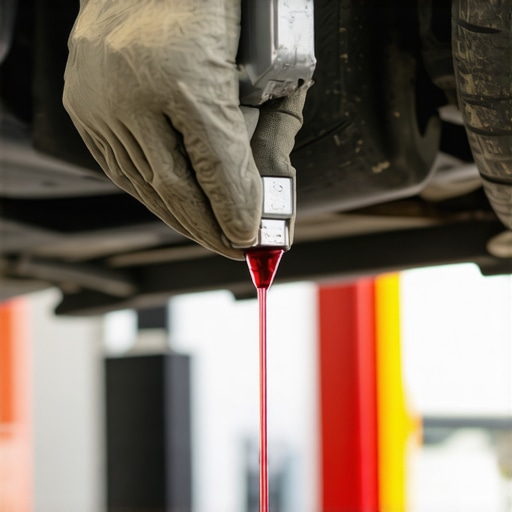
I remember standing in my driveway with a shop rag in one hand and a look of pure confusion on my face. My car had been acting a little jerky—you know, that hesitation when you hit the gas from a stop—and I wanted to do the responsible neighbor thing and check the transmission fluid. I popped the hood, reached toward the back of the engine bay, and… nothing. No yellow handle. No dipstick. Just a whole lot of plastic and a sinking feeling in my stomach. I actually felt a bit stupid, like I was failing a basic ‘being a car owner’ test. If you’ve ever felt that frustration, you’re not alone. It’s one of those moments where you realize the car you bought doesn’t want you messing with its internals, and it’s honestly a little insulting. [image-placeholder]
Where on Earth Did the Dipstick Go?
It turns out, I wasn’t losing my mind. Automakers have been phasing out the traditional dipstick for years, moving toward what they call ‘sealed’ systems. But here is the thing: ‘sealed’ is a marketing term, not a mechanical reality. Fluids still break down, seals still fail, and levels still drop. If you’ve noticed why your transmission shifts hard when the engine is cold, ignoring it just because there is no dipstick is a recipe for a massive repair bill. I’m going to show you the easy way to check transmission fluid without a dipstick so you can keep your car on the road longer.
Is This Just a Scam to Force You Into the Shop?
It certainly feels like it, doesn’t it? By removing the dipstick, manufacturers make it harder for the average DIYer to do a five-minute check. However, they argue it’s to prevent people from overfilling or using the wrong fluid, which can be just as deadly. But let’s be real—it also ensures you have to pay a technician to do a simple task. According to data from AAA, a full transmission replacement is one of the most expensive repairs you can face, often costing upwards of $5,000. This is why staying ahead of the curve with how advanced vehicle diagnostics prevent costly breakdowns is so essential. Early in my DIY journey, I made the mistake of assuming that if I didn’t see a red puddle on my driveway, everything was fine. I ended up burning out a transmission in a car with only 80,000 miles because I didn’t realize the level was low.
Your Car Still Has a Secret Access Point
Most of these modern cars actually have a check plug or an overflow tube located on the side or bottom of the transmission case. It requires getting a bit more ‘hands-on’ than we used to, and it usually involves a bit of decoding what your car is trying to tell you through its performance. Staying on top of this is just as vital as your regular brake service or making sure you have the right oil change innovations keeping your engine cool. Have you ever popped your hood only to realize your car is missing parts you thought were standard? I’d love to hear your story in the comments. We’re going to dive into exactly how you can find that hidden plug and check your levels safely in the next section.
Get the Car Level Before You Even Start
Checking fluid on a ‘sealed’ transmission is like trying to level a picture frame in the dark—if your foundation is off, the result is worthless. You absolutely cannot do this while the front end is up on ramps. If the car is tilted, the fluid will pool at the back or front, giving you a completely false reading. I learned this the hard way with my old crossover. I had it jacked up in the front, pulled the plug, and nothing came out. I panicked and dumped in two extra quarts, only to find out later I had overfilled it so badly that the pressure blew out a seal. Now, I always use four jack stands or a professional lift to ensure the vehicle is perfectly horizontal. This is one of those top auto repair tips to extend your vehicles lifespan that saves you from self-inflicted wounds. While you are under there, it is also a great time for some vehicle diagnostics explained easy checks before your road trip, like looking for wet spots around the pan.
Find the Check Bolt on the Side of the Case
Most modern transmissions have two plugs: a drain plug at the bottom and a ‘check’ or ‘fill’ plug located about halfway up the side of the transmission housing. Think of it like a bathtub overflow drain. If the fluid level is correct, it should be right at the bottom edge of that side hole. If you pull the plug and a tiny trickle comes out, you are perfect. If nothing comes out, you are low. If a gallon splashes onto your face, you were overfilled (or you accidentally pulled the drain plug—ask me how I know). 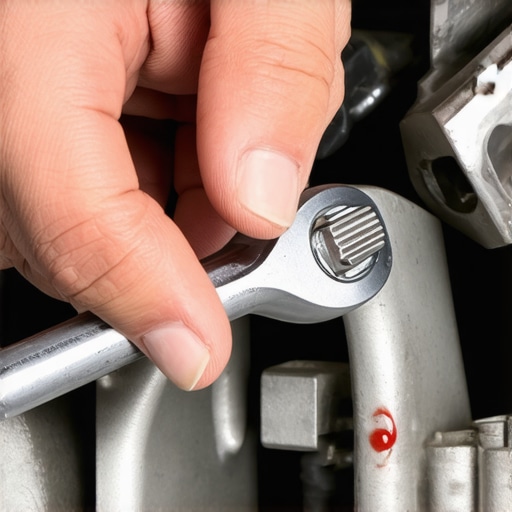
Don’t Forget to Cycle the Gears First
Before you pull that plug for the final check, you need to cycle through the gears. With your foot firmly on the brake, move the shifter from Park to Drive, then Reverse, and through any manual modes. Hold each position for about five seconds. This ensures the fluid is actually circulating through the valve body and torque converter. If you skip this, your reading will be artificially high because the fluid hasn’t ‘filled the veins’ of the system yet. This is part of the essential auto repair strategies for frequent drivers who want to avoid mid-trip breakdowns. I skipped this once because I was in a rush to get to a BBQ, and I ended up under-filling the car, which led to a terrifying shuddering sensation on the highway later that night.
Prepare for a Bit of a Mess
Make sure the engine is running and the transmission is warm when you do the final check. Heat expands the fluid, and most manufacturers calibrate their ‘full’ levels at operating temperature. I once made the mistake of doing this cold on a rainy Tuesday, and the reading was so far off I ended up with shifting issues for a week. Use a 3/8-inch drive ratchet or the specific Allen key your car requires. While you are reaching around the hot exhaust, you might notice other issues, like needing to how to fix a rattling heat shield for the price of a hose clamp.
What the Fluid Color Is Trying to Tell You
Once you get that trickle of fluid, don’t just wipe it away. Look at the color on your rag. Healthy transmission fluid should be a bright, translucent red. If it looks like dark cherry juice, it’s getting old. If it looks like muddy coffee or smells burnt, you aren’t just low on fluid—you are in the middle of a mechanical crisis. This kind of observation is the core of decoding vehicle diagnostics what your car is trying to tell you. Just as you wouldn’t ignore a grinding sound during a brake service, you shouldn’t ignore dark, gritty fluid. It is the lifeblood of your gears, much like how oil change innovations keep your pistons from welding themselves together. If the fluid is black, a simple top-off won’t save you.
The Big Lifetime Fluid Lie
Everyone says that because your transmission is ‘sealed,’ you never have to worry about it again. In my experience, that is the single most dangerous myth in the automotive world today. When a manufacturer says ‘lifetime,’ they are usually referring to the life of the factory warranty—about 100,000 miles—not the 250,000 miles we actually want out of our vehicles. I have seen too many owners ignore their systems only to face a total failure right as the car is finally paid off. If you want to keep your ride forever, you have to look past the marketing. Transmission manufacturers like ZF, who build gearboxes for major brands, actually recommend fluid changes every 50,000 to 70,000 miles regardless of what the car salesman told you. Staying ahead of this is just as vital as knowing brake service myths busted what really matters for safety when you are trying to build a reliable daily driver.
Should You Really Trust a Lifetime Fluid Claim?
The short answer is no. Fluid is a consumable, just like tires or brake pads. Over time, the heat from friction shears the molecules, reducing the fluid’s ability to protect the delicate planetary gears and clutch packs. This is where how advanced vehicle diagnostics prevent costly breakdowns comes into play. By the time your car actually throws a dashboard light for a transmission issue, the internal damage is often already done. You need to be the one checking that side plug and looking for signs of degradation before the computer even realizes there is a problem. [image-placeholder] 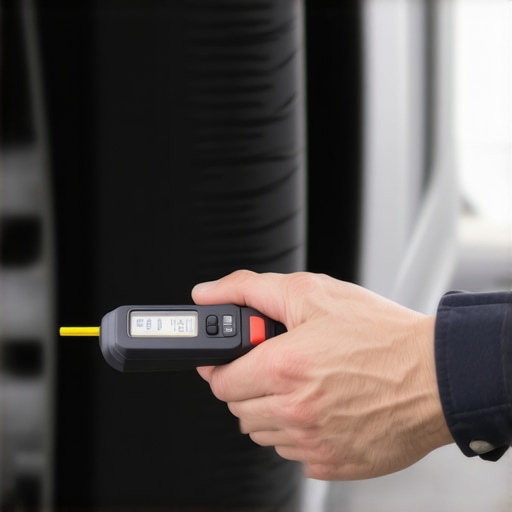
The Specific Fluid Trap
Here is the ‘oops’ factor that ruins more cars than almost anything else: assuming all red fluid is the same. Modern transmissions are incredibly picky about their chemistry. If your car calls for a low-viscosity synthetic like Dexron VI and you dump in an older ‘multi-vehicle’ formula because it was on sale, you are asking for trouble. This isn’t like the old days where a bottle of generic ‘stop leak’ solved your problems. In fact, the truth about oil additives and if they actually save your engine is that most modern systems are designed with such tight tolerances that additives can actually do more harm than good. I once saw a guy try to ‘thicken’ his fluid with an additive to stop a slip, and it ended up clogging the tiny passages in the valve body, turning a $200 service into a $4,000 rebuild.
Precision Matters More Than Luck
Whether you are dealing with a mysterious drop in levels—much like the reason your brake fluid level is low but you see no leaks—or you just finished an oil change and noticed why your engine makes a tapping noise only after an oil change 3, the key is precision. Use a scan tool to verify the exact transmission temperature before you pull that check plug. If you check it at 150 degrees when the manual says 100 degrees, you will be significantly under-filled due to thermal expansion. Have you ever fallen into this trap or followed the ‘lifetime’ advice only to regret it later? Let me know in the comments.
Stop Guessing and Buy a Real Scan Tool
I’ve reached a point where I don’t even open my toolbox without my Bluetooth OBDII adapter in my pocket. If you are serious about how advanced vehicle diagnostics prevent costly breakdowns, you need to realize the ‘dipstick’ is now digital. I personally use the OBDLink MX+ because it actually communicates with the proprietary transmission control modules (TCM) that standard $20 scanners can’t touch. This tool lets me see the live fluid temperature on my phone screen while I’m under the car. Without this, you are just estimating, and in the world of high-tech gearboxes, an estimate is a gamble you will eventually lose. It is the same logic I use when decoding vehicle diagnostics what your car is trying to tell you—data beats intuition every single time.
How can I keep my transmission healthy for 200,000 miles?
The secret isn’t a magic additive; it is a consistent ‘drain and fill’ schedule. I ignore the manufacturer’s ‘lifetime’ fluid suggestion and perform a simple drain every 40,000 miles. This replaces about a third of the fluid without shocking the system like a high-pressure flush might. This is one of those top auto repair tips to extend your vehicles lifespan that I swear by. It is a messy Saturday morning job, but it is cheaper than a new car payment. I have read through Aisin Warner technical service bulletins—the company that actually builds these units for brands like Toyota and Volvo—and they specifically note that fluid degradation is the primary cause of solenoid failure. If the engineers who built the transmission say the fluid wears out, I am going to listen to them over the marketing department. This proactive approach is part of the essential auto repair strategies for frequent drivers who put high mileage on their engines. #IMAGE_PLACE_HOLDER_D#
The Future of Your Garage Is in the Cloud
We are moving toward a world where cars will ‘phone home’ to the dealer the second a shift delay is detected. While that sounds convenient, it is a push to lock us out of our own engine bays. We are already seeing similar trends in oil change innovations where sensors dictate the service interval instead of a simple mileage sticker. I predict that within a decade, even checking a side plug will require a software handshake with a central server. That is why learning these skills now is so vital. You need to understand the mechanical soul of your car before it becomes a locked black box. Whether you are trying to figure out brake service myths busted what really matters for safety or why your gears are hunting, your best weapon is knowledge and a good set of jack stands. My challenge to you: do not wait for a warning light. Get under there this weekend, find that check plug, and see what color your fluid actually is. You might just save yourself five thousand dollars.
Hard Lessons from My Years Under the Chassis
I used to think that ‘sealed’ meant I was off the hook, but that assumption almost cost me a car. One major lightbulb moment for me was realizing that temperature isn’t just a detail—it is the measurement. If you check that fluid when it’s cold, you’re essentially guessing. I also learned that top auto repair tips to extend your vehicles lifespan often involve doing exactly what the manufacturer says you don’t have to do. Don’t let the lack of a yellow handle intimidate you; the hidden check plug is your best friend once you know where it sits. Another thing I realized is that fluid color is a history book of your driving habits—never ignore the story it tells you when you finally see it on a rag.
The Gear That Makes This Job Possible
You don’t need a professional shop, but you do need the right data. I swear by my OBDLink MX+ because it gives me the exact transmission temperature that a dashboard needle won’t show. I also keep a set of heavy-duty Esco jack stands to ensure the car is perfectly level—safety and accuracy are non-negotiable. Finally, I always have a copy of the factory service manual (digitally or physical) because torque specs for that check plug vary wildly and stripping those threads is a nightmare. Following how advanced vehicle diagnostics prevent costly breakdowns starts with having the right interface for your car’s computer.
Don’t Wait for the Shudder to Start
Modern cars are engineering marvels, but they are still mechanical at heart. By taking the time to learn the easy way to check transmission fluid without a dipstick, you are stepping out of the ‘victim’ role and becoming a proactive owner. It’s about more than just gears; it’s about the confidence of knowing exactly what is happening inside your machine. Whether you are focused on the ultimate guide to brake service for safety and performance or keeping your transmission crisp, the power is back in your hands. Have you ever felt misled by a ‘lifetime fluid’ claim or struggled to find a hidden fill plug? Let me know your story in the comments below!