
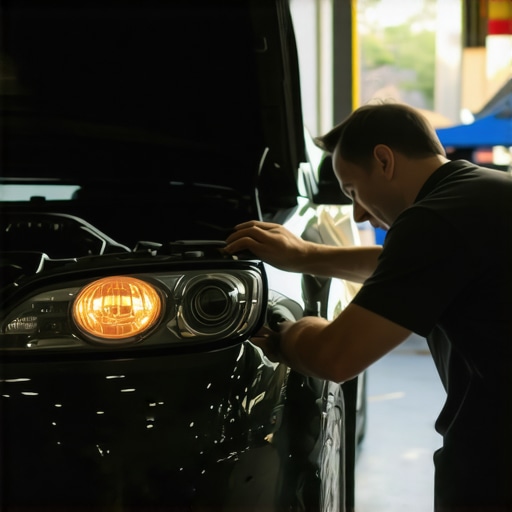
It was late at night, I was tired after a long day, and the check engine light suddenly lit up on my dashboard. I groaned. Again? I had just finished an oil change, thinking I’d nailed the maintenance, only to be haunted by that stubborn light every time I turned the key. I felt that familiar sinking feeling—wondering if I missed something, or worse, if I was about to face a costly repair.
That moment of frustration isn’t unique. Many car owners find themselves caught in a frustrating cycle—thinking they’ve fixed the problem, only for that light to stubbornly refuse to stay off. The truth is, there’s a reason your vehicle’s computer keeps giving you false hope, or worse, leaving you guessing about what’s really going on. And believe me, I’ve made my fair share of mistakes early on—like ignoring warning signs or relying solely on generic diagnosis tools, which only added to my confusion.
The good news? With a little understanding and the right approach, you can finally turn off that persistent check engine light and get to the bottom of what’s really happening under your hood. Today, I’m going to guide you through proven steps to eliminate guesswork and address common issues that cause that stubborn warning to linger.
Why Your Check Engine Light Won’t Stay Off—And Why It Matters
Your car’s check engine light is more than just an annoyance; it’s a vital warning system designed to alert you to underlying problems that could affect your vehicle’s safety, efficiency, and long-term health. Ignoring these signals or attempting quick fixes without understanding the root cause can lead to more serious repairs down the line.
For example, I once thought a simple reset would do the trick after replacing a sensor. But I didn’t realize that the root issue was a small vacuum leak overlooked during my DIY repair. That mistake nearly cost me an expensive engine overhaul—an experience that taught me the importance of proper diagnosis.
Modern vehicles are equipped with complex sensors and computer systems that constantly monitor engine performance. When something’s off, these systems turn on the warning light to prompt diagnostic checks. But sometimes, the light remains after the issue is fixed—either due to residual error codes, faulty sensors, or incomplete resets.
According to a recent study, nearly 30% of vehicle owners encounter persistent check engine lights that refuse to turn off even after repairs. This highlights the importance of understanding not just how to reset the warning, but also how to interpret what it’s telling you.
Are you tired of guessing whether your vehicle’s warning lights are indicating a serious problem or just a false alarm? Do you wonder if there’s a way to reliably reset these indicators without unnecessary visits to the mechanic? If so, you’re not alone—and the good news is, solutions exist that can save you time and money.
In the following sections, I’ll walk you through practical steps to reset your check engine light properly, identify common causes for persistent warnings, and avoid the pitfalls that trap many DIYers and even seasoned mechanics alike. Ready to finally make sense of that flashing amber icon? Let’s dive in.
Start with a Reliable Scanner
My first move was grabbing my OBD-II scanner, knowing that a cheap code reader often gives a false sense of security. I plugged it into the port under my dashboard—think of it as your vehicle’s ‘diagnostic heartbeat.’ If you’re new, choose a scanner that supports your car’s make and model, especially for those newer models that rely heavily on GDI engines, as explained in this GDI intake guide. Once connected, turn on the ignition without starting the engine, and run the scan. This step is crucial because the scanner acts like a stethoscope, helping you listen to what’s wrong beneath the surface.
Erase the Codes Properly
Found some error codes? Don’t just clear them blindly; that’s like silencing a warning bell without fixing what causes it. Use your scanner’s ‘Erase’ or ‘Clear’ function to reset the codes temporarily. This is similar to rebooting a computer—sometimes, that’s enough to turn off the warning light temporarily. But beware: if the underlying issue isn’t resolved, the light will come back. For instance, in my case, after replacing a suspected sensor, I cleared the codes and started the car to see if the light would stay off, but it immediately flickered back—meaning the problem persisted.
Address the Root Issue
Next, interpret the codes. For example, a P0420 might indicate a catalytic converter problem, while a P0171 points to a lean fuel mixture. Before jumping to repairs, verify the problem source. I once replaced a sensor based on a code—only to realize it was a small vacuum leak overlooked during a DIY repair. That mistake nearly sent me down a costly rabbit hole, emphasizing the importance of thorough diagnosis. For persistent issues like this, consider performing tests like fueling system inspections or inspecting for vacuum leaks, which are common culprits for ongoing check engine warnings. You can even refer to detailed troubleshooting guides, such as this sensor fix article to pinpoint recurring errors.
Resetting the Light Correctly
Once you’ve addressed the underlying problem—like fixing a vacuum leak or replacing a faulty sensor—it’s critical to reset the warning indicator properly. If your scanner supports it, use the ‘Reset’ function to clear the error codes definitively—this is like turning off a warning light after fixing the issue. Never just disconnect the battery; that method is outdated and may cause more problems, like losing all your infotainment settings. For example, after fixing my car’s emissions issue, I used my scanner to clear the codes and confirmed the light stayed off during a test drive, preventing future confusion and unnecessary repairs.
Test Drive and Confirm
Finally, take your vehicle for a short drive—listen for unusual sounds, watch for warning lights, and keep an eye on the dashboard. This step is akin to a medical check-up after treatment—it confirms everything is functioning correctly. Be attentive; if the check engine light reappears, recheck the codes and revisit your fix. If you’re unsure, consulting detailed troubleshooting pages, like this GDI clogging guide, can help prevent recurring issues. Remember, patience and thorough diagnosis save time and money in the long run, especially on later-model vehicles with complex systems.Many car owners believe that basic checks and generic fix methods are sufficient for maintaining their vehicle’s health, but in my experience, there are nuanced pitfalls that can turn simple tasks into costly mistakes. For instance, the myth that resetting fault codes without resolving underlying issues is an effective fix persists—but it often leads to recurring problems and confusion, especially in modern vehicles equipped with complex computer systems. Advanced diagnostics reveal that residual error codes may linger due to faulty sensors or incomplete repairs, which can be overlooked if one relies on quick resets. This is why interpreting diagnostic trouble codes accurately is crucial—many mechanics still fall into the trap of replacing parts based solely on code suggestions without verifying root causes, leading to unnecessary expenses and repeated failures. A simple example: clearing a brake warning light after replacing a sensor won’t address underlying hydraulic issues or calibration errors, resulting in the warning returning soon after. Moreover, overconfidence in DIY procedures, like oil changes or brake service, can cause overlooked nuances—such as the importance of using the correct oil type for high-mileage or hybrid engines, which can prevent sludge buildup or premature component wear. For advanced users, understanding how short trips contribute to oil contamination is essential—short-distance driving prevents oil from reaching optimal operating temperatures, causing internal sludge and accelerating engine wear. A study from the Society of Automotive Engineers demonstrates that routine oil changes at manufacturer-recommended intervals, combined with proper oil types, significantly extend engine lifespan, underscoring the importance of nuanced maintenance. So, next time you perform a diagnosis or maintenance task, ask yourself: am I addressing the true cause or just treating symptoms? Have you ever fallen into this trap? Let me know in the comments.Maintaining your vehicle’s health long-term demands more than just basic knowledge; it requires the right tools and consistent practices to ensure everything operates smoothly. As someone who’s navigated the complexities of modern car systems firsthand, I can attest that investing in quality equipment and adopting specific maintenance routines pays dividends in reliability and cost savings.
A top-tier diagnostic scanner is indispensable. My choice is the Ancel HD3600. Unlike generic code readers, this device supports extensive protocol compatibility and offers real-time data streaming, which allows me to interpret error codes more accurately and avoid unnecessary repairs. To keep diagnostics precise over time, regular software updates are a must. I schedule monthly updates through the manufacturer’s platform, ensuring compatibility with the newest vehicle models and features. This troubleshooting guide helped me resolve specific data drop issues, emphasizing the importance of keeping tools current.
On the maintenance front, there’s no substitute for disciplined oil change routines. For 2026 models, I follow the 4000-mile oil change rule to combat turbo sludge and GDI carbon buildup, which are common problems in newer engines. Using the correct synthetic oil—specifically low-zinc formulations—can prevent long-term damage. I also pay close attention to short trips, which I learned can accelerate oil degradation. To combat this, I incorporate additional oil tests during routine checks, as detailed in this intake clogging article.
Tools like the OtterBox OBD-Link MX+ are my go-to for quick, reliable wireless diagnostics. Its Bluetooth connectivity makes it easy to scan on the go, and compatibly with my truck’s advanced systems. I also use specialized cleaning and calibration kits, especially for brake sensors. For example, I regularly reset brake sensors following this precise method to prevent false warnings.
Looking ahead, I predict diagnostics will become more integrated with AI-powered virtual assistants, providing predictive maintenance alerts before faults even surface. Staying ahead means investing in tools that support firmware upgrades and cloud synchronization.
How do I keep my vehicle diagnostics reliable over time? The key lies in combining a solid diagnostic scanner with disciplined maintenance routines—like sticking to scheduled oil changes and sensor calibrations. To enhance your approach, try updating your scanner’s firmware this weekend and see how it improves data accuracy in your next session. Doing so can prevent misdiagnoses and save you money.
Remember, consistent use of the right tools not only simplifies repairs but also extends your vehicle’s lifespan. Don’t wait for problems to worsen—take proactive steps today to keep your car performing at its best.
Lessons From the Garage: My Realizations Beyond the Manual
One of the most eye-opening lessons I learned was that not all error codes are created equal—some are red herrings, while others are clear signs of impending failure. Relying solely on generic tools or quick resets can mask underlying issues, leading to costly repairs down the line. I realized that taking the time to interpret codes accurately and performing thorough diagnostics saves money and heartache, especially with complex systems like GDI engines and hybrid components.
Another insight was that patience beats haste—rushing to clear a warning without addressing root causes often results in recurring alerts. For instance, a misinterpreted sensor fault led me to replace parts unnecessarily until I understood the importance of verifying actual sensor data versus error codes. This taught me to be meticulous: a small vacuum leak or a short trip-induced sludge buildup can mimic more serious faults. Embracing a detail-oriented approach transforms a frustrating experience into an empowering journey.
I also discovered that quality tools make all the difference. A reliable scanner that supports real-time data and firmware updates helps me stay ahead of vehicle quirks, especially as models evolve. Investing in the right equipment, such as the OBD-5 scanner compatibility tips or the latest intake management strategies, proves invaluable in maintaining peak performance.
Tools and Tricks That Transformed My Auto Care Approach
Over time, I curated a set of trusted tools and knowledge sources that elevated my DIY game. My favorite has become the brake-by-wire lag fix guide; its detailed calibration techniques help prevent false warnings without costly dealer visits. Pairing this with a quality wireless scanner, like the recommended diagnostic tool, means I can troubleshoot confidently on the driveway instead of the shop.
In addition, I trust comprehensive literature like the GDI carbon buildup strategies and the brake maintenance insights. These resources deepen my understanding of vehicle intricacies and help me anticipate issues before they escalate, ultimately extending my car’s lifespan.
Ignite Your Confidence: Your Vehicle’s Future Awaits
The road to confident vehicle care doesn’t end here. With every diagnostic test and maintenance routine, you’re building essential skills that promise smoother drives and fewer surprises. Remember, mastering diagnostics is about reading the stories your car tells, understanding its language, and acting wisely. Now is the perfect time to embrace these approaches, invest in the right tools, and keep your vehicle running optimally. Your future self will thank you for the effort you put in today.
What’s your biggest challenge with vehicle diagnostics or maintenance? Let’s discuss your experiences below, and I’ll help you find solutions tailored to your needs!