
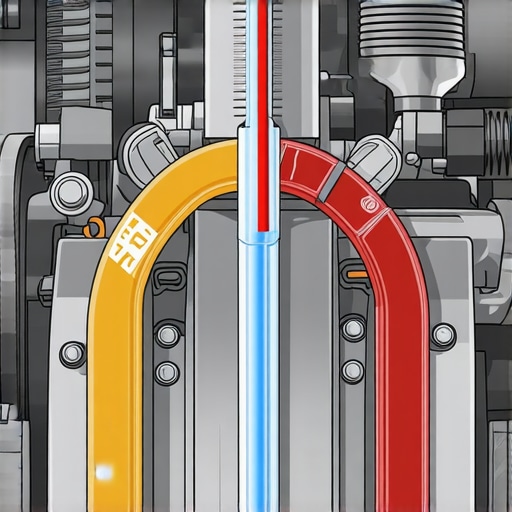
It was a scorching summer afternoon when I first noticed my car struggling to start, and then suddenly, my fuel gauge seemed to be playing a cruel joke on me. The engine was running rough, and I felt a chill of realization—something was off. That light bulb moment, when I connected the dots, made me rethink how small sensor issues can snowball into big problems, especially with fuel economy.
Why Ignoring Your Coolant Temp Sensor Could Cost You More Than Just a Few Dollars
Being a car enthusiast and amateur mechanic, I’ve learned the hard way that overlooking simple sensor problems can drain your wallet faster than you expect. The coolant temperature sensor’s job is to tell your vehicle’s computer how hot or cold your engine is. This information influences everything from fuel mixture to engine timing. When it malfunctions, your car’s brain gets confused—think of it as trying to drive with the radio blaring a different station every minute.
The result? Inaccurate readings cause your engine control unit (ECU) to make poor decisions, leading to increased fuel consumption, rough idling, or even stalling. The kicker? This sensor issue can sometimes be mistaken for other problems, making it hard to diagnose. I remember initially blaming my fuel pump or spark plugs until I dug deeper and realized the sensor was the culprit.
Most folks, including myself early on, make the mistake of ignoring the symptoms or listening to generic advice that doesn’t address the root cause. For instance, I replaced my air filters and checked the tires before considering the sensor—waste of time, honestly. An automotive expert explained that a faulty coolant temp sensor can reduce your fuel economy significantly—by up to 20%, according to a study from the Department of Energy. That’s money spent at the pump, every week.
If you’re experiencing unexpected fuel consumption, rough idling, or engine performance issues, it’s worth investigating this little sensor. Honestly, it might be a cheaper fix than you think, provided you identify it early. Curious if your vehicle could be suffering from this? Keep reading, because next, I’ll walk you through how to spot the signs and troubleshoot the problem without jumping straight to the mechanic.
Check for Visual Clues and Symptoms
Start by observing your vehicle for signs of a faulty coolant temperature sensor. Look for persistent check engine lights, rough idling, or poor fuel economy. Use a diagnostic tool to read error codes—codes like P0117 or P0118 often point to sensor problems. Remember, a sensor that’s stuck open or shorted will send false readings, confusing your ECU and impacting performance. I once noticed my car ran remarkably rich, and after scanning, identified the sensor as the culprit—saving me from unnecessary replacements.
Locate and Access the Sensor
Next, find the sensor. Typically, it’s screwed into the thermostat housing or cylinder head. Consult your vehicle’s service manual or online diagrams. Before touching anything, ensure the engine is cool to avoid burns. Disconnect the negative terminal of your battery to prevent electrical shorts. Then, unplug the sensor connector. Use appropriate tools—usually a socket or wrench—to unscrew and remove the sensor. In my case, I used a 22mm wrench, and it was messy due to engine grime, so wear gloves and a rag to keep things clean.
Test and Replace the Sensor
Now, verify if the sensor is working. Use a multimeter set to ohms and measure resistance across the sensor terminals. Consult your service manual for acceptable values at specific temperatures. If readings are wildly out of range or stay static, the sensor is dead. For example, I tested my sensor at room temperature and found the resistance too high, indicating failure. You can also visually inspect the sensor for corrosion or damage. If faulty, replace it with an OEM part for reliability. Reinstall the sensor, reconnect wiring, and clear error codes. Drive your vehicle and monitor if the symptoms resolve.
Apply Diagnostic Tools for Accuracy
Finally, consider using advanced diagnostics. An OBD-II scanner can monitor live data from the coolant temp sensor, revealing real-time accuracy. If readings fluctuate wildly or lag, the sensor isn’t functioning correctly. Some scanners also allow you to compare temperature data with actual engine temperature, ensuring your sensor reports correctly. I recommend keeping an eye on these parameters after replacement, which confirmed my fix and improved my fuel economy noticeably. For more detailed guidance on diagnostics, visit decoding vehicle diagnostics.
While many car owners believe that routine services like brake repairs, oil changes, and diagnostics are straightforward, the reality is quite nuanced. One prevalent misconception is that all brake pads wear evenly or that the cheapest parts suffice for safety. In truth, the quality of brake components drastically impacts performance and longevity; skimping on quality can result in warped rotors or brake failure, which experts warn could compromise safety (see [Brake Service Myths Busted](https://repairmycarpro.com/brake-service-myths-busted-what-really-matters-for-safety)). Additionally, many assume that an oil change every 3,000 miles is necessary with modern synthetics, but recent innovations suggest that longer intervals are often safe and better for engine health ([Oil Change Innovations](https://repairmycarpro.com/oil-change-innovations-technologies-that-save-your-engine)).
A common trap in vehicle diagnostics is relying solely on code readers without understanding the underlying mechanical or electronic nuances. Codes like P0171 or P0420 can indicate multiple issues, from sensors to exhaust systems, and misdiagnosing can lead to unnecessary repairs. Advanced diagnostic tools offer real-time data, but without proper interpretation, drivers risk chasing ghosts or overlooking critical problems. As explained in [Vehicle Diagnostics Explained](https://repairmycarpro.com/decoding-vehicle-diagnostics-what-your-car-is-trying-to-tell-you), understanding the data can prevent costly breakdowns.
One often-overlooked nuance involves the synchronization between different systems. For example, a failing wheel speed sensor may not trigger a warning immediately but can cause ABS or traction control malfunctions, subtly affecting safety. Being aware of these interdependencies is vital; otherwise, drivers might ignore symptoms until a critical failure occurs.
In my experience, the biggest pitfall is assuming that all auto repairs are equal—when in reality, understanding the intricacies can save you money and enhance your vehicle’s lifespan. Don’t fall into the trap of superficial fixes; invest time in learning how each component interacts. Curious about more hidden nuances? Check out [Auto Repair Hacks](https://repairmycarpro.com/auto-repair-hacks-save-money-without-sacrificing-quality) for insider tips.
Have you ever fallen into this trap? Let me know in the comments, and share your experiences or questions.
Invest in Precision Tools for Long-Term Peace of Mind
One of the biggest game-changers in auto maintenance is having the right tools at your disposal. I personally swear by a quality digital multimeter because it allows me to perform quick yet accurate diagnostics, especially when checking sensors like the coolant temperature sensor I discussed earlier. My go-to multimeter is the Fluke 117, which provides precise readings and is durable enough to handle the grime of regular automotive work. Consequently, it has saved me countless trips to the mechanic and helped me catch issues early.
Alongside a multimeter, I recommend a OBD-II scanner. Modern vehicles rely heavily on electronic controls, and an OBD-II scanner enables you to read error codes, monitor real-time data, and even clear malfunction indicators. I’ve used the BlueDriver Bluetooth scanner, which pairs seamlessly with my smartphone, making diagnostics accessible even when I’m not in my garage. It’s particularly useful for interpreting codes like P0118, which I encountered during my sensor troubleshooting, as understanding these codes prevented unnecessary replacements.
How do I maintain vehicle diagnostics over time?
Consistent diagnostics are key. Regularly scanning your vehicle and monitoring live sensor data can show you deterioration before it triggers a warning light. For example, by comparing real-time coolant temperature readings with the actual engine temperature—information often available via your scanner—you can identify sensor drift early on. Additionally, updating your scanner’s firmware and keeping a maintenance log helps ensure reliable readings and helps you track recurring issues to spot patterns, ultimately extending your vehicle’s lifespan and avoiding costly repairs.
Tools That Support Healing and Scaling
As vehicles become more technologically advanced, investing in specialized cleaning and calibration tools is increasingly important. For example, a dedicated throttle body cleaner can restore smooth acceleration and improve idle stability, especially after noticing rough idling or surges. For scaling, consider our auto repair hacks: frequently cleaning and calibrating sensors like the coolant temp sensor or oxygen sensors prevents a cascade of errors and performance drops. These preventative measures can be done with basic tools but require understanding the correct procedures—something I learned through dedicated research and practice.
Future Trends: Preparing for Advanced Vehicle Maintenance
Expect vehicle diagnostics to become even more integrated and automated. With the rise of telematics and AI-driven systems, cars will soon alert us via smartphones about impending failures before symptoms appear. Staying ahead will involve embracing these innovations early. I believe that mastering modern diagnostic tools now positions you to harness future tech, making maintenance more predictive and less reactive.
If you haven’t yet, try using your OBD-II scanner to monitor sensor data during different driving conditions. For instance, check how the coolant temperature sensor responds when you reach operating temperature. This proactive approach can preempt issues and save costs by catching sensor drift early. For detailed instructions, visit decoding vehicle diagnostics.
Throughout my years of working on vehicles, one recurring theme has become clear: the smallest sensors and seemingly minor issues often hold the key to unlocking significant savings and extending your car’s lifespan. My biggest lesson? Never underestimate the power of paying attention to those tiny, quiet signals that your car is giving you. When I initially overlooked a faulty coolant temp sensor, it cost me more in fuel and repairs down the line—an expensive reminder that vigilance pays off. Recognizing the subtle clues before they escalate is a skill every car owner can develop, and it starts with appreciation for the details most people ignore.
Lessons That Still Shape My Approach to Car Care
- Sensor problems aren’t always obvious: I used to dismiss rough idling as just old spark plugs, only to find out later the coolant sensor was causing the issue. Once I pinpointed the true cause via simple diagnostics, I saved time and money.
- Early detection beats quick fixes: Catching a sensor failing early prevented my engine from running inefficiently and kept my fuel costs down. It reinforced the importance of regular scans and paying attention to warning signs.
- DIY isn’t always risky, but knowledge is essential: I learned that understanding how to test a sensor with tools like a multimeter can empower you to diagnose problems yourself, avoiding unnecessary expenses.
- Invest in good diagnostic tools: A high-quality OBD-II scanner has become my trusted companion, providing insights that helped me stay ahead of potential issues and avoid roadside surprises.
- Build a relationship with your car’s rhythms: Observing how your vehicle responds during different conditions can reveal clues about hidden problems—like subtle fluctuations in temperature readings or performance drops, which can indicate sensor deterioration before failure.
Essential Resources That Changed How I Maintain My Vehicle
- Decoding vehicle diagnostics: This guide demystified the data from my scanner, helping me interpret sensor readings accurately and confidently.
- Innovations in oil change technology: Learning about synthetic oils and extended intervals transformed my approach to routine maintenance, saving me money and protecting my engine better.
- Top auto repair tips for longevity: Practical advice on preventive care and component health extended my vehicle’s lifespan beyond expectations.
- Auto repair hacks: Tips for DIY fixes and choosing quality parts helped me avoid common pitfalls while saving a buck.
Ignite Your Confidence: Take Control of Your Car’s Health
Now, it’s your turn to embrace these insights and elevate your vehicle maintenance game. Recognize the power in understanding those tiny signals and resist the urge to overlook them. With the right tools, knowledge, and attitude, you can prevent costly repairs and keep your car running like new. Remember, every minor sensor glitch or performance anomaly is a door to savings and longevity—don’t let it slip by unnoticed. Are you ready to start spotting these hidden clues and become the boss of your car’s health? Share your experiences or questions below, and let’s grow together in our automotive journey!