
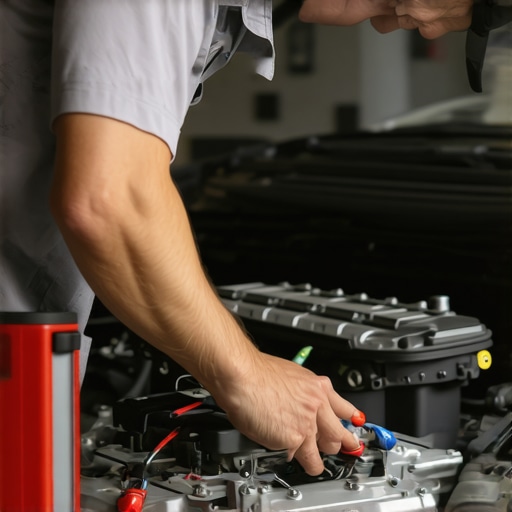
Ever been halfway through an oil change when you notice a sweet, sickly smell lingering in the air? Or maybe your car started to overheat unexpectedly, and you felt that sinking feeling in your gut—hope it’s not the dreaded blown head gasket. I’ve been there, and let me tell you, the fear of a costly engine teardown can make even the most seasoned DIYer hesitate. But here’s the honest truth: you don’t necessarily have to dive into a full engine overhaul to diagnose this sneaky issue.
The Lightbulb Moment That Changed My Approach
One day, after a particularly stressful drive, my car was acting up—gurgling sounds, overheating, and a white smoke trail I’d rather forget. I was ready to dismantle the engine myself, chasing after symptoms I didn’t fully understand. That’s when I realized something massive: I could diagnose a blown head gasket *without* tearing into the engine. And soon enough, I learned some simple tricks that helped me confirm my suspicions from the comfort of my driveway.
Understanding how to check for a blown head gasket early can save you hundreds, maybe thousands, and prevent that dreaded breakdown on the highway. Today, I’ll walk you through proven methods that leverage what you already have—your senses, some basic tools, and a bit of patience. No expensive scans or fancy equipment required.
Is Checking for a Blown Head Gasket Worth the Hype?
At first, I was skeptical myself. It’s easy to fall into the trap of thinking, “If it looks bad, I need a shop.” I made that mistake early on—trust me, I’ve learned the hard way—believing that diagnosing such issues without taking the engine apart was impossible. But real-world experience has proven otherwise. Modern diagnostic techniques are more accessible than ever, and with the right knowledge, you can catch problems early before they turn into costly repairs. Want to learn how? Keep reading, and I’ll share the practical methods I’ve used successfully—methods that don’t require you to be a mechanic, just a curious and determined car owner.
Inspect the Coolant and Oil Levels
Start by checking your coolant and oil dipsticks. A blown head gasket often causes coolant to mix with oil, leading to an unexpected milky residue in the oil or low coolant levels despite recent top-offs. This simple visual check can reveal early signs of head gasket failure, saving you from costly diagnostic procedures.
Perform a Compression Test
Next, use a compression tester to assess cylinder health. Remove the spark plugs, disable the fuel system to prevent firing, and attach the tester to each cylinder. Crank the engine and record the pressure readings. Significant disparities between cylinders or abnormally low compression suggest leakage caused by a blown head gasket. I once performed this test on my driveway, and uneven readings confirmed my suspicion before any teardown—saving hours of labor.
How to Conduct a Compression Test
Ensure the engine is warm, then disable the fuel pump and ignition. Remove all spark plugs, screw in the compression tester into the first cylinder, and have a helper turn the engine over while you observe the gauge. Repeat for each cylinder, and compare the results to the manufacturer’s specifications. Variations indicate possible gasket failure or valve issues.
Check for Combustion Gases in the Coolant
Use a chemical test kit to detect exhaust gases in your radiator fluid. This involves drawing a small sample of coolant and adding a test fluid that changes color if combustion gases are present. If the test turns positive, it’s a clear sign that combustion is leaking into your coolant system—a hallmark of a blown head gasket. This method proved invaluable during my diagnostic process, providing definitive evidence without opening the engine.
Conduct a Leak-Down Test for Precise Diagnosis
A more advanced but highly effective technique is the leak-down test. It measures the amount of air escaping from a cylinder when pressurized. Attach a leak-down tester to the cylinder, apply compressed air, and listen for escaping air around the cylinder head or radiator cap. Hissing sounds or bubbles indicate leakage through the gasket. I recommend having a trusted mechanic or a well-equipped garage handle this, but for enthusiasts, it’s accessible with the right tools.
Why Gas Escape Often Mimics Other Issues
Sometimes, a leak-down test reveals issues similar to valve problems or cracked heads. Nonetheless, combined with other signs—like milky oil or coolant loss—it builds a compelling case for a gasket problem. Always correlate multiple diagnostic steps to avoid false positives.
Leverage Modern Vehicle Diagnostics
If your car contains OBD-II sensors, some models provide live data or stored codes that can hint at combustion chamber problems. Some advanced scanners can detect misfires or abnormal temperature readings suggestive of a gasket breach. While not always definitive, coupling this data with physical tests enhances accuracy. I recently used a diagnostic app linked to my vehicle’s onboard system, which flagged irregular coolant temperatures aligning with my manual findings.
Document and Confirm Your Findings
Keep detailed notes of readings and observations. If multiple tests point to a blown head gasket, consider consulting professionals for confirmation. Remember, a comprehensive approach—combining visual inspections, pressure tests, chemical analysis, and diagnostic data—is key to accurate diagnosis. Every step I took in my own experience built confidence and prevented unnecessary repairs, proving methodical diagnosis is worth the effort.
Dispelling the Myth of One-Size-Fits-All Maintenance
Many believe that following manufacturer recommendations blindly ensures optimal vehicle health, but that’s a misconception. For example, some drivers stick strictly to the 3,000-mile oil change rule, yet modern synthetic oils last much longer—up to 7,500 or even 10,000 miles—if the driving conditions are normal. Overchanging oil unnecessarily can waste money and cause environmental harm, as explained in my article on synthetic oil intervals. Similarly, a common falsehood is that brake pads need replacement only when they squeal; in reality, they can develop uneven wear or glazing that diminishes braking performance without any noise, which requires more nuanced diagnosis.
The ‘Oops’ Factor: Missing Critical Warning Signs
A trap many fall into is neglecting early warning signs, thinking they’re innocuous or temporary. For instance, a soft brake pedal might seem minor but could indicate a hidden master cylinder issue or air in the brake lines. Ignoring subtle changes, like a slight vibration during acceleration, often leads to costly repairs later on. Always inspect brake systems thoroughly—sometimes a simple rotors resurfacing suffices, saving you a fortune. Being vigilant is the key to proactive maintenance rather than reactive fixes.
Why Vehicle Diagnostics Can Be Tricky and How to Read Between the Lines
Many owners rely solely on check engine lights without understanding the deeper diagnostics involved. Modern vehicles are equipped with complex sensors that relay a vast array of data, but interpreting this data isn’t straightforward. For example, a stored code like P0171 indicates a lean fuel mixture but doesn’t specify whether the cause is a vacuum leak, faulty fuel injectors, or a clogged air filter. Expert insight, such as that found at decoding vehicle diagnostics, reveals that combining code data with physical inspection yields better results. It’s tempting to think a scan tool provides all answers, but a nuanced understanding allows for precise repairs, preventing unnecessary parts replacement.
Have you ever fallen into this trap? Let me know in the comments. Understanding these hidden nuances can really extend your vehicle’s lifespan and save money. Remember, what seems minor now might be a major issue later—staying informed is your best strategy when it comes to car care.
Investing in Reliable Tools to Ensure Longevity
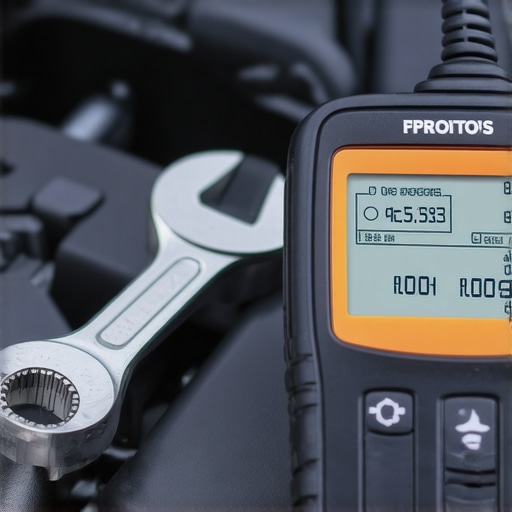
Having the right equipment on hand can make all the difference in maintaining your vehicle efficiently. For example, I swear by my digitales compression tester—it provides precise readings, making it easier to spot issues like gasket leaks early. Unlike cheaper analog models, my digital tester offers quick, accurate data, which I verify against manufacturer specs available on vehicle diagnostic resources. This investment saves countless hours and potentially costly repairs down the road.
Additionally, a quality OBD-II scanner with live data capabilities is invaluable for ongoing diagnostics. I personally opt for a device that supports Bluetooth connectivity and pairs seamlessly with smartphone apps. This setup allows me to monitor engine parameters, check error codes instantly, and even clear fault codes without visiting a mechanic. As the technology evolves, these tools are becoming more affordable and feature-rich, future-proofing your maintenance routine.
Prioritize Regular Maintenance for Long-Term Rewards
Routine tasks such as fluid checks and filter replacements form the cornerstone of vehicle health. I follow a strict schedule to inspect oil, coolant, transmission fluid, and brake fluid—using a set of high-quality fluid testers I trust. This proactive approach prevents small issues from festering into major failures. For instance, replacing your oil filter every 5,000 miles—especially if you commute in stop-and-go traffic—can prevent premature wear and engine damage. Check out this article for innovative tips on extending oil change intervals without risking engine health.
Document Your Maintenance Efforts
Keeping a detailed log of repairs, part replacements, and diagnostic results helps spot patterns over time. I use a dedicated app that stores all my vehicle service history, alerting me when upcoming maintenance is due, such as timing belt replacements or tire rotations. This habit not only prolongs your vehicle’s lifespan but also improves resale value. For comprehensive strategies on maintaining your car, these tips are a goldmine.
Embrace Technology for Smarter Repairs
Emerging diagnostic software and mobile apps are transforming how we approach auto maintenance. For example, some apps analyze engine vibration patterns or irregular sounds—a step beyond traditional visual inspections. These tools harness pattern recognition algorithms, essentially giving you a virtual mechanic at your fingertips. As this resource explains, early detection through advanced diagnostics can prevent breakdowns and expensive repairs. I highly recommend trying out one of these apps next time your car exhibits odd behavior—it’s a game changer.
Keep It Moving with Proper Tool Maintenance
Every tool needs attention to stay effective. Clean and calibrate your diagnostic devices regularly, store them in a dry, organized space, and replace batteries proactively. Well-maintained tools ensure your diagnostic results are accurate, which is essential for making informed decisions about your vehicle’s health.
Looking ahead, I believe that AI-driven diagnostic tools and predictive maintenance software will become the norm, providing real-time alerts before issues even surface. Staying ahead of the curve means investing in quality tools and embracing technology now. To start, try calibrating your digital compression tester according to manufacturer instructions—precision now can save you money and stress later. For more advanced tips on preventive maintenance, visit this comprehensive guide.
The Unexpected Challenges That Changed My Perspective on Auto Repair
One of the hardest lessons I learned was that relying solely on visual cues or basic symptoms can sometimes mislead you about your vehicle’s health. For example, I once ignored a subtle coolant smell, thinking it was just a minor leak, only to face a costly engine repair later. This experience taught me the importance of thorough diagnostics and not dismissing early warning signs.
Tools and Techniques That Made a Difference
Investing in quality diagnostic tools, like a reliable compression tester and an OBD-II scanner with live data, transformed the way I approach vehicle issues. These tools empowered me to gather accurate information quickly, helping me make informed decisions without unnecessary trips to the mechanic. For instance, a simple test for combustion gases in coolant can save hours of guesswork and prevent engine damage.
Balancing Confidence and Knowledge in Auto Maintenance
Initially, I was hesitant to perform complex tests, fearing I might cause more harm. However, learning step-by-step procedures and understanding the underlying mechanics boosted my confidence. Reading resources like decoding vehicle diagnostics helped me interpret data accurately and avoid unnecessary repairs. Remember, becoming proactive in vehicle diagnostics is a journey—every small success builds your confidence.
My Top Recommendations for DIY Diagnostics
For those eager to improve their auto repair skills, I highly recommend tools like a digital compression tester, a quality OBD-II scanner, and a coolant tester kit. These are trusted because they provide precise, actionable data. Additionally, reading authoritative guides on auto-tech, such as the latest oil change innovations, can help you understand when and how to improve your maintenance routines. These resources have saved me money and time, making repairs less daunting.
Driving Toward Smarter Maintenance and Peace of Mind
Automotive diagnostics is evolving rapidly, and being part of this shift means embracing new technologies and learning continuously. Whether it’s monitoring engine parameters with smartphone apps or understanding diagnostic codes deeply, taking proactive steps can extend your vehicle’s lifespan and save significant money. Now’s the perfect time to start integrating smarter diagnostic habits into your routine—your vehicle and wallet will thank you.
What’s the most surprising thing you’ve learned about diagnosing your car? Share your stories below—I’d love to hear how you’re taking control of your vehicle’s health.