
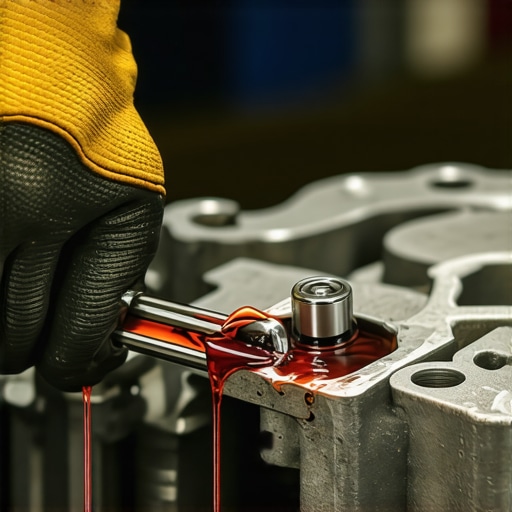
I remember standing over the engine bay of my neighbor’s 2018 truck, flashlight in hand, feeling like a total amateur. I’d promised him a quick fluid check before his road trip, but after ten minutes of scouring the engine bay, I had to admit the unthinkable: I couldn’t find the dipstick. It turns out, I wasn’t losing my mind; the car just didn’t have one. Manufacturers are moving toward these “sealed for life” units, but let’s be honest, “for life” usually means “until the warranty expires.” If you’ve noticed your transmission slips when you take sharp corners, you need to know the level, dipstick or not. Today, I’m going to show you exactly how to break into that “sealed” system and check your levels like a pro so you can avoid a $5,000 replacement bill.
The Secret Way to Access Your Sealed Transmission
The first time I tried to tackle a vehicle without a dipstick, I made a massive mess. I unscrewed the wrong plug on the bottom of the pan—the drain plug instead of the check plug—and ended up wearing two quarts of expensive synthetic fluid. It was a greasy, embarrassing lesson in patience. Most modern cars use a “level-control” or “check” plug located on the side or bottom of the transmission case. According to Car and Driver, many manufacturers claim these systems are maintenance-free, yet heat remains the number one killer of automatic transmissions, often caused by fluid breakdown that no one bothers to check. Following top auto repair tips to extend your vehicles lifespan usually starts with ignoring the “sealed for life” label and checking things yourself. It’s about taking control of your car’s health rather than leaving it to a marketing slogan.
Is checking this yourself even possible anymore?
It’s a fair question to ask because the manufacturers certainly don’t make it easy. They want you to head to the dealership and pay hundreds just for a basic diagnostic check. But the truth is, if you have a set of jack stands and a basic socket set, you can do this. You just need to understand the relationship between fluid temperature and volume. Checking the level is more about a simple fluid exchange philosophy than just pulling a stick. Have you ever popped your hood only to realize the part you were looking for simply wasn’t there? It’s a sinking feeling, like the car is actively trying to hide its secrets from you. We’re going to get under the car, find that check plug, and make sure your gears are swimming in the right amount of protection. This isn’t just about maintenance; it’s about making sure your car doesn’t leave you stranded on a Tuesday morning because a “sealed” component decided it was done living. It’s easier than it looks, and honestly, once you do it once, you’ll never trust a “no dipstick” label again. Let’s get into the nitty-gritty of why your car has this setup and how we’re going to outsmart the engineers who designed it.
Level the car or your measurement is useless
To get an accurate reading on a sealed system, the vehicle must be perfectly horizontal. If you’ve got the front end up on ramps but the back end on the ground, the fluid pools at the rear of the pan, giving you a ‘low’ reading even if it’s full. I use four heavy-duty jack stands and a spirit level placed directly on the transmission pan to be certain. It’s a bit of extra work, but it’s the difference between a healthy gearbox and a burnt-out clutch pack. While you are under there, it is a great time to see if you need a brake service or to check for leaks you might have missed.
The hidden role of fluid temperature
Most people don’t realize that transmission fluid expands significantly as it warms up. If you check it stone cold, you’ll think you’re low and add too much, which leads to aeration and foaming. If you check it after a long highway haul, it’ll be too hot and expanded, leading you to drain out fluid the car actually needs. Most manufacturers require the fluid to be between 100°F and 120°F. 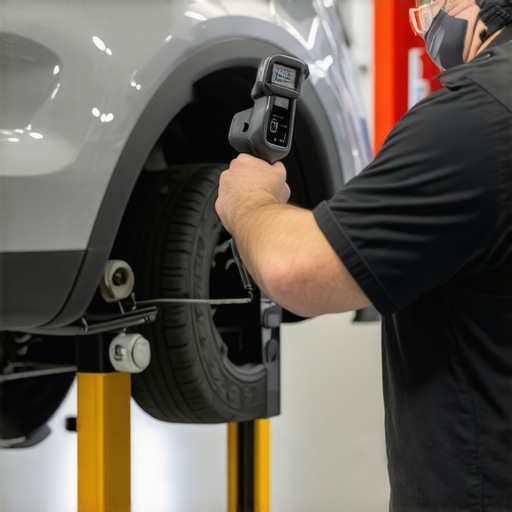 I usually plug in a scanner to watch the live data stream. If you don’t have a professional-grade tool, the $20 tool every driver needs for basic electrical troubleshooting often includes a way to read basic OBD-II codes, but for temperature, you might need something slightly more advanced. Decoding vehicle diagnostics is much easier when you can see the exact degree on a screen rather than guessing by touching the pan.
Locate the check plug without getting soaked
Every sealed transmission has a check plug, usually located halfway up the side of the case or integrated into the drain plug as a ‘standpipe.’ On a Ford F-150 I worked on last summer, the plug was tucked behind a heat shield that required a 10mm socket and a lot of patience to remove. Once the engine is running and the fluid is at the correct temperature, you slowly remove that plug. If a thin trickle of fluid comes out, you’re golden. If nothing comes out, you’re low. If a gush of fluid hits your arm, it was overfilled. I remember the first time I did this on a Toyota—I didn’t have the engine running. As soon as I pulled the plug, a gallon of fluid poured out because the pump wasn’t holding it in the torque converter. It was a $100 mistake in wasted synthetic oil.
Executing the check with the engine running
This is the part that feels counter-intuitive to most DIYers: the engine must be idling. This keeps the fluid circulating through the cooler and the torque converter. If the engine is off, the pan is ‘flooded’ and you’ll get a false high reading every single time. Before you pull the plug, cycle the shifter through every gear—Park, Reverse, Neutral, Drive—holding each for about three seconds. This ensures the fluid has filled every passage in the valve body. If you notice why your automatic transmission hesitates to engage drive, this specific step of checking the level while running often reveals the culprit is just a pint of low fluid. Once you’ve cycled the gears, go back under and pull that check plug. If you find you need to add fluid, you’ll usually need a fluid transfer pump to push it up into the fill hole, as gravity isn’t on your side here. Using how advanced vehicle diagnostics prevent costly breakdowns really highlights how a simple ten-minute check can save you from a complete transmission rebuild down the road.
We’ve all heard the old-school mechanic’s advice: “If the transmission fluid is black and has 150,000 miles on it, don’t touch it, or the gears will start slipping.” In my experience, this is one of the most dangerous myths in the automotive world. While it’s true that fresh detergent in new fluid can occasionally dislodge debris in a failing unit, avoiding maintenance only guarantees the transmission’s demise. Modern oil change innovations and technologies that save your engine are great, but they haven’t made transmission fluid immortal. I’ve seen dozens of drivers ignore their gearboxes because of this fear, only to end up at the dealer for a full replacement. The Automatic Transmission Rebuilders Association (ATRA) explicitly states that heat is the primary cause of fluid oxidation, and once that fluid breaks down, it loses its ability to protect the delicate needle bearings and clutch packs.
Stop falling for the lifetime fluid trap
Manufacturers love the term “sealed for life” because it lowers the perceived cost of ownership for the first three years. But if you plan on keeping your vehicle past 100,000 miles, that marketing label is your enemy. The “oops” factor here is huge; many DIYers think that just because they aren’t seeing a leak, the fluid is fine. However, fluid can chemically degrade without changing volume. In fact, in some extreme cases, you might notice why your engine oil level rises between oil changes due to internal leaks or fuel dilution, but transmission fluid usually goes the other way—it burns and thins out. When you finally open that check plug, you’re not just looking for a trickle; you’re looking for the smell of burnt toast. If it smells like a campfire, your clutches are already toast.

Another common mistake I see involves the sensors. People will get a weird shifting code and immediately buy the cheapest part they find online. I’ve learned the hard way that the truth about using cheap aftermarket sensors in your engine or transmission is that they often have the wrong resistance values, sending bad data to the ECU and making the problem worse. This is especially true for the output speed sensors that control shift timing. If you’re already under the car, don’t ignore the rest of the chassis. I always take a second to see how to tell if your caliper slide pins are bone dry, because a dragging brake can mimic transmission drag, leading to misdiagnosis and wasted money.
Does your scanner lie about fluid health?
Advanced readers often ask if a basic OBD-II dongle is enough to monitor transmission health. The answer is a resounding no. Most basic scanners only read generic P-codes. To truly see what’s happening, you need a tool capable of reading manufacturer-specific PIDs (Parameter IDs). For example, you want to see the “Adaptation Values.” If the computer is significantly increasing the pressure to complete a shift, it’s compensating for wear you can’t see yet. This level of decoding vehicle diagnostics is the difference between a simple solenoid swap and a total overhaul. While you’re checking the health of your systems, don’t forget that brake service myths busted what really matters for safety often overlap with drivetrain health—vibrations in the steering wheel aren’t always a bad torque converter; they could be warped rotors. Always look at the whole picture before condemning the most expensive part on the car.
Even something as simple as the filter is misunderstood. Many people wonder how to tell if your oil filter is actually doing its job, and the same logic applies to the transmission screen. If you find metallic glitter in the pan, a simple fluid exchange won’t save you. You have to address the root cause, much like the hidden reason your trucks EGR valve keeps sticking after a cleaning—often, the symptom isn’t the source. Have you ever fallen into the “sealed-for-life” trap and ended up with a massive repair bill? Let me know in the comments. Let’s keep these machines running longer than the engineers intended.
If you’re serious about doing this more than once, throw away the cheap hand pumps. I finally invested in a pneumatic fluid extractor and filler, and it changed my life. No more pumping a tiny plastic handle while lying on my back; now I just hook up the compressor and let the machine do the work. This is the kind of auto repair hacks save money without sacrificing quality that makes the job actually enjoyable. You also need a bidirectional scan tool. Generic readers are fine for clearing a check engine light, but for this job, you need to see real-time data from the Transmission Control Module (TCM). 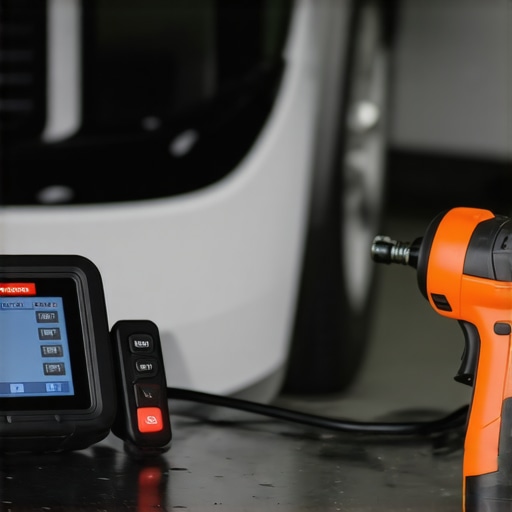
How do I maintain my transmission health over time?
The biggest favor you can do for your car is to establish a ‘drain and fill’ interval every 50,000 miles. Don’t do a high-pressure flush—just drain what’s in the pan and replace it. While car makers claim these fluids are ‘lifetime,’ the actual manufacturers of the hardware, like ZF Friedrichshafen AG, explicitly recommend changing the oil every 60,000 to 80,000 miles in their technical service manuals to prevent premature wear. This proactive approach is one of the most essential auto repair strategies for frequent drivers who want to see their odometer hit 200,000 miles. Don’t forget that how advanced vehicle diagnostics prevent costly breakdowns is just as much about the physical fluid as it is about the digital codes. When you’re under there, check the rest of the drivetrain too. I’ve seen people chase a transmission shudder only to find out they just needed the trick to bleeding brakes alone without a helper to fix a sticking caliper that was creating a vibration. I predict that in the next decade, we’re going to see manufacturers move toward software-locked service ports, making decoding vehicle diagnostics even more of a specialized skill. The trend is moving toward ‘black box’ components that you simply can’t service, which is why learning these skills now while the hardware is still accessible is so vital. If you haven’t checked your fluid level in the last two years, I challenge you to get under the car this weekend and just pull that check plug. Seeing the color and smelling the fluid tells you more about your car’s future than any dashboard light ever will.
Transmission Truths the Dealership Won’t Tell You
After years of turning wrenches, I’ve realized that the ‘sealed for life’ label is actually a gift for the marketing department and a curse for the owner. First, never trust your eyes alone; fluid that looks red can still be chemically ‘sheared’ and useless. Second, cleanliness is everything. A single grain of sand entering that check port can score a valve body. Finally, don’t ignore the electronics. Often, how advanced vehicle diagnostics prevent costly breakdowns starts with realizing a shift issue is a $50 sensor, not a $5,000 mechanical failure.
#IMAGE_PLACE_HOLDER_E#
Gear That Makes This Dirty Job Actually Easy
You don’t need a professional shop, but you do need the right help. I swear by the Motive Products Power Filler; it turns a messy two-person job into a clean solo operation. For data, a bidirectional scanner is non-negotiable so you can read those transmission fluid temperatures accurately. I also recommend a subscription to Alldata DIY or Mitchell1. These provide the exact factory fill procedures that help you master auto repair hacks save money without sacrificing quality. Lastly, a simple infra-red thermometer gun is a great backup to verify your scanner’s pan temperature readings.
Take Back Control of Your Car’s Future
Maintenance is more than just a chore; it’s an act of rebellion against the ‘disposable car’ culture. By learning how to check these systems yourself, you are ensuring that your vehicle lasts well beyond its planned obsolescence. This proactive top auto repair tips to extend your vehicles lifespan strategy is the best way to keep your hard-earned money in your pocket. Don’t let a missing dipstick intimidate you—you have the tools, the knowledge, and now the confidence to keep those gears turning smoothly with quality auto repair practices. Have you ever tried to service a ‘sealed’ component only to find it was surprisingly simple? Let me know your experience in the comments below!