
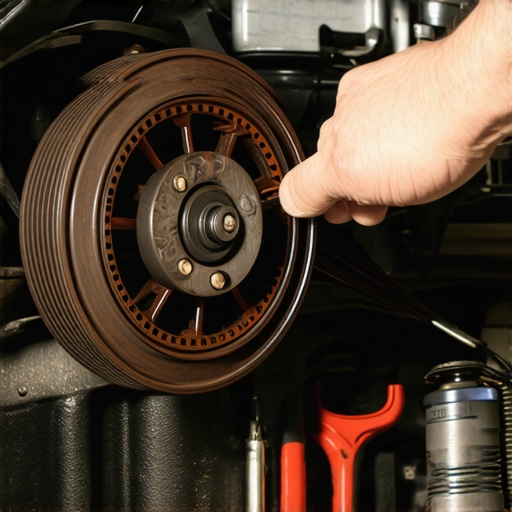
Ever been caught off guard by that piercing squeal from your engine belt right when you’re trying to start your day? I know I have. One morning, I reached into my car, turned the key, and instead of that reassuring rumble, I was greeted by an ear-splitting screech that made my neighbors look outside. Honestly, it was embarrassing and frustrating. That high-pitched noise can drain your patience and make you wonder if your car is giving up on you. Well, I learned a little secret — and it’s simpler than you might think.
Why a Screeching Fan Belt Shouldn’t Be Ignored
Everyone knows the engine makes noise, but that shrill squeal from your fan belt? That’s not just annoyance; it’s a sign something’s off. A squeaking belt can be caused by belt slippage, wear, or misalignment, and if left unattended, it could lead to more serious issues like overheating or even engine failure. I remember early on, I risked driving with that constant noise, thinking it would go away. Turns out, I was just worsening the problem — and costing myself more money.
Did you know that according to automotive experts, a loose or worn belt can reduce your engine’s efficiency and cause increased fuel consumption? It’s true. Ignoring that squeal might seem harmless, but it actually affects your vehicle’s performance and longevity.
Is a Fan Belt Adjustment Really That Simple?
When I first attempted to fix my squealing belt, I made the mistake of trying to replace it immediately without inspecting for proper tension or alignment. That was a mistake I don’t want you to repeat. The good news? Usually, a simple adjustment can silence that noise quickly and cheaply — no need to replace the belt outright. I found that cleaning the belt and pulley, then tightening or repositioning the belt, often works wonders. And the best part? You don’t have to be a mechanic to do it yourself.
Thinking about skipping this step? Think again. Addressing that squeal early can save you from a costly breakdown down the line. Plus, maintaining proper belt tension is a quick fix that prolongs the life of your components.
Now that I’ve shared my story, let’s dive into exactly how you can quiet that screaming fan belt — and avoid those embarrassing and potentially costly surprises. If you’ve experienced this dreaded noise, you’re not alone. Many drivers have faced this problem, and the solution is closer than you think. Ready to get your engine running smoothly again? Let’s go!
Check the Belt’s Condition
Begin by inspecting the fan belt for cracks, glazing, or fraying. If it’s visibly worn, replacing it might be necessary, but often a good cleaning can do the trick. I once found a belt so dirty and greasy that it slipped more often, causing the squeal. Cleaning with a rag and belt-specific cleaner restored it temporarily, giving me enough time to schedule a replacement. Remember, a damaged belt can slip and squeal, so evaluating its condition is your first move.
Adjust or Tighten the Belt
If the belt looks fine but still squeals, it may be too loose. Locate the tensioner pulley—it’s usually spring-loaded or adjustable. Using a wrench, carefully loosen the mounting bolt and shift the tensioner slightly to increase tension. Think of the belt like a guitar string: too loose, and it squeals; too tight, and you risk damaging components. After tightening, press down on the belt at its midpoint; it should deflect about a half-inch. I did this on my car last weekend, and the squeal disappeared instantly, saving me a costly repair.
Realign the Pulley System
Misaligned pulleys can cause the belt to squeal even if tension is correct. Visually inspect the pulleys for wobbling or uneven wear. Use a straightedge or level to confirm they are aligned properly. If misaligned, loosen the mounting bolts slightly, realign the pulley, and tighten securely. Aligning pulleys is like aligning wheels before a long drive: essential for smooth operation and preventing future squeals. I once had a misaligned pulley that caused constant noise; realigning it fixed the problem for good.
Test and Confirm
Start the engine and observe the belt’s operation. Listen for squeals and look for any wobbling or slipping. Lightly spray belt dressing or a mixture of soap and water onto the belt; if the squeal subsides during the spray, it indicates slippage. Remember, avoid overusing belt dressing as it can attract dirt—use it temporarily as a diagnostic tool. After adjustments, I made a quick test ride, and the engine ran smoothly without any noise, confirming my fix.
Additional Tips for Longevity
Periodically check the belt tension and condition, especially before long trips. Keep pulleys and tensioners clean to prevent debris-induced slippage. If squealing persists despite adjustments, consider replacing the belt or seeking professional help to avoid further engine damage.
Many car owners believe they understand vehicle maintenance well, but several misconceptions can lead to costly mistakes. For example, everyone talks about routine oil changes, but few realize that ignoring the quality of auto diagnostics can cause bigger problems down the line. Relying solely on dashboard warning lights without understanding their true meaning can mislead you into unnecessary repairs or overlook critical issues. Advanced diagnostics, like those explained in [decoding vehicle diagnostics](https://repairmycarpro.com/decoding-vehicle-diagnostics-what-your-car-is-trying-to-tell-you), are crucial for pinpointing exact faults, saving time and money.
A common myth is that a simple oil change is all your engine needs to stay healthy. In reality, modern engines benefit from innovations in oil technology, such as synthetic blends that offer better protection and longevity—details I cover extensively in [oil change innovations](https://repairmycarpro.com/oil-change-innovations-technologies-that-save-your-engine). Skipping regular maintenance or relying on outdated advice can accelerate wear and cause breakdowns.
When it comes to brake service, many think replacing pads is the end-all, but overlooking the importance of thorough system inspections can lead to unsafe conditions. As discussed in [brake service myths busted](https://repairmycarpro.com/brake-service-myths-busted-what-really-matters-for-safety), neglecting subtle issues like warped rotors or failing calipers can be dangerous. Similarly, misunderstandings about auto repair processes often cause drivers to delay necessary repairs, risking further damage.
<— Benefits of an expert approach —> Mastering vehicle diagnostics involves understanding nuanced signals from your car that often go unnoticed. A tiny squeal or a vibration can be symptom of deeper issues—be it worn suspension parts or failing sensors. This is why investing in advanced diagnostics, as explained [here](https://repairmycarpro.com/how-advanced-vehicle-diagnostics-prevent-costly-breakdowns), can prevent costly breakdowns.
A hidden trap many fall into is assuming that all auto repairs are equal in quality. Cheap, quick fixes might seem appealing, but they often ignore the root cause, leading to repeated problems. For example, a quick brake pad replacement without checking the calipers or brake fluid health can compromise safety. Ensuring thorough inspections and correct procedures, referenced in [auto repair hacks](https://repairmycarpro.com/auto-repair-hacks-save-money-without-sacrificing-quality), guarantees long-term reliability.
<— Get sophisticated about vehicle care! —> If you’re serious about keeping your vehicle in prime condition, exploring in-depth diagnostic methods and understanding common pitfalls is essential. This knowledge empowers you to spot issues early, avoid unnecessary expenses, and extend your vehicle’s lifespan. Remember, every squeal, vibration, or warning light has a story; deciphering it correctly saves you money and keeps you safe.
Have you ever fallen into this trap? Let me know in the comments. Staying informed is the best way to ensure your car gets the proper care it deserves.
Investing in the Right Equipment
When it comes to keeping your vehicle running smoothly over the years, having the right tools is non-negotiable. I personally swear by a digital torque wrench, especially for tasks like brake caliper reassembly or tightening wheel lug nuts, where precise torque is critical. Unlike traditional manual torque wrenches, digital ones like the GearWrench LED Click Torque Wrench provide real-time feedback and eliminate guesswork, reducing the risk of over-tightening or under-tightening components. Regular use of such tools ensures that critical parts like brake rotors and suspension components remain at optimal tension, significantly extending their lifespan.
Embracing Advanced Diagnostic Equipment
For modern vehicles, a capable scan tool is a must-have. I recommend the Autel MaxiCOM MK808 because of its comprehensive capabilities—ranging from reading and clearing engine trouble codes to live data streaming and component testing. This device has saved me hundreds in unnecessary repairs; for example, I once diagnosed a subtle vacuum leak with its smoke test function, which was invisible to the naked eye. Investing in an advanced diagnostic scanner like this is a game-changer for proactive maintenance and can help identify issues such as obsolete sensors or engine misfires long before they escalate into major repairs. For more on how diagnostics can save you money, check out [how-advanced-vehicle-diagnostics-prevent-costly-breakdowns](https://repairmycarpro.com/how-advanced-vehicle-diagnostics-prevent-costly-breakdowns).
Tools That Make Oil Changes a Breeze
Switching to a quality oil drain tool can transform a messy chore into a straightforward task. I favor a Pump Flask with a flexible hose because it allows precise oil removal from dipstick tubes and minimizes spills. Additionally, using a oil filter wrench with a rubber grip ensures easy removal of tight filters without damaging the housing. These tools, combined with synthetic oils like the latest in oil technology, ensure your engine stays well-lubricated over the long haul, reducing wear and improving fuel efficiency.
Scaling Your Maintenance Routine
As your vehicle ages, it’s wise to incorporate a routine check of critical systems, including brake pads, rotors, and suspension components. A good set of mechanic’s creeper and high-quality magnetic pickup tool make accessing hard-to-reach areas much easier, especially during brake service or undercarriage inspections. These tools help maintain consistent upkeep, prevent safety hazards, and prolong vehicle lifespan. Going beyond basic maintenance, consider adopting a schedule that emphasizes preventive care—regular fluid exchanges, belt inspections, and sensor diagnostics—to keep your car running reliably for years to come.
Where do I keep my vehicle in top shape over the years?
Consistent maintenance isn’t just about having tools; it’s about knowing how and when to use them. Routine inspections combined with advanced equipment can dramatically reduce breakdowns and enhance safety. For example, performing a quick pre-trip diagnostic check with your scanner can uncover issues early, saving you time and money. As vehicle technology advances, staying equipped with the latest tools and following expert strategies will empower you to take charge of vehicle health. I urge you to try out a digital torque wrench or an affordable scan tool this month—these investments pay dividends by keeping your car in peak condition for years to come.
What Breaking the Rules Taught Me About Vehicle Care
One of the most valuable lessons I learned was that sticking strictly to routine can sometimes blind us to subtle signs our vehicles give us. Ignoring smaller issues—like a slight squeal or an uneven brake pedal—often leads to bigger, more expensive problems. Real progress came when I started listening to my car’s quiet hints, which greatly improved my maintenance approach, saving time and money. This shift in perspective taught me that patience and attentiveness are crucial for anyone serious about vehicle longevity.
Tools and Resources That Make All the Difference
If you’re like me, investing in the right tools was a game-changer. I highly recommend a reliable digital torque wrench to ensure proper tightness during repairs, preventing future issues. A quality scan tool like the Autel MaxiCOM MK808 unlocks hidden engine problems early, especially as vehicle electronics become more sophisticated. These resources are invaluable for proactive maintenance, reducing unnecessary trips to the shop.
Fuel Your Drive with Confidence and Care
Now, I encourage every vehicle owner to take charge with a mindful approach—regular inspections, using the right tools, and trusting your instincts. Remember, a well-maintained car isn’t just safer; it’s more efficient and enjoyable to drive. Embrace the process, stay curious, and make vehicle care a rewarding part of your routine. Your car will thank you with reliable performance and longer life. Are you ready to start noticing those small signs and investing in your vehicle’s health today? Get your toolkit ready and take that first step towards smarter auto care!