
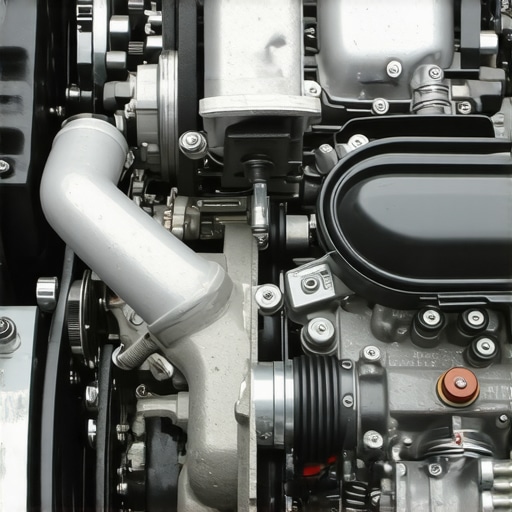
It was a scorching summer day, and I was just about to hit the road for a weekend getaway when suddenly, my engine temperature needle shot past the red zone. Panic set in as I pulled over, fearing a costly breakdown. That lightbulb moment made me realize how critical it is to recognize the warning signs of a failing water pump early on.
In this post, I want to share my personal experience and insights to help you identify the subtle cues that your water pump might be on its way out—before a little problem turns into a major, expensive repair.
Why Water Pumps Are the Heartbeat of Your Engine’s Cooling System
Your water pump plays a vital role in your vehicle’s cooling system, circulating coolant to keep your engine at an optimal temperature. When it begins to fail, it doesn’t usually give you a loud alarm or dramatic warning. Instead, it whispers—through subtle signs—that you might be heading for trouble. Early detection can save you hundreds of dollars and prevent that dreaded breakdown on a busy highway.
During my early days of auto repair, I made the mistake of ignoring minor coolant leaks, thinking they were insignificant. That was a costly lesson—those tiny drips turned into a full-blown water pump failure, leaving me stranded. Trust me, I’ve seen firsthand how ignoring these signs can spiral into serious engine damage.
Knowing what to look for is crucial. For example, if you notice coolant on the driveway or a sweet smell from under the hood, those are immediate flags. Plus, inconsistent temperature readings or unusual noises from the front of your engine can be signs that your water pump’s bearings are wearing out.
According to automotive experts, failing water pumps are a common cause of engine overheating, especially in older vehicles or ones with high mileage. Repairing or replacing a water pump at the first sign of trouble can be a game-changer. Curious about how to decode these signals? Check out how vehicle diagnostics can provide early warnings [here](https://repairmycarpro.com/decoding-vehicle-diagnostics-what-your-car-is-trying-to-tell-you).
Now, have you ever experienced that sudden engine temperature spike? Or maybe you’ve noticed a mysterious coolant leak? If so, you’re not alone—and recognizing these signs early can make all the difference. In the next sections, I’ll guide you through practical steps to diagnose and confirm if your water pump is failing, so you can act before it’s too late.
Inspect Coolant Levels and Leaks
Start by checking your coolant reservoir and radiator for low levels. During a personal experience, I noticed that the coolant was significantly below the recommended mark after a long trip. To verify, I opened the radiator cap when the engine was cool and observed a puddle of coolant underneath, indicating a leak. Use a flashlight to inspect hoses and the water pump area for drips or puddles. If you find coolant on the ground or around the water pump, it’s a sign of seal failure or hose damage, both common indicators of water pump issues.
Listen for Unusual Noises
Next, start the engine and listen carefully. A failing water pump often makes a distinct whining or grinding noise due to worn bearings. I once heard a high-pitched squeal near the front of the engine, which resolved after tightening the pulley belt. To isolate the noise, use a mechanic’s stethoscope or a long screwdriver, pressing the handle against the water pump housing and your ear. If the sound is present only when the engine warms up or when RPMs increase, this is a strong clue the pump’s bearings are deteriorating.
Check for Overheating Symptoms
Monitor the engine temperature gauge. If your needle spikes or fluctuates rapidly, it signals inadequate coolant circulation. I experienced a sudden temperature rise after driving through hilly terrain and noticed the thermostat wasn’t on, but the gauge was climbing. Turn off the engine promptly to prevent damage. Let it cool, then inspect the coolant flow by removing the radiator cap (when cool) and starting the engine. Watch for consistent coolant movement; irregular or sluggish flow suggests a failing water pump or clogged system.
Perform a Visual Inspection of the Pump
Carefully remove the accessory belts and inspect the water pump for corrosion, white or rusty deposits, or damaged impellers. In my case, I noticed corrosion around the pump housing, a sign that the internal components were compromised. If the impeller is broken or loose, coolant will not circulate properly. Be cautious—some water pumps are secured with bolts that require a socket set, and replacing them involves draining the coolant system. Always consult your vehicle’s repair manual or consider professional assistance for this step.
Utilize Diagnostic Tools
For a more precise diagnosis, connect a vehicle diagnostic scanner to check for fault codes related to overheating or coolant flow issues. Modern cars might store codes that hint at water pump failure. I used an OBD-II scanner and discovered a P0128 code, which indicated coolant system malfunction. If codes related to coolant temperature sensors or circulation are present, they can corroborate your visual and auditory findings. To deepen your understanding of vehicle health, explore [vehicle diagnostics explained](https://repairmycarpro.com/vehicle-diagnostics-explained-easy-checks-before-your-road-trip) for easy troubleshooting tips.
Assess Drive Belt Condition
The water pump’s pulley is driven by the serpentine belt. Worn or cracked belts can slip or fail to turn the pump properly. During a roadside check, a frayed belt caused me to hear squealing sounds during acceleration. Replacing a worn belt can restore proper pump operation. Keep in mind that belt tension is crucial; a loose belt can cause the pump to spin irregularly, mimicking pump failure symptoms. Review your belt’s condition regularly to prevent unexpected breakdowns.
Many car owners believe that routine maintenance is all about ticking boxes—changing oil, replacing brake pads, and running diagnostics only when something’s visibly wrong. However, this mindset often overlooks the nuanced complexities that can make the difference between a vehicle running smoothly and facing costly breakdowns. For instance, a common myth is that all oils are created equal; in reality, understanding oil viscosity and additive formulations is crucial for high-mileage engines and specific driving conditions, as highlighted in [oil change innovations](https://repairmycarpro.com/oil-change-innovations-technologies-that-save-your-engine).
One often-missed aspect in brake service is the importance of rotor material and surface finish, which directly impact braking performance and noise levels. Rushing into a brake pad replacement without inspecting these factors can lead to premature wear or unsafe condition, as detailed in [brake service myths busted](https://repairmycarpro.com/brake-service-myths-busted-what-really-matters-for-safety).
Auto repair isn’t just about replacing parts; it’s about detecting underlying issues through advanced diagnostics. Many believe that a check engine light always indicates a minor issue, but in fact, [vehicle diagnostics explained](https://repairmycarpro.com/vehicle-diagnostics-explained-easy-checks-before-your-road-trip) shows that some fault codes are subtle symptoms of deeper mechanical problems.
A deeper layer involves understanding the limitations of basic diagnostic tools. For instance, many technicians rely on standard OBD-II scanners that may miss temporary or low-priority codes. Integrating advanced diagnostics can reveal hidden issues such as sensor failures or minor cooling system leaks that, if ignored, escalate into major repairs. According to experts, investing in comprehensive diagnostic equipment can reduce breakdowns by pinpointing problems early—saving both money and vehicle lifespan ([prevent costly breakdowns](https://repairmycarpro.com/how-advanced-vehicle-diagnostics-prevent-costly-breakdowns)).
Are you aware of how your vehicle’s subtle signals can indicate deeper issues? Many owners miss critical signs because they’re conditioned to react only to obvious failures. For example, ignoring slow braking response or slight vibrations might seem harmless but could be linked to uneven brake pad wear or suspension misalignments, which are often overlooked due to a focus on more visible problems.
Furthermore, misconceptions about maintenance intervals—like believing that oil change every 3,000 miles is universally necessary—can lead to unnecessary service costs. Modern engine oils and improved filtration technologies allow for longer intervals if monitored correctly, as discussed in [auto repair hacks](https://repairmycarpro.com/auto-repair-hacks-save-money-without-sacrificing-quality).
In sum, being a savvy vehicle owner means recognizing that routine maintenance isn’t just about routine—it’s about understanding the deeper mechanics and diagnostics that keep your car healthy. By questioning common myths and understanding the nuanced signals your vehicle provides, you can avoid mishaps and extend your vehicle’s lifespan.
Have you ever fallen into this trap of oversimplified auto maintenance? Let me know in the comments, and share your experience with hidden repair nuances you’ve uncovered.Maintaining your vehicle’s health over time requires more than just routine checks; it demands the right tools and a strategic approach. One essential device I personally rely on is an advanced vehicle diagnostic scanner, like the Autel MaxiCOM, which provides comprehensive readings beyond standard OBD-II codes. It helps me spot issues like coolant circulation inefficiencies or sensor failures early, saving costly repairs down the line. Additionally, I utilize infrared thermometers to verify cooling system performance, ensuring the radiator and water pump operate correctly. Another invaluable tool is a high-quality battery load tester, which prevents unexpected startup failures by verifying your battery’s capacity before it becomes a problem. Investing in these tools may seem technical initially, but they deliver long-term benefits, especially when combined with regular visual inspections and fluid checks. In the near future, vehicle diagnostics are heading toward greater integration with AI and machine learning, making early fault detection even more precise. This trend will enable drivers to catch issues virtually before they manifest as problems, vastly improving vehicle longevity. To stay ahead, I recommend you incorporate a diagnostic scanner into your maintenance routine—it’s a game-changer for vehicle longevity.
How do I maintain vehicle diagnostics over time?
Regularly update your diagnostic software, inspect connection terminals, and periodically cross-reference readings with a trusted mechanic. This proactive stance ensures your tools give accurate insights, and your vehicle remains in top shape. Remember, early detection through reliable diagnostics can prevent minor issues from escalating. For detailed guidance, check out the [vehicle diagnostics explained](https://repairmycarpro.com/vehicle-diagnostics-explained-easy-checks-before-your-road-trip). Take the time to familiarize yourself with your scanner’s features and perform routine tests every few months—your car will thank you with smoother performance and fewer surprises on the road.
Lessons That Took Me From Guesswork to Confidence in Auto Repair
One of the most profound lessons I learned was that early signs of vehicle issues often appear subtly and require keen observation. Missing small coolant leaks or ignoring odd noises seemed harmless at first, but those oversights could escalate quickly. Deepening my understanding of diagnostics revealed that paying attention to tiny details—like a slight wobble or a faint smell—can prevent costly breakdowns. The biggest lightbulb moment was realizing that my intuition, combined with the right tools and knowledge, is the best defense against unexpected failures.
Tools and Resources That Elevated My Repair Game
Investing in a quality vehicle diagnostic scanner, such as the [vehicle diagnostics explained](https://repairmycarpro.com/vehicle-diagnostics-explained-easy-checks-before-your-road-trip), has been transformative. It uncovers issues before they become emergencies. Reading comprehensive guides like [auto-repair hacks](https://repairmycarpro.com/auto-repair-hacks-save-money-without-sacrificing-quality) and referring to trusted manuals helped me identify the real sources of problems, saving time and money. I also recommend building a toolkit with essential items like infrared thermometers and multimeters, which have helped me troubleshoot complex issues confidently. The secret is combining these tools with continuous learning—staying curious makes all the difference.
Letting Passion Drive Better Vehicle Maintenance
Knowing that proactive maintenance and diagnostics aren’t just for mechanics has been empowering. It’s about developing a relationship with your vehicle—listening, observing, and acting. Every time I catch a warning sign early, I feel a sense of victory and responsibility. My advice? Embrace the journey of learning your car’s language. It’s a rewarding experience that extends your vehicle’s lifespan and keeps you safely on the road. Remember, mastering your vehicle’s health begins with curiosity and a willingness to dig a little deeper than the surface shows. Your best mechanical mentor might just be your own vigilance and the right resources at your fingertips.