
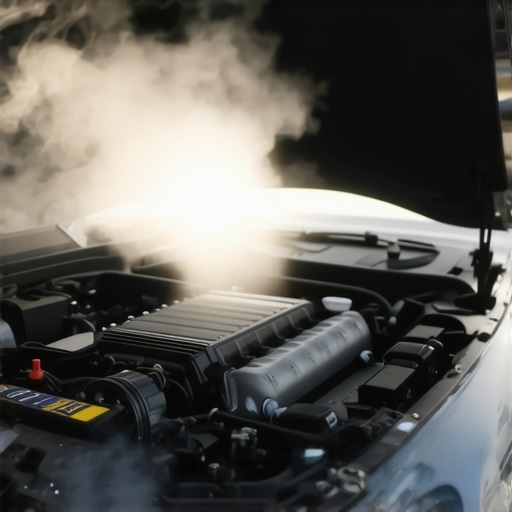
Imagine this: you step out on a chilly morning, turn the key, and suddenly, a puff of smoke billows from your exhaust. It catches you off guard—your car runs fine most of the time, so why the sudden smoky surprise only when it’s cold? I’ve been there myself. That initial puff can be both unnerving and confusing. I remember thinking, “Is my engine dying? Did I miss some urgent repair?” Well, after many troubleshooting sessions and a bit of trial and error, I finally cracked the code. Today, I want to share exactly what causes that morning smoke and, more importantly, how to deal with it effectively.
Decoding the Morning Smoke Mystery
Is the Smoke Dangerous or Just Annoying? You Might Be Surprised
Many drivers assume that any smoke from the exhaust signals a catastrophic engine failure. Not always. In fact, according to automotive experts, light white or bluish smoke during startup—especially in colder weather—is often normal. The real concern arises when the smoke persists or worsens over time. Early on, I made the mistake of ignoring a small puff, thinking it was just the cold weather or a minor glitch. That mistake almost led me to overlook a serious issue. So, I urge you—don’t dismiss that initial cloud as harmless; it could be the first sign of something more significant.
What causes this morning smoke? Well, quite a few factors come into play. Oil leaks, incomplete combustion, or even moisture in the exhaust system can make an appearance when your engine is cold. As I learned navigating these issues, understanding the root cause can save you a lot of trouble—both time and money. To dive deeper into automotive diagnostics and learn how your vehicle tries to communicate problems early on, check out [decoding vehicle diagnostics](https://repairmycarpro.com/decoding-vehicle-diagnostics-what-your-car-is-trying-to-tell-you).
The good news? Many of these issues are manageable with simple checks or minor fixes. But identifying the exact cause requires a bit of detective work. Over the coming sections, I’ll guide you through practical steps to determine if that morning puff is just an annoyance or a sign of a looming engine problem. Have you experienced this kind of smoke before? If so, you’re not alone, and the fixes I’ll share can help you get ahead of potential costly repairs.
Check Your Oil Levels and Condition
Start by inspecting your engine oil. Low oil can cause blue smoke during cold starts as the engine burns oil that’s leaking into cylinders. Use a clean dipstick to check the oil level; if it’s below the recommended mark or looks very dark or sludge-like, an oil change is necessary. Remember, old or degraded oil can’t properly lubricate engine parts, leading to increased wear and smoking issues. When I faced this, I drained the old oil and replaced it with a high-quality synthetic blend, which significantly reduced the smoke.
Examine for Oil Leaks and Seal Integrity
Next, look for visible oil leaks around valve covers, breathers, or crankcase seals. Use a flashlight to inspect these areas closely. Oil leaks can drip onto exhaust pipes or manifolds, burning slowly and producing smoke when cold. To diagnose leaks effectively, clean the engine surface first, then run the engine briefly to see fresh oil seeping out. Tighten loose bolts or replace worn seals. I once found a faulty valve cover gasket that was causing oil to leak onto the hot exhaust; replacing it solved the puff of smoke entirely.
Perform a Compression Test to Assess Cylinder Health
This step helps determine if internal components like piston rings or valve guides are worn, allowing oil to enter combustion chambers. Use a compression tester—attach it to each spark plug hole and crank the engine. Low compression in one or more cylinders indicates seal failure, which can cause blue or white smoke during startup. During my own testing, I discovered a worn piston ring in cylinder three, prompting an engine rebuild. For detailed guidance on diagnostics before your road trip, visit this resource.
Inspect the PCV Valve and Vacuum Hoses
The Positive Crankcase Ventilation (PCV) valve regulates excess pressure and vapors from the crankcase. A clogged or stuck PCV valve can cause oil vapor to be blown into the intake, resulting in smoke. Remove the valve and shake it; if it rattles, it’s likely fine. Otherwise, replace it. Also, examine vacuum hoses for cracks or disconnections, which can lead to unmetered air entering the combustion chamber, affecting emissions and causing smoke. In my experience, cleaning or replacing a faulty PCV valve eliminated persistent morning smoke. For tips on maximizing your vehicle’s longevity, check out these auto repair tips.
Evaluate Exhaust System for Moisture or Blockages
Sometimes, condensation or blockages in the exhaust can cause white or bluish smoke when the engine is cold. Check for rusted or damaged sections, especially around the catalytic converter. If condensation is the culprit, the smoke will clear after a few minutes of running the engine. A clogged catalytic converter or muffler may also cause unusual emissions; in such cases, professional inspection and possible replacement are advised. I once faced persistent white smoke, which turned out to be a blocked muffler; clearing it vastly improved emissions and reduced smoke.
While many believe that basic auto repairs and maintenance are straightforward, there’s a layer of nuance that often escapes even seasoned DIY enthusiasts. Many get caught up in common myths that can lead to costly mistakes. For instance, the misconception that simply changing your oil every 3,000 miles is always enough for engine longevity is outdated; modern synthetic oils and advancements in engine technology have extended intervals significantly, as discussed in oil change innovations. Relying solely on this blanket rule can cause neglect, especially in high-performance or high-mileage engines.
Is Ignoring Minor Repairs Costing You More?
Absolutely. Many drivers dismiss small inefficiencies or warning signs, underestimating their cumulative impact. For example, neglecting a slightly worn brake pad can escalate into rotor damage, leading to more expensive repairs. The subtlety lies in understanding how interconnected your vehicle’s systems are. Advanced diagnostics, like decoding vehicle diagnostics, can reveal issues before they become apparent, saving you money and enhancing safety.
Advanced Mistakes Car Owners Make During Routine Maintenance
One common trap is using generic parts or low-quality oils when replacing components like brake pads or oil filters. This shortcuts quality and can reduce the lifespan of these parts. For instance, choosing a subpar brake pad might initially seem budget-friendly, but it could result in faster wear or compromised safety. Moreover, misinformation about vehicle diagnostics tools leads some owners to attempt advanced repairs without proper training, risking further damage. The key is to understand that auto repair hacks aren’t shortcuts but strategies to optimize repairs for durability.
Why Quick Fixes Can Backfire and How to Avoid Them
Many think that topping off fluids or ignoring dashboard warning lights won’t harm their vehicle. However, this approach can mask underlying problems, turning minor issues into major repairs. For example, a dashboard warning light might indicate a sensor failure that, if left unaddressed, can lead to engine misfires or transmission issues. Recognizing the importance of thorough diagnostics is vital. As highlighted in advanced diagnostics, early detection is the best defense against costly breakdowns.
Additionally, understanding the importance of proper maintenance intervals, especially for critical components like your timing belt or transmission fluid, is essential. Overlooking these can result in failures that leave you stranded or require expensive replacements. Regularly consulting dedicated guides ensures you don’t fall prey to these pitfalls.
Have you ever fallen into this trap? Let me know in the comments. Remember, staying informed and proactive is the best way to maintain your vehicle’s health and avoid unnecessary expenses.Maintaining your vehicle reliably over the long term requires not just diligence but also the right equipment and proven strategies. I personally rely on a handful of specialized tools that make diagnostics and repairs more accurate and less time-consuming. For instance, I swear by an OBD-II scanner that offers live data streaming — my favorite is the BlueDriver Pro because of its user-friendly interface and compatibility with detailed vehicle-specific codes. This device helps me quickly pinpoint issues like sensor failures or misfires, saving me hours compared to guessing or using generic scanners. For oils, I choose synthetic blends with a good viscosity rating, guided by insights from expert recommendations because they provide better engine protection during temperature fluctuations. As for fluid replenishment, I keep a high-quality funnel with a built-in filter to prevent debris from entering systems like transmission or brake fluid reservoirs, ensuring long-term performance and safety.
How do I keep my vehicle in top shape without breaking the bank?
One key is regular, scheduled diagnostics to catch issues early. Software tools like Torque Pro or FIXD sync with your smartphone and provide ongoing insights into engine health, fluid levels, and emission controls, effectively helping extend the intervals between major repairs. I advise setting a monthly check-in routine using these tools; they are like a health monitor for your car that alerts you to problems before they escalate. Looking ahead, I predict that vehicle maintenance will become increasingly automated, with AI-powered diagnostics providing real-time alerts and personalized advice, making proactive care more accessible to everyday drivers. To keep your tools sharp and your skills up to date, invest in online courses from reputable sources or community workshops—aligning with the principles outlined in essential auto repair strategies. Don’t wait for a dashboard warning light to surprise you; try updating your diagnostics tools today and start incorporating routine checks into your maintenance schedule. Being proactive not only saves money but ensures safety and peace of mind on every trip.
The Unexpected Lessons From Cold Starts
One of the most profound insights I gained was realizing that not all initial smoke is an immediate crisis; sometimes, it’s a chance to learn more about your vehicle’s health. That small puff of smoke can be a subtle message from your engine, hinting at underlying issues that, if addressed early, save you from costly repairs down the line. Embracing this mindset transformed how I approach vehicle maintenance, shifting from reactive to proactive care.
Why Your Car Tells a Story Before It Stops Running
Vehicles often whisper warnings through smoke, strange smells, or performance quirks well before major failures occur. Learning to read these signs—like that morning puff—can empower you to act before you’re stranded. Remember, building an understanding of your car’s unique language makes you not just a owner, but a true vehicle detective. Curious about decoding other signals your car sends? Dive deeper into vehicle diagnostics.
Key Strategies That Saved Me from Major Repair Bills
From routine oil checks to inspecting PCV valves, I discovered that small, consistent efforts make a significant difference. Investing in quality tools like a reliable OBD-II scanner not only saved me hours but also gave peace of mind. These practical steps are invaluable for anyone looking to extend their vehicle’s lifespan while avoiding unnecessary expenses. Want to know the tools I swear by? Check out auto repair hacks that can change the game.
Lessons I Wish I Had Known Sooner
- Ignoring minor oil leaks or smoke symptoms only prolongs the inevitable repairs—early detection is key.
- Using high-quality fluids and proper maintenance intervals vastly reduce the risk of breakdowns.
- Knowledge is power; understanding car diagnostics empowers you to make informed decisions and saves money.
Elevate Your Vehicle Care Today
Don’t wait for your car to scream for help. Embrace proactive maintenance, leverage diagnostic tools, and stay curious about your vehicle’s signals. Remember, every puff of smoke from your exhaust is a story waiting to be understood—your journey to mastery starts now. Ready to take your auto repair skills to the next level? Explore essential auto repair strategies today and become the expert your car needs.