
Ever been in a situation where your car refuses to start, and lurking behind the frustration is that tiny, stubborn neutral safety switch causing all the trouble? I remember the exact moment I realized that my vehicle’s safety feature was more of a hurdle than a help—especially when I was in a hurry or stranded late at night. The lightbulb went off for me when my car wouldn’t budge, even though I was confident everything else was in perfect shape. Turns out, a faulty neutral safety switch can be a real headache, but I learned firsthand that in a pinch, knowing how to work around it can save you time, money, and a lot of stress.
Dealing with the Unexpected: When Your Neutral Safety Switch Acts Up
If you’ve ever tried to start your car and found yourself fumbling, cursing, or worse, stranded, you know how frustrating it can be. The neutral safety switch is designed as a safeguard—preventing your car from starting in gear—but when it malfunctions, it can leave you scratching your head, wondering if you’re about to get stuck somewhere without a clue. I faced this dilemma myself after a long day of errands; my vehicle refused to start despite the key turning smoothly. That was my lightbulb moment: I needed an emergency workaround, and you might be facing the same.
Today, I’ll walk you through proven methods to bypass a faulty neutral safety switch in emergencies. No fancy tools, no high-tech diagnostics. Just good ol’ practical know-how based on real experience. And yes, I’ll also share some common pitfalls to avoid, so you can approach this safely and effectively. Think of it as your neighborly tip—keeping you aware, prepared, and confident when your car’s safety system is throwing a tantrum.
Is Bypassing Your Vehicle’s Safety System Actually Worth It?
One thing I learned early on—admittedly the hard way—is that tampering with safety features can be risky, both legally and mechanically. I once made the mistake of rushing into a fix without understanding the full implications, which led to more issues down the line. However, in an emergency—say, you’re stranded or need to get home—you need a reliable, safe temporary solution. That’s where knowing how to bypass a faulty neutral safety switch becomes invaluable. You can find detailed guides on [auto-repair hacks](https://repairmycarpro.com/auto-repair-hacks-save-money-without-sacrificing-quality) that emphasize the importance of safety and proper diagnosis. Today, my goal is to help you avoid the pitfalls I stumbled into and equip you with practical know-how to get out of a jam.
Identify the Neutral Safety Switch Location
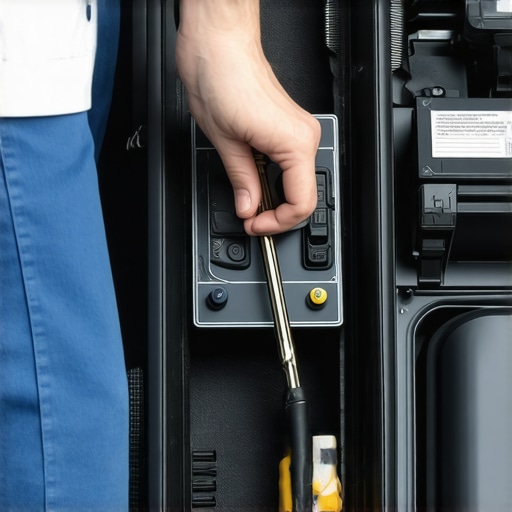
Start by locating the neutral safety switch, typically situated between the gear shifter and the transmission, or integrated within the shift linkage. In my case, I accessed it underneath the center console, where I could see the linkage connected to the transmission. Recognizing its position is crucial for applying effective bypass methods without damaging other components. For detailed vehicle-specific locations, consult your service manual or check online guides tailored to your car model.
Access and Test the Switch
Carefully remove the access panel or shift boot to reach the switch. Use a multimeter to check for continuity when the transmission is in neutral and park. If there’s no continuity in these positions, the switch might be faulty. I remember switching my multimeter to resistance mode, touching the terminals, and noting the readings. An open circuit indicated a broken switch, which justified bypassing it temporarily. Remember, proper testing prevents unnecessary wiring work or damaging new components.
Implementing a Temporary Bypass
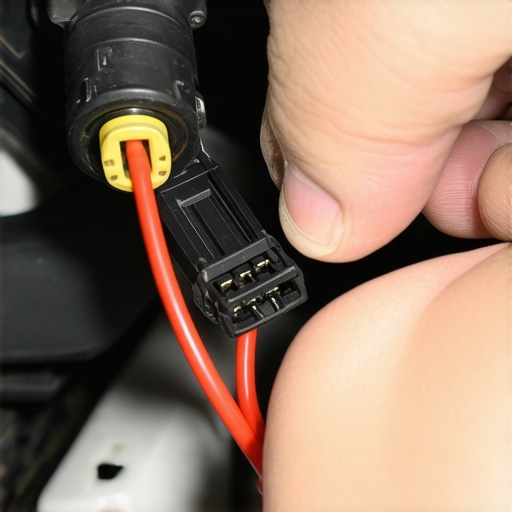
This step involves connecting the relay or wiring directly to simulate the switch’s ‘on’ condition. Think of it as creating a shortcut across a broken gate—if the switch is a gatekeeper, bypassing means giving the signal directly. I used insulated jumper wires and connected the transmission of power to the starter circuit bypassing the switch. Note: this is a temporary fix for emergencies and should be done cautiously to avoid unintended starting in gear, which could be dangerous or illegal.
Reduce Risk by Testing Carefully
Before attempting to start the vehicle, ensure the gear is firmly in park or neutral, and the parking brake is engaged. Test your bypass wiring by turning the ignition key to the start position. If the engine cranks, you’ve successfully bypassed the faulty switch. I learned this the hard way when, after rewiring without proper safety checks, my car unexpectedly moved forward—a reminder to always double-check connections and safety measures. For safer, more durable fixes, consider consulting a professional or reviewing auto-repair hacks.
Secure and Test the Setup
Once confirmed, insulate your wiring with electrical tape or heat shrink tubing to prevent shorts. Reassemble any panels or covers you removed. Test the vehicle multiple times in a controlled environment to ensure the bypass remains functional without causing other issues. This approach saved me hours when stranded in a parking lot, but always remember: for a permanent fix, replacing the faulty switch or professional diagnosis is recommended. If you want to prevent future issues, consider learning more about advanced vehicle diagnostics.
 }Even seasoned car owners often accept surface-level advice about oil changes, diagnostics, and repairs, but there are deeper nuances worth understanding. For instance, many believe that changing oil regularly is just about fresh lubricant; in reality, the type of oil and its compatibility with high-mileage engines can significantly impact longevity. Skipping synthetic oils or mixing incompatible types might seem harmless but can accelerate engine wear over time. Dive deeper into this topic by checking out [oil change innovations](https://repairmycarpro.com/oil-change-innovations-technologies-that-save-your-engine), which explains advanced oils and their benefits.
Another common misconception is that vehicle diagnostics are foolproof when performed with basic scan tools. However, the *hidden danger* lies in relying solely on generic codes without understanding the underlying causes. Modern vehicles are equipped with numerous sensors, and interpreting their signals requires expert attention to avoid misdiagnosis. For an advanced perspective, explore [vehicle diagnostics explained](https://repairmycarpro.com/decoding-vehicle-diagnostics-what-your-car-is-trying-to-tell-you), which discusses the intricacies of proper diagnostics.
When it comes to auto repairs, many believe that replacing a failed component is always the best remedy. Yet, this overlooks the importance of inspecting related systems that might have contributed to the failure. For example, replacing brake pads without checking the calipers or rotors can lead to quicker wear. For a comprehensive approach, [auto repair strategies for frequent drivers](https://repairmycarpro.com/essential-auto-repair-strategies-for-frequent-drivers) detail proactive maintenance to prevent costly repairs.
In brake service, there’s a persistent myth that merely replacing pads restores full performance. The *truth* is that the condition of rotors and brake fluid quality are equally critical for safety and effectiveness. Ignoring these can lead to squealing, pulsing, or even brake failure. For insights on common myths busted, read [brake service myths busted](https://repairmycarpro.com/brake-service-myths-busted-what-really-matters-for-safety).
Lastly, experts emphasize the importance of nuanced understanding in these areas. As automotive systems grow increasingly complex, relying on superficial fixes or outdated knowledge can be risky. Advanced diagnostics and tailored maintenance plans are essential to keep your vehicle running smoothly and safely. Remember, the goal isn’t just to fix problems but to prevent them.
Have you ever fallen into this trap? Let me know in the comments. For more in-depth insights on keeping your vehicle in top shape, visit our [auto repair hub](https://repairmycarpro.com/auto-repair-hacks-save-money-without-sacrificing-quality).
Investing in Reliable Tools for Long-Term Vehicle Care
When it comes to maintaining your vehicle’s performance, having the right tools isn’t just about convenience—it’s about ensuring safety and efficiency over time. One of my go-to devices is a high-quality digital multimeter. I rely on it daily to diagnose electrical issues, check battery voltages, and verify sensor wiring. Choosing a multimeter with autoranging capabilities, like the Fluke 115, allows me to quickly switch between testing different systems without fiddling with settings, saving valuable time during troubleshooting.
Another indispensable tool is an OBD-II scanner. Instead of relying solely on generic error codes, I use models like the BlueDriver, which connect to my smartphone and offer detailed diagnostics, including live data streams. This helps identify underlying issues before they escalate, especially when dealing with engine misfires or sensor failures. Regularly updating the scanner’s firmware ensures compatibility with the latest vehicle software patches, a step I recommend to keep diagnostics accurate.
Software and Techniques for Accurate Diagnostics
In recent years, automotive diagnostic software has become more sophisticated. I’ve found that integrating tools like decoding vehicle diagnostics enhances my ability to interpret complex fault codes and sensor data effectively. For instance, with the right software, I can track sensor responses in real-time, pinpointing issues such as faulty MAP sensors or incorrect fuel pressure readings. This software often includes repair strategies tailored to specific errors, streamlining the repair process.
Prioritize Routine Checks and Preventive Maintenance
Long-term vehicle performance hinges on regular, systematic inspections. I perform oil analysis periodically, which reveals oil wear particles and helps decide on timely oil changes, especially if you’re using high-mileage or synthetic oils. Additionally, inspecting brake pads, rotors, and fluid quality every few thousand miles prevents emergency breakdowns. For detailed routines, I follow auto repair strategies for frequent drivers, ensuring everything remains in tip-top shape.
Where do I see vehicle maintenance heading?
The future points toward smarter, integrated diagnostics that communicate wirelessly with service centers, reducing downtime. Vehicle sensors will become even more predictive, alerting you to issues before symptoms appear, much like Tesla’s over-the-air updates. Embracing these tools now prepares you for this evolution, making maintenance quicker, more accurate, and less costly.
How can I keep my vehicle performing at its best over time?
Implementing regular diagnostics, using trusted tools, and staying ahead with preventive maintenance are key. For example, schedule periodic easy diagnostic checks before long trips to catch issues early. Trying out a comprehensive approach—like integrating an advanced OBD-II scanner with real-time data analysis—can significantly extend your vehicle’s lifespan while avoiding costly repairs down the line. Don’t hesitate to experiment with these tools to discover their full potential for your auto repairs or diagnostics routines. Want expert recommendations on specific gear? Reach out through our contact page and I’ll help you choose the best equipment for your needs.
The Hardest Lesson I Learned About Oil Changes and Vehicle Diagnostics
One pivotal moment in my auto repair journey was realizing that not all oils are created equal, especially for high-mileage engines. Using the wrong oil or neglecting proper intervals can accelerate engine wear instead of preventing it. I once skipped deep diagnostics after noticing subtle performance drops, which led to more costly repairs down the line. Now, I know that paying attention to fluid specifications and understanding sensor feedback saves money and extends vehicle life.
3 Myths About Brake Service That Held Me Back
I used to believe that simply replacing brake pads would solve all issues. The truth is, rotors, calipers, and hydraulic system health matter just as much. Overlooking these components can cause squealing or pulsing, even with new pads. Busting this myth taught me the importance of comprehensive brake inspections, which I now do regularly—because safety depends on it.
What Experts Won’t Tell You About Vehicle Diagnostics
Many rely on basic scan tools, but I learned that interpreting sensor data requires a nuanced understanding of vehicle systems. For instance, dead sensors can give misleading codes, leading me astray. Investing in advanced diagnostics software, like tools that decode fault codes, changed my approach. Now, I troubleshoot smarter, catching issues early and avoiding unnecessary replacements.
Where to Find My Critical Auto Repair Resources
Over time, I discovered a few trusted sources that truly make a difference. The team behind auto-repair hacks offers practical advice that balances cost and quality. My favorite guide on brake service helps me understand the nuances of safe and effective repairs. These resources empower me to make informed decisions, saving time and money.
Your Drive to Better Auto Care Starts Now
The journey into automotive mastery is ongoing, but the most critical step is believing in your ability to learn and improve. Every repair, diagnostic, or upgrade is an opportunity to deepen your knowledge. Remember, even small improvements in understanding—like recognizing the signs of a failing sensor or the importance of high-quality oils—can have lasting impacts on your vehicle’s performance. Keep experimenting, stay curious, and don’t hesitate to reach out with questions or share your own insights. Your car’s life depends on it.