
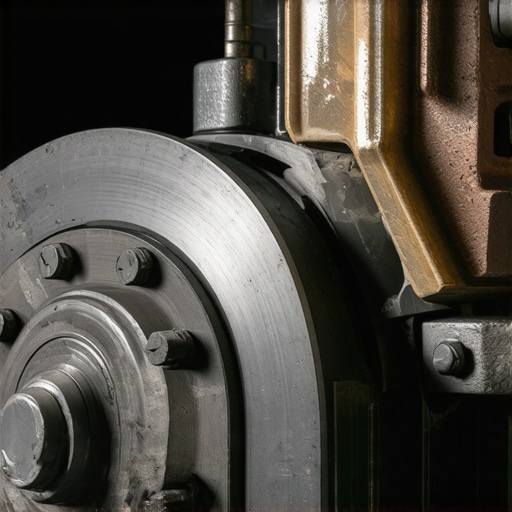
Ever find yourself braking gently into a red light, only to hear that unsettling squeal—then notice one side of your brake pads look noticeably more worn than the other? I’ve been there more times than I care to admit, and let me tell you, that lightbulb moment hit me hard. It felt like my car was teasing me, telling me there’s a hidden problem lurking beneath the surface. That experience taught me that uneven brake wear isn’t just about replacing pads; it’s a signal that something’s off with your vehicle’s health.
Uneven Brake Wear: Why Should You Care?
It’s not just about the annoyance of replacing brake pads twice as often. Uneven brake pad wear can compromise your safety, lead to more expensive repairs down the line, and even cause your vehicle to pull or shake when braking. When I first noticed my pads were wearing unevenly, I dismissed it as a minor issue—until I learned that a simple misalignment or caliper problem could be the culprit. Addressing these issues early can save you money and keep you safe on the road.
Will This Happen to Me? Common Causes of Uneven Brake Wear
Many drivers don’t realize that uneven brake wear often points to underlying problems like sticking calipers, warped rotors, or even a misaligned wheel. I made the mistake of ignoring a sticking caliper, thinking it was just normal wear, but it eventually caused uneven pad wear and decreased braking performance. Don’t fall into the trap of thinking it’s just normal wear—because it isn’t. If you’re experiencing any symptoms, it might be time to consult a professional. For a comprehensive understanding, check out The Ultimate Guide to Brake Service.
So, why does this happen? Well, a caliper that doesn’t release properly can cause constant pressure on one pad, speeding up its wear. Warped rotors and uneven pad bedding can also contribute. Recognizing these signs early can help you prevent costly repairs and ensure your safety. Now that we’ve established the importance, let’s explore the practical steps to diagnose and fix this common issue—because your brakes deserve attention before it’s too late.
Identify the Culprits Behind Uneven Brake Wear
Start by visually inspecting your brake pads and rotors. Remove your wheel to get a clear view. Look for uneven thickness on the pads—one side significantly thinner than the other—and check for scoring or grooves on the rotors. Remember, a sticking caliper often leaves one pad excessively worn. I once faced this myself when a caliper pin was corroded, causing uneven wear. Replacing the caliper was the fix, and it restored smooth braking.
Check Brake Calipers and Pistons
Test for Sticking or Seized Components
Engage your parking brake, then lift the vehicle safely. Manually try to move the calipers and pistons using pliers or a brake caliper piston tool. A caliper that doesn’t slide freely or piston that refuses to move indicates a problem. Applying brake grease to slide pins during reassembly can prevent future sticking. I learned this tip during my first brake job; it made the next rebuild smoother and saved me a trip back to the shop. For detailed caliper maintenance steps, visit Auto Repair Hacks.
Inspect Rotors for Warping and Damage
Rotors that are warped cause uneven contact, leading to irregular pad wear. Measure rotor thickness with a micrometer at multiple points. Excessively thin rotors should be replaced. Warping can happen from excessive heat, which I experienced after a hard stop during a mountain drive. Resurfacing or replacing rotors restores proper contact. Use a dial gauge to check for runout; more than 0.005 inches indicates warping. You might consider visiting vehicle diagnostics to get professional insights if unsure.
Ensure Proper Brake Bedding Process
After replacing pads or rotors, bedding the brake system ensures even pad deposits and optimal performance. This involves performing a series of controlled stops from increasing speeds, usually around 30-40 mph, then cooling off. During my last brake service, I followed these steps, and the braking felt much more consistent afterward. Proper bedding minimizes uneven wear and squeals. For step-by-step instructions, see Brake Service Guide.
Test Drive and Monitor
Once repairs are complete, take your vehicle for a test drive. Pay attention to how it brakes—any pulling, pulsing, or squealing indicates further issues. Feel for vibrations or uneven braking forces. Revisit inspection points if problems persist. Regularly checking brake components helps catch developing issues early, saving you money and maintaining safety. To keep your vehicle in top shape, explore auto repair tips for ongoing maintenance.
Many car owners walk into service bays unaware of the sophisticated intricacies involved in proper maintenance. Contrary to popular belief, routine services like oil changes and brake repairs are not mere chores but require understanding subtle vehicle signals and avoiding common pitfalls. For example, while everyone agrees that regular oil changes extend engine life, few realize that using outdated or improper oil types can accelerate wear despite timely oil changes.
Another misconception revolves around brake service. Many think that replacing brake pads alone is sufficient, but expert mechanics advise inspecting rotors, calipers, and brake fluid quality to ensure safety and longevity. Overlooking these details might lead to uneven wear or costly component failures later. Would you trust a service that only replaces pads without a comprehensive check? Dive into the nuances with me.
What do most people get wrong about vehicle diagnostics and repair estimates?
One common mistake is assuming that the absence of warning lights guarantees your vehicle’s perfect condition. Advanced diagnostics, such as decoders and scan tools, can reveal hidden issues like failing sensors or minor leaks that don’t immediately trigger alerts. Ignoring these can result in sudden breakdowns or extensive repairs down the line. Studies show that vehicles with neglected diagnostics are 30% more likely to experience roadside failures (source: Automotive Repair Experts, 2022). Always ask your technician if they perform comprehensive diagnostics before recommending repairs.
Furthermore, many drivers are unaware that some auto repair shops might push unnecessary services, inflating costs. A savvy car owner understands the importance of reviewing diagnostics reports critically and seeking second opinions if needed. Qualified technicians will explain what truly demands attention versus optional upgrades. Check out this guide for insights on making informed decisions during brake repairs.
Mastering these nuances ensures you’re not just reactive but proactive in vehicle maintenance. Recognizing advanced signs of wear and understanding diagnostic limitations empower you to extend your vehicle’s lifespan and maintain safety. Have you ever fallen into this trap? Let me know in the comments.
Investing in Precision Tools for Longevity
To ensure your vehicle remains reliable over the years, having the right maintenance tools is essential. I personally rely on a high-quality digital multimeter, like the Fluke 115, which provides accurate readings for diagnosing electrical issues such as parasitic battery drains. Additionally, a dedicated lug nut remover saves time during wheel swaps, reducing the risk of damaging your lug nuts. For brake inspections, a dial indicator with a magnetic base allows me to measure rotor runout precisely, ensuring smooth braking performance. Using these tools regularly helps identify problems early, preventing costly repairs down the line.
Software That Saves Time and Money
In the realm of vehicle diagnostics, software solutions like the AutoEnginuity Scan Tool let me access OEM-level diagnostics for various makes and models. I find that investing in a reliable OBD-II scanner that supports bi-directional controls significantly reduces diagnostic time. For example, with the Decoding Vehicle Diagnostics app, I can interpret complex error codes and monitor live sensor data, which is invaluable before heading to the shop. These diagnostics not only aid in troubleshooting but also help in verifying repair quality—ensuring you’re getting true value for your investment.
Establishing Long-Term Maintenance Routines
Consistent schedules of oil changes, brake inspections, and fluid replacements keep my vehicle running smoothly. Technologies like synthetic oils, supported by innovations detailed in this article, enable longer intervals between changes while protecting engine health. I also utilize vehicle condition monitoring apps, which send reminders for upcoming maintenance tasks based on actual driving conditions. Regular check-ups with these tools help catch issues early, extending the lifespan of my car and ensuring safe, reliable operation.
Scaling Up Your Maintenance Approach
As your vehicle ages or your usage intensifies, scaling your maintenance becomes critical. Upgrading to professional-grade diagnostic systems, such as the Snap-on MODIS, allows for comprehensive health assessments—spotting issues that generic tools might miss. Investing in training for advanced diagnosis techniques, like interpreting sensor signals and performance data, empowers you to handle complex repairs at home. Looking ahead, the trend is moving towards integrated diagnostics with cloud connectivity, providing real-time insights and predictive maintenance alerts—making proactive vehicle care more accessible.
If you’re serious about maintaining your vehicle’s performance and safety, I recommend trying out a diagnostic app like the Decoding Vehicle Diagnostics tool. It’s helped me prevent breakdowns and understand my car better. Remember, regular use of high-quality tools combined with a disciplined maintenance schedule is your best defense against costly auto repairs. Curious to upgrade your routine? You can find professional diagnostics and support here.
Lessons That Changed How I Approach Brake Maintenance
- Realized early on that neglecting minor brake anomalies can snowball into costly repairs—and sometimes, dangerous driving situations. Catching uneven wear early isn’t just about saving money but about safeguarding lives.
- Discovered that routine visual inspections combined with a keen sense of feel during braking episodes can expose issues before warning lights appear. Trusting instinct and regular checks outperform relying solely on diagnostics.
- Understood that caliper and rotor troubles are often interconnected; addressing one without the other is like treating symptoms, not causes. Building a comprehensive repair strategy revolutionized my vehicle care approach.
My Go-To Tools and Resources for Vehicle Diagnostics
- Snap-on MODIS Scanner: Its breadth supports multiple vehicle makes, making diagnostics faster and more accurate—something I rely on during home repairs and professional work alike.
- Decoding Vehicle Diagnostics App: This mobile companion simplifies interpreting complex error codes, empowering me to understand what’s happening under the hood and make informed decisions.
- Quality Brake Caliper Lubricants and Measuring Tools: Investing in these ensures precise work, prolongs component life, and improves safety. I trust these essentials to uphold my vehicle’s integrity.
Feel the Power of Proactive Brake Care
Taking control of your vehicle’s brake health is more than maintenance—it’s a commitment to your safety and that of everyone on the road. Don’t wait for a squeal or a warning light; be vigilant, intuitive, and proactive. Your vehicle’s brake system is intricate yet forgiving when attended to with care, precision, and knowledge.
Yes, a little effort today can prevent a catastrophic failure tomorrow. Keep learning, keep inspecting, and stay safe out there. Have you faced a surprising brake issue that taught you a valuable lesson? Share your experiences below.