
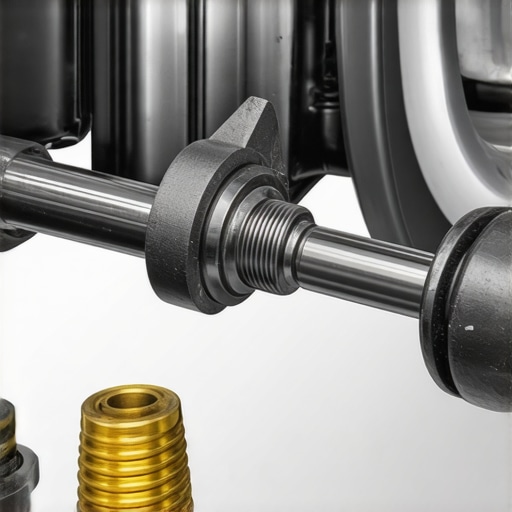
It was a chilly morning, and as I backed out of my driveway, I felt that unsettling stiffness in the steering wheel—like turning a rusty gate. Suddenly, the steering felt heavier, less responsive, and I knew something wasn’t right. It hit me then: I was experiencing the early signs of a leaking rack and pinion. That lightbulb moment made me realize how crucial it is to recognize the subtle hints of such issues before they become costly headaches.
Why Catching a Leaking Rack and Pinion Matters
<3>Have you ever wondered how small leaks can sneak up on you, turning your daily drive into a nerve-wracking ordeal? When the rack and pinion steering system begins to leak, it doesn’t just lead to messy fluid on the driveway; it compromises your safety and can cause steering failure if ignored. The less obvious problem is that by the time steering feels heavy, significant internal damage might have already occurred. Trust me—I learned this the hard way, making a mistake early on by waiting too long to address minor leaks.
The key is to detect these leaks early, alert yourself to potential steering issues, and avoid the more expensive repairs down the line. Realizing what to look for can save you time and money—plus, keep you safe on the road. To give you a clearer picture, I’ll walk you through some telltale signs that your rack and pinion might be leaking, helping you prevent a breakdown before it hits. For more on vehicle diagnostics that can help identify such problems early, check out [vehicle diagnostics explained easy checks before your road trip](https://repairmycarpro.com/vehicle-diagnostics-explained-easy-checks-before-your-road-trip).
Is it Really Worth the Hype to Check for Leaks Early?
Many folks overlook these early signs—until the steering becomes so heavy it feels like pushing a brown paper bag filled with rocks. In my case, my mistake was dismissing that initial stiffness as just a rough start, not realizing a slow leak was taking hold. That delay cost me time, money, and a nerve-wracking drive home.
Addressing leaks early is not just about avoiding repairs; it’s about maintaining control of your vehicle and preventing dangerous situations. Recognizing the signs early keeps your steering smooth and reliable, saving you from the hefty bills that come with neglect. Sometimes, the problem is so subtle you might miss it without a keen eye. If you’ve ever been caught off guard by steering issues, then you already know how important early detection can be.
So, if you’ve noticed your steering feeling a bit off lately or seen pooling fluid underneath your car, it’s worth diving into the details. We’ll explore exactly how you can identify those early signs and what steps to take, so your next drive stays safe and effortless.
Check for Visual Signs of Leaks
Start by inspecting under your vehicle for fresh, reddish steering fluid pooling beneath the rack and pinion assembly. When I faced this, I parked on a clean surface and used a flashlight to spot any wetness around the steering rack. If fluid is present, it’s a clear indication of a leak that needs immediate attention. Raise your car with a jack and secure it with stands for a more thorough inspection.
Perform a Handheld Pressure Test
Next, with the engine off, turn the steering wheel lock-to-lock several times to distribute fluid evenly. Then, start the engine, and observe the steering fluid reservoir for fluctuations. A sudden drop in fluid level or bubbling in the reservoir suggests internal leakage. I once did this test in my driveway and caught a slow leak early, saving me from costly repairs. Remember, if the fluid level drops quickly or you see foam, it indicates a leak requiring professional diagnosis.
Use a UV Dye for Precise Detection
For pinpoint accuracy, add a UV dye to your steering fluid. After running the engine for a few minutes, shine a UV light under the vehicle to spot the dye’s glow around seals or lines. My mechanic recommended this method when I couldn’t find any visible fluid but suspected a leak due to steering stiffness. The dye revealed a tiny crack in a seal, allowing me to replace just that part rather than the entire rack.
Identify the Source of Leakage
Leaks often originate from worn seals, damaged hoses, or cracked housing. Examine the rubber boots and seals closely for cracks or softened areas. If the fluid appears around the input shaft or hoses, these are common culprit areas. I once found fluid seeping from a damaged power steering hose, which I replaced easily with a new one bought from an auto parts store.
Assess Internal Damage and Decide on Repairs
If fluid leaks from the internal components, replacing the rack and pinion might be necessary. However, some leaks stem from external components, which are easier and cheaper to fix. Before proceeding, consider how old your steering system is; if it’s high mileage, a full replacement could be a better investment. For smaller leaks caused by seals or hoses, a professional repair kit can suffice. Always consult with a mechanic if unsure—learn about how advanced vehicle diagnostics can prevent costly breakdowns by visiting [vehicle diagnostics explained easy checks before your road trip](https://repairmycarpro.com/vehicle-diagnostics-explained-easy-checks-before-your-road-trip).When it comes to car maintenance, many of us rely on basic tips and generic advice, assuming that everything is straightforward. However, virtually everyone gets some crucial details wrong—even those with a decent amount of experience. Let’s dig deeper into these misconceptions and reveal the nuances that can make or break your vehicle’s longevity and safety.
**Myth: Larger Service Packages Are Always Better** Many auto owners believe that opting for comprehensive service packages guarantees thorough maintenance. Yet, this isn’t always true. Quality matters more than quantity. Skipping specific checks or procedures in favor of a standard package can leave critical issues unnoticed. For example, some shops might neglect to verify the condition of auxiliary components like sensors or wiring, which play vital roles in modern vehicle diagnostics. For a nuanced understanding of what your vehicle truly needs, consult detailed guides such as [vehicle diagnostics explained easy checks before your road trip](https://repairmycarpro.com/vehicle-diagnostics-explained-easy-checks-before-your-road-trip).
**The Common Misconception about Oil Changes** Many believe that changing oil every 3,000 miles is universally necessary. However, advancements in engine oil technology and longer-lasting synthetic oils have shifted this paradigm. Modern engines and oils can often go 7,500 to 10,000 miles between changes, provided the vehicle is used under normal conditions. Over-changing can inadvertently strip away protective additives, leading to increased engine wear. Industry experts, including those at the Society of Automotive Engineers, support this nuanced approach, emphasizing context-specific intervals rather than fixed timelines.
**Overlooking the Significance of Brake Service Details** When it comes to brakes, many focus solely on pad replacement and ignore the importance of rotor condition and brake fluid quality. A common mistake is assuming that a simple pad change suffices. In reality, rotors must be inspected for warping or grooves, and fluid should be replaced periodically to prevent brake fade. For a comprehensive perspective, check out [brake service myths busted—what really matters for safety and performance](https://repairmycarpro.com/brake-service-myths-busted-what-really-matters-for-safety).
**Vehicle Diagnostics: Going Beyond the Basics** A critical nuance that many overlook is that modern vehicle diagnostics are far more sophisticated than just reading trouble codes. Proper interpretation involves understanding the interplay of multiple sensors and subsystems. Relying solely on generic code readers without professional insight can lead to missed or misdiagnosed issues. Recent studies in automotive diagnostics highlight that advanced systems can detect minor anomalies before they become costly failures. Stay ahead by reviewing [decoding vehicle diagnostics—what your car is trying to tell you](https://repairmycarpro.com/decoding-vehicle-diagnostics-what-your-car-is-trying-to-tell-you).
**Avoid Falling into the Trap of Simplistic Maintenance** Remember, cars are complex systems. Routine maintenance isn’t just about ticking boxes; it’s about understanding the nuances that affect your vehicle’s health. Overlooking these details could lead to premature wear, breakdowns, or safety hazards.
Have you ever fallen into this trap? Let me know in the comments, and share your experiences or tips to better grasp these hidden aspects of auto care. Staying informed can save you both time and money—your car will thank you!
Mastering Maintenance with the Right Tools
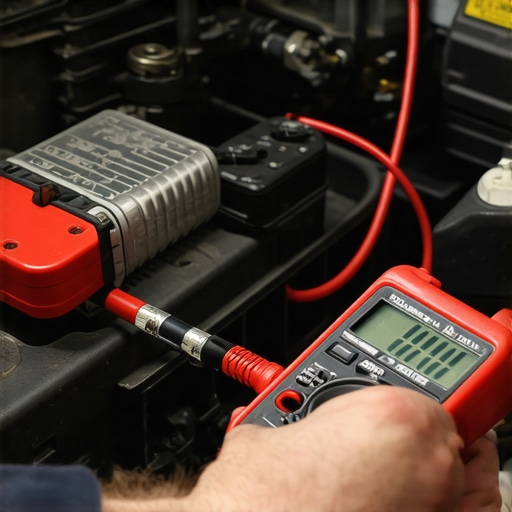
Keeping your vehicle in top shape over the long haul requires more than just basic knowledge—it demands the right tools and methods. I personally swear by a high-quality 3/8-inch drive socket set with impact-rated sockets, which makes removing stubborn fasteners hassle-free and protects my equipment from damage. Investing in a digital multimeter has been invaluable for diagnosing electrical issues, helping me quickly identify faulty sensors or wiring problems. For fluid checks and top-offs, I rely on a transparent, temperature-resistant funnel and a versatile catch basin to keep spills minimal and inspections accurate. These tools streamline routine tasks like oil changes and brake fluid replenishment, saving time and avoiding costly mistakes.
Embracing Advanced Diagnostics for Longevity
Modern vehicles are equipped with sophisticated sensor systems that, when properly diagnosed, can prevent expensive breakdowns. I use an OBD-II scanner that connects seamlessly to my smartphone via Bluetooth, allowing me to decode trouble codes and monitor real-time data from anywhere. This approach helps me catch issues like misfires or coolant leaks early. Over time, I’ve learned that integrating diagnostic software with online databases and OEM-specific modules enhances accuracy. Decoding these signals can reveal hidden problems before they turn into costly repairs, making diagnostics a cornerstone of effective auto care.
How do I keep tools working smoothly over time?
Regular maintenance and calibration are key. I clean my tools after each use, lubricate moving parts, and store them in a protected toolbox to prevent corrosion. For electronic devices like my multimeter, I update firmware periodically and replace batteries proactively. Additionally, I schedule routine checks—once a year—to ensure accuracy and reliability. Investing in quality tools with warranties might seem costly upfront, but their durability pays off in the long run, reducing replacement expenses and ensuring precise diagnostics every time.
Why honing your tool arsenal benefits your auto repair efforts
Having the right equipment allows you to tackle repairs confidently and precisely, whether you’re changing oil, replacing brake components, or diagnosing tricky electrical gremlins. As vehicle technology advances—like direct-injection engines or hybrid systems—the demand for specialized tools grows. I predict the next trend will involve smart, AI-powered diagnostic devices that adapt to each vehicle’s unique setup, simplifying complex repairs for enthusiasts and professionals alike. Staying ahead means continuously upgrading your toolkit and embracing new technologies, much like how modern car manufacturing evolves.
What steps can you take today to improve your maintenance toolkit?
Try integrating a professional-grade OBD-II scanner with your existing tools. It’s a game-changer for early problem detection, helping you avoid expensive repairs and extend your vehicle’s lifespan. For detailed guidance, check out easy vehicle diagnostics tips. Remember, proper tools not only save money but also give you peace of mind on every drive.
What I Wish I Knew Before Ignoring Small Leaks
One of the most powerful lessons I learned was that neglecting early signs of an issue can turn a minor inconvenience into a major repair. Rushing to dismiss the initial stiffness in my steering system cost me both time and money. It taught me that patience and vigilance are vital when dealing with vehicle maintenance, especially for components like the rack and pinion, which are crucial for safety and control.
How Personal Experience Shaped My Approach to Auto Care
My journey into understanding vehicle diagnostics deepened when I started adding UV dye to steering fluids. Seeing the glow under a UV light opened my eyes to hidden leaks I would have otherwise missed. This hands-on experience empowered me to diagnose problems early and confidently address them, reinforcing the importance of leveraging proper tools and techniques for auto repair.
Turning Knowledge into Confidence on the Road
The biggest takeaway was realizing that proactive maintenance and early detection keep your vehicle—and you—safe. Recognizing subtle signs before they escalate transforms auto care from a chore into a confidence-building routine. Whether inspecting for fluid pooling or performing pressure tests, I now approach vehicle issues with curiosity and respect, ensuring my drives remain smooth and secure.
Resources That Shaped My Auto Repair Philosophy
- Vehicle Diagnostics Explained: A cornerstone for understanding complex systems and avoiding costly breakdowns. The detailed checks I performed with this resource have been invaluable.
- Decoding Vehicle Diagnostics: Learning to interpret trouble codes precisely helped me identify issues like leaking seals with confidence, saving me unnecessary repairs.
- The Ultimate Guide to Brake Service: Knowing when and how to service brakes properly has enhanced my vehicle’s safety and performance significantly.
- Auto Repair Hacks: Practical tips from this source have streamlined my maintenance routines, making auto repair accessible and less intimidating.
Seize the Wheel: Your Turn to Take Action
Preventing steering issues starts with awareness and early action. Have you ever noticed subtle signs like stiffness or fluid pooling and wondered whether it’s serious? Share your experiences below, and let’s encourage each other to become more confident in auto diagnostics and repairs. Your proactive approach can keep you safe and save money in the long run!