

Ever experienced that unsettling shake in your brake pedal right as you exit the highway? You’re cruising along at high speed, enjoying a smooth ride, and suddenly, your braking feels off—like a mini earthquake beneath your foot. I remember the first time it happened to me; I thought it was just a harsh bump from the road. But then, it kept happening, and I couldn’t shake the feeling that something was wrong. Turns out, that specific vibration when leaving the highway is more common than you might think, and it often points to underlying issues that need attention.
Decoding the Highway Brake Vibration
The moment you decelerate from highway speeds, your vehicle undergoes a unique set of stresses. The vibration you feel is frequently linked to rotor warping, uneven brake pad wear, or suspension problems. In my experience, a common culprit is warped brake rotors, which tend to heat unevenly during high-speed braking and then cool down, causing distortion. This distortion becomes noticeable only during the transition from high to lower speeds—like when exiting the highway—because the brakes are engaged more intensely.
What adds to the confusion is that this issue might not be evident during regular city driving or gentle stops. It’s a specific scenario that often catches drivers off guard. If you’ve been ignoring this vibration, it’s time to pay attention. Left unaddressed, warped rotors can lead to reduced braking efficiency or further damage to your braking system.
To diagnose this, I recommend a thorough inspection of your rotors for signs of uneven wear or surface irregularities. Sometimes, a simple surface skim (resurfacing) can restore rotor smoothness, but in many cases, replacement is the safer route. For more insights on maintaining top-tier brake performance, check out [this comprehensive guide to brake service](https://repairmycarpro.com/the-ultimate-guide-to-brake-service-for-safety-and-performance).
Are you noticing this vibration after a recent highway trip? If so, it’s a clear sign your brakes might need some professional attention—don’t wait for it to worsen. Addressing these issues early not only improves safety but also prevents costly repairs down the line.
Understanding the root cause of brake vibrations can feel daunting at first, especially with so many potential factors. But with a bit of guidance and some proactive checks, you’ll be well on your way to smoother and safer rides. Next, we’ll explore the key steps to diagnose and fix this specific problem—stay tuned!
Start with a Visual Inspection of Your Rotors
Pull over safely and inspect your brake rotors for uneven wear, scoring, or discoloration. I once found a cracked rotor after a quick check, which saved me from a potential brake failure on the highway. Look for warping signs—if the surface isn’t smooth or has rough spots, it’s time to consider resurfacing or replacing.
Remove and Check the Rotors
Safely lift your vehicle using jack stands, then remove the wheels to access the rotors. With a dial indicator or a straight edge, measure rotor runout to identify warping. If the rotor wobble exceeds manufacturer specifications, replacing it is the most reliable fix. Remember, uneven rotors lead to vibrations during rapid deceleration.
Replace or Resurface the Rotors
If you opt for resurfacing, take the rotors to a professional machine shop. They can remove minor distortions, restoring flatness. However, if the warping is severe, replacing the rotors ensures safety and performance. Don’t forget to check the brake pads—uneven pad wear often accompanies warped rotors.
Inspect Brake Pads and Hardware
Uneven or worn brake pads can cause vibration. Examine their thickness and look for uneven wear patterns. Replace pads if they’re below the recommended thickness. Also, check for sticking or damaged hardware, as these can misalign the rotor and cause uneven contact.
Bleed the Brake System
A trapped air bubble can amplify vibrations and decrease braking efficiency. Bleeding the brakes removes air, ensuring firm pedal feel. Follow your vehicle’s specific bleeding procedure, and utilize a brake bleeder kit if necessary. This process can be messy, but it’s crucial for optimal brake performance.
Test Drive and Fine-tune
After reassembling, take the car for a cautious test drive. Accelerate to highway speeds and then brake firmly to observe vibrations. If vibrations persist, double-check rotor runout and pad seating. Sometimes, bedding-in new pads and rotors can improve braking smoothness significantly.
Prevent Future Warping with Proper Maintenance
Regular brake inspections and avoiding prolonged high-heat conditions help prevent rotor warping. Use auto repair hacks to keep your brake system in top shape. Also, steer clear of aggressive braking from high speeds—gradual slowing reduces stress on rotors.
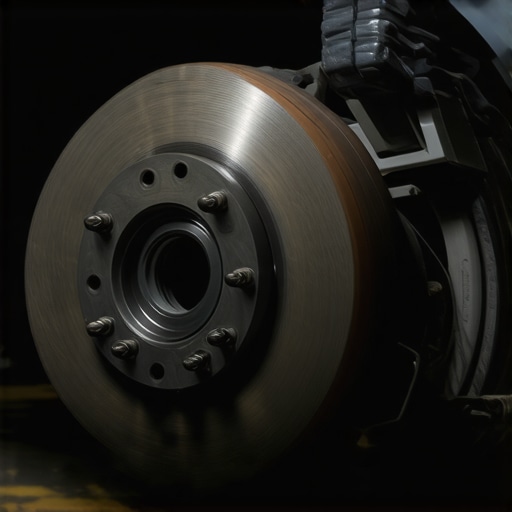
Proper component inspection and maintenance can be the difference between smooth rides and highway vibrations. Consider consulting your trusted mechanic for a thorough brake evaluation if issues persist.
Many car owners believe that routine maintenance tasks like oil changes and brake services are straightforward, but in reality, there’s a lot more nuance involved. A common myth is that changing your oil frequently is all that’s needed to keep your engine healthy, yet modern advancements show that using the right synthetic oil and understanding specific vehicle requirements matter more. For instance, the belief that all oils are interchangeable can actually harm engine longevity. For insight into how oil technology has evolved, check out this guide.
Another misconception pertains to brake maintenance. Many think that brake pads are the only concern, but the real issue often lies in rotor condition and caliper alignment. Replacing pads without inspecting rotors can result in uneven braking and vibrations that worsen over time. It’s a trap to only focus on visible components; a comprehensive brake inspection ensures safety and performance. For detailed myths about brake service, see this article.
Automobile diagnostics are often misunderstood as simple code-reading, yet relying solely on generic scanner results can be misleading. Many drivers assume that clearing the check engine light fixes underlying issues, when in fact, it hides root problems that could lead to significant damage or breakdowns. The real trick is interpreting diagnostic data correctly—advanced diagnostics allow technicians to pinpoint issues like failing sensors or internal engine faults before symptoms become severe. For an in-depth look at diagnostic pitfalls, refer to this resource.
Even expert technicians know that on-vehicle repairs often involve small nuances that can make or break a repair’s success. For example, using the wrong torque settings during bolt tightening can cause future hardware failure. Over-tightening or under-tightening fasteners is a common mistake that leads to leaks, cracked components, or unsafe operation. It’s a subtle detail, but crucial for durability. Avoid this by following manufacturer specifications and double-checking your torque values.
All these misconceptions create a trap—oversimplifying complex automotive systems can lead to premature failures and safety hazards. To help avoid common pitfalls, consider comprehensive vehicle evaluations and stay informed with reliable sources. For example, many misconceptions around oil or brake service persist because of outdated advice. Staying updated with auto repair hacks can save money and extend your vehicle’s lifespan.
What are some myths about auto repair that you’ve believed? Share your experiences in the comments, and let’s sort fact from fiction to keep your car running smoothly.Maintaining your vehicle’s performance requires the right balance of expertise and the proper tools. By investing in quality equipment and mastering specific techniques, you can significantly extend your car’s lifespan and ensure safety on the road. One of my go-to tools is a high-precision digital dial indicator, which I use regularly to check rotor runout before replacing or resurfacing brake components—this step is crucial for preventing vibrations and ensuring smooth braking. Additionally, an automotive scan tool equipped with advanced diagnostics capabilities allows me to interpret engine codes accurately, saving time and preventing unnecessary part replacements. For example, diagnosing a sensor fault early can prevent costly engine damage, as explained in [decoding vehicle diagnostics](https://repairmycarpro.com/decoding-vehicle-diagnostics-what-your-car-is-trying-to-tell-you). I also rely on a sturdy wheel lug torque wrench to tighten fasteners precisely, following manufacturer specifications to avoid issues like warped rotors or broken studs. When it comes to software, I prefer reputable programs like OBDLink’s suite, which offers real-time data visualization and custom parameter monitoring, giving me a comprehensive view of the engine’s health. As vehicle technology continues to evolve, staying updated with the latest diagnostic tools and techniques ensures you’re always prepared for emerging challenges. Looking ahead, the integration of AI-driven diagnostics will likely revolutionize auto repairs by predicting failures before symptoms appear—something to keep an eye on. To keep your vehicles running smoothly over time, regularly calibrate your measurement tools and update your diagnostic software—these small investments pay off by preventing unexpected breakdowns. How do I maintain my diagnostic accuracy? I set a recurring schedule to revisit calibration and software updates—a habit that ensures reliability in every analysis. If you’re serious about long-term vehicle health, I recommend trying out a professional-grade scan tool and committing to routine calibration; you’ll find that proactive maintenance reduces costs and downtime. Remember, the key to successful auto repair is not just the tools you use but how consistently and correctly you apply them—so start incorporating these strategies today.
The Hidden Lessons Behind Highway Brake Vibrations
From my years of experience with vehicle diagnostics and auto repairs, I’ve discovered that the most subtle signals—like that mini-shake in your brake pedal—often hold the key to long-term safety and performance. One lightbulb moment was realizing that ignoring a seemingly minor highway vibration can lead to bigger, more costly problems down the line. It’s crucial to take each vibration seriously, because it might be your vehicle’s way of whispering about warped rotors or suspension wear that needs immediate attention.
The Journey from Frustration to Confidence in Brake Repairs
My personal journey taught me that many brake issues, especially those occurring only upon highway exit, need a meticulous approach. Regularly inspecting rotors for uneven wear and knowing when to replace versus resurface can save time and money. I’ve learned that bleeding the brake system and ensuring proper hardware installation not only fix vibrations but also restore your confidence on the road. For in-depth insights on brake service, check out this guide.
How Precision and Routine Checks Make the Difference
In my practice, I’ve found that a simple, routine check of rotor runout and pad condition can prevent dangerous vibrations. Using specialized tools and following manufacturer torque specifications ensure every component works harmoniously. This proactive approach can detect wobbles before they escalate into dangerous ride conditions. Remember, a well-maintained braking system isn’t an expense—it’s an investment in your safety and peace of mind.
The Cost of Overlooking Brake Warning Signs
One of my biggest lessons was understanding that ignoring vibrations can lead to uneven pad wear, caliper damage, and even compromised braking performance. Small issues, like a slight wobble during highway deceleration, can escalate quickly if neglected. By addressing these signs early, you not only improve safety but also extend the lifespan of your brake components. For comprehensive solutions, explore auto repair hacks that make maintenance straightforward and effective.
Keep Your Vehicle’s Heart in Top Shape
My ultimate insight is that vehicle health is a sum of attentive, consistent care—whether it’s checking for vibrations, monitoring brake pad wear, or ensuring proper rotor alignment. Staying proactive with routine inspections and understanding the signals your car gives can prevent costly repairs and ensure safe driving experiences. Modern tools and tips, like those found in decoding vehicle diagnostics, empower you to take control of your auto maintenance journey. Trust your instincts and don’t hesitate to seek professional help when needed—your safety depends on it!