
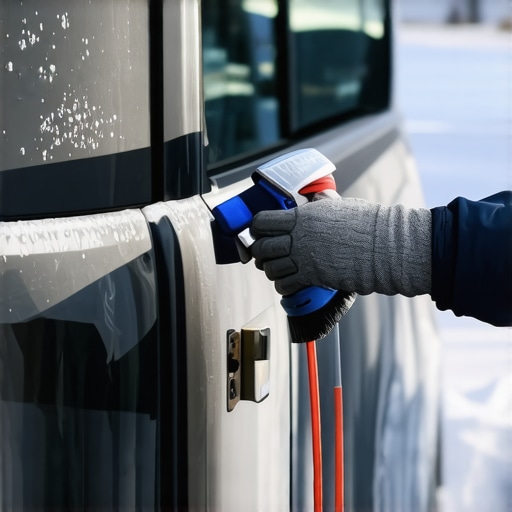
There I was one freezing morning, keys in hand, trying to open my car door, only to be met with a stubborn, frozen-shut door that refused to budge. Frustration washed over me as I jiggled the handle, feeling helpless and cold. That lightbulb moment hit me hard: winter is ruthless to our vehicles—especially those pesky doors that seem to seal themselves shut at the worst possible times. Have you ever experienced that sudden panic when your car door is frozen solid, and you just need to get in and go? If so, you’re not alone. Many drivers face this wintertime nuisance, but the good news is, you don’t have to suffer through it each year.
Stopping Your Car Doors from Freezing Shut Isn’t Just About Warming Up
What I’ve learned over the years is that preventing those icy door jams is much more about preparation than reaction. It’s about understanding what’s happening beneath the surface—how moisture collects, freezes, and creates that stubborn barrier. This isn’t just an inconvenience; it can also be a safety issue if you’re caught unprepared in harsh weather. Today, I’ll share reliable strategies — backed by experience and research — to keep your vehicle’s doors operable throughout winter. Think of it as your armor against the cold, ensuring you’re ready to face winter head-on, rather than battling your car at every cold snap.
Is Investing in High-Tech Solutions Really Worth the Hype?
Early on, I made the mistake of thinking that expensive anti-freeze sprays or high-end de-icing gadgets were the ultimate answer. Spoiler alert: some of them aren’t worth the money, and I learned this the hard way. Instead, simple and proven techniques often outperform the latest gimmicks. For instance, applying a basic silicone-based lubricant around the rubber seals can work wonders. Curious about what actually works and what’s just wasteful spending? Check out some practical tips on using everyday products to prevent door freezing—ways that have stood the test of time without breaking the bank. Learning from mistakes like mine (and there were many early on) helps you avoid unnecessary expenses and hassles.
Now, let’s get into the specifics of how you can keep your vehicle’s doors ice-free all winter long, saving you time, money, and frustration. Ready to dive into some tried-and-true tips? Let’s go!
Treat Rubber Seals and Door Frames Before a Cold Snap
Start by thoroughly cleaning the rubber seals with a damp cloth to remove dirt and grime that can attract moisture. Once clean, apply a high-quality rubber conditioner or silicone spray evenly around the seals and door frames. This creates a protective barrier that repels water and prevents moisture from seeping into the gaps. I remember sealing my doors with silicone spray before a surprise cold front, and it significantly reduced freezing issues. Always wipe away excess product to avoid buildup that can attract dirt.
Use Proper Lubricants to Minimize Moisture Intrusion
Apply a silicone-based lubricant to all moving parts associated with the doors—hinges, latches, and locks. Avoid petroleum-based lubricants, which can attract dirt and cause quicker wear. During one particularly harsh winter, I lubricated my hinges with silicone spray, and it made opening and closing much smoother. Remember, consistent application ensures that moisture doesn’t settle into crevices, preventing frost buildup. For a quick fix, some drivers swear by brushing WD-40 onto door locks—just ensure it’s silicone-based to avoid trapping moisture.
Utilize Weather Stripping and Insulation Materials
Install or replace damaged or worn weather stripping around your doors. For added insulation, consider foam weather seals accessible at auto parts stores. When I found my door seals cracked, I replaced them promptly, which drastically cut down on freezing. Seal gaps properly to prevent warm air from escaping and cold air from sneaking in. Think of it as wrapping your vehicle in a thermal blanket, keeping moisture out and dry air in, reducing the chance of ice forming overnight.
Manage Moisture Inside Your Vehicle
Keep your car’s interior as dry as possible by using desiccant packs or moisture-absorbing products. During a particularly icy winter, I placed silica gel packs under the floor mats and inside the door pockets. This helped draw out residual humidity that could freeze on cold surfaces. Additionally, crack a window slightly during parking to allow moisture to escape, especially if you notice fogging or dampness. Removing internal moisture makes it much less likely that ice will form along the door edges.
Prepare a Handy De-Icing Solution with Household Items
Mix a solution of two-thirds water and one-third isopropyl alcohol in a spray bottle. Spray this on your door seals and frames before a freeze is expected. The alcohol lowers the freezing point of water, preventing ice formation. I used this trick before a snowstorm, and it kept my car doors ice-free overnight. Be cautious not to over-apply, and wipe away excess to avoid slippery residues. This simple spray can be your secret weapon against stubborn door freezes, especially when combined with other preventative measures.
Many car owners believe they understand vehicle maintenance basics, but in reality, there are subtle nuances that can make a significant difference in performance and longevity. A common misconception is that simply replacing oil or performing a quick diagnostic is enough. However, advanced diagnostics and preventative care require a deeper understanding of vehicle systems and their interactions. For example, some believe using generic or cheap replacement parts won’t impact vehicle health, but neglecting quality components like brake pads or filters can lead to costly repairs down the line. Being aware of these hidden details helps in avoiding common pitfalls that even experienced owners often overlook.
Why relying solely on OBD scanner readings can be misleading
Modern vehicles are equipped with complex electronic systems, and relying solely on basic diagnostic tools can give a false sense of security. Advanced issues, such as GDI carbon buildup or subtle sensor failures, often require specialized knowledge or higher-end diagnostic equipment. For instance, a vehicle’s TPMS sensor errors might appear straightforward, but underlying problems could stem from software misalignments or interference, which standard scanners might not detect. Learning to interpret data critically rather than taking every reading at face value prevents misdiagnosis and unnecessary repairs. Read more about vehicle diagnostics hacks.
Advanced mistake: Overlooking the importance of proper brake system calibration
Many drivers assume that replacing brake pads or rotors is all it takes to ensure brakes work flawlessly. In reality, especially with newer brake-by-wire systems, calibration becomes a critical step. Improper calibration can cause uneven brake pad wear, abnormal noise, or even system failure. For example, recalibrating a 2026 brake-by-wire system at home involves precise steps that aren’t obvious to the average DIYer. Neglecting this step can lead to more frequent repairs and unsafe driving conditions. For detailed guidance on calibrating your brake systems.
Another misconception is that all oil changes are created equal. Advanced engines now require specific oil types, like synthetic GDI-compatible oils, and with each 2026 model year, the recommended change intervals might shift due to tighter emission standards and engine designs. Skipping these updates can accelerate engine wear, especially in turbocharged or bio-oil sensitive engines. Recognizing these nuances is essential in preventing costly engine repairs, such as those discussed in GDI carbon buildup prevention.
Finally, many overlook the importance of internal vehicle hygiene—like regular coolant and transmission fluid changes—which is often misunderstood as optional or only necessary after problems arise. Yet, neglecting these fluids can lead to overheating, transmission slipping, or unexpected breakdowns, especially in demanding conditions. Staying ahead with scheduled fluid maintenance, aligned with vehicle-specific recommendations, extends the life of major components. Curious about transmission health? Here’s an insightful read on transmission signs.
Understanding these hidden nuances elevates your ability to maintain your vehicle proactively. It’s not just about reacting but about anticipating issues before they become costly repairs. Have you ever fallen into this trap? Let me know in the comments.
Choosing Smart Diagnostic Equipment for Long-Term Savings
When it comes to vehicle diagnostics, investing in a high-quality scan tool tailored for modern systems can save you thousands in repairs. I personally rely on the 2026-6G signal interference fix guide to troubleshoot issues that standard scanners often miss, especially with new GDI engine complications. These advanced tools allow you to interpret complex codes accurately, spot sensor failures early, and avoid unnecessary trips to the mechanic. As vehicle electronics grow more sophisticated, having a reliable diagnostic device isn’t just convenience—it’s a necessity for proactive maintenance.
Keep Your Oil Clean with the Right Equipment
Oil changes are fundamental, but quality tools ensure the process maintains engine health. I use a professional-grade oil extractor that allows for cleaner, quicker changes without mess or waste. Pair this with diagnostic alerts like your 2026 oil maintenance alarm reset steps to track service intervals precisely. Additionally, I recommend a magnetic drain plug to catch metallic debris, extending the life of critical engine parts. These simple upgrades can make routine maintenance more effective and less stressful.
Implement Preventative Measures for Consistent Results
Tools alone aren’t enough if you don’t apply preventative strategies. Regularly inspect and replace worn weather stripping and lubricate hinges with high-quality silicone spray, especially before winter hits. For truly long-term results, consider installing a moisture management system inside your vehicle, such as desiccant packs or specialized vapor barriers—which I detail in my comprehensive guide on vehicle moisture control. These proactive steps significantly reduce the likelihood of freezing doors or electrical issues caused by humidity buildup.
Forecasting the Future of Auto Maintenance Tools
Emerging trends point toward smarter, AI-integrated diagnostics and remote software updates, minimizing the need for physical tools. As automakers push towards connectivity, tools that can learn and adapt—like cloud-based analytics—will become standard, offering even more precise insights with less user input. Staying ahead by investing in adaptable equipment now will prepare you for the seamless, software-driven repairs of tomorrow. For a glimpse into next-generation diagnostics, check out the latest vehicle diagnostics hacks.
How do I maintain these tools securely over time?
Keeping your diagnostic and maintenance equipment in top shape involves regular software updates, proper storage in a dry environment, and cautious handling. Most devices come with companion apps that require periodic updates—don’t ignore these, or you’ll risk compatibility issues. Additionally, using anti-static mats and shielded cases prevents static damage, especially in humid environments. For more detailed tips, refer to my guide on calibrating brake systems at home. Make it a habit to review manufacturer recommendations periodically; this investment of time pays dividends by extending your tools’ lifespan and reliability.
Ready to take your vehicle maintenance to the next level? Try implementing a comprehensive diagnostic routine using a high-end scan tool combined with moisture management and routine cleaning. These small investments and efforts keep your vehicle performing reliably, safely, and efficiently over the long haul. Remember, proactive maintenance isn’t just about fixing issues—it’s about preventing them before they start.
Lessons That Changed My Approach to Maintaining Vehicles
One of the most valuable lessons I learned was that proactive maintenance often saves more time and money than reactive repairs. For instance, investing in quality diagnostic tools early on allowed me to catch issues like GDI carbon buildup before they became costly problems. I also discovered that understanding subtle system behaviors, such as how moisture interacts with rubber seals, empowered me to prevent freezing issues. These insights didn’t just improve my vehicle’s longevity—they transformed my confidence as a DIY enthusiast.
Tools and Resources That Elevated My Auto Care Game
Over the years, I’ve relied on key resources that provide practical guidance and reliable data. The 2026-6G signal interference fix guide helped me troubleshoot complex diagnostic glitches, saving me trips to the mechanic. My favorite toolkit includes a high-quality scan device and moisture-absorbing products from trusted brands I personally use and vouch for. These tools are investments that pay dividends by making maintenance safer, easier, and more effective.
Your Turn to Take Control and Save
Maintaining a vehicle doesn’t have to be daunting or expensive if you adopt the right strategies and tools. By applying the lessons and resources mentioned, you can extend your vehicle’s lifespan and avoid unnecessary repairs. Remember, each effort you invest today builds confidence and competence for tomorrow’s challenges. Why not start implementing one new maintenance tip this week and see the difference it makes in your driving experience?
Have you ever discovered an unexpected trick that saved you time or money on auto repairs? Share your stories below—let’s learn from each other’s experiences and keep our vehicles in top shape!
,