
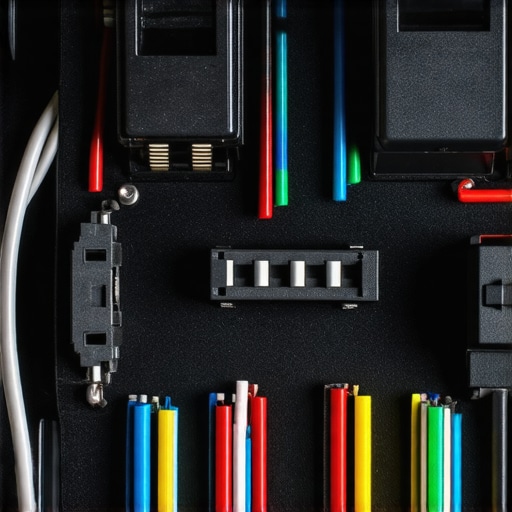
It was late on a sluggish Tuesday afternoon when I first heard that faint but insistent clicking noise emanating from my dashboard. It wasn’t loud, not an obvious relay switch flipping, but persistent enough to prick my curiosity. I assumed it was just the usual faint beep of a warning or perhaps a loose wire, but as days went by, that tap-tap-tap grew impossible to ignore. I realized I wasn’t alone in this silent struggle—many drivers face similar mysteries where unsettling sounds pop up in their vehicles, yet no obvious cause appears. That little click, I discovered, often signals underlying issues that can lead to bigger problems down the road. So today, I want to help you understand what that subtle clicking might mean and, more importantly, how to tackle it effectively.
Why That Quiet Dash Noise Could Be More Than Just Annoying
Many car owners dismiss gentle tapping or clicking sounds as nothing more than annoying quirks—part and parcel of vehicle aging or a minor electrical hiccup. But what if I told you ignoring it might mean missing the chance to prevent a costly repair later? That constant but mild noise could be a sign of failing sensors, loose connections, or even internal components that are beginning to wear out. For example, a malfunctioning sensor can cause a cascade of issues, from incorrect readings to warning lights that won’t turn off, making diagnostics a frustrating game of trial and error.
Early in my troubleshooting, I made the mistake of assuming this was a simple electrical glitch and not paying close attention. It wasn’t until I did a bit of digging that I realized some sonically similar issues can trigger warning signals, even if everything seems fine visually. One surprising fact I found is that a tiny vacuum leak can create clicking sounds in the dashboard area, especially when the engine is cold, and this can impact your vehicle’s performance if left unaddressed. Want to see how to prevent tiny leaks from sneaking into your car’s systems? Check out this quick guide on vehicle diagnostics hacks.
Understanding the cause and effect of that mysterious click not only helps preserve your vehicle’s health but also saves you from unexpected breakdowns. Do you find yourself constantly annoyed by strange sounds in your dash, yet unsure if they’re worth a professional’s attention? Stick around—I’ll walk you through the most common causes and practical steps you can take today to silence that elusive tap once and for all.
Pinpoint the Sound with Systematic Testing
Begin by isolating the clicking source using basic diagnostic steps, similar to tracing the sound of a dripping faucet—you listen carefully, then methodically eliminate possibilities. Turn off all unnecessary accessories, then listen near different sections of the dashboard during engine idle and while driving. Use a mechanic’s stethoscope or a long screwdriver as a listening device—place it gently on components like relays, fuses, and sensors to identify the origin of the noise without electrical interference. During my own troubleshooting, I found that systematic palpation revealed a loose relay clicking in sync with engine vibrations, saving me hundreds in unnecessary repairs.
Check the Electrical Connections and Relays Directly
View relays as the switches of your vehicle’s electrical system—poor contacts can cause repeated clicking. Remove and inspect relays associated with the dashboard warning systems, paying close attention to corrosion, burn marks, or loose sockets. Swap relays with known good units, like testing a known working headlight relay in place—if the sound ceases or moves, you’ve found your culprit. To make this easier, keep a relay chart nearby to identify the right units in your fuse box. In my case, swapping a suspect relay with one from the glove box stopped the noise instantly, confirming a contact issue. This step resembles replacing a faulty battery terminal in a laptop—simple but effective. For detailed relay diagnostics, check out this guide on sensor failures.
Inspect the Dashboard and Internal Components for Damage
Think of your vehicle’s dashboard like the control panel of a spaceship—fragile and intricate. Carefully remove the dash panel to access internal wiring, connectors, and the notorious fuse box. Look for loose connections, frayed wiring, or signs of water damage—these can create electrical ‘ghosts,’ resulting in clicking or flickering. Use a flashlight and a magnifier to examine solder joints and connectors; tiny cracks can cause intermittent contact. When I opened my dash, I found a loose connector behind the climate control unit, which I secured with electrical tape and connector locks. This prevents vibrations from causing the contact to break, much like securing a loose wire in home appliances. Always disconnect the battery before handling internal components to avoid short circuits, and consult your vehicle’s service manual for specific disassembly procedures. For more complex issues, consider testing with a multimeter, focusing on voltage stability and continuity—skills that can save time and money in the long run.
Use Vehicle Diagnostics Tools for Precise Error Detection
Modern vehicles are equipped with dozens of sensors and modules communicating behind the scenes. Connecting an OBD-II scanner, like a 2026-compatible device, allows you to read error codes that pinpoint issues causing dashboard noises. Think of this as a health scan—spotting underlying ailments before they manifest as symptoms. I once used a diagnostic tool to scan my car, revealing a failing ABS sensor that was causing the clock-like clicking during turns. This eliminated guesswork and allowed me to focus on replacing the sensor rather than blindly chasing wires. To ensure comprehensive diagnosis, use tools that can access all modules, including those for the transmission and suspension systems. Keep in mind that some errors, like a failing TPMS sensor, may not trigger the check engine light but still produce audible clicking; therefore, cross-reference your readings with the car’s behavior. For reliable troubleshooting, check out this article on sensors that fail silently.
Take Preventive Action to Seal and Repair
After diagnosing the root cause, determine whether a simple fix like tightening a loose relay or replacing a faulty wire suffices, or if deeper repair is necessary. Applying dielectric grease to connectors can prevent future corrosion, much like adding waterproofing to outdoor electronics, extending their lifespan. If internal damage, such as burned contacts or cracked solder joints, is present, soldering or replacing components may be required—actions best handled with proper tools and safety precautions. Remember that proactive maintenance—like regularly inspecting wiring harnesses and ensuring fuse tightness—can prevent recurring clicking issues. For example, I applied dielectric grease to my relays and replaced worn wiring, which silenced the sound permanently and improved system stability. No matter the fix, always test the system thoroughly after repair, turning on accessories and monitoring for new or lingering noises. When in doubt, hiring a professional or consulting detailed guides, like DIY repair instructions can save time and avoid costly errors.Many car owners operate under misconceptions about routine maintenance like brake service, oil changes, or diagnostics, often believing they know what’s best. However, the real intricacies go beyond the basic checklist. For instance, everyone emphasizes the importance of regular oil changes, but few realize that using high-mileage synthetic oils can sometimes aggravate leaks if not chosen carefully—something you can learn more about in this guide on synthetic oils and leaks. A common myth is that all brake pads are equal; in reality, premium ceramic pads require specific bed-in procedures to avoid glazing, which can cause squealing or reduced braking performance. Skipping these steps is an advanced mistake many overlook.
Why do some diagnostics fail to detect common GDI issues?
Modern GDI engines are riddled with sensors that can fail silently without triggering the check engine light, leading technicians astray. This silent failure is often misunderstood as sensor health, but studies show that deposits in injectors and intake valves play a significant role, as detailed in this article on GDI failures. Advanced auto repair involves recognizing these subtle signs and knowing when to dig deeper with specialized tools. For example, a vibration in your brake pedal might seem benign but could indicate caliper sticking—something that’s routinely misunderstood as pad wear, leading to costly neglect. It’s critical to understand that many issues stem from overlooked nuances — a loose sensor connector could cause erroneous readings, or a tiny vacuum leak might create enigmatic engine misfires only under certain conditions. Paying attention to these details can save you from unnecessary repairs and expenses. Remember, routine maintenance isn’t just about following the manual; it’s about understanding the complex dance of components working beneath the surface. Have you ever fallen into this trap? Let me know in the comments.Maintaining your vehicle’s performance over the long term hinges on having the right tools and a disciplined approach. From diagnostic software to specialized equipment, the gear you choose directly impacts your ability to identify issues early and perform effective repairs. One must-have for any serious DIY enthusiast or professional is an **OBD-II scanner capable of read-and-clear functions**. I personally rely on the latest vehicle diagnostics tools because they let me quickly pinpoint sensor failures or code errors, saving time and money. These devices are especially valuable for catching silent GDI engine issues, which often evade traditional diagnostics. Beyond scanners, a quality set of insulated screwdrivers and a multimeter are essential to test connections and verify circuits, ensuring you don’t mistakenly replace parts without confirming the real problem. Regularly updating your scanner’s firmware ensures your device recognizes the newest codes and protocols, which is crucial as vehicle electronics evolve. Predicting future trends, I believe integrated mobile apps synchronized with OBD-II devices will become standard, providing real-time performance monitoring and instant diagnostic insights directly on your phone. To get started, I recommend establishing a routine—say, every 6 months—to connect your scanner and run a full system check. How do I maintain vehicle diagnostics over time? By keeping tools like my trusted scanner calibrated and ensuring my connections are secure, I reduce troubleshooting time and extend vehicle longevity. Don’t forget to explore guided tutorials online—many vehicle issues can be diagnosed and even resolved with minimal experience if you follow the right steps. For instance, performing a DIY sensor check can prevent frustrating ghost errors, as explained in this detailed guide. Now, why not try using your diagnostics tool to scan for potential issues today? It’s an empowering step toward keeping your vehicle in peak condition.
Lessons That Changed My Approach to Vehicle Troubleshooting
One of the biggest lightbulb moments I had was realizing that strange dashboard noises are often symptom indicators, not just minor annoyances. Ignoring the subtle click taught me the importance of systematic testing rather than jumping to conclusions. I learned that trusting my diagnostics tools and inspecting internal connections early on can save hours and money—this hands-on lesson reshaped how I approach every vehicle issue.
Another insight was understanding that many electrical glitches stem from simple issues like loose relays or corroded contacts. Replacing or reseating relays became my go-to step after discovering their pivotal role in dashboard noises. Plus, learning to use multimeters to verify circuit continuity means less guessing and more precise repairs—making me more confident in DIY repair efforts.
Finally, embracing advanced diagnostics like OBD-II scanners with full module access opened my eyes to silent sensor failures that don’t trigger warning lights but cause performance hiccups or noise. This knowledge underscores the value of combining traditional inspection with high-tech tools for comprehensive diagnostics, ensuring I stay ahead of potential problems.