
Have you ever been jolted awake by that unmistakable squeal from your car door every time you hit a bump? I remember the first time it happened to me on a quiet Sunday morning. Just a small pothole, and suddenly, that creaking noise filled the entire neighborhood. It’s that kind of sound that instantly turns your peaceful drive into an annoyance, and worst of all, it makes you worry about what’s really going on under the surface.
Fix That Annoying Creak Before it Becomes a Big Problem
When I faced my own squeaky door, I learned that it’s more than just an irritant; it’s often a sign of worn hinges, dry lubrication, or even more complex issues lurking beneath. But here’s the good news — most of the time, a simple fix can quiet things down and prevent future damage. Today, I’m going to share how I tackled this issue based on my experience and some tried-and-true auto repair tips that I’ve picked up along the way.
Is Oil and Lubricant Just a Waste of Time?
This is probably the biggest skeptic’s question. Believe me, I’ve been there. I used to think that pouring oil on hinges was just an old mechanic’s myth or a temporary patch. But that’s a mistake I made early on, and it cost me more money and frustration. Proper lubrication isn’t just about silence; it’s about preserving the components and preventing corrosion or wear. According to the experts at Brake Service Myths Busting, regular maintenance, including lubrication, can extend the lifespan of your vehicle’s parts significantly.
So if you’re tired of that embarrassing squeal every time your car hits a bump, keep reading. We’re going to start with simple inspection and lubrication techniques that I personally swear by — no fancy tools required — and you’ll learn how to make your doors whisper instead of scream. Ready to silence those creaks once and for all? Let’s dive into the steps that made a real difference in my car and can do the same for you too.
Start with a Visual Inspection of Hinges and Latches
Before applying any lubricant, open the car door and examine the hinges, latch, and striker plate for signs of rust, dirt, or wear. During my own experience, I noticed a buildup of dirt and some rust on the hinges, which contributed to the squeal. Use a flashlight to get a clear view, and if grime is present, wipe it off with a clean rag or a brush. This step ensures the lubricant can reach the metal surfaces effectively.
Choose the Right Lubricant for Automotive Parts
I initially tried generic household oils, but they quickly proved ineffective and attracted more dirt. After some research, I settled on a high-quality silicone spray or a dedicated automotive lubricant, which forms a protective film and withstands temperature fluctuations. For best results, opt for a lubricant specifically designed for door hinges, such as lithium grease or dry film lubricants.
Apply the Lubricant Precisely and Adequately
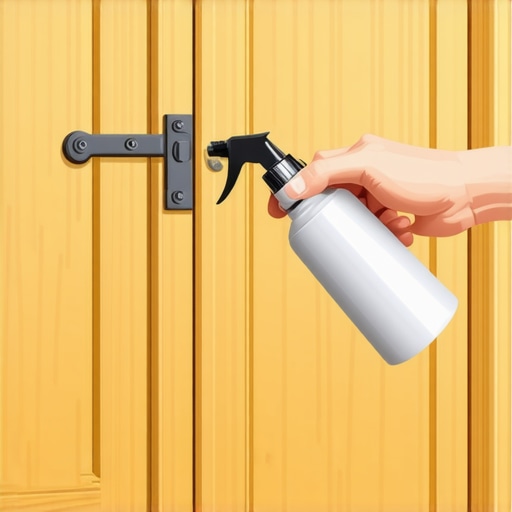
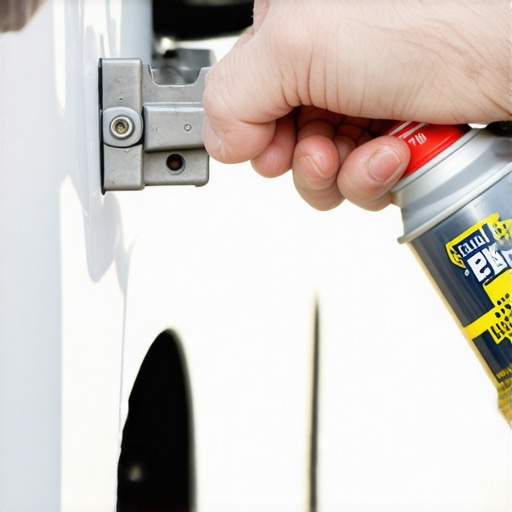
Position a straw or nozzle attachment on your lubricant spray for precision. Spray liberally onto the hinge pin, pivot points, and latch mechanisms, making sure to cover all moving parts. During my application, I ensured to spray from different angles, allowing the lubricant to penetrate into the joints. Work the hinge back and forth manually to distribute the lubricant evenly. This method is akin to oiling hinges on a gate—the more coverage, the quieter the operation.
Don’t Forget the Striker Plate and Catch
Often overlooked, the striker plate and latch catch can also squeal if dry or gummed up. Spray these parts and manually operate the latch multiple times to ensure smooth engagement. I experienced immediate improvement after lubricating these areas, and the squeak disappeared within minutes.
Perform a Test Drive and Reapply if Necessary
Close and open the door several times to work the lubricant into the hinges and latch. Listen for any remaining squeal. If noise persists, reapply the lubricant, focusing on areas that seem less smooth. In my case, a second round of application dramatically reduced the squeak, leaving the door operating whisper-quiet.
Maintain Regular Lubrication Schedule
To prevent future squeals, set a reminder to inspect and lubricate your door hinges every 6 to 12 months, especially after winter or exposure to salt and moisture. Consistent maintenance preserves hinge condition and minimizes noise, saving you from costly repairs down the line.
Remember, a little proactive effort goes a long way. If you encounter persistent issues or want expert help, consider reaching out to auto repair professionals at Repair My Car Pro. Proper care not only silences squeals but also extends the life of your vehicle’s door components.
Misconceptions About Brake Service That Could Cost You More
Many car owners believe that replacing brake pads alone is enough for safe braking. However, this oversimplification ignores critical components like rotors and calipers, which can wear unevenly and compromise safety. Ignoring these parts can lead to premature wear or even brake failure. Proper brake service involves inspecting the entire braking system and addressing issues beyond just the pads. Reading expert insights at Brake Service for Safety and Performance reveals how overlooked details can be dangerous.
The Truth About Oil Changes That Most Drivers Miss
Contrary to popular belief, your car doesn’t necessarily need an oil change every 3,000 miles. Modern synthetic oils and advanced engine technologies allow for longer intervals, sometimes up to 10,000 miles. The key lies in understanding your vehicle’s specifications and driving habits. Neglecting this nuance may lead to unnecessary maintenance costs or engine damage. For in-depth guidance, visit Oil Change Innovations to see how technology is changing maintenance practices.
Why Vehicle Diagnostics Can Be Mistaken for Guesswork
Many assume that vehicle diagnostics are infallible, but this isn’t the case. Diagnostic tools are only as good as the data they receive and the technician’s interpretation. Relying solely on code readers without understanding the underlying mechanics can lead to misdiagnosis. For example, a flashing check engine light might indicate different issues—ranging from a sensor malfunction to a serious engine problem. Advanced diagnostics, as explained here, combine technology with expert analysis to prevent costly mistakes.
Advanced Mistake to Watch Out For
One common pitfall is assuming that all repairs are straightforward based on diagnostic codes. This can delay the identification of hidden issues like wiring problems or sensor failures that don’t trigger codes immediately. For example, intermittent car stalls may be caused by poor ground connections, a detail often missed. A comprehensive approach, including detailed inspections and understanding vehicle nuances, can make all the difference. For guidance, check Decoding Vehicle Diagnostics.
Having the right knowledge about these hidden nuances can save you money, improve safety, and extend your vehicle’s lifespan. Don’t fall into the trap of misconceptions—stay informed and proactive. If you’re unsure about your vehicle’s condition or need a professional assessment, consider reaching out to experts at Repair My Car Pro. Have you ever fallen into this trap? Let me know in the comments.
Keep Your Car Running Smoothly with Precision Tools
Maintaining your vehicle over the years hinges on using the right equipment and adopting effective methods. From diagnostic scanners to lubrication aids, every tool plays a role in prolonging your car’s lifespan and ensuring safety. I personally rely on a high-quality OBD-II scanner like the BlueDriver, which provides comprehensive code analysis and live data streams. It’s invaluable for diagnosing issues early before they escalate, saving me money and headaches. For precise repairs, a digital torque wrench ensures each bolt is tightened to factory specifications, preventing over-tightening or under-tightening that can cause future failures. The vehicle diagnostics explained guide emphasizes how critical proper torque application is for components like brake rotors and headlight assemblies.
Embracing Software and Automation
Beyond physical tools, modern car maintenance benefits greatly from specialized software. I use repair software that integrates vehicle history, wiring diagrams, and service schedules, streamlining the maintenance process. Apps like autoCare or MIDAS provide reminders for oil change intervals tailored to your driving habits and environmental conditions. Looking ahead, I predict that AI-driven diagnostics will become more prevalent, offering real-time alerts for potential failures based on sensor data analysis, much like the advancements discussed at vehicle diagnostics explainers. Staying ahead with such technology ensures your vehicle is always ready for the road.
How do I maintain auto diagnostics over time?
The key to long-term diagnostics is regular software updates and sensor checks. Regularly update your diagnostic tools to access the latest repair codes and system improvements. Additionally, inspect sensors like oxygen sensors, MAF, and MAP sensors, as faulty readings can mislead your diagnosis. Ensuring wiring connections are tight and free from corrosion also helps maintain diagnostic accuracy. Remember, inconsistent or inaccurate data hampers effective repairs and can lead to unnecessary replacements. For broader insights, consult tips to extend your vehicle’s lifespan. To get started on precision diagnostics, consider scheduling an appointment with auto professionals through contact us and experience how expert tools and methods safeguard your investment.
Once you’ve integrated these tools and practices, I highly recommend trying the advanced diagnostic check mentioned here. It could reveal hidden issues before they become significant problems, ultimately saving you time and money down the line.
Looking Ahead: The Future of Vehicle Maintenance
As technology evolves, we can expect autonomous diagnostics and predictive maintenance to become standard features, transforming car care from reactive to proactive. Early adopters will enjoy fewer breakdowns and lower repair costs, making vehicle ownership more hassle-free. Staying current with innovations ensures your vehicle remains dependable for years to come.
What I Learned the Hard Way About Auto Care
One of the biggest lessons I uncovered is that quick fixes often lead to bigger headaches down the road. Ignoring small squeaks or delaying oil changes might seem insignificant at first, but they can escalate into costly repairs. Paying close attention to your vehicle’s behavior and taking proactive steps, like regular lubrication and inspections, can save you both time and money. This insight reshaped how I approach auto maintenance, emphasizing prevention over repair.
Tools That Make a Difference in Your Garage
Investing in quality diagnostic tools, such as a reliable OBD-II scanner, transformed my ability to catch issues early. These devices provide actionable data that can prevent minor problems from becoming catastrophic. Additionally, using a digital torque wrench ensures every bolt is tightened correctly, extending component lifespan. Trusting these tools, backed by expert advice from the repair experts, makes maintenance more precise and stress-free.
Keep Your Car Whisper-Quiet for Confidence on the Road
Imagine opening your door and hearing nothing but silence—it’s a small detail that boosts your peace of mind. With consistent lubrication, timely inspections, and proper maintenance routines, you can maintain that serene experience. There’s an incredible satisfaction in knowing that your vehicle operates smoothly, thanks to proactive care. Taking these small yet impactful steps ensures your car remains reliable, making every drive enjoyable and safe.
Have You Discovered Your Own Car Care Hack?
Every vehicle owner learns unique tricks to keep their cars running smoothly—what’s yours? Whether it’s a seasonal maintenance tip or a simple tool that saved you money, sharing your experience could inspire others to take better care of their vehicles. Drop your story in the comments below and join a community committed to smarter auto repairs!