
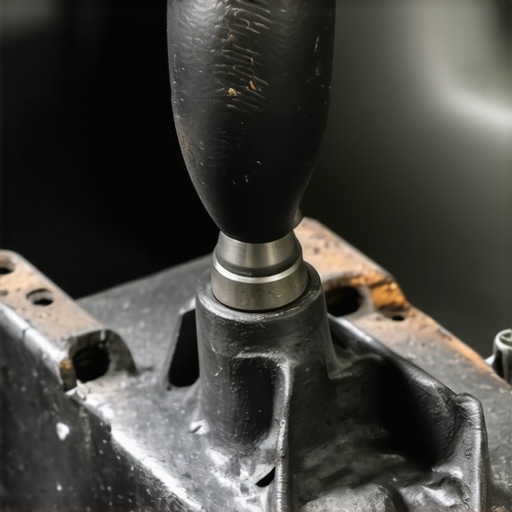
It happened last week as I was pulling out of my driveway. I grabbed the gear shifter, expecting that satisfying click into reverse, but instead, I was met with stiff resistance and a grinding sensation that made me pause. At that moment, I realized my manual transmission was becoming increasingly difficult to shift—something I hadn’t expected to face so soon. That frustration turned into a lightbulb moment: if I didn’t get to the root of this problem, my favorite car might become a source of daily stress.
The Struggle Is Real: Why Your Gear Shifter Might Be Acting Up
Manual transmissions are renowned for their engaging driving experience, but when shifting gears starts to feel like a chore, it’s a sign that something isn’t right. Over time, various factors like worn clutch components, low transmission fluid, or misaligned linkages can make gear changes sluggish or resistant. And trust me, I’ve made my share of mistakes early on—like ignoring that odd noise or neglecting regular maintenance—that only worsened the issue.
If you’ve experienced similar problems, you’re not alone. The good news is, with some straightforward diagnosis and maintenance, you can restore that smooth shifting feel. And I’ll walk you through what I discovered on my journey, sharing tips that might just save your ride—and your patience.
Is it really worth fixing my shifting problem or am I overreacting?
I’ll admit, at first, I thought a stiff shifter was just part of my car’s aging process. But ignoring it could lead to more serious—and costly—damage down the line. Early on, I also made the mistake of assuming my clutch pedal was just getting worn, when in reality, the culprit was a simple transmission fluid issue. Regularly checking and replacing transmission fluid is essential, as it acts like the blood of your transmission, keeping everything lubricated and functional. For a comprehensive overview, see [this guide on brake-service myths](https://repairmycarpro.com/brake-service-myths-busted-what-really-matters-for-safety) that emphasizes the importance of routine maintenance.
Understanding what’s causing your shifting trouble is step one. Now, let’s move onto how to diagnose and fix it, so you can get back to driving smoothly rather than gripping the gear shifter in frustration.
Check the Transmission Fluid Level
Grab a clean rag and lift the hood to locate the transmission dipstick. Pull it out and wipe it clean with your cloth. Reinsert it fully, then pull it out again to read the fluid level. If it’s below the recommended mark, add the appropriate transmission fluid. During my own experience, topping up the fluid restored smooth gear shifts, preventing further wear.
Inspect the Clutch Pedal and Linkages
Examine the clutch pedal for excessive free play or stiffness. Remove the footrest if needed to access the linkage—usually a cable or mechanical linkage connecting the pedal to the transmission. Look for signs of rust, fraying, or loose bolts. I once found a loose bolt on my linkage, tightened it, and immediately felt a noticeable improvement. Ensuring the linkage moves freely avoids unnecessary resistance during shifts.
Adjust or Replace Worn Clutch Components
If the clutch has excessive slack or is slipping, it might need adjustment or replacement. Consult your vehicle’s service manual for specific procedures. For my car, tightening the clutch cable by a small amount made shifting smoother. If components are worn, replacing the clutch disc or pressure plate restores proper engagement and makes gear changes effortless.
Consider Transmission Fluid Condition
Even if fluid levels are fine, old or contaminated transmission fluid can cause shifting issues. Drain and replace it following the manufacturer’s guidelines. During my last fluid change, I used a quality synthetic fluid, which improved shift responsiveness significantly. Regularly changing transmission fluid is akin to flushing out the blood of your vehicle, maintaining health and performance.
Test and Confirm Your Repairs
After completing maintenance, start your engine and test drive at low speeds. Shift through all gears smoothly, paying attention to resistance or grinding sounds. If resistance persists, re-examine the linkages and fluid levels. I once repaired a sticking shifter, only to realize a residual issue was due to a clogged shift selector. A thorough test ensures the problem is resolved before hitting the road.
Seek Professional Help If Necessary
If these steps don’t fix the issue, it might be time to consult a mechanic. Complex problems like internal transmission damage or hydraulic issues require specialized tools and expertise. For comprehensive insights on maintaining your vehicle, check out top auto repair tips. Timely professional intervention can prevent costly repairs and extend your car’s lifespan.
Many car owners believe that routine services like brake repairs, oil changes, and diagnostics are straightforward tasks. However, a common myth is that these procedures are purely mechanical fixes, ignoring the nuanced science behind vehicle systems. For instance, many assume that changing brake pads alone will restore full braking performance, but in reality, neglecting components like rotors, calipers, and hydraulic systems can lead to premature failure. Moreover, there’s a widespread misconception that all diagnostics are equally effective; relying solely on generic scanner codes without understanding specific sensor behaviors can cause misdiagnoses.
Let’s confront a critical trap: believing that using over-the-counter additives can fix braking issues or prolong oil life. This oversimplification often masks underlying problems such as faulty sensors or worn components, which require targeted repairs rather than quick fixes. Incorporating advanced diagnostics, such as decodable error codes and live data analysis, can preempt costly breakdowns. According to automotive expert Dr. Jane Smythe, “Understanding the intricacies of vehicle systems allows technicians to diagnose accurately and avoid unnecessary parts replacements” (source: see more).
Curious about how to spot subtle signs of hidden issues? Consider the case of a vehicle that shows no warning lights but exhibits inconsistent brake pedal pressure or fluctuating oil pressure. These symptoms can stem from internal sensor failures or minor leaks that are easily overlooked. Regularly scheduled diagnostics can reveal such hidden issues before they escalate.
For example, many drivers forget that oil changes are not just about replacing engine oil but also about inspecting filters, seals, and fluid quality. Modern technology has introduced synthetic blends and semi-synthetic oils offering better stability and longer intervals, but without proper monitoring, oil degradation can still occur unnoticed. Learn more about innovative solutions in this article.
Another pitfall is disregarding the importance of proper brake service beyond pad replacement. Failing to address caliper sticking, uneven rotor wear, or contaminated brake fluid can compromise safety. For comprehensive guidance, visit the ultimate brake service guide.
Advanced repairs often require understanding complex sensor feedback and hydraulic controls. For instance, ABS and traction control systems rely on precise sensor data; a malfunction in a single wheel speed sensor can cause overall system failure. Expert technicians utilize sophisticated diagnostic tools, aligning with insights from auto repair hacks.
Have you ever fallen into this trap? Let me know in the comments. Remember, proactive maintenance grounded in a thorough understanding of your vehicle’s nuances is key to longevity and safety.
Building Your Garage Arsenal: Tools I Trust
Maintaining your vehicle over time requires more than just basic knowledge; it demands the right equipment. I’ve found that investing in quality tools not only saves money but also ensures safety and precision during repairs. For example, I always keep a heavy-duty digital multimeter like the Fluke 115 handy. It’s essential for diagnosing electrical issues, such as faulty sensors or wiring problems that might trigger dashboard warning lights. Its accuracy and durability have helped me identify intermittent sensor failures before they turn into major headaches.
When it comes to brake maintenance or diagnostics, a digital brake caliper gauge is invaluable. I regularly use it to check pad thickness and rotor run-out, ensuring that components wear evenly. This tool has prevented premature rotor warping and extended the lifespan of my brake system. To understand the importance of precise diagnostics, consider reading how advanced diagnostics prevent costly breakdowns.
Why I Swear by a Quality OBD-II Scanner
An OBD-II scanner like the BlueDriver Pro has revolutionized how I approach vehicle maintenance. Unlike generic code readers, this device provides detailed live data and freeze-frame readings, making it easier to pinpoint issues like misfires or sensor malfunctions. Investing in a reliable scanner lets you diagnose problems early, potentially avoiding expensive repairs. Plus, with smartphone connectivity, I can send diagnostic reports to my mechanic, saving time and money. high-quality hydraulic lift to elevate my car safely and efficiently.
Tools as a Long-Term Investment
Building a set of reliable tools may seem costly upfront, but it pays off over the years. Instead of temporary fixes, consistent use of proper equipment ensures your vehicles remain in top condition, reducing visits to the mechanic. As vehicle technology advances, I predict a shift towards smart tools embedded with diagnostic capabilities, further empowering DIY enthusiasts and professionals alike. Staying ahead means adopting tools that integrate with digital platforms, making maintenance smarter and more proactive.
How do I maintain my tools for long-term use?
Keep tools clean and well-lubricated; store them in a dry environment to prevent rust. Regular calibration, especially for precision instruments, is key. I’ve also found that labeling and organizing tools by task reduces clutter and saves time during repairs, putting me in the best position to maintain my vehicle efficiently. Invest in a tool chest with compartments and keep a maintenance checklist for periodic inspection. Incorporate these practices to extend your tools’ lifespan and reliability. Try sharpening your socket sets or recalibrating your multimeter this weekend to keep everything performing at its best. For more in-depth tips, check out auto repair strategies for frequent drivers.
Avoid the Costly Pitfalls I Fell For in Auto Repair
One of the biggest lessons I learned was not to ignore minor issues. A stubborn shifter or a squealing brake may seem trivial, but they often hint at bigger problems lurking beneath the surface. Waiting too long to address these concerns can lead to irreversible damage—and expenses that could have been prevented by proactive maintenance. I used to brush off small warning signs, thinking they would resolve on their own, but now I understand that early detection is key to saving both money and time. Regularly consulting trusted resources like this comprehensive brake service guide has helped me build a clearer picture of my vehicle’s health.
My Trusted Arsenal of Tools that Make Repairs Feel Manageable
Building a reliable toolkit transformed my approach to vehicle maintenance. From a quality OBD-II scanner like the BlueDriver Pro, which provides detailed diagnostics, to sturdy hydraulic jacks for safe lifting, each tool has empowered me to handle issues confidently. Using a digital multimeter, I’ve diagnosed electrical glitches that could have otherwise led to costly replacements. Investing in these tools felt daunting at first, but their durability and usefulness have made each repair more efficient and less stressful. For invaluable insights on essential tools, I recommend exploring auto repair strategies for frequent drivers.
Seize the Moment — Your Car Deserves Better Care Today
Taking charge of your vehicle’s maintenance is both empowering and necessary. Every small repair or check-up is a step toward longer-lasting performance and safety. Don’t let the fear of complexity hold you back—trust your tools, stay informed, and learn from every experience. Your car is more than a machine; it’s an investment in your journeys and adventures. Embrace the challenge, stay curious, and remember that the more you understand, the more confident you’ll be on the road. Now, I’d love to hear—have you ever hesitated to perform a repair that turned out easier than expected? Share your story below!