
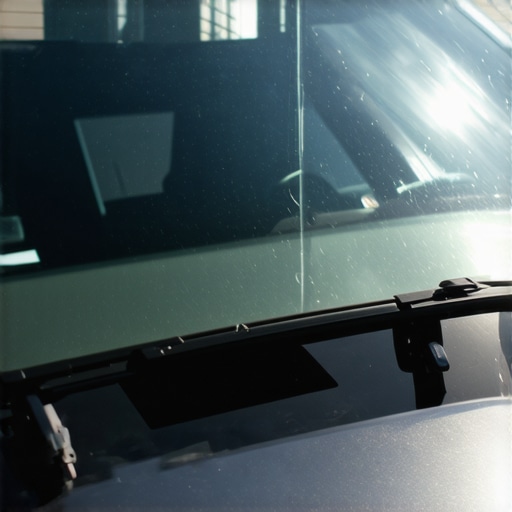
I remember the moment quite vividly when I realized my windshield wipers had become a major obstacle instead of a helper. It was a dark, rainy evening; I rolled down the window to see if I could spot the issue better, only to be greeted by streaks and smears that made driving a nerve-wracking experience. Frustration bubbled up as I slapped the steering wheel, thinking, “Do I really need new blades?” That lightbulb moment led me down a path of discovery—and today, I want to share that with you.
Why Your Wipers Are Streaking and How to Fix Them, No Purchase Required
Imagine this: you’re already running late, trying to clear the rain from your windshield, but your wipers just smear and smear again. It’s enough to make you wish for clearer weather or a magic wand to fix the mess. But here’s the truth—your wiper blades might not be the culprit, or at least, they don’t have to be. Often, the issue lies in the cleanability of the blades or the windshield itself, which can be remedied with simple, inexpensive tricks.
What if I told you that you can restore your wiper’s clarity without dropping a dime on new blades? That’s right. I used to believe that replacement was the only fix, but after some trial, error, and advice from seasoned auto repair aficionados like those at [RepairMyCarPro](https://repairmycarpro.com/auto-repair-hacks-save-money-without-sacrificing-quality), I discovered surprisingly effective methods to eliminate streaks. And the best part? It’s often a matter of cleaning and maintaining what you already have.
This guide will walk you through practical steps to regain that streak-free sweep—steps that I’ve personally tested and perfected. So, if you’ve ever felt embarrassed to have friends over because your windshield looks more like a muddy mirror, stick around. Before diving into solutions, let’s address one skepticism many of us have: “Does this really work?” Many early on mistakes, like ignoring the importance of cleaning the windshield itself, can cause frustration. Trust me, I’ve been there. But with the right approach, you can solve this problem yourself, quickly and cheaply.
Are you ready to see your windshield clear again without unnecessary expenses? Great! Let’s get into practical, proven methods to stop your wipers from streaking and start driving safer today.
Clean the Blades and Windshield Simultaneously
First, gather a microfiber cloth, some white vinegar or rubbing alcohol, and warm water. I vividly recall the first time I took my wipers off to clean them, ending up with a messy but rewarding process. Dampen the cloth with vinegar and wipe both sides of each blade thoroughly, removing any grease and grime that cause streaks. Meanwhile, spray the windshield with the warm water-vinegar solution and wipe in circular motions. The result will surprise you—a streak-free view with minimal effort.
Use an Emery Cloth or Sandpaper for Stubborn Residue
If streaks persist, it’s time for a bit more aggressive cleaning of the wiper blades. I remember a weekend morning where stubborn deposits refused to budge. Gently rub the rubber blade with fine-grit sandpaper or an emery cloth to remove embedded dirt and rough edges. After polishing, clean the blades with a damp cloth. This step restores the blade’s flexibility and grip, preventing smearing during rain showers.
Inspect and Correct the Wiper Arm Tension
Sometimes, streaking isn’t just a cleaning problem but a misalignment or loose tension issue. Grab a small socket wrench and carefully examine the wiper arm’s attachment point. If the arm feels loose, tighten the bolt gently—don’t overtighten, or you might damage the pivot. Proper tension ensures the blade makes consistent contact with the glass, which can often solve streaking issues without replacing the blades.
Apply a Windshield Treatment to Repel Water
After cleaning, applying a hydrophobic coating like Rain-X can help the water bead off and reduce streaks. This isn’t a replacement for cleaning but an effective supplement. I once applied this treatment on a rainy night, and the wipers glided smoothly across the glass, clearing rain faster. Remember, for best results, dry the windshield completely before applying, and let it cure for a few hours before rain hits.
Maintain Your Windshield and Wipers Regularly
Lastly, establish a routine of cleaning both every few weeks. Regular maintenance prevents grime buildup that causes streaks and prolongs the life of your blades. When I started this habit, I noticed my wipers remained effective much longer—saving me both time and money over the years. Avoid neglecting the windshield—use a dedicated glass cleaner and microfiber cloth, avoiding harsh chemicals that can degrade the rubber blades.
Many car owners believe that routine auto services like brake repairs or oil changes are straightforward tasks that require little more than following basic instructions. However, underestimating the nuances of these procedures can lead to costly mistakes and compromised safety. For example, a common myth is that simply replacing brake pads will automatically restore optimal braking performance. In reality, ensuring the rotors are in good condition, the calipers function properly, and the system is properly bitted is essential—details often overlooked by home mechanics who focus only on pad replacement. Dive deeper into [brake service myths busted](https://repairmycarpro.com/brake-service-myths-busted-what-really-matters-for-safety) to understand what truly matters for safety.
Another misconception revolves around vehicle diagnostics. Car diagnostics aren’t just about reading error codes; they require an advanced understanding of sensor inputs, electrical systems, and how various subsystems interact. Relying solely on generic scanner readings can result in missed issues or misdiagnosis, especially as systems become more sophisticated. The intricacies of decoding modern vehicle diagnostics are explored in [decoding vehicle diagnostics](https://repairmycarpro.com/decoding-vehicle-diagnostics-what-your-car-is-trying-to-tell-you). Failing to recognize these nuances might lead you to perform unnecessary repairs or overlook looming problems.
When it comes to oil changes, many think all oils are created equal. Yet, modern synthetic oils and advanced filtration technologies like those discussed at [oil change innovations and technologies](https://repairmycarpro.com/oil-change-innovations-technologies-that-save-your-engine) show that selecting the right oil isn’t just about viscosity but also about formulation and additive packages suited for your engine type. Using outdated practices or ignoring manufacturer recommendations can cause engine wear or even failure over time.
Advanced auto repair isn’t just about the parts—it’s about understanding the complex network of systems in today’s vehicles. Ignoring the subtle signs of wear or miscommunication among sensors can quickly turn minor issues into major breakdowns. That’s why [auto repair strategies for frequent drivers](https://repairmycarpro.com/essential-auto-repair-strategies-for-frequent-drivers) emphasize proactive diagnostics and precise repairs.
A critical trap many fall into involves neglecting comprehensive inspections. For example, focusing exclusively on visible wear without checking for hidden corrosion, electrical faults, or software glitches can be detrimental. Modern vehicles often depend on software updates and sensor calibrations, making it imperative to treat auto repairs as holistic processes, which some advanced diagnostic tools can facilitate—read more at [prevent costly breakdowns](https://repairmycarpro.com/how-advanced-vehicle-diagnostics-prevent-costly-breakdowns). Remember, the difference between a good repair and a great one lies in respect for these nuanced details.
Have you ever fallen into this trap? Let me know in the comments.To keep your vehicle running smoothly over the years, investing in the right tools and adopting proven techniques is essential. Personally, I rely on a high-quality digital multimeter, like the Fluke 115, which provides precise readings for troubleshooting electrical issues. This tool has saved me hours by quickly pinpointing faulty sensors or weak connections, especially when decoding vehicle diagnostics, as detailed in [decoding vehicle diagnostics](https://repairmycarpro.com/decoding-vehicle-diagnostics-what-your-car-is-trying-to-tell-you). Additionally, I recommend a set of fine-grit sandpaper for cleaning wiper blades and spark plugs, ensuring optimal contact and performance. Modern vehicle maintenance is trending toward software updates and sensor calibrations, so having access to a professional-grade OBD-II scanner, such as the Autel Maxidiag, allows for comprehensive diagnostics that go beyond generic code readers—crucial for future-proofing your repairs. Regularly updating your vehicle’s firmware and engine control unit (ECU) settings can prevent issues before they escalate, aligning with insights from [auto repair strategies for frequent drivers](https://repairmycarpro.com/essential-auto-repair-strategies-for-frequent-drivers). As the industry shifts, I predict more DIY enthusiasts will embrace advanced diagnostic tools, reducing reliance on external shops and empowering them to handle complex repairs confidently.
### How do I maintain vehicle diagnostics over time?
Consistent maintenance starts with clean, calibrated sensors and regularly updating your diagnostic software. Using a trusted scanner to run periodic health checks can catch minor issues before they turn into major repairs, saving time and money. Keep insulated wiring and connectors in good condition to prevent electrical faults, and replace aging sensors proactively. Establishing a routine diagnostic schedule—perhaps every 10,000 miles—can extend your vehicle’s lifespan significantly. Moreover, staying informed through resources like [automotive repair guides](https://repairmycarpro.com/top-auto-repair-tips-to-extend-your-vehicles-lifespan) ensures you’re aware of evolving best practices. Don’t forget, combining smart tools with consistent maintenance routines guarantees that your vehicle remains dependable for years to come. For added reliability, I suggest trying out a diagnostic data logger—like the Pocketlogger ELM327—that records readings over time, highlighting patterns that need attention and preventing sudden breakdowns. This proactive approach will make long-term vehicle care more manageable and cost-effective.
Secrets That Changed How I Approach Auto Repairs
One of the most valuable lessons I learned was the importance of routinely inspecting the smaller, often-overlooked components. For instance, checking the tension of wiper arms or the integrity of brake clips saved me from costly repairs down the line. I realized that proactive maintenance, supported by a good understanding of my vehicle’s systems, consistently prevented breakdowns and extended the lifespan of key parts.
Another insight was how critical proper cleaning and simple adjustments are. Before, I used to think replacing parts was the only fix for streaky wipers or squeaky brakes, but thoroughly cleaning, adjusting, and applying protective treatments made a noticeable difference, often doubling the efficiency of existing parts. It’s a reminder that sometimes, small tweaks can lead to big improvements.
Lastly, I discovered that investing in quality diagnostic tools, like a reliable OBD-II scanner, empowered me to identify issues early and avoid unnecessary guesswork. Understanding the nuances of vehicle diagnostics, and not just relying on generic error codes, transformed my approach—making repairs smarter, safer, and more cost-effective.