

Ever been cruising down the highway, feeling good about your smooth ride, only to notice that your car hesitates before slipping into third gear? That sinking feeling of a sluggish transmission can really put a damper on your day. I remember the first time it happened to me— I was just trying to get to work, and suddenly, my car lurched like it was hesitant to shift, leaving me wondering if I was about to get stranded. That lightbulb moment made me realize—there’s more to transmission problems than just a check engine light.
In this post, I’m going to share what I learned from personal experience and research. We’ll uncover why your automatic transmission might be delaying that critical third gear shift and, more importantly, how you can fix it yourself or spot the signs that need professional attention. If you’ve faced similar struggles with your vehicle’s shifting quirks, stick around. This could be the game-changer you need.
Why Does My Transmission Hold Back at Third Gear?
Is This Actually a Common Issue with a Clear Solution?
Initially, I thought it was a minor glitch, maybe just needing a quick oil change. Turns out, transmission delays are a surprisingly common sign of deeper issues—many of which are preventable. One mistake I made early on was ignoring the problem, assuming it would resolve itself, which only worsened the situation. According to automotive experts, transmission problems, if left unchecked, can lead to costly repairs or complete failure. It’s better to catch them early.
The core cause often lies in transmission fluid problems—either it’s low, dirty, or degraded. Transmission fluid acts as the lifeblood of your gear-shifting system; when it’s not doing its job well, shifts become sluggish or delayed. Other culprits include worn-out solenoids, faulty sensors, or even internal mechanical wear.
Understanding these nuances is crucial. Proper diagnosis can save you a pretty penny, and there are some clear signs (like delayed shifts or slipping gears) that point to specific issues. For more insights on how to prevent vehicle breakdowns before they happen, consider reading about advanced vehicle diagnostics.
Now, before jumping into DIY fixes, let’s talk about the common misunderstandings that trap many car owners, myself included, into unnecessary repairs or neglect.
Check and Replace Transmission Fluid
Locate the Transmission Dipstick and Assess Fluids
First, park your car on a flat surface, turn off the engine, and locate the transmission fluid dipstick—usually labeled and near the back of the engine bay. Pull it out and wipe it clean with a lint-free cloth. Insert it back and pull it out again to check the fluid level and color. If the fluid is low or dark, it indicates it’s time for a change. For a step-by-step guide, see oil change innovations.
Drain and Refill the Transmission Fluid
Use a suitable wrench to remove the drain plug beneath the transmission pan—be prepared for some fluid spillage. Let the old fluid drain into a container and dispose of it responsibly. Clean the drain plug and replace it securely. Fill with the manufacturer-recommended transmission fluid using a funnel, ensuring the level matches the specifications. This process refreshes the fluid, preventing delayed shifts.
Inspect and Test Transmission Solenoids
Understanding Solenoid Functions
Think of transmission solenoids as electronic valves controlling fluid flow within the gearbox. Worn or faulty solenoids can cause shifting delays. To test them, you’ll need an OBD-II scanner capable of live data reading—consult vehicle diagnostics for more info.
Testing Procedure
Connect the scanner to your car’s port, usually under the dashboard. Watch the transmission solenoid values as you command gear changes. If a solenoid doesn’t respond or shows erratic readings, it likely needs replacement. Replacing solenoids is a straightforward fix but if uncomfortable, a mechanic can handle this efficiently.
Clean or Replace Transmission Filter
Locate the Transmission Filter
In many vehicles, the filter is accessible once you drain the transmission fluid and remove the pan. Some models require removing several components, so consult your vehicle manual or repair hacks for guidance.
Replace the Filter
Remove the old filter carefully, noting its orientation. Install the new filter matching the correct alignment, secure the pan with its bolts, and refill transmission fluid. A clean filter ensures unobstructed fluid flow, aiding in smoother shifts.
Assess Transmission Sensor PerformanceCheck Sensor Operations
Modern transmissions rely on sensors to determine gear positions. Using diagnostic tools, verify if the sensors are providing accurate readings. Unresponsive or inconsistent signals can cause delays. Test them with your scanner or have a professional do so.
Replace Faulty Sensors
If sensors are malfunctioning, replace them following the manufacturer’s instructions. This can resolve issues like delayed shifting and improve overall transmission responsiveness.
Consider External Factors and Maintenance
Ensure your vehicle’s transmission receives regular maintenance—like checking fluid levels, inspecting for leaks, and avoiding aggressive driving styles. For more tips on maintaining your vehicle’s longevity, see auto repair tips.
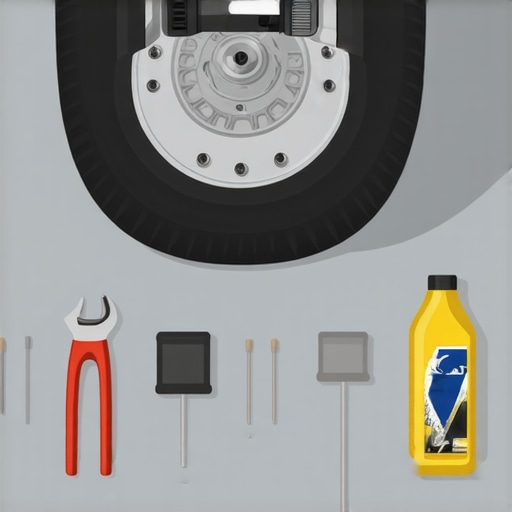
Efficient transmission fluid change process illustrated with tools and new fluid ready for refill.
Many car enthusiasts and everyday drivers alike often believe they understand basic auto maintenance practices such as oil changes, brake servicing, and vehicle diagnostics. However, beneath these seemingly straightforward tasks lies a web of nuances that, if ignored, can lead to costly repairs or compromised vehicle safety. Let’s explore some common myths and advanced mistakes that even seasoned owners tend to overlook.
**Debunking the Myth of Routine Oil Changes:** Many assume that simply changing oil every 3,000 miles suffices. Yet, modern synthetic oils and improved engine technologies have shifted this guideline to up to 7,500 or even 10,000 miles for certain vehicles. Relying solely on mileage without considering oil condition or driving habits is a trap. Regularly inspecting oil quality and adhering to manufacturer-specific recommendations—accessible via detailed guides like oil change innovations—can greatly extend engine life.
**Brake Service Doesn’t End with Pads:** A common misconception is that replacing brake pads is all that’s needed for safe braking. The underlying issues, such as warped rotors, contaminated brake fluid, or worn calipers, often stay hidden. An advanced mistake is neglecting to check these components. Regularly inspecting rotor surface condition, brake fluid deteriorations, and caliper functionality is crucial. For a deeper dive into brake service, visit the ultimate guide on brake maintenance.
**Vehicle Diagnostics Can Be Tricky:** Plugging in an OBD-II scanner and assuming all issues are clear-cut is a rookie move. The real challenge lies in interpreting data accurately. High-level diagnostics involve understanding sensor responses, electrical circuit integrity, and internal control module behavior. For instance, interpreting live data streams to predict component failure before light triggers is an advanced skill. Experts recommend consulting detailed diagnostic resources like decoding vehicle diagnostics.
**Auto Repairs Might Conceal Potholes:** Many owners neglect to consider how road conditions influence vehicle wear. For example, repeated small impacts can loosen suspension components or cause frame misalignments, leading to uneven tire wear and handling issues. A subtle but critical mistake is ignoring these signs until problems become apparent and expensive. Regular multi-point inspections can detect hidden issues, as discussed in auto repair strategies.
Most importantly, these misconceptions often stem from a lack of awareness rather than negligence. Deep understanding of how components interact and age over time allows for more informed maintenance decisions, saving money and enhancing safety. Have you ever fallen into this trap? Let me know in the comments.
**Keep in mind:** mastering these nuances requires ongoing learning and sometimes consulting professional guides or experts. When in doubt, proper diagnostics and targeted repairs based on data tend to outperform generic solutions. For more expert insights, visit advanced vehicle diagnostics and elevate your auto maintenance game.
Keep Your Vehicle Running Smoothly with Reliable Tools
Maintaining your vehicle over the years isn’t just about performing the right tasks; it’s about equipping yourself with the right tools and technology that ensure efficiency and accuracy. From diagnosing complex issues before they escalate to performing routine fluid changes, having high-quality equipment makes all the difference.
One of my go-to devices is the Ancel DIY scanner. I personally prefer the Ancel AD310 because it offers comprehensive live data streaming, easy-to-understand codes, and a durable build. This scanner allows me to quickly identify fault codes and understand the underlying problems, saving me money on unnecessary repairs and giving me peace of mind.
For fluid management during oil changes or transmission fluid replacements, I rely on a Graco Fluid Dispenser. It provides precise measurement, which is essential for maintaining the correct fluid levels and viscosities recommended by manufacturers. Proper fluid levels are critical; as discussed in oil change innovations, using the right tools ensures your engine and transmission operate efficiently, extending their lifespan.
When it comes to inspecting mechanical parts like belts, hoses, and filters, I use a Leatherman multi-tool combined with a flashlight. The versatility of a high-quality multi-tool comes in handy for tight spaces, and a bright LED flashlight ensures I don’t miss any tiny cracks or leaks. Regular visual inspections with these tools can prevent failures that lead to costly repairs down the line.
For long-term maintenance, I highly recommend setting up a routine schedule—for example, using a maintenance app like AUTOsist—to track service intervals, part replacements, and inspections. Technology keeps you organized and ensures no critical task is overlooked, aligning with the trend toward smarter vehicle care.
Looking ahead, advancements such as advanced diagnostics software integrated with your smartphone are making vehicle maintenance more accessible and accurate. Investing in these tools now not only saves time but also helps identify issues before they become expensive repairs.
Ever Wonder How to Maintain Your Vehicle’s Health Over Time? Genuine attention to detail and proper tools make all the difference.
To get started, I suggest trying out an end-to-end diagnostic scan using a quality OBD-II scanner. It’s a small investment that pays off by preemptively catching potential issues. Remember, regular diagnostics combined with routine visual inspections and quality fluids ensure your vehicle’s longevity and peak performance.

Illustration of a mechanic using a high-end diagnostic scanner next to a vehicle, with detailed dashboard data visible on a tablet screen.
The Lessons That Changed My Approach to Auto Care Forever
One of my biggest lightbulb moments came when I realized that transmission issues aren’t just about fixing a car—they’re about understanding the delicate balance of fluids, sensors, and mechanical components working together. I learned that ignoring a delayed third gear shift could lead to costly repairs down the line. This taught me to pay close attention to early warning signs and trust my diagnostic tools. Additionally, I discovered that routine maintenance isn’t just a chore; it’s a proactive step to prevent breakdowns and extend the life of my vehicle, saving me money and stress. Finally, I realized that investing in quality tools and staying informed about the latest automotive technologies empowers me to handle many issues myself, making me less reliant on costly mechanic visits.