

Ever been stranded on the side of the road because your car suddenly refused to start, just like that? I remember the unmistakable sinking feeling when I turned the key and heard nothing but silence. That moment of panic, realizing my fuel pump might be dying, was a lightbulb moment for me about the importance of paying attention to the subtle signs before a complete breakdown.
Understanding how to recognize the early warning signs of a failing fuel pump can save you time, money, and the inconvenience of being stranded. Today, I want to share what I’ve learned through my own missteps and research, so you can catch the whispers of your car before they turn into loud creaks of failure.
Why acting early on fuel pump issues is a game-changer
Being proactive about vehicle maintenance isn’t just about keeping your engine running smoothly; it’s about your safety and avoiding costly repairs down the line. Many car owners overlook these critical signals early on—like difficulty starting, sputtering, or sudden loss of power—seeing them as minor glitches rather than potential signs of an impending breakdown. The truth is, catching these early can extend the lifespan of your vehicle and prevent unexpected failures.
Research shows that the average cost of replacing a fuel pump ranges from $500 to over $1,000, depending on the make and model. Moreover, a failing fuel pump can cause engine misfires and stalling, which might lead to dangerous situations, especially on highways or busy streets. Recognizing the early signals is akin to giving your car a warning sign, much like a compass pointing north.
In my early days of DIY auto care, I made the mistake of ignoring these signs, thinking a rough ride or occasional hesitation was no big deal. That was until one morning when my car refused to start altogether. Since then, I’ve become a bit of a fuel pump detective, learning the subtle cues that inform you of its distress.
If you’ve ever wondered, “Is my fuel pump on its way out?” or felt just a hint of hesitation when you press the gas pedal, you’re not alone. These signals are your car’s way of crying for help. Recognizing them early can make all the difference.
Want to learn how to decode your vehicle’s signals and prevent getting stranded? Stick with me, and I’ll walk you through the most reliable methods to identify if your fuel pump is reaching the end of its life, backed by practical advice and real-world experience. For more insights into vehicle diagnostics, check out our comprehensive guide on decoding vehicle diagnostics.
Test Your Fuel Pressure to Confirm Suspicion
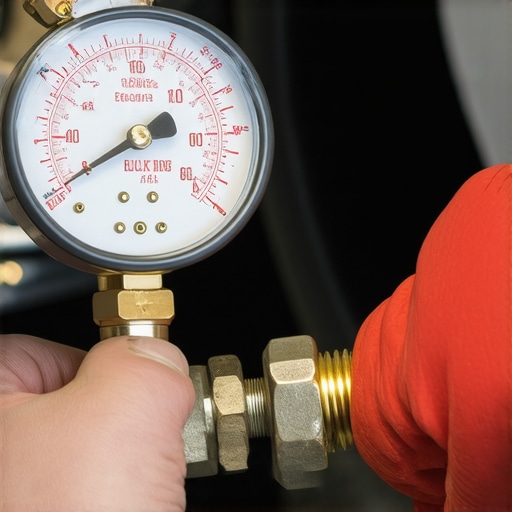
Start by locating your vehicle’s fuel rail, usually near the engine injectors. Connect a fuel pressure gauge—these are affordable and available at auto parts stores—to the test port. Turn the ignition to the “On” position without starting the engine. Observe the pressure reading; compare it to your vehicle’s specifications found in the manual or online. A significantly lower pressure indicates the fuel pump isn’t delivering adequate fuel. I performed this test on my car after noticing rough idling and sputtering. The gauge read half of the recommended pressure, confirming my suspicion of a failing pump. This immediate diagnostic step saved me from costly repairs.
Listen for the Fuel Pump’s Buzz or Whine
When you turn the ignition key to the “On” position, listen carefully close to the rear of your vehicle, near the fuel tank. A healthy fuel pump emits a steady whine or buzz for about 2 seconds. If you hear nothing, it might be dead or disconnected. Use a mechanic’s stethoscope or a long screwdriver pressed to the pump area; the other end against your ear, to amplify any sounds. I tried this when my car wouldn’t start; silence greeted me, indicating a potential pump failure. This simple check can quickly point you in the right direction before disassembling components.
Inspect the Electrical System for Power Supply
Fuel pumps are electrically powered, so ensuring proper wiring and relay function is vital. Locate the fuel pump relay—usually diagramed in the fuse box—and swap it with a similar relay to test. Use a multimeter to check voltage at the pump connector during ignition. If there’s power, but the pump isn’t running, the motor may be faulty. I once replaced a relay after testing; the original relay was fine, but the pump didn’t energize due to internal failure. Proper electrical testing prevents unnecessary pump replacements and pinpoints issues accurately.
Perform a Voltage Drop Test on the Pump Circuit
This precise method measures voltage loss along the circuit wiring, identifying poor connections or damaged wires. Use a multimeter set to volts; connect the positive lead to the pump’s power wire and the negative to a good ground. Turn on the ignition; a voltage drop exceeding 0.5 volts suggests resistance problems. I caught a corroded wire during this test, which was causing the pump to underperform. This step is crucial for diagnosing intermittent faults that other tests might miss.
Check the Fuel Pump Relay and Fuse
Begin with a visual inspection of the fuse related to the fuel pump circuit; replace any blown fuses. Then, test the relay by swapping it with a similar, known-good relay. If replacing the relay restores the pump’s operation, the relay was faulty. This often-overlooked step can prevent unnecessary pump replacements. I replaced a blown fuse, and my car started right up; simple fixes like this can save lots of money and time.
Evaluate Fuel Tank Conditions and In-Line Filters
If electrical tests are conclusive, consider the possibility of clogged filters or debris in the tank obstructing fuel flow. Drain and inspect the fuel tank, looking for sediment or rust. Replace the in-line fuel filter if it hasn’t been changed recently. Remember, a clogged filter can mimic pump failure symptoms. I’ve learned that regular maintenance, including filter changes and cleaning, prolongs fuel pump life and ensures consistent performance. See tips for extending your vehicle’s lifespan for more maintenance strategies.
 Many car owners operate under assumptions about vehicle diagnostics, oil changes, brake service, and auto repairs that can lead to costly mistakes. For instance, the belief that a quick engine scan can catch all lurking issues is a myth; in reality, comprehensive diagnostics often require advanced tools and a trained eye, as highlighted by experts in vehicle diagnostics. Relying solely on a visual inspection for oil quality can also be misleading, since oil can appear clean but still be degraded internally, which is why modern oil change technologies now include sensor-based analysis. Additionally, there’s a common misconception that brake pads are the sole component to check; however, neglecting to inspect brake rotors, calipers, and hydraulic system can lead to uneven wear and reduced safety, as discussed in brake service myths. An advanced driver might ask: How can I tell if a diagnostic tool is providing accurate results? The key is to understand that not all scanners read the same data, and calibration issues can lead to false positives or negatives. Industry studies suggest that merely relying on generic code readers might overlook intricate problems like wiring faults or sensor discrepancies, which could be uncovered through deep diagnostics.
Avoid falling into these traps by recognizing that vehicle health requires layered inspection strategies, especially when dealing with complex systems. For example, some repairs seem straightforward but hide deeper issues — like replacing a fuel pump without checking related electrical circuits, leading to recurrent failures. This oversight is often an ‘oops’ moment that costs more than anticipated. Integrating a nuanced approach—combining visual checks, sensor data, and experience—avoids unnecessary expenses and extends vehicle lifespan. To avoid misdiagnoses, always consider how advanced diagnostic techniques can uncover hidden faults before costly repairs are made. And remember, maintaining your vehicle isn’t just about fixing problems but understanding its subtle signals that can save you from breakdowns.
Have you ever fallen into this trap? Let me know in the comments.Maintaining your vehicle’s performance over the long haul requires investing in reliable tools and understanding the right methods. I personally rely on high-quality diagnostic equipment like the AutoEnginuity Scan Tool, which offers in-depth data beyond basic code readers. This tool allows me to access manufacturer-specific codes and live sensor data, giving a comprehensive view of my vehicle’s health. Its user-friendly interface and real-time diagnostics make it invaluable for proactive maintenance.
For software, I recommend using OBDLink’s MX+ device paired with their app. The combination provides quick, accurate readings and the ability to log data for later analysis. This setup helps me identify issues like fuel trim anomalies or sensor drift before they escalate. I’ve found that regularly monitoring live data from critical systems ensures I detect minor irregularities early, saving costs and avoiding breakdowns.
When performing routine maintenance like oil changes or brake inspections, having the right tools makes a significant difference. For instance, a magnetic oil drain plug remover simplifies oil changes, making the task cleaner and faster. Similarly, a brake caliper piston Compressor Kit ensures even pad replacement without risking damage.
Looking ahead, vehicle diagnostics will likely become even more integrated with AI-driven predictive maintenance. Think of systems that analyze vehicle data patterns in real-time and alert you to potential issues before symptoms appear. This trend promises to reduce breakdowns further and extend vehicle lifespan.
A practical question I often get is: “How do I maintain my vehicle’s health over time?” The answer is a blend of making regular use of advanced diagnostic tools, following a consistent maintenance schedule, and staying informed about your specific model’s needs.
If you’re ready to take your vehicle care to the next level, I encourage you to try conducting a voltage drop test on your fuel pump circuit with a multimeter. This precise check can pinpoint wiring issues that other tests might miss, preventing costly failures. Incorporating this simple step into your maintenance routine can make a big difference.
For more detailed strategies on auto repair and maintenance, visit our comprehensive guide to auto-repair hacks that save money without sacrificing quality. Remember, proactive care today ensures reliable performance tomorrow.
What I Wish Someone Told Me Before Diving into Auto Repair
One of the most powerful lessons I’ve learned is that quick fixes often mask deeper issues. For example, replacing a fuel pump without thorough electrical checks can lead to recurrent failures. Taking the time to understand each component’s role offers long-term savings and peace of mind. Another insight is that tools are your best friends; investing in quality diagnostic equipment transformed my approach from guessing to knowing. Lastly, patience trumps haste—rushing repairs can overlook subtle signs that point to root causes, making future problems inevitable.
Tools and Resources That Changed the Way I Approach Vehicle Care
I rely heavily on the deep vehicle diagnostics guide and a reliable OBD-II scanner like the AutoEnginuity Scan Tool. These resources help me identify tricky electrical issues and sensor discrepancies early. Additionally, I trust tips for extending your vehicle’s lifespan from seasoned mechanics, which emphasize preventive care over reactive fixes. Not to forget, comprehensive brake service advice keeps safety at the forefront of maintenance routines.
Push Beyond Comfort: Your Car’s Secrets Are Worth Listening To
Trust me, the more you learn about your vehicle, the safer and more confident you become behind the wheel. Recognizing early signs of fuel pump fatigue or electrical glitches can drastically reduce breakdown risks. I encourage you to perform simple tests like voltage drops or pressure checks—these small steps can reveal big problems before they escalate. Remember, vehicle health isn’t just maintenance; it’s a dialogue with your car that, when understood, offers unmatched peace of mind and longevity.