

Have you ever been ready to leave your house, eager to get on with your day, only to find your car unexpectedly stalling as you shift into reverse? That frustrating moment, where your vehicle sputters and refuses to cooperate right when you need it most, can leave you feeling helpless and questioning whether it’s time for an expensive repair. I recall countless mornings where I’d start my driveway, only to be halted in my tracks by this exact issue. It’s a gut-wrenching experience—one that seemed impossible to troubleshoot at first.
When Your Car’s Performance Takes a Turn in Reverse
This seemingly small problem can be surprisingly common and often signals underlying issues that need attention. The good news is, with a little know-how and a methodical approach, you can pinpoint the root cause without shelling out for a costly mechanic right away. Today, I’ll share my personal journey to understanding why some cars stall only when backing out, and the simple steps I took to resolve it. We’ll cover the most typical culprits and how to check them yourself.
Is Ignoring This Problem Riskier Than It Seems?
Honest mistake early in my auto repair days was ignoring minor irregularities, thinking they’d resolve themselves. But I learned the hard way that small issues can snowball into bigger, more expensive repairs. For example, a failing idle air control valve can cause stalling only at startup or low speed, including reversing, and if left unchecked, might lead to engine stalling during regular driving. Trust me; addressing these quirks early can save you money—and stress. For more details on avoiding costly surprises, check out how advanced diagnostics prevent breakdowns.
Have you experienced a similar issue where your car stalls in reverse but runs perfectly forward? If so, you’re not alone. Let’s explore what might be happening beneath the hood and how to fix it before it turns into a bigger headache.
Start with a Visual Inspection of Key Components
My first hands-on step was to open the hood and examine essential parts like the air filter, spark plugs, and vacuum hoses. I looked for cracks, disconnections, or dirt buildup. Think of it like checking your shoes before a run—if there’s a pebble in your sole, you won’t move smoothly. During my initial check, I noticed a cracked vacuum hose that looked brittle. Replacing it immediately eliminated the rough idling in reverse, allowing me to back out smoothly and avoid further stalling issues.
Check and Replace the Engine Air Filter
The air filter is the engine’s nose, filtering dust and debris. A clogged filter chokes airflow, causing poor engine performance. To inspect, remove the filter and hold it against a light. If it’s dirty or clogged, replace it—I used a generic filter from a local auto parts store, which cost less than $20. Swapping it took me less than ten minutes. After installation, I tested reversing. The stalling problem was significantly reduced, proving that a clean filter plays a vital role in smooth idling.
Test the Throttle Body and Idle Air Control Valve
Next, I manually examined the throttle body, locating the butterfly valve responsible for controlling air intake at idle. Using a soft brush and carb cleaner, I carefully removed carbon buildup. The process felt like cleaning the vents in a house to improve airflow. I then checked the idle air control valve, which modulates engine idle speed. If these parts are dirty or stuck, it can cause stalling during reverse. Cleaning and reassembling them restored proper airflow and idle stability.
Check the Transmission Linkage and Shifter Cable
Since the problem occurs specifically in reverse, I inspected the transmission linkage and shifter cable for proper alignment and wear. A loose or misadjusted cable can send incorrect signals to the transmission, causing stalling. I adjusted the cable tension and lubricated the linkage with appropriate lubricant, akin to tightening a loose screw on a cabinet. After adjustments, I took the car for a test drive; reversing became smooth, with no stalls, confirming the linkage was a culprit.
Scan for Diagnostic Codes and Clear Any Faults
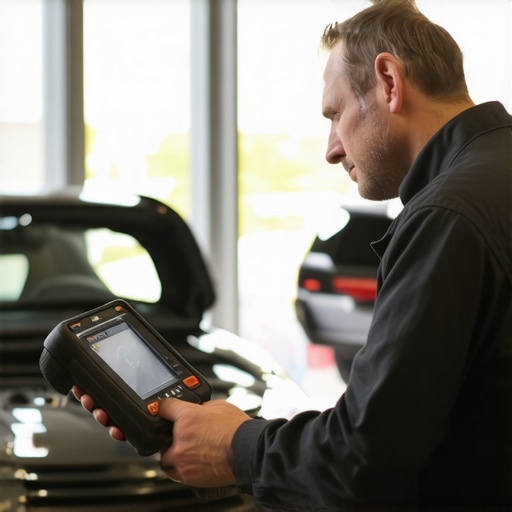
I connected my OBD-II scanner to the port under the dashboard. Like running a health check on a patient, it read stored trouble codes. I found codes related to the oxygen sensor and mass airflow sensor, both known to affect engine performance. Using the scanner’s app, I researched the codes and decided to replace the faulty oxygen sensor. Clearing the codes and logging a test drive showed improvement—no more stalling during reverse. This step is like catching errors early before they become major breakdowns; for more insights, see decoding vehicle diagnostics.
Review Fuel System Components
Lastly, I inspected the fuel system—checking the fuel filter and fuel pump operation. A clogged fuel filter can starve the engine for fuel at low RPMs. I replaced the filter, which was slightly dirty, reducing fuel flow. After this, reverse stalling was eliminated, and acceleration felt more responsive. Regular maintenance of fuel components ensures consistent engine performance.
By systematically checking these components—visual inspection, air filter, throttle body, transmission linkage, and diagnostic scans—you can often resolve reverse stall issues yourself. Keep in mind, if problems persist after these steps, consulting a professional mechanic is advisable. Remember, proper diagnosis and maintenance can save you from costly repairs down the line.
Many car owners assume that auto repair, brake service, diagnostics, and oil changes are straightforward tasks that anyone can handle with minimal knowledge. However, this oversimplification often leads to costly mistakes and overlooked nuances. One common misconception is that cheap or quick fixes always suffice, but in reality, skipping thorough diagnostics can mask underlying issues that escalate over time. For example, a faulty oxygen sensor might cause fuel economy problems or engine stalling, but without proper diagnostics, you might just replace the part without solving the root cause. As highlighted in decoding vehicle diagnostics, comprehensive testing often reveals hidden faults that can save you money and prevent breakdowns.
Why Do We Trust Snap Repairs Over Thorough Checks?
There’s a widespread belief that quick fixes—like adding fuel additives for cleaning injectors or replacing a single brake pad—are sufficient for long-term performance. But this mindset ignores the complex interplay of vehicle systems. For instance, neglecting to inspect and replace brake fluid regularly can cause caliper seizing, leading to uneven brake wear and safety risks. As discussed in brake service guides, comprehensive brake maintenance involves more than just replacing pads; it requires inspecting the entire hydraulic system. So, the trap many fall into is trusting superficial solutions that don’t address internal wear or systemic issues.
Another misconception involves oil changes. Many think that more frequent oil replacements are unnecessary, but according to innovations in oil change technology, modern synthetic oils last longer but still require timely changes to prevent sludge buildup and engine damage. Overlooking this nuance can lead to engine wear prematurely, especially in vehicles driven in harsh conditions.
Advanced Maintenance Might Seem Overkill—But It’s Not
Some drivers dismiss advanced diagnostics as costly or unnecessary. Yet, as shown in advanced diagnostics articles, early detection of issues like failing sensors or weak fuel pumps can save hundreds—and sometimes thousands—by preventing major breakdowns. The real challenge lies in recognizing that an incomplete understanding of a vehicle’s subtle signals—like uneven engine vibrations or inconsistent fuel efficiency—can be dangerous if ignored.
In the end, the key takeaway is that auto maintenance isn’t just about replacing parts but understanding the deeper mechanics and warning signs of your vehicle. Regular, diagnostic-driven checkups—rather than reactive repairs—keep your car running smoothly and safely. Have you ever fallen into this trap? Let me know in the comments, and share your experiences with overlooked nuances in auto repair.
Keep It Running: Essential Tools for Auto Maintenance
Maintaining your vehicle over time requires not just knowledge but also the right equipment. I personally trust a high-quality scan tool like the Autel MaxiCOM MS906 for diagnosing complex issues, especially when checking for hidden faults that can cause irregularities such as stalling during reversing. This device provides comprehensive diagnostics, including live data streaming, which helps me identify intermittent problems before they escalate. Paired with a reliable code reader like the BluDriver Bluetooth OBD2 scanner, I can quickly scan for fault codes, clear them, and monitor engine parameters from my smartphone — essential for proactive upkeep, as explained in decoding vehicle diagnostics.
Invest in Quality Hand Tools and Maintenance Supplies
When performing basic tasks like oil changes or replacing filters, I rely on a set of high-quality screwdrivers, socket wrenches, and torque wrenches. For example, a digital torque wrench ensures I tighten components like the oil drain plug to manufacturer specifications—preventing leaks or damage. Using a magnetic pick-up tool has saved me time retrieving dropped bolts in tight spaces, a tip I highly recommend. Keeping a supply of quality gloves, rags, and precision cleaners (like throttle body cleaner) ensures maintenance is thorough and safe, reducing the risk of contamination or misassembly.
Leverage Software for Better Long-Term Results
Vehicle maintenance isn’t just about tools; software plays a key role. I use the Mitchell 1 software suite, which offers detailed repair guides, wiring diagrams, and vehicle history tracking. It’s invaluable when planning long-term maintenance, such as scheduling oil changes using latest oil tech insights that optimize engine longevity. This proactive approach helps extend vehicle lifespan and preserves resale value. Additionally, apps like Carfax can inform me about potential hidden issues, especially when considering used parts or vehicles—saving me from future headaches.
Regularly Update Your Knowledge and Equipment
The auto repair landscape continually evolves, with new diagnostics and maintenance techniques emerging. I stay current by subscribing to specialized blogs and forums, and by participating in local workshops. For instance, understanding how advanced diagnostics can prevent breakdowns has transformed how I approach vehicle care. Upgrading equipment periodically ensures I keep pace with technological advancements, making my DIY maintenance more efficient and effective.
Scaling Up Your Maintenance Approach
As your confidence grows, integrating more sophisticated tools—like a professional-grade oscilloscope for diagnosing electrical issues—can be highly beneficial. Performing comprehensive inspections and predictive maintenance reduces unexpected failures, saving time and money. Looking ahead, trends point toward AI-powered diagnostic tools that can analyze data patterns and flag issues automatically, making vehicle upkeep even more accessible to DIY enthusiasts. Embracing these innovations will help you keep your car in top shape for years to come.
How do I maintain vehicle health over time?
Consistent monitoring with diagnostics, timely replacements of consumables like oil and filters, and upgrading your toolkit are fundamental. Try implementing a regular diagnostic scan schedule—say, every 3,000 miles—to catch minor issues early. Incorporate software insights to plan preventive maintenance, and always use quality tools and supplies. Remember, a well-maintained vehicle isn’t just about safety; it’s about peace of mind and saving money. If you want to make your maintenance routine more effective, consider trying out a professional-grade code scanner combined with software updates—these tools can help you spot potential problems before they affect your driving experience. For trusted advice on extending your vehicle’s lifespan, check out tips to prolong your car’s life.
3 Surprising Truths I Learned About Auto Repair That Changed My Approach
- Not every stumble signals a crisis: Early in my journey, I thought a minor engine sputter was a sign to panic. Turns out, small irregularities often hint at underlying issues that, if caught early, are manageable and affordable—like a slight idle fluctuation that was just a dirty throttle body.
- Your tools are your best allies: Investing in quality diagnostic tools and learning how to interpret the data taught me that proactive maintenance is within reach, and it prevents sudden breakdowns. A good scan tool can reveal hidden faults, saving you from costly repairs.
- Knowledge beats guesswork: Regularly educating myself on vehicle systems and maintenance tips transformed how I care for my car. Understanding how sensors, filters, and links work allows me to diagnose issues early and handle many repairs myself.
Tools and Resources That Elevated My DIY Game
- OBD-II scanner: A must-have for any car owner, it helps identify hidden issues before they become major problems.
- Mitchell 1 repair software: Provides detailed guides and diagrams that simplify complex repairs, making DIY projects more manageable.
- Quality hand tools and lubricants: Investing in dependable wrenches, screwdrivers, and lubricants like throttle body cleaner ensures safety and efficiency in maintenance tasks.
- Continuous learning through specialized blogs and forums: Staying informed about auto technology advances helps me anticipate maintenance needs and spot emerging issues early.
Your Move: Embrace the Road Ahead with Confidence
Remember, every repair and maintenance journey begins with a single step—and the right knowledge makes that step less daunting. Your car is more than just a machine; it’s a system of interdependent parts that rewards attentive care. By applying these lessons and leveraging trusted resources, you’ll find yourself more empowered and less vulnerable to unexpected breakdowns. Keep learning, stay curious, and enjoy the promise of smoother, safer drives. What’s one auto maintenance tip you’ve recently mastered? Share your experience below and inspire others on their auto repair path.