
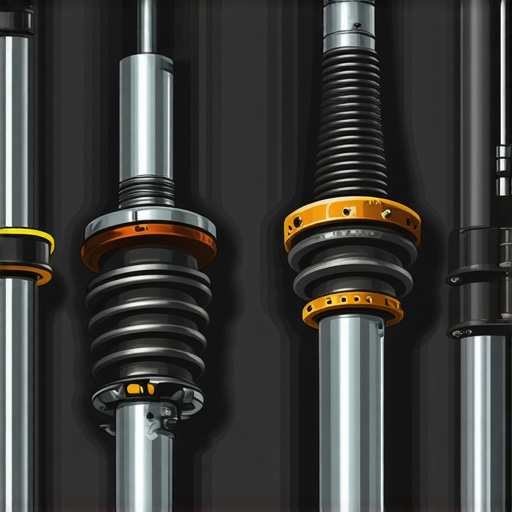
One morning, I took a sharp turn on my usual route and felt a jolt so jarring that I nearly lost my coffee. Turns out, my shock absorbers—those unassuming parts responsible for smooth rides—had been warning me for months, and I didn’t even notice. It was a classic lightbulb moment: shock absorbers are sneaky; they hide their failures until it’s almost too late.
Why You Can’t Ignore Worn-Out Shock Absorbers
Ever wonder why your car feels like it’s bouncing on springs every time you hit a pothole? Or why that squealing noise gets louder on bumpy roads? Those are signs your shocks are worn out—an issue that might seem minor but can seriously affect your safety and vehicle longevity. Ignoring these symptoms can lead to uneven tire wear, decreased handling, and even increased stopping distances. According to vehicle diagnostics experts, shocks play a vital role in maintaining optimal contact between tires and the road, and their failure can compromise your control.
Is Pumping the Brakes the Best Test? Beware of the Common Mistake
Early in my auto repair journey, I used the classic method of bouncing the car up and down over each wheel to test shock health. Big mistake. That method is unreliable and can mislead you about the actual state of your shocks. Instead, I’ll walk you through practical checks you can do yourself or share with your mechanic for accurate results. Has your vehicle been feeling bumpier lately? Or do you notice a tendency to sway during lane changes? If so, you’re not alone—and it might be time to look into your shocks.
Understanding the true condition of your shock absorbers can save you money and prevent dangerous situations. Ready to learn how to spot the signs of dead shocks and avoid the pitfalls of guesswork? Let’s dive into the practical checks that will make you confident in your vehicle’s condition.
Check for Excessive Bounce and Swaying
Drive your car over a flat, smooth road and observe how it responds to small bumps. If the vehicle continues to bounce several times after going over a bump, it indicates compromised shock absorbers. I once tested my car after noticing a slight wobble; I found it was bouncing twice as much as usual. The fix was simple—replacing the shocks—and the ride became smooth again.
Perform the Free Visual Inspection
Park your car on level ground and examine the shocks. Look for oil leaks, rust, or physical damage. Worn shocks often leak hydraulic fluid, which appears as greasy residue or wetness at the shock body. When I checked my car, I noticed a small amount of oil on the exterior of the rear shocks, confirming they were past their prime.
Utilize the Push-Test for a Quick Evaluation
Push down firmly on each corner of your vehicle and release. If the car bounces multiple times, shocks are likely worn. Remember, this isn’t foolproof but provides a quick indication. During my attempt, I pressed down on the front left and was surprised to see the vehicle bounce three times, prompting me to schedule a full inspection.
Assess Handling and Comfort During Driving
Pay attention to how your vehicle handles turns and stops. Excessive body roll or nose-diving indicates shock wear. Once, during a lane change, my car felt more drastic than usual; the sway was a clear signal that my shocks needed attention, which I confirmed upon inspection.
Know When to Call an Expert
Some signs are subtle or hard to detect without experience. If your vehicle exhibits any of these symptoms—riding rougher than usual, uneven tire wear, or a noticeable increase in stopping distance—schedule a professional diagnostic. Modern vehicle diagnostics can quickly pinpoint shock issues, saving you time and money in the long run.
Replacing shocks at the right time ensures your safety and maintains optimal vehicle handling. Regular checks can prevent costly repairs and keep your driving experience smooth. Remember, a bouncy ride isn’t just uncomfortable—it’s a call to action.
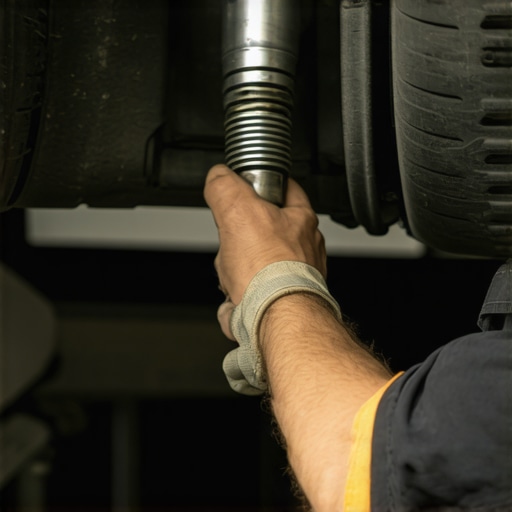 Many car owners operate under misconceptions when it comes to regular maintenance like brake service, oil changes, and vehicle diagnostics. Let’s dig deeper into some less obvious truths that can save you money and ensure your vehicle’s longevity.
Are All Brake Pads Created Equal? Think Again
While many believe that replacing brake pads is a straightforward task, the reality is more nuanced. Not all pads are suitable for every driving style or vehicle type. For instance, high-performance vehicles often require specialized pads that standard replacements can’t provide. Choosing the wrong pads can lead to uneven wear, increased dust, and compromised safety. Experts recommend consulting your vehicle’s manual and understanding the specific friction material that matches your driving habits. Sometimes, cheap replacements save money upfront but end up costing more due to premature wear or rotor damage. For comprehensive insights, check our ultimate brake guide that debunks common myths and guides you toward the best choices.
Another misconception is that brake squeal always indicates a problem. However, a certain amount of noise can be normal with metallic pads at high temperatures. Persistent squealing, especially when braking gently, could signal worn-out pads or issues with the brake hardware. Regular inspections can catch these problems early before they escalate.
Oil Changes: More Than Just About Oil
Many assume that changing oil is a simple, routine task with little room for error. Yet, advanced improper techniques can inadvertently harm your engine. For example, using wrong oil viscosity or neglecting to replace the oil filter can lead to increased engine wear over time. Additionally, some shops perform quick lube services without thorough checks, missing issues like leaks or worn seals.
Modern technologies in oil change services now include oil analysis, which can detect contaminants, metal particles, or abnormal wear patterns early. Take note that not all oils are created equal—synthetic oils, while pricier, offer better protection and longevity. Understanding these nuances can extend your engine’s lifespan significantly.
Vehicle Diagnostics: The Hidden Complexity
Many drivers think a diagnostic scan merely reveals the obvious—check engine lights, rough idle, or reduced fuel economy. However, the true power of diagnostics lies in detecting underlying issues before symptoms become serious. Yet, some mechanics rely solely on generic code readers, missing nuanced sensor data or misinterpreting results.
Advanced diagnostic tools analyze multiple systems simultaneously, providing a comprehensive health report. For instance, subtle sensor deviations might indicate impending component failure, allowing for preventative maintenance. This proactive approach is supported by studies such as those in the vehicle diagnostics research, emphasizing early detection’s role in reducing repair costs.
**Make Sure You’re Not Falling for These Traps**
Avoid falling into common auto repair myths that could cost you more money or compromise safety. Instead, invest in understanding the specific nuances that differentiate a good repair from a rushed job. Regularly educate yourself or ask your mechanic about these hidden details.
Have you ever fallen into this trap? Let me know in the comments. Your experience might help others avoid costly mistakes and make smarter decisions about vehicle maintenance.
Investing in the Right Tools for Auto Care
Maintaining a vehicle effectively over the years demands more than just knowledge—you need the right equipment. Personally, I rely heavily on a high-quality OBD2 scanner like the BlueDriver due to its comprehensive diagnostics capabilities and user-friendly interface. It allows me to quickly identify engine codes, monitor sensor data in real-time, and reset warning lights, saving time and money. For example, when my check engine light flickered unexpectedly, I used this scanner to pinpoint a failing oxygen sensor instead of costly guesswork. According to vehicle diagnostics experts, a reliable scanner is a cornerstone for proactive maintenance and troubleshooting.
Reliable Software for Preventive Maintenance
Beyond hardware, I highly recommend using maintenance management software like AutoTotal. It helps track service intervals, record repairs, and schedule upcoming tasks, ensuring nothing slips through the cracks. I set reminders for oil changes, belt inspections, and fluid flushes, which keeps my vehicle running smoothly and prevents costly breakdowns. As technology advances, integrating these digital tools with diagnostic devices offers a holistic approach to vehicle care, extending the lifespan of your car significantly.
Future Trends: Smarter Repairs and Diagnostics
Looking ahead, the trend moves toward AI-powered diagnostics and autonomous maintenance suggestions. Imagine an app that not only reads error codes but predicts parts failure based on driving habits and component wear data. This could redefine how we approach long-term vehicle health, making maintenance more predictive than reactive. As these technologies mature, integrating them into your routine—through devices and apps—will become essential for dedicated car owners.
How do I maintain my vehicle tools so they last over time?
Proper maintenance of your diagnostic gadgets and tools is crucial. Regularly calibrate your OBD2 scanners according to manufacturer instructions, keep them clean, and store them in a dry, protected area. Checking firmware updates ensures compatibility with new vehicle models and features. Additionally, using high-quality, proven lubricants and cleaning agents on physical tools prevents corrosion and failure. Investing a little time in maintaining your equipment pays off in reliability and accuracy, saving you money and headaches down the line. Remember, outdated or improperly maintained tools can give false readings, leading to unnecessary repairs or missed issues. For in-depth guidance on tool upkeep, consult trusted sources like auto repair hacks.
Start today by checking for firmware updates on your diagnostics device and cleaning your most-used tools. It’s a simple step that ensures precision for all your long-term vehicle care efforts.
< >
>
By leveraging advanced equipment and smart maintenance routines, you can keep your vehicle running smoothly for years to come. Don’t wait for issues to arise—be proactive with your tools, and your car will thank you!
The Biggest Lessons I Nearly Missed About Vehicle Upkeep
- One of the most crucial realizations was that simple tests, like pumping the brakes, can be misleading, and trusting visual signs often leads to overlooked issues that could jeopardize safety. Recognizing the subtle cues—like uneven tire wear or a sinking feeling during turns—can make all the difference—and I learned to pay close attention to how my car responds under normal driving conditions.
- Understanding that not all repair myths have merit changed how I approach vehicle maintenance. For instance, I used to think squealing brakes always meant new pads, but I realized they often just need an adjustment or hardware check—saving money and preventing unnecessary replacements.
- The importance of proactive diagnostics became clear when I saw how early warning signs, like a slight pull or rough idling, can prevent costly repairs down the line, emphasizing that regular inspections and proper tools are game-changers in auto care.
- Investing in quality diagnostic tools, such as a reliable OBD2 scanner and maintenance software, can empower you to understand your vehicle better and act swiftly before minor issues escalate into emergencies, ultimately extending your car’s lifespan.
Tools That Transformed My Approach to Car Care
- BlueDriver OBD2 Scanner: This scanner provided comprehensive insights into my car’s health, allowing me to pinpoint issues like faulty sensors or engine misfires without guesswork. Its user-friendly interface made diagnostics accessible, saving time and money.
- AutoTotal Maintenance Management: Scheduling and tracking service intervals kept me organized and ensured timely oil changes, fluid checks, and inspections. It helped me avoid forgotten maintenance tasks that could lead to bigger problems.
- Vehicle Diagnostics Explained (online resources): I trust authoritative guides and community forums that demystify complex engine code readings. Learning from experts gave me confidence and deeper understanding of my vehicle’s needs.
- Regular Calibration and Care: Maintaining my tools with firmware updates and proper storage kept them accurate and reliable, proving that care for your equipment directly impacts your vehicle health.
Embrace the Future of Auto Care with Confidence
Taking control of your vehicle’s maintenance journey makes a tangible difference in safety, economy, and peace of mind. As technology advances, staying educated and equipped will empower you to prevent problems before they start. Remember, your car isn’t just a machine—it’s a trusted partner on the road. The more you learn and prepare, the smoother your ride will be—so start today with curiosity and commitment. What’s the first auto maintenance upgrade you’re planning to try to improve your vehicle’s longevity? Let me know below.