
I was cruising down the I-10, radio up and windows down, thinking life was great until a sound like a wet towel hitting a drum started coming from under my hood. I brushed it off. “I will check it when I get home,” I told myself. Five miles later, there was a violent thwack, and my dashboard lit up like a Christmas tree. The power steering went heavy, the engine died, and I was coasting toward the shoulder with a racing heart and a sinking feeling in my gut. That day, I learned the hard way that decoding what your car is trying to tell you isn’t just a hobby—it is a survival skill for your wallet. If I had just listened, I could have saved three thousand dollars and a whole lot of stress. Today, I am going to make sure that never happens to you. We are going to look at the specific red flags that scream your timing belt is on its last legs. Have you ever heard a weird noise and just hoped it would go away on its own? Tell me about it in the comments.
Catch the Signs Before Your Engine Self-Destructs
I used to think that as long as the car started, everything was fine. That was my first big mistake. A timing belt is a silent worker, but when it fails, it does not just quit; it often takes the entire engine with it. If you want to avoid a massive bill, you have to know how advanced vehicle diagnostics prevent costly breakdowns before they happen. Early in my DIY days, I made the mistake of only checking the smooth side of the belt. It looked perfect. What I did not realize was that the teeth on the inside were brittle and ready to shear off. According to CarCare.org, timing belt failure is often catastrophic because many modern cars use interference engines where valves and pistons occupy the same space at different times. I have spent years learning auto repair strategies to extend a vehicle’s lifespan, and the timing belt is easily the most critical component on that list. If it snaps while you are driving, those metal parts will collide at high speed, and your engine is toast.
Is a Tiny Squeak Actually Worth the Panic?
You might be thinking that I am being a bit dramatic. Is it really that urgent? In a word: yes. While some sounds, like the rhythmic ticking of a cracked exhaust manifold, are annoying but not immediately fatal, timing belt issues are a different beast entirely. People often confuse a worn belt with a simple fan belt squeak, but the consequences are worlds apart. You do not want to be the person standing on the side of the road wondering why you did not spend the couple hundred bucks for a replacement when you had the chance. We are about to dive into the physical symptoms and visual cues that tell you it is time to head to the shop immediately.
Peek Behind the Plastic Dust Cover
Getting your hands dirty is the only way to be certain. Most people wait for a light on the dash, but a timing belt is a purely mechanical component; it won’t always trigger a sensor until the damage is already done. You need to perform your own easy checks before your road trip to stay ahead of the curve. Start by locating the timing cover, usually a plastic housing on the side of the engine. You don’t need to be a master mechanic to remove a few 10mm bolts and peel it back just enough to see the belt’s surface. What you are looking for is ‘glazing.’ If the back of the belt looks shiny and hard, like a polished dress shoe, it has lost its flexibility. A brittle belt is a ticking time bomb because it can no longer grip the pulleys correctly under high heat.
The Tooth Test That Saved My Civic
I remember working on my old ’98 Civic, thinking I was being proactive. The belt looked solid from the top, but when I used a small telescopic mirror to inspect the ‘teeth’ on the underside, I felt my heart drop. The rubber teeth were rounded off and cracked at the base. One hard acceleration would have sheared those teeth clean off, causing the belt to slip and the engine to self-destruct. Learning these auto repair hacks to save money is all about catching that invisible wear. If you see even one missing tooth or a fraying edge, do not start the car again until it is replaced.
Listen for the Rhythmic Slap
Your ears are often better than your eyes when it comes to engine health. A failing belt often makes a distinct ‘chirp’ or ‘slap’ sound that follows the RPMs of the engine. It sounds a bit like a fast-paced sewing machine or a wet rag hitting a spinning fan. If your car is running rough, you should also determine if your engine misfire is mechanical or electrical. A stretched belt can cause the timing to jump by just one degree, which leads to a rough idle or a loss of power that feels like a bad spark plug but is actually the valves opening at the wrong micro-second.
The Tensioner is Your Belts Best Friend
Don’t just blame the rubber. The tensioner is a spring-loaded pulley that keeps the belt tight. If the tensioner bearing starts to seize, it will create friction and heat that melts the belt from the inside out. I once spent three hours trying to check engine mounts with a friend to find a vibration, only to realize the timing belt tensioner was vibrating so hard it was rattling the whole block. Always replace the tensioner and the water pump at the same time as the belt. It is the gold standard of auto repair strategies to extend your vehicles lifespan because it prevents you from having to do the same eight-hour job twice. If you notice any rust-colored dust inside the timing cover, that is a clear sign the pulleys are grinding themselves into oblivion.But timing belts aren’t the only ‘invisible’ killers. There’s a massive misconception that modern cars are smart enough to diagnose themselves entirely. I’ve seen too many people plug in a cheap tool and think they are master mechanics. The hard truth is that a scanner is just a flashlight; it doesn’t tell you how to fix the leak, it just shows you where the water is.
Don’t Let the Computer Lie to You
Most drivers assume that if the ‘Check Engine’ light isn’t on, the car is healthy. This is the biggest ‘oops’ factor in modern car care. In reality, why your OBD-II scanner can’t find the real electrical ghost is often due to mechanical wear that hasn’t reached a sensor’s threshold yet. By the time the light pops up, you are usually looking at a repair bill twice as large as it should have been.
The Dangerous Lie Your Dipstick Might Be Telling You
Everyone tells you to check your oil level, but the color on the stick can be incredibly deceiving. I’ve seen engines with perfectly honey-colored oil on the dipstick that were actually dying of starvation. This happens because of the hidden sludge building up behind your clean dipstick. If your PCV system is clogged, the oil in the pan stays clean while the oil in the top of the engine turns into gelatin. According to a study by the Society of Automotive Engineers (SAE), engine sludge is one of the leading causes of premature failure in high-mileage vehicles, regardless of how often the oil is changed if the ventilation system is neglected. You have to look at oil change innovations and technologies that save your engine to understand that the fluid is only half the battle; the environment it lives in matters more. 
Why Does the Most Expensive Brake Pad Often Squeal the Loudest?
I often hear people complaining that their new, high-end ceramic brakes are noisier than the cheap ones they replaced. Here is the nuance: ceramic pads are fantastic for heat, but they are incredibly dense. This density means they vibrate at a higher frequency, which we hear as a squeal. It doesn’t mean they are failing, but it does mean you might have missed the specific reason your ceramic pads are louder than your old metallic ones, which usually comes down to the lack of proper damping shims. When you are looking at brake service myths busted for safety, remember that ‘more expensive’ doesn’t always mean ‘plug and play.’ Have you ever fallen into the trap of buying the most expensive part only to have it cause a new headache? Let me know in the comments. We are just scratching the surface of how to truly maintain a vehicle beyond the basic manual instructions.If you want to move beyond being a parts-changer and become a true diagnostician, you need to stop relying on the dashboard and start trusting your own data. I have spent thousands of dollars on fancy diagnostic equipment over the years, but the one I reach for most often is the $20 tool every driver needs for basic electrical troubleshooting: a simple multimeter. You do not need a three-thousand-dollar Snap-on scanner to find out why your car is acting up. In fact, most of the electrical ghosts that haunt modern vehicles can be chased down by just checking for continuity or voltage drops at the fuse box. If your car is sitting for three days and then refusing to start, you should learn how to find a parasitic battery drain with a basic multimeter before you go out and buy a new alternator you probably do not need.
The Tool That Actually Solves Electrical Nightmares
When it comes to longevity, the difference between a car that hits 300,000 miles and one that dies at 120,000 is almost always found in the owner’s willingness to go deeper than the surface. For example, modern timing belts are no longer made of the same materials as they were twenty years ago. According to technical documentation from the Gates Corporation, modern EPDM (Ethylene Propylene Diene Monomer) belts are designed to never crack, which means the old-school visual check for cracks is essentially useless. Instead, you have to use a wear gauge to see if the grooves have deepened enough to cause a slip. This is why essential auto repair strategies for frequent drivers must include specialized inspection tools that go beyond a quick look with a flashlight.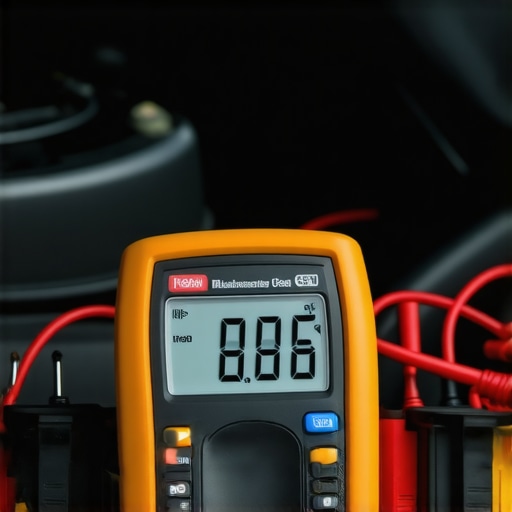
How do I maintain my car’s complex systems over time?
Consistency is more important than intensity. I have a ritual where I do a full walk-around every Sunday. I do not just look for leaks; I listen. You would be surprised how much you can learn about your suspension and drivetrain by just paying attention. I have saved my own skin multiple times by knowing how to diagnose a failing wheel bearing using only your ears before the hub actually gets hot enough to weld itself shut. If you notice a faint hum that changes pitch when you veer slightly left or right on the highway, you have found a problem before it became an emergency. This proactive approach should also apply to your stopping power. Do not wait for the metal-on-metal grind; keep the ultimate guide to brake service for safety and performance as a checklist every time you rotate your tires.
Why Your Next Scan Tool Will Be an AI
Looking ahead, I see the world of DIY repair shifting dramatically. We are moving away from simple code readers toward predictive AI-driven diagnostics that can analyze the sound of your engine through your smartphone microphone to tell you exactly which pulley is failing. It sounds like science fiction, but the technology is already in beta for commercial fleets. However, no matter how smart the software gets, the mechanical fundamentals remain the same. A computer might tell you there is a misfire, but it won’t tell you that the wire was chewed by a squirrel. You still need the hands-on skills to verify the hardware. I strongly encourage you to grab a multimeter this weekend and perform a simple voltage drop test on your battery terminals. It is the easiest way to see if your car’s electrical ‘nervous system’ is actually healthy or just barely hanging on.
Hard Truths I Learned from a Blown Interference Engine
I spent years thinking a ‘visual inspection’ was enough until I met an interference engine that didn’t care how ‘clean’ the belt looked. One thing I’ve learned is that the ‘while you’re in there’ philosophy isn’t a mechanic’s up-sell; it’s a life jacket. If you are already doing a timing belt, replacing the water pump and the tensioner pulley is non-negotiable. Another lightbulb moment? Trusting your nose. If you smell something sweet like maple syrup, you’ve got a coolant leak that’s likely soaking your belt, and no amount of essential auto repair strategies for frequent drivers can save a belt that’s swimming in antifreeze. Finally, remember that rubber has an expiration date regardless of mileage; if a car has sat for years, that belt is a gamble you don’t want to take.
My Personal Survival Kit for Garage Weekends
You don’t need a professional shop to do professional-grade work, but you do need the right references. I always keep a digital copy of the factory service manual—not the generic ones from the parts store, but the actual manufacturer documents. I also swear by a high-quality torque wrench; guessing the tightness on a critical bolt is how I learned auto repair strategies to extend a vehicle’s lifespan the hard way. For those tricky electrical gremlins, I never go anywhere without the $20 tool every driver needs for basic electrical troubleshooting. If you ever feel stuck, don’t hesitate to reach out or contact us for a bit of guidance before you dive into a complex teardown.
#IMAGE_PLACEHOLDER_E#
Your Engine’s Future is in Your Hands
It’s easy to feel overwhelmed by sensors and plastic covers, but remember that your car is just a machine waiting for someone to listen to it. Taking the time to master decoding vehicle diagnostics isn’t just about saving money—it’s about the peace of mind that comes when you turn the key and know exactly what’s happening under the hood. You have the tools and the knowledge; now you just need to pop the hood and start. Have you ever ignored a weird sound only to have it turn into a massive repair bill? Tell me your ‘I should have known’ story in the comments!