
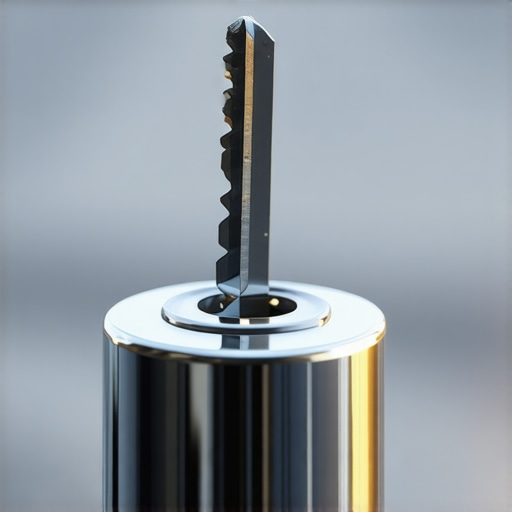
It was a crisp Tuesday morning, and I was already five minutes behind schedule for a big meeting. I hopped into the driver’s seat, slid the key into the ignition, and… nothing. It wouldn’t budge. I wiggled it, I jiggled it, and I even tried that frantic ‘shake the steering wheel’ move we all do when we’re panicked. The pit in my stomach grew as I realized I might be stranded. I’ve spent years under the hood, yet there I was, defeated by a three-inch piece of metal. I eventually figured it out, but not before I made the classic mistake of trying to force it, which nearly snapped the key off entirely. Today, I’m going to share exactly why this happens and how you can get moving again without spending a fortune on a locksmith.
Give the Steering Wheel a Firm Tug First
Most of the time, your car isn’t actually broken; it’s just trying to protect itself. Most modern vehicles have a steering lock feature that engages when the wheel moves while the key is out. If your wheels were turned when you parked, or if you used the steering wheel as a handle to climb out of the car, that lock pin is now jammed tight against the ignition cylinder. This pressure prevents the key from rotating. I once spent twenty minutes sweating in my driveway because I didn’t realize my front tires were pressed against a high curb, putting massive tension on the system. To fix this, you need to turn the wheel sharply in one direction (usually the direction it has a little ‘give’ in) while simultaneously turning the key.
Is your ignition actually failing or is it just user error?
It is the question that haunts every driver when the dash stays dark. Before you assume the worst, check your gear shifter. If you’re driving an automatic and the car isn’t fully in ‘Park,’ the ignition won’t turn as a safety precaution. I’ve seen folks assume they have a ground wire problem that mimics a bad starter motor when they really just forgot to shove the shifter that last half-inch into place. It’s worth looking at these essential auto repair strategies for frequent drivers to help you distinguish between a simple mechanical quirk and a real part failure. One surprising fact many people overlook is how much their keychain weighs. According to the technical experts at Consumer Reports, a heavy keychain can pull down on the ignition cylinder over time, causing the internal wafers to wear unevenly and eventually lead to a permanent jam. If your keys look like a janitor’s ring, you might be slowly killing your ignition. Have you ever found yourself doing the ‘ignition dance’ in a grocery store parking lot? Let’s get into the nitty-gritty of the internal components so you can perform your own easy checks before your road trip.Sometimes the culprit isn’t the ignition cylinder at all; it’s a tiny sensor in your shifter playing hide-and-seek. I remember a frantic Saturday afternoon when my old SUV refused to turn over. I was absolutely convinced the transmission was shot and I’d be looking at a multi-thousand dollar bill. It turned out a stray penny had slid into the shifter console, preventing the lever from clicking into the ‘Park’ position by just a hair. The car’s computer thought I was still in gear and locked the ignition as a safety measure. Always check your center console for debris and give the shifter a firm push forward until you hear that satisfying click. If you are dealing with strange electrical glitches like this, it might be time to look into decoding vehicle diagnostics to see what your car is trying to tell you before you start tearing the dashboard apart.
Loosen Up the Internal Wafers with a Quick Spray
Think of the inside of your ignition like a row of tiny, delicate teeth (known as wafers) that need to be perfectly aligned by the key’s profile. Over years of use, dust and pocket lint mix with the factory grease to create a sticky, abrasive paste. If even one wafer gets stuck in the ‘up’ position, the whole mechanism will refuse to rotate. A quick spray of electrical contact cleaner or a puff of dry graphite lubricant can work wonders. I generally avoid using heavy oils like WD-40 because they can attract more dirt over time, but in an emergency, almost any light lubricant is better than snapping a key. While you are working near the steering column, having the $20 tool every driver needs for basic electrical troubleshooting can help you verify if the ignition switch on the back of the cylinder is actually receiving power.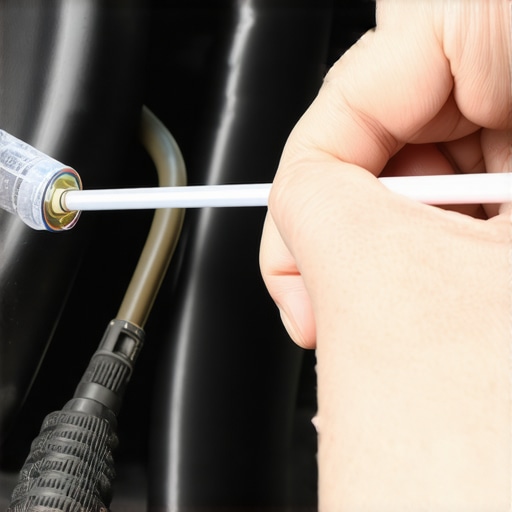
Check if Your Key Has Simply Lost Its Edge
Take a long, hard look at the physical key in your hand. Is it rounded off or shiny in spots where it used to be sharp? If the ridges look like a mountain range that’s been weathered by a million years of rain, the key simply won’t move the wafers high enough to clear the lock housing. I’ve seen people successfully use the ‘bump’ technique—lightly tapping the back of the key with a screwdriver handle while applying turning pressure—to jar those wafers into place just long enough to start the car. It’s a classic among auto repair hacks to save money without sacrificing quality, but it is strictly a temporary fix. If you have to do this, drive straight to a dealer to have a new key cut from your VIN rather than copying your worn-out key.
Stop the Damage Caused by a Heavy Keychain
If you have checked the steering lock, the shifter, and the key, and you still have a dead cylinder, the internal mechanism may have physically collapsed. This often happens to drivers who carry ‘janitor-style’ keychains with a dozen different keys and heavy fobs. That constant weight acts like a pendulum, slowly carving out the inside of the ignition every time you hit a bump. It’s a slow-motion mechanical failure that eventually leads to a permanent jam. Following top auto repair tips to extend your vehicle’s lifespan means keeping your ignition key separate from your heavy house keys. If the cylinder is truly seized, you may need to look for the small release pin on the housing—usually accessible only when the key is in the ‘On’ position—to slide the entire unit out and replace it with a fresh one.Most people assume that if the key won’t budge, the mechanical lock is simply broken. However, a common mistake I see is the ‘Parts Cannon’ approach—where drivers start replacing the ignition cylinder immediately without realizing the problem is actually downstream. In my experience, the electrical ignition switch behind the cylinder is the culprit more often than the metal tumblers themselves. This electrical component can wear out or lose its connection, making it feel like the lock is stuck when it is actually waiting for a signal that never comes. While we are talking about mechanical failures, it is important to realize that some brake service myths suggest that every noise is a catastrophe, much like how every stuck key feels like a total lock failure. It rarely is.
Don’t Blame the Lock When the Switch is the Culprit
The biggest ‘oops’ factor I encounter is the over-lubrication trap. People think if some graphite is good, half a can of WD-40 is better. This is a massive mistake because modern ignition cylinders are surrounded by a transponder coil—an antenna that talks to the chip in your key. Flooding this area with conductive or oily liquids can short out the immobilizer system, turning a simple mechanical stickiness into a full-blown electronic lockout that prevents the engine from starting even if the key finally turns. According to a technical study by the Automotive Service Excellence (ASE), nearly 30% of intermittent start issues are traced back to contaminated ignition or sensor housings rather than hardware failure. If you are already troubleshooting electrical gremlins, you should learn how to find a parasitic battery drain with a basic multimeter to ensure your battery isn’t just too weak to release the solenoid.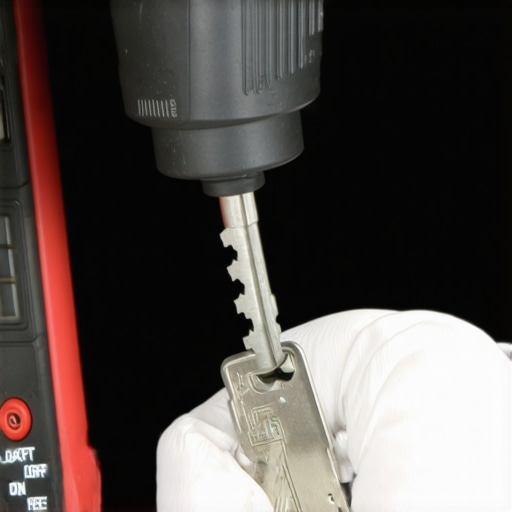
Could a Faulty Brake Sensor Be Locking Your Ignition?
Here is a nuance that even seasoned DIYers miss: on many modern vehicles, the ignition and the shift-interlock system are tied directly to your brake pedal switch. If that tiny $15 plastic switch under your dash fails, the car won’t know you have your foot on the brake, and it may refuse to release the ignition lock or the shifter. It’s a safety feature that can easily be mistaken for a mechanical jam. This is why how advanced vehicle diagnostics prevent costly breakdowns is so important to understand; it’s about looking at the system as a whole. I’ve seen people replace entire steering columns when they really just needed a new brake light fuse. If you’ve ruled out the steering lock and the key wear, check your brake lights. If they don’t light up when you press the pedal, you’ve found your ghost. Similarly, don’t be fooled by sensors; sometimes your scanner says P0420 but the converter is actually fine, showing that diagnostics require a critical eye. Have you ever fallen into this trap of replacing a major part when a tiny sensor was the real issue? Let me know in the comments. Before you call a tow truck, check for the ground wire problem that mimics a bad starter motor to ensure your electrical path is clear.
Keep the Internal Tracks Clean Before They Bind
Once you have successfully wiggled that key back into action, your job isn’t actually finished. If you don’t address the underlying cause—usually a mix of microscopic metal shavings and dried factory grease—the problem will return next month, likely when you’re in a bigger hurry. I personally swear by a specialized contact cleaner like DeoxIT D5 for this. Unlike standard degreasers, it dissolves oxidation and leaves a microscopically thin layer of protection that doesn’t turn into a sticky mess. Keeping these components clear is part of the top auto repair tips to extend your vehicle’s lifespan that I give to everyone who walks into my garage. If you are already doing your own maintenance, consider adding a quick blast of compressed air and a tiny puff of dry graphite to your annual checklist. It’s just as vital as checking for oil change innovations and technologies that keep the internal engine parts moving without friction.
Why a Mid-Range Scanner is Your Best Friend
If your key is turning but the car refuses to start, you are no longer dealing with a mechanical lock issue; you are in the realm of security handshakes. I’ve seen too many DIYers get frustrated with a basic $20 code reader that shows ‘No Codes’ while the car sits dead. I recommend stepping up to a scanner with bidirectional control. This allows you to actually ‘ping’ the ignition switch and the immobilizer module to see if they are talking to each other. When you are decoding vehicle diagnostics, having the ability to see ‘live data’ for the ignition status (Off, Acc, Run, Start) is the only way to know if the electrical switch is failing. According to technical documentation from SAE International regarding J1979 OBD-II protocols, many security-related inhibit signals won’t trigger a standard Check Engine light, making an advanced tool essential for modern troubleshooting. This is the same level of precision you need when you perform a brake service for safety and performance—guessing simply isn’t an option. 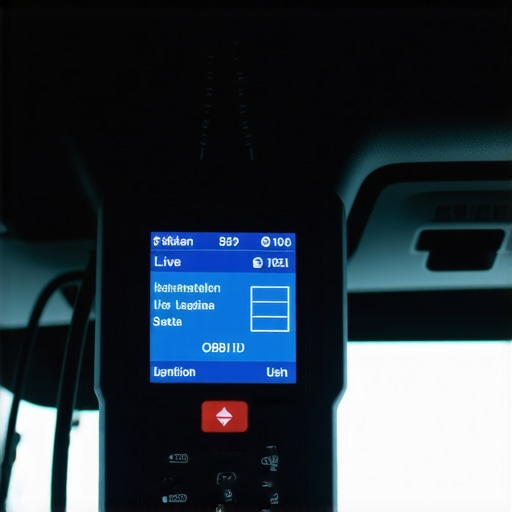
How can I maintain my ignition system over time?
Consistency is key. Beyond the cleaning I mentioned, you need to be mindful of your starting habits. Don’t slam the key into the cylinder or turn it with excessive force. If it doesn’t move easily, there is an obstruction or a lock-pin issue that needs attention, not more muscle. I’ve seen people use the same ‘hacks’ to get a car started that they use for auto repair hacks to save money, but force is never a solution. I predict that in the next five to ten years, physical ignition cylinders will be almost entirely replaced by biometric or phone-based proximity starts, but until then, we have to respect the metal. If you are experiencing other weird electrical issues, like dashboard lights flickering when you use the turn signal, it might be an indication that your ignition switch is beginning to arc internally. I strongly encourage you to grab a basic multimeter and try the voltage drop test on your ignition fuse today; it’s a five-minute check that could save you from a three-hundred-dollar tow bill later this week. You might also want to learn how to find a parasitic battery drain with a basic multimeter while you are at it, as a low-voltage battery can make the ignition solenoid click and stick, mimicking a mechanical failure.
The Most Expensive Mistakes I Made So You Don’t Have To
Over the years, I’ve realized that a stuck ignition is rarely a ‘replace everything’ scenario. I used to think a dead key meant a dead car, but most failures are just safety locks or simple debris. One ‘lightbulb moment’ for me was realizing that a faulty brake pedal sensor could actually lock the key; it changed how I look at car systems entirely. Another lesson? Force is your enemy. If you’re using more than two fingers to turn that key, you’re doing it wrong. Finally, I learned that auto repair hacks to save money without sacrificing quality often start with a can of cleaner, not a wrench. It is much better to rule out a ground wire problem that mimics a bad starter motor than to replace a perfectly good ignition housing.
Gear That Belongs in Your Glovebox
To keep your ignition turning smoothly, you need more than just hope. I personally rely on three things: first, a small tube of dry graphite lubricant—it’s cheap and it won’t gum up like oil over time. Second, the $20 tool every driver needs for basic electrical troubleshooting is essential for checking if power is even reaching the switch. Lastly, for modern cars, understanding how advanced vehicle diagnostics prevent costly breakdowns is worth its weight in gold. I trust these tools because they’ve saved me from being stranded more times than I can count. #IMAGE_PLACEHOLDER_E#
Master Your Machine One Click at a Time
Getting stuck with a key that won’t turn is a rite of passage for many drivers, but it doesn’t have to be a disaster. By understanding the mechanical and electrical dance happening behind your dashboard, you’re already ahead of the curve. Whether it’s a simple steering lock or a tricky sensor, you have the knowledge to troubleshoot it effectively. Remember, following top auto repair tips to extend your vehicle’s lifespan is about the small habits, like cleaning your key and checking your shifter. You’ve got this. If you are still curious about electrical gremlins, check out how to find a parasitic battery drain with a basic multimeter to ensure your car is always ready to go. Have you ever been stuck because of a simple steering lock or a heavy keychain? Let me know in the comments below!