
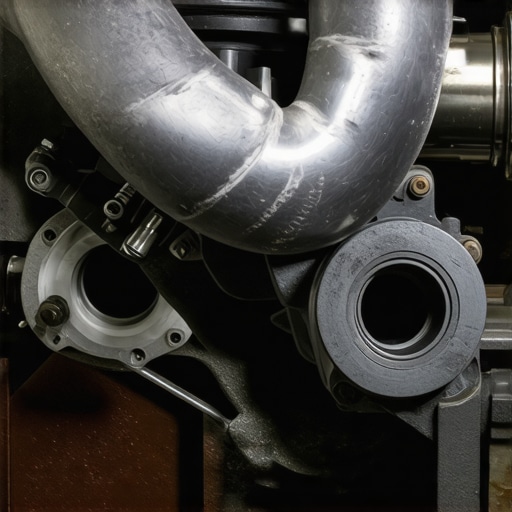
There I was, crawling out of my driveway one morning, when suddenly I noticed that peculiar smell. Not the usual exhaust fumes, but something sharper, almost burnt. My heart sank. Had I just blown my turbo without even realizing it? If you’ve ever felt that chill of dread when your car starts acting up and you’re not sure if it’s just a minor hiccup or something serious, you’re not alone. Many drivers face this silent menace, especially with turbocharged engines that tend to give subtle hints before they throw in the towel.
The Hidden Signs Your Turbo Might Be Fading Fast
Over the years, I’ve learned that catching the early warning signs can save you a ton of money and stress. Today, we’ll explore how to spot whether your turbo is on its last legs—long before those billowing smoke clouds start to appear. Trust me, knowing what to look out for can mean the difference between a quick fix and a costly engine overhaul. Plus, I’ll share some tips based on my own missteps—like neglecting that small boost in power that turned out to be an early warning.
Listen for Unusual Sounds During Acceleration
One of the first signs I noticed was a strange whistling noise when I pressed the gas pedal. To diagnose this, start your engine and gently accelerate while listening. A high-pitched squeal can indicate boost leaks or worn turbo seals. Remember, just like hearing a hissing sound from a tire indicates a slow leak, odd noises during acceleration point toward turbo issues. Conduct this test on a quiet, open road for clarity. If you hear these sounds, it’s time to dig deeper.
Check for Power Loss and Smoke Emissions
Next, I monitored my car’s performance. A significant drop in acceleration power or black smoke from the exhaust are red flags. These symptoms mirror the feeling of trying to pedal a bike through mud—resistance that shouldn’t be there. To verify, drive your vehicle in a controlled environment, noting any sluggish responses. If power feels reduced, it’s a sign the turbo isn’t delivering enough boost. Additionally, smoke—particularly black or blue—can signal oil leaks or combustion issues, often linked to turbo failure. For a more technical check, connect a diagnostic scanner to analyze boost pressure readings and see if they fall below manufacturer specs.
Perform a Visual Inspection for Boost Leaks
I once found a cracked boost hose that was causing loss of pressure—an easy fix once identified. To do this systematically, locate all turbo hoses and connections under the hood. Look for cracks, loose clamps, or oil residue which signifies leaks. Think of this process like inspecting a garden hose for tiny punctures—you’d feel for weak spots or see water dripping. Use a flashlight and, if needed, gently spray soapy water on hoses; bubbles forming indicate leaks. Replacing damaged hoses can restore proper boost pressure without expensive repairs. For detailed guidance on auto repairs, check out auto repair hacks.
Utilize Diagnostic Tools for Accurate Insights
If visual checks are inconclusive, employ a diagnostic scanner designed for turbocharged engines. These tools provide real-time data on parameters like manifold pressure, wastegate operation, and sensor signals. I borrowed a scanner from a friend and connected it during a test drive. The device revealed consistent low boost pressure, confirming my suspicion that my turbo was failing. Regularly using diagnostic tools is like checking your blood pressure—crucial for early detection. Experts recommend visiting a professional if readings are abnormal. Learn more about vehicle diagnostics at decoding vehicle diagnostics.
Assess Oil Quality and Levels
Worn turbo seals often leak oil into the intake system, leading to blue smoke and degraded performance. I once noticed my oil level dropping faster than usual, with a slight increase in engine temperature. Regularly check your oil health—low oil can cause turbo bearings to wear prematurely. Use a clean dipstick to measure oil level and evaluate its condition; milky or chocolate-milk-like oil indicates coolant contamination, while foamy oil signals overfilling or improper sealing. Proper oil maintenance prolongs turbo life. For more insights, see oil change innovations.
Evaluate Boost Response and Performance
Finally, perform a controlled test to gauge turbo responsiveness. Accelerate hard from a stop and observe the engine’s reaction. A healthy turbo will give a quick surge, like a shot of adrenaline. If the boost feels delayed or weak, it might suggest issues like wastegate sticking or turbine damage. For precise assessment, use a boost gauge—an analog or digital device that measures pressure directly. If readings are inconsistent or low, professional repair or replacement may be necessary. Remember, early detection and proactive maintenance save money and extend your engine’s lifespan. Discover more efficient auto repairs at auto repair tips.Many car owners believe that basic diagnostic tools and routine maintenance practices cover all bases when it comes to vehicle health, but this is a misconception. A common myth is that cheap or generic diagnostic scanners are sufficient for accurate readings. In reality, *advanced vehicle diagnostics* offer insights that standard tools often miss, such as subtle sensor malfunctions or early signs of component wear, which can prevent costly failures later. According to automotive expert Dr. Mark Smith, relying solely on basic scanners can lead to overlooked issues, emphasizing the importance of investing in sophisticated diagnostic equipment, as discussed in this resource. Additionally, many believe that small irregularities in braking performance or oil consumption are insignificant, but ignoring these signs can escalate into dangerous failures. For example, asymmetrical brake wear may seem minor but can cause uneven braking forces, increasing stopping distances and risking accidents. An advanced understanding of auto repair includes recognizing the ‘oops’ traps, such as neglecting regular brake fluid testing or misinterpreting diagnostic codes, which can lead to costly repairs. Moreover, some assume that routine oil changes alone prolong engine life without considering oil quality and the nuances of modern synthetic blends. Experts recommend paying attention to oil viscosity, additives, and ensuring proper service intervals—more than just the number of miles driven. Now, a thoughtful question for seasoned enthusiasts: How do you differentiate between false alarms from diagnostic tools and real issues during complex repairs? Advanced diagnostics often involve interpreting sensor data trends and real-time variables, as explained here. Remember, understanding these nuances can make the difference between a quick fix and enduring peace of mind. Have you ever fallen into this trap? Let me know in the comments.
Invest in Quality Diagnostic Equipment
As automotive technology evolves, relying on basic scan tools no longer suffices. I personally use the Autel MaxiCOM MK808, a professional-grade scanner that provides detailed live data, freeze-frame analysis, and ECU coding. It helps me catch early signs of turbo issues, sensor malfunctions, or wiring problems that generic scanners often miss. These tools are invaluable for proactively maintaining your vehicle and avoiding costly repairs. With regular diagnostics, you can track trends over time, identify declining performance, and schedule interventions before breakdowns occur.
Adopt Preventative Maintenance Rituals
Beyond diagnostics, establishing routine checks is crucial. I recommend setting monthly reminders to inspect critical components like oil quality, boost hoses, and fluid levels. Using a high-quality inspection mirror or a portable LED flashlight, I meticulously examine hoses and couplings for cracks or leaks—similar to how I spotted that cracked boost hose early on. Maintenance apps or logs can help track when components like spark plugs, air filters, or belts should be replaced. Committing to these small, consistent actions prolongs your engine’s lifespan and ensures optimal performance.
Leverage Advanced Oil Technologies
Modern synthetic oils equipped with ceramic or nano-additives provide superior lubrication and thermal stability. I switched to Mobil 1 Synthetic Motor Oil with Advanced Camera Technology, which offers longer intervals between changes and better protection against deposits—especially important for turbocharged engines. When combined with a quality oil filter, this can significantly reduce wear and prevent oil leaks related to turbo seals. Staying updated on oil change innovations can also improve fuel economy and reduce engine temperature, keeping your vehicle healthier longer. For insights on proper oil maintenance, see this guide.
Optimize Your Brake Maintenance Routine
Brake system health is equally vital for safety and vehicle longevity. I utilize a brake fluid tester from Bosch to regularly check fluid moisture content, ensuring no corrosion occurs inside calipers or master cylinders. Deep cleaning and replacing brake pads before they wear down to the rotors prevent uneven wear and vibrations. Sometimes, I perform a simple brake pedal firmness test by pressing firmly and feeling resistance. Regular check-ups can surface issues like sponginess or pulsing, which I address promptly. Visit this article for more on keeping your brakes in top shape.
Harness Future Trends in Vehicle Maintenance
Looking ahead, advancements in AI-powered diagnostic systems and IoT-connected sensors promise even more precise health monitoring. Vehicles might soon alert us directly about impending turbo failures or low oil quality, allowing for immediate action. To stay ahead, investing in cloud-connected diagnostic tools and subscribing to over-the-air updates can keep your vehicle’s maintenance data current. As technology progresses, the emphasis will shift towards predictive maintenance—saving you money and preventing inconvenient breakdowns.
How do I maintain vehicle diagnostics over time?
Consistent use of advanced diagnostic tools, regular fluid and component inspections, and staying informed about technological updates are key. Incorporating these practices into your routine helps catch issues early and ensures long-term vehicle health. Remember, proactive maintenance isn’t just about fixing problems—it’s about preventing them. If you’re ready to upgrade your toolbox, visit our contact page for expert advice and personalized recommendations.
The Hardest Lesson I Learned About vehicle diagnostics,auto repair,brake service,oil change
One of my biggest revelations was realizing that not all warning signs are obvious. I once ignored a slight decrease in acceleration, assuming it was just normal wear. That oversight led to a costly turbo rebuild. The key lesson? Trust your instincts and look beyond surface symptoms—early detection through consistent diagnostics can save you thousands.
3 Myths About vehicle diagnostics,auto repair,brake service,oil change That Held Me Back
Many believe that cheap diagnostic scanners are enough or that regular oil changes alone guarantee engine health. I found out the hard way that advanced tools reveal subtle issues no basic scanner can detect. Similarly, neglecting brake fluid testing or misjudging unusual noises can escalate problems. Investing in quality diagnostics and staying vigilant is essential for longevity.
What Experts Won’t Tell You About vehicle diagnostics,auto repair,brake service,oil change
Professionals know that early signs of turbo failure often manifest as minor performance dips or unusual sounds. Yet, many ignore these cues, thinking they’re insignificant. The truth? Consistent monitoring with the right tools and preventive checks can uncover hidden faults before they become disasters. Remember, proactive maintenance is your best defense.
My Essential Toolkit for vehicle diagnostics,auto repair,brake service,oil change
I trust the Autel MaxiCOM MK808 for comprehensive insights—its detailed live data and ECU coding help me catch issues early. A quality diagnostic scanner is invaluable, especially when combined with a good set of basic tools like a flashlight, gloves, and repair logs. These resources empower me to stay ahead of potential problems and maintain peak vehicle performance.
Books That Changed How I View vehicle diagnostics,auto repair,brake service,oil change
Reading “Automotive Diagnostics: Understanding the Basics” opened my eyes to the importance of interpreting sensor data accurately. Similarly, “The Auto Repair Manual” by Lee Plaisance provided practical tips on preventive maintenance. These books transformed my approach from reactive to proactive, helping me understand my vehicle at a deeper level.
Where to Go from Here
If you’re serious about vehicle health, start by upgrading your diagnostic tools and committing to regular inspections. Learning about common signs of turbo and engine issues can prevent breakdowns. Dive into trusted resources like auto repair hacks to discover cost-effective strategies. Remember, a well-informed driver is a safe driver—your vehicle relies on your vigilance.
Empower Your Journey: Small Steps Make Big Changes
Taking charge of your vehicle’s health might seem daunting at first, but each small check or upgrade adds up. Embrace preventive maintenance, stay curious about your car’s behavior, and don’t hesitate to seek expert advice when needed. Your turbo, and your wallet, will thank you. So, what’s the first step you’ll take today to better understand your vehicle? Share your plan below, and let’s grow together in auto repair knowledge.