
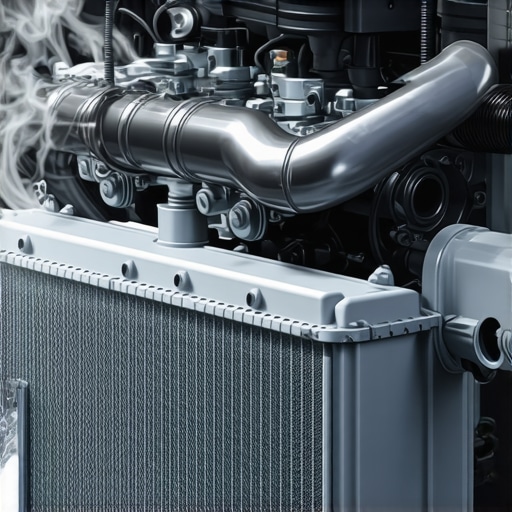
Ever found yourself stranded on a scorching summer day, only to realize that your engine is running fine when cold but acts up once it warms up? I’ve been there—pulled over, scratching my head, wondering why my car suddenly started behaving badly just because the needle crept into the red zone. That frustrating moment when you suspect something’s wrong, but the symptoms only show up under specific conditions, like when your engine is hot. It’s a real head-scratcher, and I know I’m not alone in this.
Understanding how to recognize a coolant leak that only manifests when your engine warms up is crucial. Not only can it save you from expensive repairs, but it also keeps you safe on the road. I used to overlook these subtle signs, dismissing them as normal quirks—until I learned the hard way that many leaks hide in plain sight, revealing themselves just as your engine’s temperature climbs.
Today, I’ll share the tips and tricks I’ve picked up to identify these sneaky leaks early enough to prevent major damage. Imagine catching that tiny leak before your engine overheats or your head gasket gives up. That’s what we’re aiming for. Plus, knowing how to spot these leaks can prevent you from being stranded miles from home, especially during scorching weather.
But first, let’s address a common concern: Is diagnosing a coolant leak that only occurs when hot really worth the hassle? I’ll be honest—at first, I was skeptical. I thought it might be just a minor inconvenience, not something to worry about. Until I realized that these tiny leaks can escalate quickly, leading to engine overheating, head gasket failure, or even engine failure. According to experts, neglecting coolant leaks can cost you thousands in repairs down the line. In fact, a study highlighted that early detection can reduce repair costs by up to 60% (source: RepairMyCarPro).
So, if you’ve ever noticed a sweet smell while driving, or your temperature gauge spikes only after a prolonged drive under the sun, keep reading. We’ll walk through real-world signs and simple checks that can help you catch that elusive leak before it becomes a major headache. Ready to become a coolant leak detective? Let’s dive into the secrets of engine cooling systems and how to spot the signs early.
Start With a Visual Inspection
After a warm drive, open the hood and examine the engine bay carefully. Look for puddles, wet spots, or crusty residue around hoses, radiator, and water pump. Use a flashlight if needed, and wear gloves to avoid contact with hot components. During my last summer trip, I caught a small crack in the radiator hose that only leaked when hot, saving me from a roadside breakdown.
Check Coolant Levels and Bathing Signs
While the engine is still warm, monitor the coolant reservoir. A drop in coolant level without any visible leaks is a red flag. Also, smell around the engine bay for sweet odors, which may indicate coolant vapor. I noticed a faint sweet smell while inspecting after a drive, prompting me to investigate further.
Perform a Pressure Test
Use a radiator pressure tester, which screws onto the radiator cap opening, to pressurize the system. Pump it to around 15 psi and watch for drops in pressure. If it drops quickly, there’s likely a leak. Remember, don’t over-pressurize to avoid damaging the system. In my experience, pressure tests reveal tiny leaks hidden in hoses or under the intake manifold that are invisible during casual checks.
Inspect for Coolant Spoils and Residue
Examine the engine components for signs of coolant leaks like white, chalky deposits, or staining on hoses, clamps, or engine blocks. These residues often indicate past leaks that appear only when the system is hot. During my own repair, I found a small crack in the water pump housing that showed these telltale signs after the engine warmed up.
Use UV Dye for Accurate Detection
Add a UV dye to your coolant. Drive the vehicle briefly to circulate the dye, then turn off the engine and inspect with a UV light. Leaking areas will glow under UV light, making even tiny leaks visible. This method is very effective for pinpointing leaks that only show when the system is hot or pressurized. I incorporated this trick to identify a tiny crack in the radiator that was causing intermittent overheating.
Perform a Boiling and Smoke Test
For stubborn leaks, pressure testing combined with a boiling test can help. Heat the engine to operating temperature and observe if coolant bubbles or leaks appear. Some repair shops use smoke machines to fill the cooling system with non-toxic smoke, which escapes at leak points. This approach proved invaluable when I needed a precise diagnosis of a leak behind the timing cover, only revealing itself after thorough testing.
Document Your Findings Before Repairs
Before fixing or consulting a mechanic, photograph leaks, residues, and damaged parts. This documentation clarifies the problem and speeds up repairs. It also helps prioritize parts replacement, especially if multiple small leaks are identified. Whenever I caught minor leaks, detailed pictures made the repair process quicker and less stressful.
Prevent Future Leaks With Regular Checks
After repairing or replacing faulty hoses and components, implement regular inspections—especially before long trips or during hot weather. Consistent maintenance catches potential problems early. I now schedule quarterly checks, which have significantly reduced emergency breakdowns caused by unseen leaks.
Many car owners believe that basic maintenance routines like brake service or oil changes are straightforward tasks that don’t require much thought, but this mindset often leads to costly mistakes. One common misconception is the idea that all brake pads and rotors are created equal—however, choosing the wrong components or neglecting proper bedding-in practices can drastically reduce braking effectiveness and even cause dangerous vibrations. Contrary to popular belief, a standard oil change isn’t just about swapping out old oil; advanced technologies now allow for synthetic oils that can extend engine life significantly if used correctly, as highlighted in this comprehensive guide. Are you aware that vehicle diagnostics go beyond just reading error codes? Many drivers overlook complex sensor interactions and electromagnetic signals, which, as explained in this article, can prevent catastrophic breakdowns if properly interpreted. One sneaky pitfall is assuming that the presence of error codes always indicates a serious problem—sometimes, sensors just need recalibration or cleaning. When it comes to auto repairs, rushing into fixes without understanding the root cause can lead to unnecessary replacements and expenses. I’ve seen countless cases where a leaking coolant or misfiring engine was mistaken for more severe issues, when in fact, thorough diagnostics could pinpoint the exact fault. Advanced diagnostic tools, like oscilloscopes and software analyzers, offer insights that standard scanners simply can’t provide. For example, in this resource, the importance of detailed system analysis is emphasized for preventing breakdowns. One critical trap many fall into is ignoring the fine details during routine inspections—an overlooked worn belt or tiny crack in a hose might seem insignificant but can cause major breakdowns when the engine heats up. Remember, neglecting small issues now may lead to bigger, more expensive repairs later. Make sure to perform regular, attentive inspections rather than relying solely on scheduled service intervals. Are you aware that quick, superficial fixes often mask underlying problems? For example, a brake noise might be a sign of warped rotors or caliper issues that, if left unaddressed, could compromise safety. Always dig deeper rather than settling for surface-level solutions. Engage with your mechanic about comprehensive diagnostics and ask questions—that’s the best way to ensure your vehicle’s longevity and safety. Have you ever fallen into this trap? Let me know in the comments.
Invest in Quality Diagnostic Equipment
To keep your vehicle running smoothly over time, having the right diagnostic tools is essential. I personally rely on a high-quality OBD-II scanner like the BlueDriver because it provides detailed error codes and live data. Unlike generic scanners, this device connects via Bluetooth to my phone and offers pinpoint diagnostics, saving me time and money. Regularly scanning your vehicle can catch issues early, especially with sensors that influence critical systems like brakes and emissions. For example, using advanced tools helps me identify a failing ABS sensor before it triggered a warning light, preventing a costly repair. Understanding vehicle diagnostics is a game-changer for proactive maintenance.
Implement Routine Maintenance with Precision
Consistent upkeep, such as oil changes and brake inspections, extends your vehicle’s lifespan. I recommend using synthetic oils like Mobil 1, which retain their properties longer and withstand higher temperatures. Paired with a good quality oil filter, these products can keep your engine cleaner and more efficient. Don’t forget to check and replace brake pads before they wear down to the rotors; this simple step prevents dangerous vibrations and ensures stopping power. For long-term reliability, I perform a comprehensive vehicle check every 3,000 miles and keep detailed records. Such diligence minimizes unexpected breakdowns and keeps repairs manageable.
Adopt Smart Scaling Strategies
As your vehicle ages, scaling maintenance becomes crucial. It’s tempting to postpone repairs, but small issues tend to escalate. I advocate for an anticipatory approach—regularly inspecting suspension components or coolant hoses with a structured checklist. Upgrading to better parts, like ceramic brake pads, improves safety and longevity. Additionally, utilizing software that tracks maintenance history helps identify patterns and schedule proactive interventions. This strategic scaling ensures your vehicle remains dependable, saving you from expensive repairs down the line.
Future of Auto Maintenance
Looking ahead, vehicle diagnostics will become more integrated with AI and machine learning, enabling predictive repairs that anticipate failures before symptoms appear. Tools will be smarter, providing actionable insights directly to users via smartphones, much like the current trend seen with telematics systems. Embracing these innovations now gives early adopters a significant advantage in maintaining their vehicles efficiently.
How do I keep my vehicle running smoothly over time?
Prioritize regular diagnostics with advanced tools like Bluetooth scanners, perform precise maintenance like synthetic oil changes, and scale your repairs thoughtfully as your vehicle ages. And, don’t hesitate to leverage emerging technologies that predict failures—this proactive mindset is the best way to sustain your car’s performance.
Lessons That Changed My Approach to Vehicle Care
One of my most eye-opening revelations was realizing that not all coolant leaks are obvious from a quick glance. Small cracks or deteriorating hoses often hide under the radar, only revealing themselves when the engine heats up, which can lead to sudden overheating if overlooked. I learned to trust my nose for the sweet smell of coolant vapor and to perform thorough pressure tests rather than relying solely on visual inspection. This shift in mindset helped me prevent costly damage and gave me peace of mind on long trips.
Another insight was the value of proactive diagnostics. Using UV dye and smoke tests, I discovered tiny leaks before they caused real trouble. These methods are like having a secret weapon against unseen issues. Now, I examine my vehicle more meticulously, especially before road trips, and I encourage others to adopt a diagnostic mindset that prioritizes early detection over reactive repairs.
Finally, I realized that investing in quality diagnostic tools and staying educated on vehicle systems pays dividends. Understanding the nuances of cooling systems and testing techniques empowers me to handle small issues confidently, saving money and avoiding roadside emergencies. These lessons have transformed my approach from a reactive to a proactive auto maintenance philosophy, which I highly recommend to all car owners.
Tools and Resources That Elevate My Diagnostics Game
I rely heavily on the [BlueDriver OBD-II scanner](https://repairmycarpro.com/decoding-vehicle-diagnostics-what-your-car-is-trying-to-tell-you) for its comprehensive error codes and real-time data, which helps me catch problems early. For leak detection, I use UV dye kits because they make pinpointing tiny leaks straightforward, even when the engine is hot. Additionally, I trust [smoke machines](https://repairmycarpro.com/how-advanced-vehicle-diagnostics-prevent-costly-breakdowns) for thorough testing of hard-to-reach areas, which often reveal leaks invisible to the naked eye.
Books like The Car Hacker’s Guide have expanded my understanding of vehicle systems beyond basic maintenance, making me more confident in diagnosing issues myself. I also follow expert blogs and tutorials that cover advanced diagnostic techniques, allowing me to stay ahead of potential problems and make informed decisions on repairs. Access to quality tools and knowledge is truly a game-changer in vehicle diagnostics and preventive maintenance.
Embrace Your Role as Your Vehicle’s Health Guardian
Taking ownership of your car’s health isn’t just about avoiding repairs; it’s about ensuring reliability, safety, and peace of mind. Don’t wait for warning lights or breakdowns to prompt action—be proactive with regular checks and diagnostics. Remember, early detection of hidden coolant leaks can save you hundreds or even thousands of dollars, and keep you safely on the road longer. I encourage you to start incorporating these diagnostic practices today and become the guardian your vehicle deserves.
What small step will you take this week to better monitor your vehicle’s health? Let me know below and share your experiences or questions about diagnosing coolant leaks or other hidden issues.
,