
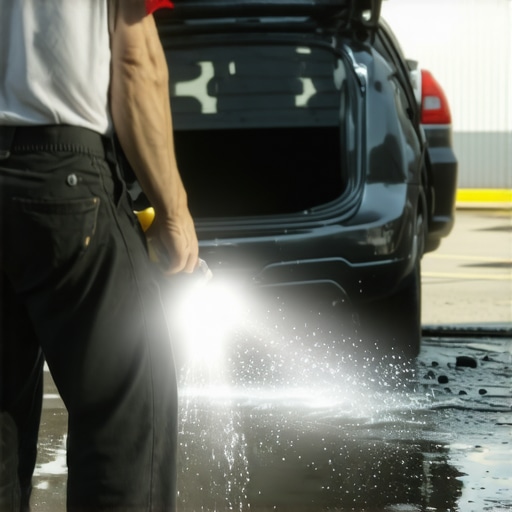
It was a damp, early morning, and as I reached into my trunk to grab the spare tire, I noticed a strange smell and a faint puddle on the floor. That sinking feeling hit me hard—my car was leaking water, and I had no idea where it was coming from. After checking the obvious spots, I realized that the water was collecting in the spare tire well, gradually filling up and risking rust, mold, and even damage to other vital components. It was a lightbulb moment for me—and I bet many of you have faced a similar frustrating discovery.
The Struggle is Real: Why Water Leaks Are More Than Just a Nuisance
Water leaks in cars are sneaky—they can start small, but over time, they cause serious issues like corrosion or electrical problems. Especially when the leak accumulates in hidden spots like the spare tire well, it often goes unnoticed until the damage is significant. I remember thinking, “How did I miss this?” early on, I made the mistake of ignoring minor dampness near the trunk, assuming it was just spilled water or condensation. That oversight delayed my diagnosis and turned a minor annoyance into a potential headache.
Today, I want to share the journey of how we pinpointed the water source in our vehicle and what you can do if you suspect water is pooling in your car’s unlikely places. Trust me, prevention and early detection save money and stress down the line. Plus, I’ll reveal some of the most common causes behind these leaks—so you won’t have to go through the same surprise I did.
Is Water in Your Car Suddenly a Major Headache?
One critical mistake I made early on was assuming that water coming in was always from the windshield or doors—those are obvious culprits. But water can also seep through less obvious spots like faulty seals around the rear tail light or a compromised drain tube. According to experts, even tiny cracks or blocked drainage systems can lead to water buildup inside your vehicle. Recognizing the signs before they become serious is key, and that’s where a systematic check becomes invaluable.
Have you ever found water pooling in your trunk or under the mats, only to realize later it was a leak? If so, you’re not alone. Next, I’ll walk you through how we traced the source of our leak and how you can do the same with your car—helping you avoid costly repairs and keep your vehicle in top shape.
,
Start With a Visual Inspection of the Exterior
Begin by examining your car’s seals around doors, windows, and trunk. Look for cracks, gaps, or deterioration—think of these as leaks pointing fingers to their source. I once spotted a brittle seal on my trunk that was the culprit. After replacing it, the water stopped pooling in the spare tire well.
Check Drainage Points and Hoses
Locate drain holes, typically in the wheel wells or door sills, and ensure they aren’t blocked. Use a driveway hose to gently spray water over potential leak areas and observe inside. During my own test, I noticed water entering through a clogged rear drain tube. Clearing it with compressed air restored proper drainage.
Utilize Moisture Detection Techniques
Use a tissue or a paper towel to check for moisture in hidden spots like the spare tire compartment or under the trunk lining. When I did this, dampness on the tissue revealed ongoing seepage, prompting further investigation.
Perform a Pressure Test
Park your vehicle in a garage or enclosed space. Close all doors and windows, then use a hose to spray water over suspect seals. Have someone inside to look for intrusions. This method mimics real rain conditions, helping you identify leaks without waiting for a storm.
Isolate the Source with Temporary Seals
If you suspect a specific area, tape it temporarily with waterproof tape and repeat the pressure test. For example, sealing the tail light fixtures led me to discover they were the leak’s entry point. Replacing faulty seals or gaskets fixed the issue entirely.
Inspect Flashings and Roof Racks
On taller vehicles, check roof racks or flashing around the roof for gaps or rust. I once found a loose bolt near my roof rack, which I fastened securely, eliminating roof leaks. Ensuring these are sealed prevents water from seeping in during heavy rains.
Address the Identified Cause
Once you pin down the source, replace worn seals, clear blocked drains, or repair damaged paint or panels. It might sound obvious, but addressing the root issue prevents recurring problems. For comprehensive guidance on sealing techniques, consult ourauto repair hacks.
Follow Up with a Leak Test
After repairs, repeat the water spray test to verify the fix. I recommend doing this multiple times across different weather conditions. My own follow-up tests confirmed that my leak was finally sealed after replacing the rear seal and cleaning the drain tube.
 When it comes to automotive care, many car owners rely on surface-level advice that can actually hinder their vehicle’s longevity. A common misconception is that every oil change must be done strictly at a certain mileage interval, but in reality, modern oil formulations and engine technologies call for a more nuanced approach, such as those outlined in our article on oil change innovations. Overlooking these advancements can lead to unnecessary costs or engine wear. Similarly, many believe that vehicle diagnostics are only necessary when the check engine light activates. However, advanced diagnostics can preempt breakdowns, as discussed in how diagnostics prevent failures. A sneaky trap lies in neglecting the importance of proper brake service—thinking that brake pads alone are enough; in truth, the entire system’s health is crucial, which is covered in ultimate brake service tips.
Many auto enthusiasts underestimate the risks of improper repair techniques, especially when attempting DIY fixes without the right tools or knowledge. This often results in more harm than good, a mistake frequently made during brake or suspension repairs. Recent studies, such as those referenced in the auto repair hacks guide, highlight how cutting corners can cause costly rebuilds.
One advanced nuance that mechanics occasionally miss is how vehicle sensor systems communicate, especially those related to emissions and safety features. For example, a faulty oxygen sensor can cause inefficient fueling and increased emissions, yet many ignore the potential for sensor failure until the engine runs poorly. Recognizing early sensor flaws can save hundreds on repairs. For more insights on decoding vehicle signals, check out decoding diagnostics.
Being aware of these hidden flaws and misconceptions—like thinking all auto repairs are equal or that routine maintenance isn’t vital—can substantially extend your vehicle’s life and performance. Remember, small neglected details often become big problems. To deepen your understanding, I recommend exploring our comprehensive guides and staying updated on the latest automotive advancements. Have you ever fallen into this trap? Let me know in the comments.
Choosing the Right Diagnostic Tools for Longevity
Investing in a reliable OBD-II scanner is crucial for any car enthusiast or daily driver aiming to maintain their vehicle effectively. Personally, I swear by the Autel MaxiCOM MK808 for its comprehensive capabilities, including live data streaming, sensor calibration, and code clearing, which helps me identify minor issues before they escalate. These tools save money by catching problems early, such as faulty oxygen sensors or misfiring coils, preventing costly repairs down the line. As vehicle technology advances, integrating software like decoding vehicle diagnostics becomes essential for staying ahead of potential failures.
Maintaining Systems with Precision and Care
Regularly updating your diagnostic software ensures compatibility with the latest vehicle firmware updates, which is vital for accurate readings. I make it a habit to connect my scanner every few months to run full system checks, especially before long trips, so I can address minor warnings like evap leaks or battery sensor faults proactively. Moreover, using dedicated tools for brake inspection, such as a digital brake caliper gauge, provides precise measurements to avoid uneven wear, which can severely impact safety. Remember, consistent maintenance, supplemented by the right tools, extends your vehicle’s lifespan and performance.
Anticipating Future Trends in Vehicle Care
Looking ahead, automotive diagnostic tools are moving towards AI-driven platforms capable of predictive analytics, revealing issues that haven’t manifested yet. Companies are developing smart dashboards that sync with your smartphone to alert you about component deterioration in real-time. As these innovations become mainstream, staying updated with software like auto repair hacks will empower you to perform more effective preventive maintenance. Getting hands-on with these tech advancements today can position you at the forefront of automotive care tomorrow.
How do I maintain vehicle diagnostics over time?
To ensure your diagnostics remain reliable, keep your tools and software updated, regularly clean sensors and connectors, and familiarize yourself with your vehicle’s unique symptoms. Implementing these practices, along with consulting expert resources, can help you detect issues early, saving money and avoiding breakdowns. Remember, proactive maintenance is the key to a well-running vehicle, and leveraging the right equipment makes that process much more straightforward. Try calibrating your sensors or updating your diagnostic software as the next step—and experience how smoothly your vehicle can operate for miles to come.

What I Wish I Knew Before the Leak Turned into a Nightmare
The biggest lesson I learned was the significance of routine inspections—small signs like dampness or a faint smell can save you from costly repairs. I used to ignore minor puddles, thinking they were harmless, but neglecting these clues almost led to rust and electrical issues. Trust me, paying attention to the tiny details now can prevent big headaches later. Additionally, I discovered that understanding the unseen working of your vehicle’s seals and drainage systems is vital; a simple clogged drain or worn seal can be the silent culprit of water intrusion. Lastly, embracing diagnostic tools early on helped me pinpoint issues quickly, saving time and money—it’s an investment worth making for any car owner committed to longevity.