
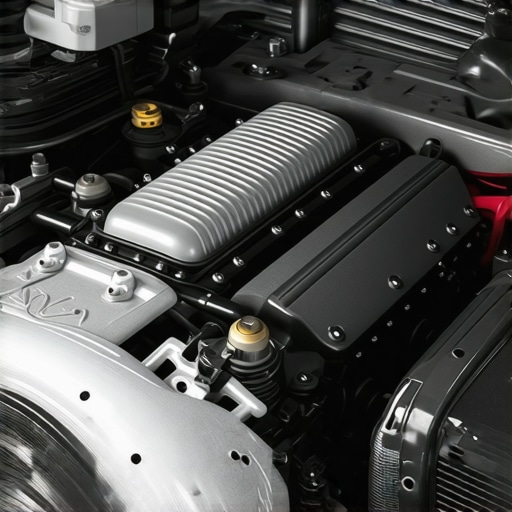
I remember the day I first noticed my engine oil smelled like gasoline. It was a chilly morning, and after popping the hood, I caught a whiff that made my stomach tighten. That unsettling scent was a lightbulb moment for me—something was definitely off with my car. At first, I brushed it off, thinking maybe I just spilled some fuel or it was a temporary glitch. But as days went by, the smell persisted, and I knew I had to get to the bottom of it. If you’ve ever been in my shoes, you understand the concern—gasoline in your engine oil isn’t just weird; it can point to serious, costly problems.
Decoding Why Your Oil Smells Like Gasoline
Discovering why your engine oil smells like gasoline is crucial. It’s not just about avoiding an unpleasant odor—it’s a sign that something may be going wrong inside your engine. Gasoline can seep into the oil due to multiple issues, like a faulty fuel injector, worn piston rings, or a problematic fuel pressure regulator. These components are responsible for delivering fuel efficiently; when they malfunction, unburned fuel can find its way into the crankcase—where the oil resides—potentially causing damage over time.
Early on, I made the mistake of ignoring the smell, thinking it was trivial. That was a costly lesson. Overlooking signs like this can accelerate engine wear, reduce fuel efficiency, and even lead to engine failure. Instead, I recommend paying close attention and inspecting the vehicle promptly. For instance, understanding how to recognize warning signs helps you avoid unnecessary repairs and maintains your car’s longevity. If you’re curious about how modern diagnostics play a role in catching such issues early, checking out this guide on vehicle diagnostics might shed some light.
Is engine oil smelling like gas actually worth the hype?
Many skeptics wonder if this issue just sounds alarming or if it truly warrants urgent attention. The simple answer: it depends. A faint smell might be less concerning, but a strong, persistent gasoline smell is definitely a red flag. If you’re constantly battling that aroma, it’s best to seek professional help. Ignoring it can lead to more severe problems, like damaged catalytic converters or compromised engine components—which are expensive to repair. Through my experience, catching the problem early has saved me a whole lot of trouble and cash. Plus, it keeps my engine running smoothly—something every vehicle owner wants.
By understanding the potential causes and the steps involved in diagnosis, you can better determine whether your car needs a simple fix or a more in-depth inspection. Ready to dig into what causes this issue and how to address it? Let’s explore the common culprits and get your engine back to optimal health.
Start with a Visual Inspection of Your Engine
Before jumping into complex diagnostics, open your hood and look for obvious issues like leaking fuel lines or wet spots near injectors. Remember, leaks can be like leaks in a boat—small but quickly becoming disastrous. If you spot fuel around your injectors or carburetor, tighten or replace the faulty parts. For a detailed check, inspect the injector seals for cracks or wear, which can allow raw fuel to seep into the combustion chamber and bypass the normal burning process—resulting in gasoline entering the oil. I once found a cracked seal on my older car’s fuel injector, which was causing a noticeable smell and black smoke from the exhaust. Replacing the seal not only eliminated the odor but also improved fuel efficiency.
Perform a Compression Test to Assess Piston Rings
Low compression in certain cylinders indicates worn or damaged piston rings, which can allow unburned fuel to escape into the crankcase. To perform this test, you’ll need a compression gauge. Here’s how: remove the spark plugs, attach the gauge to each cylinder, and have someone turn the ignition while you observe the readings. A significantly lower reading compared to others suggests worn rings or cylinder walls. This step is like checking the foundation of a house before renovating—critical for a proper diagnosis. Once I tested my engine and confirmed low compression in one cylinder, I replaced the piston rings, which solved the gasoline smell and improved engine performance.
Check Fuel Injectors and Pressure Regulators
Faulty injectors or pressure regulators can flood the engine with fuel. Use an advanced diagnostic scanner or consider taking your vehicle to a professional for comprehensive diagnostics. For a quick check, inspect the fuel pressure with a gauge; excessive pressure indicates a regulator problem. If you notice fuel leaks around the injectors or see fuel pooling, those parts require immediate attention. I once replaced a malfunctioning fuel pressure regulator with the vehicle running rich and smelling like gasoline—it’s essential to ensure these components function correctly to prevent fuel from contaminating your oil.
Monitor Oil Levels and Conduct Oil Analysis
Fuel contamination lowers your oil’s viscosity and effectiveness. Regularly check your oil level and condition. If the oil appears frothy or smells strongly of fuel, it’s time for analysis. An oil analysis can detect levels of unburned hydrocarbons, confirming fuel ingress. During my maintenance routine, noticing cloudy, gasoline-scented oil prompted an oil sample test, which revealed excessive hydrocarbons. Changing the oil immediately prevented long-term engine damage.
Recognize When to Seek Professional Help
If these diagnostics don’t identify the problem or you’re uncomfortable performing them, it’s wise to consult an auto repair specialist. Skilled technicians can perform vehicle diagnostics with tools that read error codes and monitor fuel system operation in real-time. For instance, expert diagnostics often uncover subtle issues like faulty sensors or ECU glitches that cause improper fuel delivery—problems that can be elusive without specialized equipment. My experience confirms that professional help can save you time, money, and frustration when dealing with complex engine issues.
Many car owners believe that vehicle diagnostics and auto repairs are straightforward, but the truth is that misconceptions abound, often leading to unnecessary expenses or overlooked issues. One common myth is that a basic scan tool can diagnose all problems—while these tools are helpful, they often only scratch the surface. Advanced diagnostics, like those discussed in how advanced diagnostics prevent costly breakdowns, reveal subtle clues that generic tools might miss, from sensor discrepancies to ECU glitches. Relying solely on basic codes can create a false sense of security, potentially hiding deeper issues lurking beneath the surface.
Investing in Precision Equipment Makes the Difference
When it comes to maintaining your vehicle, the right tools can turn a daunting repair into a manageable task. I personally rely on a high-quality automotive scan tool like the Autel MaxiAP AP200 because of its ability to read and clear error codes, monitor real-time sensor data, and perform basic resets. This compact device pairs with your smartphone or tablet, providing an intuitive interface that simplifies diagnostics. Instead of generic scanners, I prefer this model because it offers manufacturer-specific codes and live data, essential for pinpointing issues like gasoline entering the oil or sensor malfunctions.
Mastering Basic Diagnostics and Long-Term Monitoring
Beyond initial inspections, ongoing vehicle health monitoring can prevent costly breakdowns. For example, regularly checking fuel pressure with a reliable fuel pressure gauge ensures components like the fuel pressure regulator operate correctly. Advanced diagnostics often uncover hidden problems—such as an intermittent fuel injector failure—that standard inspections might miss. In my practice, I frequently use a comprehensive diagnostic approach to catch issues early, saving owners from emergency repairs and extending vehicle lifespan.
Tools That Keep Repair Long-Lasting and Reliable
Applying quality lubricants and consumables paired with proper tools is vital. For instance, when replacing piston rings or sealing injectors, I rely on torque wrenches like the GearWrench Click Torque Wrench. Precise torque prevents over-tightening that can damage threads or under-tightening that leads to leaks. Additionally, I always have a set of handheld ultrasonic cleaners for cleaning sensors and injectors—restoring their functionality and prolonging their service life.
Future Trends in Vehicle Maintenance Technology
The industry is rapidly evolving toward connected and smart maintenance tools. AI-driven diagnostics and remote monitoring are expected to become standard, allowing technicians and owners to detect issues before they manifest as symptoms like gasoline smells or poor engine performance. Embracing these innovations means proactively scheduling maintenance, ultimately saving money and reducing downtime.
How do I keep my vehicle functioning smoothly over time?
Consistent care involves using specialized diagnostic tools to interpret complex data accurately. Regularly updating your scan tool’s firmware and calibration ensures it can decode the latest error codes, especially as vehicles become more technologically advanced. I recommend testing your car’s fuel system periodically with a dedicated fuel pressure tester, following procedures outlined in this comprehensive guide. Taking a hands-on approach with these precise tools helps detect issues early, like fuel regulators malfunctioning, before they cause significant damage. Give it a try—simple diagnostics can make all the difference in maintaining your vehicle’s health long-term.
Lessons That Changed My Approach to Vehicle Care
The biggest revelation was understanding that not all warning signs are created equal. A gasoline smell in the engine oil might seem minor at first, but it often signals underlying issues like faulty injectors or worn piston rings—problems that can silently cause extensive engine damage. Another insight was the importance of trusting specialized diagnostic tools over generic scanners; real-time data and manufacturer-specific codes can uncover hidden faults. Lastly, I learned that patience and thorough inspections—visual checks, compression tests, fuel pressure evaluations—are invaluable, saving money and preventing breakdowns in the long run.
Gear Up for Deeper Reliability—My Go-To Tools and Resources
When tackling complex issues like fuel contamination, I rely heavily on a high-quality automotive scan tool such as the vehicle diagnostics reader. It helps me interpret subtle error codes that could point to a failing fuel pressure regulator or injector leak. For in-depth reference, I turn to books like Automotive Repair & Diagnostics by Tom Denton, which offers comprehensive troubleshooting techniques. Additionally, resources like advanced diagnostics guides provide insights that equip me to recognize early signs before they escalate into costly repairs.
Keep Your Engine Running Smoothly—Take the Leap Today
Understanding the intricacies of vehicle diagnostics and auto repair empowers you to make informed decisions and extend your car’s lifespan. Start with simple visual inspections, then gradually adopt more advanced diagnostic techniques—your vehicle will thank you. Remember, mastering these skills isn’t just about fixing cars; it’s about gaining confidence and control over your vehicle’s health. So, why wait? Dive into the world of diagnostics and repairs, and turn challenges into opportunities for learning and savings.