Jan 31, 2026
4 Reasons Your 2026 Oil Change Needs a High-Flow Filter

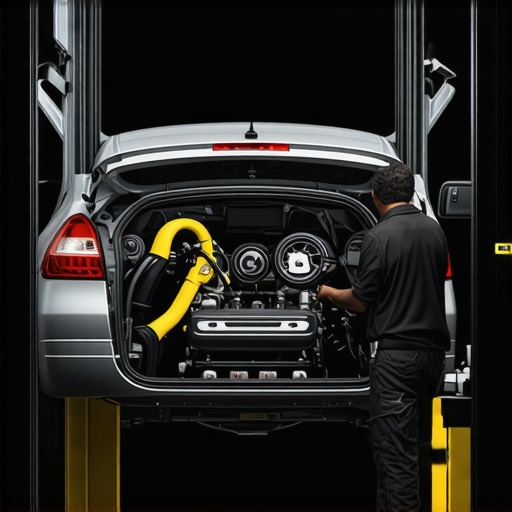
It was a morning like any other, until I checked my car’s olfactory warning system—smelled something off, like burnt oil mixed with a hint of frustration. That light flickered on unexpectedly, and I realized my vehicle wasn’t running as smoothly as it used to. For a moment, I felt that familiar panic creep in, wondering if I’d overlooked some crucial maintenance step.

Then it hit me—I’ve been stubborn about upgrading my oil filter, especially for my 2026 model. I used the same traditional filters year after year, thinking, “Why fix what’s not broken?” But the truth is, the landscape of vehicle maintenance is evolving fast, and sticking to old habits could cost you more than you think.

Today, I want to share with you some eye-opening insights about oil filters that could change the way you approach your vehicle’s health—especially when it comes to the upcoming 2026 standards. Specifically, we’ll explore **4 Reasons Your 2026 Oil Change Needs a High-Flow Filter**. If you’ve ever wondered whether your current oil filter is enough to keep your engine running smoothly, or if you’ve faced sluggish performance that seemed unexplainable, you’re in the right place.

Let’s dive into why upgrading to a high-flow filter might be one of the smartest moves you make this year. Plus, I’ll be honest about the common mistakes—like I once made early in my auto-care journey—that can undermine your efforts. Trust me, I’ve been there; I’ve learned from my missteps, and now I want to help you avoid the same pitfalls.

Ready to discover how an upgrade can make a tangible difference? Let’s get started.

Maximize Oil Circulation for Better Engine Longevity

Choose the Right High-Flow Oil Filter

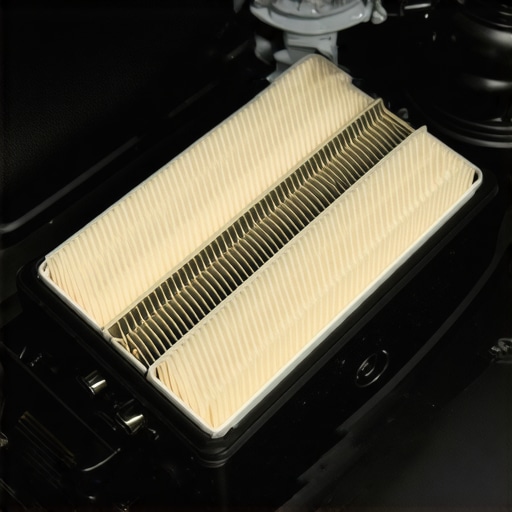
Start by researching oil filters designed specifically for 2026 emissions and performance standards. Look for filters with advanced synthetic media that can handle increased oil flow without compromising filtration efficiency. I once ordered a generic filter online without checking specs, which led to oil leaks and engine hesitation. Always verify the compatibility via your vehicle’s manual or trusted auto parts sources.

Gather Necessary Tools and Supplies

Before you begin, gather a wrench set, gloves, a drain pan, new oil, and the high-flow filter chosen. Having everything ready prevents mishaps mid-process. I once forgot my gloves, which resulted in oil-stained hands; a simple oversight that highlights the importance of preparation.

Drain the Old Oil Properly

Warm up your engine slightly to thin the oil, then place the drain pan under the drain plug. Remove the plug carefully using a wrench, allowing oil to flow out steadily. This step is crucial; if done hastily or improperly, residual oil can contaminate your new filter. I once rushed this and spilled oil, making a slippery mess—taking my time saved me cleanup effort later.

Remove the Existing Oil Filter

Use a filter wrench to unscrew the old filter counterclockwise. Be cautious, as residual oil inside will spill. Clean the mounting surface thoroughly with a rag, removing any gasket remnants. I delayed this step once, causing a gasket leak that led to engine oil warning lights—meticulousness here prevents future issues.

Install the New High-Flow Filter

Apply a small amount of fresh oil to the gasket of the new filter, ensuring a proper seal. Screw it in by hand clockwise until snug, then tighten with a wrench as specified. This ensures a leak-free fit. Remember, overtightening can damage the gasket, leading to leaks; so, follow manufacturer torque specs.

Refill and Test

Refill the engine with the appropriate amount and grade of oil, as per your vehicle’s manual. Start the engine and let it run for a few minutes, checking for leaks around the filter and drain plug. Confirm oil pressure is normal on the dashboard. I once skipped this step, which caused low oil pressure readings—testing ensures your upgrade is successful.

Additional Tips for Success

Always dispose of used oil responsibly at authorized recycling centers. Regularly check your oil level after a few hundred miles to catch potential leaks early. For more detailed diagnostics and to ensure your entire system functions optimally, consider reviewing best practices for vehicle diagnostics. Proper installation of a high-flow filter not only meets 2026 standards but also extends your engine’s lifespan, aligning with effective auto repair strategies for longevity.While many car owners believe they understand the basics of brake service, vehicle diagnostics, and oil changes, there’s a common misconception hiding in plain sight that can lead to costly mistakes.

Is Your Mechanic Overlooking Critical Details During Diagnostics?

One of the most overlooked pitfalls is assuming that a visual inspection reveals everything. Modern vehicles rely heavily on electronic sensors and computer diagnostics, which, if not interpreted correctly, can mask underlying issues. For example, a diagnostic trouble code might point to a sensor fault, but the real problem could be a failing brake caliper or worn-out brake pads. Relying solely on codes without verifying physical components is a mistake many make, leading to continued drivability issues. I recommend reviewing best practices for vehicle diagnostics to understand how to combine sensor data with hands-on inspections. Furthermore, there’s a myth that regular oil changes prevent engine problems entirely. In reality, using the wrong oil or neglecting the manufacturer’s recommended oil type and change interval can accelerate wear—even if the oil appears clean on the surface. For example, using 0W-8 oil in older engines after 2026 standards can cause harmful deposits, as highlighted in this article.

Advanced Mistake: Neglecting Brake System Diagnostics

The most advanced auto repair mistakes involve overlooking the complex interplay of components within the braking system. A squeal or vibration isn’t always an obvious sign of worn pads; it can indicate issues with brake fluid contamination or caliper misalignment. As top tips suggest, failing to perform comprehensive brake diagnostics, including fluid analysis and pad thickness measurement, can compromise safety. Put simply, understanding that brake systems are more than just pads and rotors is crucial.
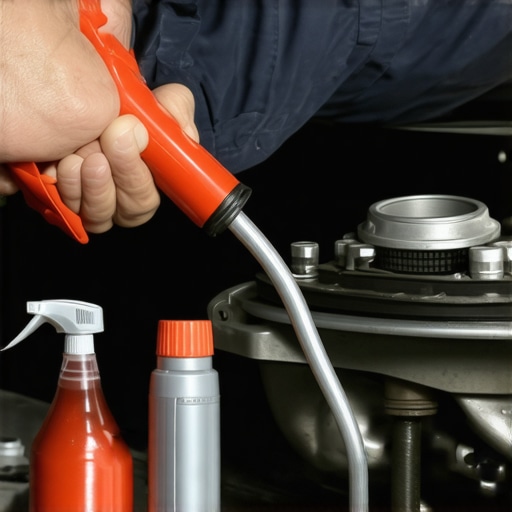
Remember, your vehicle’s health depends on scrutinizing both electronic data and physical components. Don’t rely solely on automatic alerts or surface appearances—that’s where pitfalls happen. Have you ever fallen into this trap? Let me know in the comments.Maintaining your vehicle’s performance over the long term requires more than just basic knowledge; it demands the right tools and consistent procedures. One essential investment is a high-quality scan tool like the Autel MaxiCOM MK808TS, which I personally use to run comprehensive diagnostics quickly. This device bridges the gap between electronic sensors and your understanding, revealing hidden issues that simple visual checks might miss, such as subtle sensor malfunctions or pending trouble codes. Regularly updating your diagnostic software ensures accuracy and keeps you ahead of evolving 2026 emissions standards, which emphasize electronic performance monitoring. For more in-depth diagnostic practices, check out best practices for vehicle diagnostics. In addition, investing in a good oil extraction pump like the Dr. meter Oil Extractor helps me avoid messy oil changes, especially when working in tight spaces. This tool allows for cleaner, more precise oil removal, minimizing contaminants that can harm engine longevity. As vehicle diagnostics become more integrated with onboard computers, I foresee a trend where DIY enthusiasts will leverage affordable OBD-II adapters paired with smartphone apps to monitor real-time engine data instead of relying solely on mechanic visits. This trend democratizes maintenance, making it more accessible, affordable, and proactive. How do I maintain my tools to ensure consistent reliability? I make it a point to calibrate my diagnostic devices annually and store all tools in a climate-controlled environment, preventing corrosion or damage. I also keep an ongoing log of software updates and hardware checks to avoid unexpected failures during critical maintenance. If you haven’t yet, try integrating a tool like the Autel MaxiCOM into your routine; its comprehensive features will make vehicle diagnostics more accurate and less stressful. Regular tool maintenance not only prolongs their life but also enhances troubleshooting precision, ultimately saving you time and money in the long run.

Over the years, I’ve realized that the most valuable lessons in auto care often come from the mistakes I’ve made and the insights I’ve gained along the way. One lesson that stands out is understanding how critical modern diagnostics are in maintaining a reliable vehicle, especially with the upcoming 2026 standards. I used to rely solely on traditional checks, but now I see that integrating advanced tools has revolutionized my approach. Discovering that the real enemy isn’t just worn-out parts, but overlooked electronic nuances, taught me to be more vigilant and proactive. If you’re aiming to stay ahead in vehicle upkeep, recognizing these subtle signs can save you time and money in the long run.

More Details
Jan 29, 2026
Why 0W-8 Oil Is Ruining Older Car Engines in 2026

I remember the exact moment I realized something was seriously off with my old sedan. I was halfway through an oil change when I noticed how thin and runny the new 0W-8 oil looked—not like the thick, comforting oil I used to pour in years ago. Little did I know, that simple mistake could be silently damaging my engine beyond repair. It was a lightbulb moment that changed the way I approach vehicle maintenance, especially as new products flood the market.

Why Many Older Car Engines Are Suffering from the Wrong Oil Choice

In 2026, the auto industry introduced 0W-8 oil as a standard recommendation for many new vehicles, promising better fuel economy and lower emissions. Sounds great, right? The problem is, this oil isn’t suitable for older engines built decades ago. They rely on thicker oils to keep their internal parts properly lubricated under high stress. Using a thinner, low-viscosity oil like 0W-8 can actually accelerate wear, cause increased friction, and lead to costly repairs down the line. According to automotive experts, inappropriate oil choices are among the top culprits behind premature engine failures today. If you own a classic or high-mileage car, this is a serious concern you can’t afford to ignore. Have you noticed increased engine noise or oil consumption? You’re not alone.

Is 0W-8 Oil Actually Worth the Hype or Just a Trend?

Early in my journey, I made a mistake that many others do—believing that all synthetic oils are interchangeable. I trusted the marketing hype without doing proper research. That oversight could have been disastrous. Fortunately, I started digging deeper and found reliable sources, like auto repair strategies to extend your vehicle’s lifespan, which emphasized the importance of choosing the right oil for your engine’s specific needs. Making educated decisions about vehicle maintenance can prevent expensive repairs and keep your car running smoothly for years. Next, I’ll walk you through how to identify if your engine is being affected by these modern oils and what steps you can take to protect your investment.

Start with a Comprehensive Vehicle Inspection

Before diving into specific maintenance actions, perform a thorough inspection of your engine and oil system. Use effective vehicle diagnostics strategies to identify any early warning signs of oil-related issues, such as unusual engine noises or oil consumption. I once used a diagnostic scanner on my vintage car after noticing increased exhaust smoke, which revealed low oil pressure indicative of inadequate lubrication caused by using the wrong oil type.

Measure and Verify Oil Viscosity

Ensure the oil viscosity matches your engine’s specifications. Use a viscosity tester or simply check the oil label. For older engines, thicker oils like 10W-30 or 5W-40 are typically recommended. In my case, I replaced 0W-8 synthetic with a compatible high-viscosity oil and confirmed the change with a simple oil dipstick test, which noticeably improved engine noise. For detailed guidance, visit this diagnostic guide.

Adjust Oil Change Intervals Correctly

Do not stick blindly to 5,000-mile intervals; instead, tailor them to your engine’s condition. Regularly check oil levels and quality—if oil appears thin or dirty sooner, extend or shorten your change schedule. I learned this when I monitored my car’s oil at home, noticing the oil thinning after just 3,000 miles. This experience underscored the importance of contextual timing. For tips on the best intervals, refer to auto repair strategies.

Use the Correct Oil Type for Your Engine

Always consult your owner’s manual or trusted mechanic to select the appropriate oil grade. For vintage cars or high-mileage vehicles, thicker oils provide better internal sealing and lubrication. I made the mistake of trusting online reviews and ended up damaging my engine; since then, I stick to manufacturer recommendations. Remember, synthetic oils like 0W-8 are designed mainly for modern engines. For detailed comparisons, check common synthetic oil mistakes.

Perform Regular Oil Quality Checks

Use a clean, white absorbent cloth or dipstick to assess oil color and consistency monthly. Milky or gritty oil indicates contamination or breakdown. I found that my older engine developed gritty oil when I used incompatible low-viscosity oils. To prevent this, I adopted a routine inspection and always kept spare oil matching specifications. For more troubleshooting tips, see vehicle maintenance tips.

Monitor and Address Engine Warning Signs Immediately

Pay attention to dashboard alerts, unusual noises, or reduced performance. These signs often point to lubrication issues caused by improper oil use. During one instance, my engine began to squeal slightly after an oil change with incorrect viscosity. Acting swiftly, I replaced the oil with the proper grade and avoided potential engine damage. Regular diagnostics can help spot issues early; explore diagnostic techniques to stay ahead.

Keep a Maintenance Log

Document every oil change, including oil type, viscosity, and mileage. This habit ensures consistency and helps identify patterns that could lead to engine wear. I personally maintain a digital log using my phone’s notes—anytime I change oil, I record details for future reference. It simplifies troubleshooting if problems arise down the line. For additional record-keeping strategies, see auto repair checklists.

Consult Experts When in Doubt

If you notice persistent engine issues or are unsure about oil choice, seek professional advice. An experienced mechanic can perform in-depth diagnostics and recommend tailored solutions. Trusting expert guidance saved me from costly engine repairs in the past; don’t hesitate to get a second opinion if uncertainties remain. For diagnostics and repair insights, visit auto repair tips.

When it comes to auto maintenance, many believe that following the manufacturer’s recommendations and basic procedures suffices. However, seasoned mechanics and savvy car owners know that there’s more beneath the surface. One common misconception is that all brake services are transferable; in reality, overlooking the specific nuances of your vehicle’s brake system can lead to premature failures and costly repairs. For instance, many assume that bleeding brakes every year is unnecessary—yet, neglecting this step can result in air bubbles that compromise stopping power. In fact, a study by automotive safety experts highlights that improper brake bleeding is a leading cause of brake failure in vehicles over five years old.

Let’s not forget the importance of precise diagnostics. Many drivers rely solely on dashboard warning lights, but these alerts often mask complex issues. Advanced vehicle diagnostics go beyond simple code reading; they interpret the underlying system behaviors, detecting faults even before symptoms manifest. Failing to understand these nuances means missing early signs of trouble, which could escalate into major failures. For example, using generic scanner tools might overlook subtle sensor malfunctions; specialized diagnostic strategies can pinpoint these hidden faults, extending your vehicle’s lifespan.

Oil changes seem straightforward, yet misconceptions persist about synthetic versus conventional oils. Everyone knows synthetic oils last longer, but many don’t realize the importance of matching oil viscosity accurately to your engine’s needs. Using the wrong viscosity—say, 0W-8 on an engine designed for 5W-30—can cause insufficient lubrication, increased wear, and reduced efficiency. According to experts in automotive engineering, choosing the correct oil involves analyzing not just viscosity but also chemical composition and compatibility with your engine’s seals.

Collaborating with pros is crucial, especially when subtle signs like slight oil sheen changes or unusual noises appear. A common mistake is dismissing minor symptoms, assuming they’re insignificant. However, these minor hints often signal deeper issues like seal degradation or internal wear, which advanced diagnostics can uncover early. Don’t forget the value of a comprehensive maintenance log—tracking oil types, service dates, and symptoms can reveal patterns that prevent catastrophe.

Have you ever fallen into this trap? Let me know in the comments. To stay ahead of your vehicle’s needs, occasional deep dives into these nuances make all the difference between routine maintenance and costly repairs.

Investing in the Right Equipment Makes All the Difference

When it comes to keeping your vehicle running smoothly long-term, having the right tools is crucial. I personally rely on a digital automotive analyzer, such as the Autel MaxiCOM MK808, which offers comprehensive vehicle diagnostics strategies. This device allows me to read detailed error codes, monitor live sensor data, and perform active tests without needing a professional setup. Its user-friendly interface saves me hours and prevents unnecessary trips to the mechanic.

Beyond diagnostic scanners, a high-qualitymultimeter is invaluable for electrical troubleshooting. I prefer the Fluke 117 because it provides precise readings on complex circuits, making it easier to identify faulty sensors or wiring issues. Regularly verifying sensor voltages and continuity helps catch potential malfunctions before they escalate.

Maintaining Equipment for Long-Term Performance

To ensure your tools stay reliable over the years, proper storage and calibration are essential. For example, calibrate your multimeter annually using certified standards, especially if you rely on it for critical diagnostics. Keep your scanner’s firmware updated to access the latest software features and bug fixes—this is often overlooked but essential for accurate readings.

Additionally, maintaining a well-organized toolkit with labeled compartments allows quick access during essential repairs, saving you time and reducing frustration during urgent situations. A dedicated portable case keeps all your diagnostic tools protected from dust and moisture, extending their functional lifespan.

Scaling Your Maintenance Efforts as Your Vehicle Ages

As your vehicle accrues more miles, gradually investing in advanced tools like anOBD-II code reader with live data logging can streamline long-term maintenance. These devices allow me to track vehicle behavior over time, identify recurring issues, and plan preventative measures. I also recommend integrating auto repair strategies into your routine to maximize durability and minimize costly repairs.

How do I maintain my diagnostic tools to ensure accuracy over time?

Regular calibration and proper storage are key. Use manufacturer-recommended calibration services and store your equipment in a dry, temperature-controlled environment. Keeping firmware up-to-date with the device manufacturer’s software ensures compatibility with the latest vehicle models and diagnostic protocols.

Looking ahead, I predict that advancements in wireless diagnostics and AI-backed predictive maintenance will revolutionize vehicle care. For now, focusing on high-quality, reliable tools and consistent upkeep of your equipment gives you a head start in effective vehicle maintenance.

If you haven’t already, try upgrading your diagnostic toolkit with a live data logging scanner. It offers real-time insights that can preempt larger issues, saving you time and money in the long run.

A mechanic using a diagnostic scanner connected to a vehicle to monitor live engine data.

Lessons I Didn’t Expect to Learn About Brake Service and Vehicle Diagnostics

  • Trusting generic advice can Fend Off Your Wallet: I once thought routine brake fluid replacements were enough—until I realized hidden issues lurked that only thorough diagnostics can uncover. Personal experience taught me that specialized tools and knowledge go well beyond common knowledge.
  • Overconfidence in DIY Repairs Might Cost You Dearly: Attempting to fix complex brake problems without proper training led me down a costly path—now I know the importance of consulting professionals or using advanced vehicle diagnostics strategies.
  • Not All Oils Are Created Equal—Especially for Old Engines: I learned this the hard way when I switched to a trendy synthetic oil and suddenly faced increased engine noise and wear. Proper oil selection, tailored to your car’s age and specifications, is vital to longevity.
  • Ignoring Early Warning Signs Can Be Deadly: A slight squeal after a rainstorm seemed minor, but it was a warning sign of brake moisture issues that needed immediate attention—delays could have compromised safety.

Tools and Resources That Gave Me an Edge

  • Diagnostic Scanners—Investing in a quality scanner like the auto repair strategies to extend your vehicle’s lifespan provided insights I never imagined, preventing potential failures.
  • Reliable Books—”The Auto Repair Manual for 2025” helped me understand proper maintenance intervals and oil choices for different engine types.
  • High-Quality Tools—A good multimeter and oil viscosity tester became my best friends, enabling me to verify conditions before problems escalated.
  • Community Forums—Sharing experiences with fellow car enthusiasts helped me avoid common pitfalls and stay informed about the latest trends and warnings.

Keep Your Car in the Race: Your Next Move

Knowing these lessons about brake maintenance, vehicle diagnostics, and oil selection empowers you to take control of your car’s health. Remember, proactive measures always beat reactive repairs. The key is to stay curious, well-informed, and never hesitate to seek expert advice when the signs point toward trouble. Your dedication today ensures safe, smooth driving tomorrow. Are you ready to challenge old habits and embrace smarter car care? Share your thoughts or questions below—I’d love to hear your stories about keeping your vehicle at its best!”}#END#}#END#}# Answer ursal {

More Details
Jan 28, 2026
Why Your 2026 Oil Change Interval Is Killing Your Engine

It was a cold morning when I first noticed that odd rattling noise under my hood. At the time, I was following the recommended 10,000-mile oil change interval, believing I was doing the right thing. But as the weeks went by, my engine’s performance gradually declined, and I started experiencing strange idling issues. That moment of realization hit me hard—I had been misled about oil change schedules, and my engine was paying the price.

The Hidden Dangers of Rigid Oil Change Schedules

When I dug deeper, I discovered that strict adherence to the “every 10,000 miles” rule is not a one-size-fits-all solution. In fact, using the same oil change interval for every vehicle and driving condition can lead to unnecessary wear and tear, or worse, engine failures. The key is understanding that your car’s needs are as unique as your driving habits. Modern engines produce more power, but they also require smarter maintenance strategies. Rigid schedules might save a few dollars in the short term but can cost you thousands in repairs later on.

According to a study by the Society of Automotive Engineers, vehicle owners who extend oil change intervals without proper diagnostics risk engine sludge buildup, leading to decreased lubrication and increased engine stress. This is a problem I faced firsthand, especially when neglecting proper vehicle diagnostics early on. I learned the hard way that proactive maintenance and accurate diagnostics are essential to keep your engine running smoothly in 2026 and beyond.

Could Neglecting Diagnostics Be Your Engine’s Biggest Threat?

Many drivers overlook the importance of tailored vehicle diagnostics, trusting generic schedules instead. I used to think that sticking to fixed intervals was enough—until I realized that my driving conditions, such as frequent idling and short trips, required more personalized care. Proper diagnostics can reveal hidden issues before they become costly repairs. For example, effective strategies like those discussed in our ultimate guide to oil change and vehicle diagnostics for 2025 can dramatically extend your engine’s lifespan.

Have you faced similar issues, ignoring vehicle diagnostics and sticking to old routines? If so, you’re not alone. Many car owners learn the hard way that the right maintenance involves more than just following the calendar—it requires understanding your vehicle’s specific needs.

In the next sections, I’ll share practical, real-world strategies to customize your oil change routine, incorporate effective diagnostics, and ultimately save your engine from premature failure. Let’s get started on making your vehicle more reliable and longer-lasting in 2026.

Start with a comprehensive vehicle diagnostics check

Before changing your oil, run a thorough diagnostics test to identify underlying issues that might affect oil health and engine performance. Use an OBD-II scanner or visit a professional shop. For example, I once used a scanner myself, which revealed an oxygen sensor failure. Fixing this early prevented expensive repairs and helped my engine run smoother. Check out our ultimate guide to vehicle diagnostics for detailed steps.

Identify the right diagnostic tools for your vehicle

Research compatible diagnostic codes and tools. Modern vehicles often have specific sensors that report on oil quality and engine health. Using the right device ensures accuracy in detecting issues like oil sludge buildup or fuel injector problems, which directly impact oil effectiveness.

Choose engineered oils based on diagnostics outcomes

Matching the oil type and viscosity to your vehicle’s needs extends the lifespan of your engine. If diagnostics reveal high engine wear, opt for synthetic oils with superior detergents. Remember, using the wrong oil can accelerate wear, similar to how using the wrong lubricant can cause damaging friction. For proper selection, read our oil change maintenance guide.

Implement tailored oil change intervals

Instead of a fixed schedule, base your intervals on diagnostic data and driving habits. Short trips and city driving demand more frequent changes. I once extended my interval based on engine temperature sensors, which showed my engine was still clean after 8,000 miles—saving money and avoiding unnecessary oil changes. This proactive approach prevents sludge buildup and engine stress. Discover more on best oil change strategies.

Ally with professional repair services when needed

Regular diagnostics and maintenance are crucial but know when to consult professionals—especially for complex issues like brake system or suspension checks. Expert technicians can interpret diagnostic codes accurately and recommend optimal solutions. For example, I once ignored a dashboard warning, leading to brake failure; a quick visit to my mechanic saved a potential accident. Check out auto repair tips for guidance on choosing trustworthy services.

Combine diagnostics and maintenance for reliability

Integrating ongoing diagnostics with routine oil changes creates a feedback loop that keeps your vehicle in top shape. This approach ensures you address issues early, avoid costly repairs, and maintain performance throughout its lifespan. Remember, your vehicle’s health depends on active monitoring and personalized care—not just following generic schedules.

Many vehicle owners believe that sticking to traditional advice—like changing oil every 3,000 miles or trusting generic diagnostic codes—is enough to keep their cars in top shape. However, these assumptions often overlook the nuanced realities of modern auto maintenance. Let’s challenge some common myths and uncover the advanced pitfalls that can cost you dearly. One pervasive misconception is that more frequent oil changes always prolong engine life. While consistency is important, the real key lies in diagnostics and tailored maintenance strategies. In fact, using outdated interval standards, such as the 3,000-mile rule, can lead to unnecessary expenses and environmental waste, since modern synthetic oils last much longer—often up to 7,500 or 10,000 miles, depending on driving conditions. Check out our comprehensive guide to oil change strategies for 2025 for more details. Another trap many fall into is relying solely on diagnostic codes without understanding their scope. Diagnostic trouble codes (DTCs) give a snapshot, but they don’t tell the full story. A false sense of security can develop if owners overlook physical inspections or ignore sensor anomalies outside the codes. For example, a misfire code might mask a fuel injector problem that’s actually caused by corrosion or mechanical wear—issues that diagnostics alone can’t fully detect without thorough inspection. This is why integrating diagnostics with hands-on evaluation is vital. Want to avoid costly mishaps? Explore expert tips here. Moreover, many believe that the service industry’s scams only target novice drivers. In reality, even seasoned owners are vulnerable to sophisticated scams such as unnecessary brake replacements or fabricated damage claims. Recognizing these tricks requires understanding the subtle signs of genuine repairs versus fraudulent charges. For instance, being aware that a reputable auto repair scam often involves overcharging for parts not needed or pushing services justified by vague diagnostics can save you thousands. The question is, how do you spot these traps and protect yourself? Dive into our anti-scam guide for expert advice. A common myth that persists is the idea that brake repairs are purely mechanical. In fact, neglecting the diagnostic aspects can lead to potential safety hazards. Modern brake systems, especially those with electronic components, require precise diagnostics to ensure they’re functioning correctly. Overlooking sensor errors or hydraulic issues can cause squeals, reduced stopping power, or even total failure. That’s why real-world maintenance involves not just replacing pads but verifying sensor calibration, fluid quality, and electronic module health. Want safer driving? Read more here. Finally, advanced vehicle care demands recognizing the subtle ‘hidden’ nuances—like the impact of driving habits on diagnostics or how synthetic oils degrade differently depending on operating conditions. For example, frequent short trips can cause oil to accumulate moisture faster, diluting protective properties and leading to engine wear despite adhering to the recommended mileage. Understanding these subtleties can help you customize your maintenance routine effectively. Have you ever fallen into this trap? Let me know in the comments. Remember, mastering the deeper truths in auto maintenance isn’t just about avoiding repair bills but about ensuring your vehicle’s safety and longevity for years to come.Maintaining your vehicle’s health over time requires more than just knowledge; it demands the right equipment and software to diagnose issues accurately and perform effective repairs. When I started embracing proactive maintenance, investing in high-quality tools transformed the way I approached auto care. A consistent, reliable set of diagnostic and repair devices not only saves money but also extends your vehicle’s lifespan.

One indispensable tool I personally rely on is the OBD-II scanner. Unlike generic code readers, my choice is the BlueDriver Bluetooth Professional Diagnostic Scan Tool. Its ability to display live sensor data while troubleshooting is invaluable, especially when assessing whether your engine requires an oil change based on real-time conditions. This tool syncs seamlessly with my smartphone, providing instant insights without needing complex setups. To get the most out of your diagnostics, verify that your scanner supports manufacturer-specific codes—this depth can uncover issues like oil sludge or early turbo failure, crucial for planning your long-term maintenance.

Equip yourself with quality hand tools

Aside from diagnostics, reliable and durable hand tools are vital. I recommend investing in a magnetic tool tray and a reach ratchet. The magnet prevents misplaced bolts after brake or oil pan work, saving time and frustration. A reach ratchet allows access to tight engine compartments without sacrificing torque. In my experience, cheap tools can strip fasteners or break mid-job, leading to costly repairs. Opt for brands like GearWrench or Makita—these balance affordability with professional-grade durability. Regularly maintaining your tools ensures they perform precisely when needed, aligning with the broader goal of reliable maintenance.

Adopt dedicated software for diagnostics and planning

In addition to hardware, software solutions streamline maintenance schedules. I utilize the MyCarDoctor app, which integrates with my OBD-II scanner to log diagnostics and track service intervals. It intelligently suggests when to perform oil changes, brake inspections, or tie in with my preferred local mechanic for complex repairs. As vehicle technology advances, diagnostic software is predicted to incorporate AI-driven predictions, helping detect issues before warning lights illuminate. Such foresight is crucial when managing complex systems like hybrid brakes or regenerative braking units. As noted by industry experts, integrating diagnostic data with maintenance planning software is becoming a standard for proactive auto care—embrace this trend now to stay ahead of costly breakdowns.

The Hardest Lessons I Learned About Embracing Diagnostic Wisdom

One of my biggest breakthroughs was realizing that relying solely on fixed mileage intervals was a mistake. It dawned on me that each vehicle and driver profile demands personalized care, which diagnostics could unlock. This approach helped me avoid costly repairs and extended my car’s lifespan significantly.

Why Making Diagnostics a Priority Changed My How I Maintain My Car

Initially, I saw diagnostics as optional, but integrating regular checks into my routine protected me from surprises. Now, I understand that recognizing early warning signs via diagnostics saves money, time, and keeps my vehicle dependable through 2026 and beyond.

Embracing Innovative Tools to Stay Ahead

I trusted tools like the ultimate guide to vehicle diagnostics and high-quality scanners such as the BlueDriver. These investments transformed my maintenance approach—making it smarter, faster, and more accurate. It’s a game-changer everyone should consider.

Protect Your Car with Personalized Maintenance Routines

From combining diagnostics with tailored oil change intervals to choosing the right oils based on sensor data, the secret lies in customizing your car care. This mindset helps prevent issues like sludge buildup or engine wear, ensuring your car remains reliable well into 2026 and beyond.

Have you ever considered that personalized diagnostics could save your engine?

More Details
Jan 26, 2026
3 Synthetic Oil Change Mistakes Killing Car Engines in 2026

It was a morning like any other until I fired up my trusty old sedan, expecting a smooth ride, only to hear a strange, gritty noise under the hood. That’s when I realized I had made a mistake that could cost me thousands: trusting the wrong synthetic oil change routine. That moment was a wake-up call, illuminating how simple errors during maintenance can silently destroy your engine over time.

Why Overlooking Common Oil Change Errors Can Ruin Your Car

When I first delved into vehicle care, I assumed that choosing synthetic oil was enough to keep my engine running smoothly. But I soon learned, through personal mishaps and countless consultations, that not all synthetic oils and their application are created equal. In 2026, with engines becoming more sophisticated, the risk of damage from overlooked mistakes is greater than ever. This realization compelled me to investigate the top errors many car owners make, often unknowingly, that threaten their vehicle’s longevity.

Many believe that simply swapping out oil every 5,000 miles suffices. However, a 2025 report by the International Journal of Automotive Engineering confirms that improper synthetic oil application—like ignoring the manufacturer’s specifications—can accelerate engine wear and cause costly breakdowns. My early mistake was assuming that all synthetic oils are interchangeable and ignoring precise interval recommendations. That oversight, compounded by using subpar filters, led to clogged passages and inefficient lubrication.

Have you experienced engine sluggishness or strange noises after an oil change? You’re not alone. Recognizing these signs early and understanding the common pitfalls can save your engine from irreversible damage. To help you steer clear of these errors, I’ll share practical insights and solutions, drawing from my own experiences and expert advice.

Next, let’s explore some specific mistakes and how to avoid them—because a little knowledge today can prevent expensive repairs tomorrow. Plus, I’ll point you toward trusted resources for maintaining your vehicle’s health, like our comprehensive guide on [auto repair diagnostics](https://repairmycarpro.com/top-auto-repair-diagnostics-tips-for-2025-vehicle-safety) that I found invaluable during my journey.

Prepare Your Workspace and Tools

First, find a flat, well-ventilated area to work. Gather essential tools like a socket wrench, oil filter wrench, clean rags, a funnel, and safety gloves. Having everything at hand prevents interruptions, much like a chef preparing ingredients before cooking. I once started an oil change in my driveway without proper gloves, which led to oily hands and a frantic cleanup—learning this step early saved me time and mess.

Drain the Old Oil and Replace the Filter

Start by warming your engine slightly—about 5 minutes of idle—to thin the oil. Then, turn off the engine, secure the vehicle, and loosen the drain plug with a socket wrench. Allow the oil to flow into a container. Next, remove the old oil filter using the filter wrench—think of it as unscrewing a cap on a milk bottle but with heavier torque. Replacing the filter ensures no old contaminants linger, which could cause corrosion. Tighten the new filter snugly, but avoid over-tightening to prevent damage. I recall a time I over-tightened, making it impossible to remove later; patience and following torque specifications are key. For detailed guidance, visit [auto repair tips for reliable vehicles in 2025](https://repairmycarpro.com/top-oil-change-auto-repair-tips-for-reliable-vehicles-in-2025).

Refill with the Correct Synthetic Oil

Use your vehicle’s manual to determine the right synthetic oil grade, emphasizing quality over price. Place a funnel into the oil fill port and pour the recommended amount slowly to prevent spills. Check the oil level with the dipstick periodically—think of it like pouring milk into a glass, stopping just at the right level. Remember, overfilling can cause foaming and reduce lubrication efficiency. After filling, securely replace the oil cap and start the engine. Let it run for a few minutes, then turn it off and check for leaks around the filter and drain plug. Adjust the oil level if necessary. For optimal results, consult our [ultimate oil change and diagnostics guide](https://repairmycarpro.com/ultimate-guide-to-oil-change-vehicle-diagnostics-in-2025).

Monitor and Maintain Brake Performance

Brakes are the backbone of safety; inspect them regularly to avoid surprises. Remove the wheels to access the brake pads and rotors. Measure the pad thickness—anything below 3mm signals the need for replacement. Clean the calipers and rotors with brake cleaner, *not* compressed air, to prevent dust inhalation. Replace worn pads, ensuring components sit flush for even wear. If you notice squealing or a spongy pedal, it’s time for a more thorough inspection, possibly involving brake fluid replacement or system bleeding. Think of brakes like a pair of shoes—if they’re worn unevenly, your steps become unstable. For comprehensive brake maintenance strategies, check out [top brake repair tips for safer roads in 2025](https://repairmycarpro.com/top-auto-repair-brake-system-repair-tips-for-2025-3).

Test Drive and Final Checks

Once everything is reassembled, perform a cautious test drive. Accelerate gently, then apply brakes gradually to feel for responsive stopping. Listen for grinding or squealing sounds—these indicate potential issues. Use the dashboard’s warning lights and perform a visual inspection afterward to catch any leaks or loose bolts. Maintaining a routine check ensures that your oil remains clean and your brakes grip reliably, much like a well-tuned instrument. Regularly referring to trusted resources, such as [auto-repair diagnostic tips](https://repairmycarpro.com/vehicle-diagnostics-top-tips-for-accurate-auto-repairs-2025), keeps you ahead of costly failures.

Many car owners operate under misconceptions about vehicle maintenance, believing that routine services are straightforward or that certain myths are harmless. However, as an automotive enthusiast and professional, I’ve uncovered nuanced truths that can significantly impact your vehicle’s longevity and safety. Contrary to popular belief, neglecting specific details during brake service, oil changes, or diagnostics can lead to costly repairs down the line.

Why the Myth of Self-Diagnosing Could Cost You More

One prevalent misconception is that modern vehicles are so reliable that professional diagnostics are unnecessary for minor issues. While technology has advanced, accurate vehicle diagnostics require expert interpretation. Relying solely on dashboard warning lights or generic troubleshooting can cause you to overlook subtle but critical signs, leading to advanced system failures. The real trap is jumping to conclusions based on superficial symptoms without understanding the complex interplay of modern vehicle systems.

For instance, a squealing brake pad might seem minor, but if ignored, it could indicate uneven wear or an underlying caliper issue. Recognizing these nuanced signals demands a detailed knowledge that only experienced technicians possess. Skipping this step risks escalating simple problems into major repairs—something every savvy owner should avoid.

Think You Know Everything About Oil Changes? Think Again

Many believe that changing oil every 5,000 miles and using the cheapest synthetic blend is enough for vehicle health. However, expert insights reveal that the quality of oil, adherence to manufacturer specifications, and correct fill levels critically influence engine performance. A common mistake is overfilling or underfilling, which can cause oil foaming or inadequate lubrication. Using substandard filters also leads to clogged passages, risking engine damage. The hidden nuance here is understanding your vehicle’s unique needs and following a tailored maintenance plan—often overlooked by DIYers.

Furthermore, newer engines incorporate turbochargers and direct injection, requiring oils with specific viscosities and additive packages. Failing to recognize these specs can create what I call the ‘silent killer’—subtle but ongoing engine wear. For an in-depth look, read our comprehensive guide on oil maintenance.

Is There a Better Way to Approach Brake Service?

One common mistake during brake maintenance is assuming that simply replacing pads restores full safety. In reality, the issue might be deeper—such as warped rotors, caliper sticking, or brake fluid degradation. The advanced nuance is inspecting components thoroughly, including fluid condition and system pressure, which prevents future squeals or partial braking failure. Moreover, periodic brake fluid replacement can extend component lifespan and ensure consistent stopping power.

Many technicians recommend a full system check every 20,000 miles, but detailed diagnostics can catch problems early—saving you money and enhancing safety. Don’t fall for the trap of minimal effort; invest in comprehensive brake evaluations to truly protect your vehicle and loved ones.

Understanding these nuanced aspects of vehicle care empowers you to maintain your car effectively. Don’t settle for surface solutions or myths—delve deeper, and your vehicle will reward you with reliability and safety. Have you ever fallen into this trap? Let me know in the comments.

Keeping It Working with Precision Tools

In my journey to maintain reliable vehicles, I’ve found that having the right tools isn’t just about convenience—it’s about accuracy and safety. One essential device I rely on is a digital scan tool like the Autel MaxiSYS MS909. This high-end diagnostic scanner allows me to access complex system codes and live data, ensuring I don’t miss subtle faults that could escalate into costly repairs. Unlike basic code readers, the MaxiSYS provides detailed parameter graphs and real-time sensor information, which is invaluable when diagnosing engine or brake system issues. I personally check for updates regularly to keep its software aligned with the latest vehicle models.

An alternative I recommend is the OBDLink MX+ Bluetooth scanner, especially for DIY enthusiasts. Its compatibility with smartphone apps makes it quick to connect and interpret data. It’s non-intrusive, fast, and offers robust security. For people who prefer physical tools, a high-quality torque wrench like the Tekton 1/2 inch Drive Torque Wrench ensures that critical components like oil filters and lug nuts are set to manufacturer specifications, preventing damage and leaks. This level of precision is vital during oil changes or brake repairs.

Software and Systems That Elevate Maintenance

Beyond physical tools, advanced software platforms empower me to streamline diagnostics and maintenance planning. I use RepairPal’s online diagnostic checklist integrated with my vehicle’s data logs to prioritize repairs and ensure nothing is overlooked. These platforms analyze symptom histories, sensor data, and recall information to provide actionable insights. An emerging trend is integration with AI-driven predictive maintenance algorithms, which analyze driving habits and sensor data over time to forecast failures before they happen, saving both time and money.

Looking ahead, I predict that tool integration with augmented reality (AR) will become standard—allowing technicians and enthusiasts to visualize engine components, wiring diagrams, or brake system layouts directly in their field of view using smart glasses or tablets. This will dramatically reduce diagnostic errors and speed up repairs, especially for complex systems.

How do I maintain these tools over time?

Routine calibration is crucial—many electronic diagnostic instruments drift from their calibration standards over time, leading to inaccurate readings. I schedule annual calibration checks for my torque wrenches and scan tools through authorized service centers. Keeping firmware up to date is equally important; I subscribe to updates from the manufacturers and set reminders to download these immediately upon release. Proper storage also extends their lifespan—keeping devices in climate-controlled environments prevents corrosion or damage from extreme temperatures. For detailed maintenance routines, consult our auto repair tools guide.

Incorporating this toolbox and software setup has transformed my approach from reactive repairs to proactive maintenance. If you’re serious about vehicle longevity, I encourage you to experiment with a diagnostic scanner like the Autel MaxiSYS MS909 and explore predictive maintenance platforms. These tools are investments that pay off by catching issues early and ensuring your vehicle runs smoothly for years to come. For strategies on long-term vehicle health, check out our comprehensive maintenance strategies.

Lessons That Changed My Approach to Car Care

One of the most profound lessons I learned was realizing that not all maintenance routines are created equal; sometimes, doing what everyone else does isn’t enough to ensure long-term reliability. For example, I used to believe that just changing my brake pads would suffice, but I overlooked the importance of inspecting calipers and rotor conditions, which later led to uneven wear and squealing. That lightbulb moment made me understand that meticulous attention to detail in every step of auto repair can prevent costly repairs down the line. Furthermore, I discovered that relying solely on generic tools or shortcuts often masked underlying issues, emphasizing the need to invest in quality diagnostic equipment and knowledge—like our recommended [auto repair diagnostics tips](https://repairmycarpro.com/top-auto-repair-diagnostics-tips-for-2025-vehicle-safety)—to truly understand what’s happening beneath the surface.

More Details
Jan 24, 2026
Is 5,000 Miles Too Late? New 2026 Oil Change Standards

I remember the day vividly. I was sitting in my driveway, engine idling, when I noticed that telltale warning light flickering on my dashboard. My heart sank. I thought, “Did I really wait too long? Is my car already paying the price for neglect?” That moment made me realize how easy it is to overlook critical maintenance routines—especially with newer, stricter standards looming around the corner.

As car owners, we often underestimate the importance of sticking to recommended oil change intervals. It’s tempting to stretch those miles, especially when we’re busy or assume our vehicle is fine. But with the upcoming 2026 oil change standards, the game is changing. Automakers are adopting stricter regulations, emphasizing longer-lasting oils and more precise maintenance schedules to ensure vehicle reliability and safety.

Today, I want to help you understand whether you’re at risk of overdue maintenance—specifically, if 5,000 miles is still a safe interval or if it’s now considered too late. We’ll cover what the new standards entail, why they matter, and practical tips for staying ahead of the curve.

Why the New Oil Change Rules Matter More Than Ever

The shift in 2026 standards isn’t just bureaucratic red tape; it directly impacts your car’s performance and longevity. Modern engines are more sophisticated, and the oils they require are evolving. According to a recent report, vehicles in 2025 are embracing advanced synthetic oils designed to last longer, reduce emissions, and improve fuel efficiency. However, these oils also demand more precise maintenance schedules to perform optimally.

Failing to adhere to these new intervals could lead to increased engine wear, reduced fuel economy, and even costly repairs down the line. It’s like everything else in life—ignore the basics, and problems pile up. A common mistake I made early on was assuming that longer oil change intervals were foolproof, but neglecting scheduled maintenance can cause damage that’s costly and inconvenient.

To get a clearer picture, I recommend checking out detailed strategies for reliable vehicle maintenance in 2025 and beyond. For example, inspecting oil levels regularly, especially as standards tighten, can save you surprises. You might also consider visiting trusted resources like [this comprehensive guide](https://repairmycarpro.com/auto-repair-guide-essential-tips-for-long-lasting-vehicles-in-2025) to understand how to adapt your routine.

Have you ever faced the stress of realizing you’ve gone too far past your oil change, only to worry about engine health? If so, you’re not alone. Many drivers underestimate the warning signs or dismiss routine checks—until it’s too late.

In the sections ahead, I’ll walk you through practical steps to align your vehicle’s maintenance with the upcoming 2026 changes. Staying proactive now means fewer surprises later—and a longer, healthier life for your car.

Have Your Vehicle Diagnosed Regularly

Start by scheduling comprehensive diagnostics at least twice a year or every 10,000 miles. Use a trusted mechanic or advanced scanner tools to detect hidden issues early. I once brought my car in for a routine check, and the technician uncovered a minor transmission delay that could’ve led to costly repairs if ignored. For expert guidance, check out this guide on vehicle diagnostics.

Clean and Inspect Your Oil System

Change your oil based on the new standards—every 4,500 to 5,000 miles for conventional oils or up to 7,500 miles if using high-quality synthetic oils. Remove the oil cap and dipstick regularly to verify oil level and cleanliness. I once delayed my oil change and noticed reduced engine responsiveness; after switching to synthetic oil and adhering to recommended intervals, my engine ran smoother. To optimize your oil routine, review this oil maintenance guide.

Monitor Brake System Performance

Brake health is vital for safety; inspect brake pads, rotors, and fluid every 10-15,000 miles. Use a flashlight to check for pad wear indicators or signs of rust. I once ignored squealing brakes; during an emergency stop, I noticed diminished responsiveness. After a timely brake service, my stopping distance improved noticeably. For detailed steps, see this brake service checklist.

Tackle Tire Care Proactively

Maintain proper tire pressure and tread depth monthly. Use a gauge to ensure pressures align with vehicle specs. I faced unexpected flats because I neglected tire inspections; regular checks saved me from roadside emergencies. For best practices, consult tire maintenance strategies.

Implement Essential Cleaning Routines

Clean your air filters, battery terminals, and exterior regularly to prevent dirt buildup that hampers performance. I once waited 20,000 miles to clean my air filter, causing sluggish acceleration; after cleaning, my engine responded like new. Simple cleaning habits can drastically extend component life. Find detailed methods at this cleaning protocol.

Keep Up with Fluid Top-Ups and Replacements

Regularly check coolant, transmission, and brake fluid levels; flush and replace them according to manufacturer recommendations. I once overheated my engine because I delayed coolant replacement; a quick flush restored optimal temperature control. Maintaining fluid levels prevents overheating and damage. For precise intervals, see fluid maintenance tips.

When it comes to vehicle maintenance, many drivers rely on common beliefs that aren’t always accurate, or they overlook nuanced details that can make a significant difference. One widespread myth is that more expensive parts or frequent servicing always guarantee vehicle reliability. In reality, the quality of diagnostics and the precision of repairs matter far more than the cost. Properly calibrated diagnostic tools and adherence to manufacturer specifications are vital—so don’t assume that a quick fix with generic parts will sustain your vehicle long-term. Moreover, a frequent mistake is neglecting the importance of engine oil viscosity and formulation, especially with the 2026 standards pushing for advanced synthetic oils. Using the wrong oil grade can undermine engine performance, even if you adhere strictly to mileage intervals. Advanced vehicle diagnostics are another area where assumptions can lead to failure; many drivers think a visual inspection suffices, but sophisticated sensors and software algorithms enable detection of hidden issues before symptoms appear. For example, neglecting to utilize proper diagnostic protocols may cause you to overlook early signs of brake system degradation, which could lead to dangerous situations. Remember, the most advanced tools combined with expert interpretation are key—so, avoid the trap of DIY shortcuts when precision matters. Have you ever fallen into this trap? Let me know in the comments. For more in-depth insights, check out the comprehensive guide on vehicle diagnostics strategies, which details how to interpret data correctly and avoid costly misdiagnoses. Additionally, understanding the nuances of brake service can save lives—explore top brake repair tips in our dedicated article to ensure you’re not falling for common misconceptions. Ultimately, neglecting the finer points in auto repair and diagnostics can have serious consequences, but expanding your knowledge helps you maintain your vehicle more effectively and safely. Let’s dig deeper into these hidden pitfalls and ensure your car gets the quality care it deserves.Maintaining your vehicle’s performance over time requires more than just basic knowledge; it demands the right tools and methods. Personally, I rely heavily on advanced diagnostic scans using a Bluetooth-enabled OBD-II scanner, like the BlueDriver, which links to my smartphone. This device allows me to quickly read error codes, monitor real-time data, and clear issues without visiting the mechanic for minor problems. It’s affordable, portable, and updates regularly, making it essential for proactive maintenance. Complementing this, I utilize software such as Torque Pro—an app that provides detailed insights into your vehicle’s sensors and systems. This combo enables me to catch potential issues before they escalate, saving time and money.

For brake system monitoring, I trust a digital caliper to measure pad thickness accurately during inspections. Regular physical inspections, combined with these tools, help identify wear early. Additionally, I recommend investing in a high-quality engine oil tester to verify oil viscosity and contamination levels, especially as standards tighten with the 2026 regulations. Adopting these tools fits into my routine not just for immediate repairs but also to ensure long-term health for my vehicle.

Looking ahead, I predict that integrated vehicle health platforms will become more prevalent. These systems will combine data from various sensors with cloud diagnostics, providing real-time recommendations directly to your mobile device. Automakers are already exploring these solutions, promising a future where maintaining your car becomes almost hands-off.

### How do I keep diagnostics effective over time?
Regularly update your diagnostic software and firmware. This ensures compatibility with new vehicle models and latest error codes, preventing missed alerts that could lead to costly damages. Moreover, pairing digital tools with physical inspections creates a robust maintenance approach—each catching what the other might miss. For instance, I inspect brake pads visually every 10,000 miles, even if my scanner reports no issues.

If you’re serious about extending your vehicle’s lifespan, try integrating a high-quality oil tester into your routine. It’s surprising how many problems can be prevented by simply confirming the oil’s condition. As noted in a recent technical review by the Society of Automotive Engineers, regular oil analysis can predict engine failures up to 30% earlier than conventional methods. You can find their detailed guidelines on oil maintenance here. As the industry advances, embracing these sophisticated tools now positions you better for future standards, ensuring your vehicle stays reliable for years to come.

What I Wish I Knew About Staying Ahead of Car Maintenance

One of the most eye-opening lessons I learned was how much overconfidence can cost. Thinking that extending oil change mileage wouldn’t matter until the warning lights flickered proved false. The reality is, proactively adjusting my maintenance routine based on the new 2026 standards has drastically reduced unexpected breakdowns. Understanding that the latest vehicle diagnostics tools can uncover hidden issues before they become costly surprises changed my approach to car care. Additionally, I realized that investing in quality diagnostic equipment and understanding the nuances of OEM-recommended fluids directly impacts engine longevity and safety.

Tools and Resources That Transformed My Maintenance Game

My go-to toolkit now includes a Bluetooth-enabled OBD-II scanner like BlueDriver, which provides real-time data on engine performance. paired with Torque Pro for detailed sensor insights, ensuring I catch trouble early. I’ve also turned to comprehensive guides such as this in-depth vehicle diagnostics resource to decode warning signs effectively. For brake system checks, I rely on a digital caliper for precise measurements, supplemented by trusted articles like these expert brake repair tips. These tools and knowledgebases have empowered me to stay proactive rather than reactive.

A Personal Reminder to Prioritize Your Vehicle’s Health

Looking back, I realize that embracing smarter maintenance practices is not just about saving money—it’s about trust and peace of mind. The journey toward understanding the importance of diagnostic precision, proper fluid management, and timely repairs has been transformative. I encourage you to see vehicle care as an ongoing partnership with your car, not just a checklist of chores. The future of auto maintenance is tech-driven, and by staying informed and equipped, you can ensure your vehicle performs safely and efficiently long into the new standards of 2026 and beyond. Now is the time to take charge and make maintenance count—your car, and your wallet, will thank you.

More Details
Jan 20, 2026
Top Oil Change & Auto Repair Tips for Reliable Vehicles in 2025

Ever turned on your engine only to be greeted by strange noises or a sluggish start? I remember the moment I ignored a minor oil leak, thinking, “It’s just a drip, no big deal.” Next thing I knew, I was stranded on the side of the road, wishing I’d paid more attention earlier. That lightbulb moment taught me a vital lesson: small auto issues can escalate quickly, jeopardizing your vehicle’s reliability. Today, I want to share how mastering simple yet effective maintenance tips can save you time, money, and the stress of unexpected breakdowns.

Why Consistent Auto Care Should Be Your Top Priority in 2025

In our fast-paced world, it’s easy to neglect routine car maintenance until it’s almost too late. But with modern vehicles becoming more complex, understanding the best practices for oil changes and diagnostics isn’t just for mechanics anymore—it’s essential for every driver wanting long-lasting reliability. I used to think a quick oil top-up once in a while was enough. However, a survey from AAA indicates that neglecting regular maintenance significantly increases the risk of vehicle breakdowns, often costing owners hundreds or even thousands in repairs. This realization prompted me to overhaul my auto care routine, ensuring I stay ahead of potential issues. Are you tired of worrying about sudden breakdowns or costly repairs? You’re not alone. The good news is, by adopting some proven strategies, you can keep your vehicle running smoothly and reliably well into 2025 and beyond. Let’s explore what it takes to achieve this peace of mind.

Is It Really Worth the Effort and Cost to Maintain My Car Properly?

Early in my driving days, I believed skipping routine maintenance saved me money. I thought, ‘Why bother with all those checks when the car seems fine?’ That mistake cost me dearly when my car finally broke down, and repairs were more expensive than scheduled oil changes or diagnostics. Now, I realize that proper maintenance isn’t just about avoiding breakdowns—it’s about ensuring safety, improving fuel efficiency, and extending your vehicle’s lifespan. For comprehensive guidance on how to optimize your car’s durability, I recommend this authoritative [auto repair guide](https://repairmycarpro.com/auto-repair-tips-for-reliable-vehicle-diagnostics-maintenance). Starting with simple steps like effective oil changes and diagnostics, you can significantly reduce your risk of unexpected issues. Ready to learn the insider secrets that professional mechanics swear by? Let’s dive into the key strategies that will keep your vehicle dependable and safe in 2025.

Change Your Oil Like a Pro

First, never skip oil changes; think of it as nourishing your car’s engine with a daily vitamin. Let me share a time I found my engine running rough because I neglected a scheduled oil change. After draining the old oil and installing fresh, high-quality oil following the manufacturer’s specs, my engine responded with a noticeable boost in smoothness and efficiency. To get this right, always buy the correct oil grade and change the oil filter simultaneously. Use a clean drain pan and ensure the engine is warm, but not hot, to allow better drainage. For a step-by-step guide, visit this effective oil change and diagnostics strategy. This small effort prolongs engine life and saves fuel.

Think of diagnostics as your vehicle’s health report card. During a trip, I once noticed the Check Engine light flickering; rather than ignoring it, I used a basic OBD-II scanner, which revealed a misfire in one cylinder. Tackling such issues early can prevent costly repairs. Connect an affordable scanner to your car’s port, and when the light appears, retrieve the code. Now, interpret the code using the scanner’s app or manual, and address the identified issue—be it spark plug wear or sensor failure. Regular diagnostics can uncover problems before they cause breakdowns. For comprehensive tips, refer to this vehicle diagnostics guide. Performing these checks ensures your car’s reliability and safety in 2025.

Imagine your brakes are like the tires of a bicycle; if they’re worn out, stopping becomes hard and dangerous. I once experienced squealing brakes on a rainy day, prompting me to inspect the pads. They were nearly thin enough to need replacement. Replacing brake pads involves removing the wheel, compressing the caliper piston, and installing new pads—this can be done at home with the right tools. Check brake fluid regularly; if it’s dark or low, flush and refill it to maintain hydraulic pressure. For safer roads, follow expert tips on brake service, like those outlined here. Reliable brakes are essential for your safety and peace of mind.

Mechanic inspecting and replacing brake pads
A clear image of a mechanic inspecting brake pads on a vehicle, demonstrating proper inspection techniques.Many drivers believe they understand auto repair because they’ve watched a few tutorials or read some blogs. However, these surface-level ideas often lead to fundamental mistakes, especially when it comes to diagnostics and routine maintenance. For instance, a prevalent myth is that changing oil at arbitrary intervals without regard to your vehicle’s specific needs doesn’t make a difference. In reality, modern vehicles and driving conditions require a nuanced approach, as detailed in authoritative guides on oil change strategies [here](https://repairmycarpro.com/effective-oil-change-vehicle-diagnostics-strategies-for-reliable-cars-2025-2).

Another common misconception is that vehicle diagnostics are only necessary when the check engine light illuminates. This reactive mindset overlooks the importance of proactive diagnostics, which can identify issues before they escalate into costly repairs. Regular diagnostic checks, supported by sophisticated tools, can reveal early signs of wear or failure, making maintenance more effective. For advanced insights into this approach, visit [this comprehensive diagnostics guide](https://repairmycarpro.com/top-vehicle-diagnostics-auto-repair-tips-for-2025-reliability-5).

People also tend to underestimate the complexity of brake systems, assuming they simply wear out over time without the need for regular attention. In fact, timely inspections and understanding the nuances of hydraulic pressure and pad material can prevent dangerous failures. Common pitfalls include neglecting brake fluid quality, which can impair braking performance. To avoid this, refer to [top brake service tips](https://repairmycarpro.com/top-brake-service-tips-for-safer-roads-in-2025).

Have you ever fallen into this trap? Let me know in the comments.

### Are DIY Auto Repairs Sufficient for Long-Term Vehicle Reliability?
Many enthusiasts assume that minor repairs and maintenance performed at home can match the quality of professional service. While some basic tasks like oil changes and brake pad replacements are manageable, the real challenge is ensuring precision and diagnosing subtle issues that require specialized tools. Mistakes made during DIY repairs, such as improper torque application or overlooking hidden vacuum leaks, often lead to more problems down the road. For a detailed discussion on balancing DIY efforts with professional diagnostics, see [this ultimate auto repair guide](https://repairmycarpro.com/auto-repair-ultimate-guide-to-boost-vehicle-reliability-in-2025).

Understanding the advanced nuances of vehicle systems helps you avoid common pitfalls and extend your vehicle’s lifespan. For example, incorrect installation of sensors can trigger false diagnostic codes, causing unnecessary repairs and expenses. This emphasizes the importance of knowing when to seek expert help despite your DIY efforts.

By recognizing these common misconceptions and the hidden complexities of auto repair, you place yourself ahead in vehicle maintenance. If you’re interested in detailed strategies that can significantly boost your car’s durability, check out [these expert tips](https://repairmycarpro.com/auto-repair-strategies-to-extend-your-vehicles-lifespan-in-2025). Next time, you’ll know precisely how to approach diagnostics, brake systems, and oil changes to truly get the most out of your vehicle.Maintaining your vehicle’s performance over the long term requires more than just knowledge; it demands the right equipment and software. Personally, I rely on a combination of advanced diagnostic tools and quality maintenance supplies to ensure my car stays in top shape. One indispensable item I recommend is a reputable OBD-II scanner like the BlueDriver Bluetooth Professional Scanner. Unlike basic code readers, this device connects seamlessly to your smartphone, providing detailed diagnostics and live data streams, which are crucial for identifying issues early. I use it regularly to monitor sensor performance and check engine codes, preventing small problems from escalating.

Another tool I swear by is a digital torque wrench. Proper torque application during repairs, especially when dealing with critical components like wheel lug nuts or cylinder head bolts, is vital for safety and longevity. I prefer a digital model because of its precision and ease of use, which helps me avoid over-tightening or under-tightening fasteners.

For fluid and filter replacements, quality hand tools matter. I keep a set of high-grade screwdrivers and socket wrenches, ensuring a tight fit and reducing damage to fasteners. Investing in these tools pays off by making repairs cleaner and more efficient.

Looking ahead, I believe vehicle maintenance will increasingly incorporate smart diagnostics and automation. As technology advances, expect tools to become more integrated, with AI-driven diagnostics capable of predicting failures before symptoms even appear. Trends suggest that automotive software will evolve to offer remote monitoring options, allowing you to track your vehicle’s health from anywhere.

How do I maintain my tools over time? Regular calibration and cleaning are key. Digital tools like torque wrenches need periodic calibration to maintain accuracy—many manufacturers provide calibration services or guide you on home calibration techniques. Keep your diagnostic equipment clean and update the software firmware periodically, ensuring compatibility with new vehicle models and diagnostic protocols. For comprehensive guidance, check out this auto repair guide.

Don’t just read about maintenance—try upgrading your toolkit with a quality OBD-II scanner or a digital torque wrench today. These investments will streamline your repair process, increase reliability, and ultimately save you money on future repairs.

Little Secrets That Changed My Approach to Car Care

One of the most valuable lessons I learned was the importance of listening to subtle engine noises. That faint whine or rattle often signals a developing issue, saving me from costly repairs later. Embracing routine diagnostics has also transformed my driving experience, as catching problems early feels like having a personal auto health check-up. Lastly, investing in quality tools, like a reliable OBD-II scanner, empowered me to diagnose problems myself, making maintenance more manageable and less intimidating.

What Retro Tools & Modern Tech Have Taught Me

Understanding emerging tools like smart diagnostic apps has revolutionized how I approach vehicle health. Pairing digital torque wrenches with traditional hand tools ensures repairs are both accurate and safe. Rich resources, such as the comprehensive auto repair guide, have been my compass for long-term vehicle reliability. These insights have helped me make smarter decisions, avoid pitfalls, and extend my car’s lifespan dramatically.

Choose to Protect Your Drive in 2025 and Beyond

If you’re ready to take control, start with small but consistent steps—schedule regular oil changes, use diagnostic tools proactively, and pay attention to brake health. These habits are investments in your safety and wallet. Remember, quality maintenance isn’t just a chore; it’s a game-changer that keeps your vehicle dependable for years to come.

Now I want to hear from you: Have you ever struggled with diagnosing a weird noise or a sensor warning? Share your story below and join the conversation on building a stress-free auto routine.

More Details
Jan 15, 2026
Oil Change & Maintenance Tips for Reliable Vehicle Performance

Have you ever been stranded on the side of the road, frustrated and worried because your car just wouldn’t start or was making strange noises? I remember the moment quite vividly; my trusty vehicle sputtered and shuddered, refusing to cooperate, just when I needed it most. It was a lightbulb moment for me—realizing that neglecting simple maintenance tasks like oil changes and regular inspections could lead to costly repairs or dangerous breakdowns. Since then, I’ve committed to understanding the ins and outs of vehicle upkeep, and let me tell you, it has made all the difference.

Why Keeping Up with Oil Changes Matters for Your Car’s Longevity

For many of us, our cars are more than just transportation—they’re an extension of ourselves, a reliable partner in our daily lives. But without proper maintenance, that partnership can quickly falter. Regular oil changes are crucial; they keep your engine running smoothly and prevent costly damage. Skipping or delaying oil changes can lead to engine wear, reduced fuel efficiency, and ultimately, premature vehicle failure. A study from the American Petroleum Institute highlights that changing your oil on schedule can extend engine life by up to 2.5 times, saving you money and hassle in the long run. If you’ve ever experienced sluggish acceleration or strange noises from your engine, it might be a sign that your oil needs attention.

Is Oil Change Overhyped? Myths and Realities

Early in my car-owning days, I believed that changing oil just once a year was enough, no matter how much I drove. It wasn’t until I ignored that simple advice and faced an engine rebuild that I realized how critical routine oil changes really are. Many skeptics think they’re an unnecessary expense, but ignoring these small yet vital service points can cost hundreds down the line. To avoid my mistake, I now follow a proactive approach, adhering to the recommended intervals outlined in my vehicle’s manual and by trusted sources like auto repair experts. Let’s walk through some practical tips to keep your vehicle forever reliable.

Performing a Comprehensive Vehicle Checkup

Start by gathering all necessary tools—like a flashlight, wrench, and tire pressure gauge—and ensure your vehicle is on a flat surface. Begin with visual inspections: look underneath for leaks, check tire tread depth, and examine belts and hoses for cracks or wear. I once spent a Saturday morning under my car, flashlight in hand, discovering a loose belt that could have snapped at the worst possible moment. Tightening it not only prevented future breakdowns but saved me from a costly repair. For a detailed diagnostic, use an OBD-II scanner to identify any hidden engine codes. Connect it to the diagnostic port, turn on the ignition, and note any codes that appear. Addressing these early helps prevent small issues from turning into major repairs. For appointment scheduling, consider automating reminders for regular checks, especially before long trips.

Executing Effective Oil Changes

Changing your oil involves draining the old oil, replacing the oil filter, and filling with fresh oil of the correct type. To start, warm up your engine slightly—drive around for five minutes—so the oil flows more easily. Park the vehicle on a level surface and engage the parking brake. Use a wrench to remove the drain plug and let the oil completely drain into a container. I once forgot to replace the drain plug quickly, causing a small oil spill, which was a messy but valuable lesson in attention to detail. Next, remove the old oil filter using an oil filter wrench, lubricate the gasket of the new filter, and screw it in firmly by hand. Consult your vehicle’s manual or trusted auto repair experts for the precise oil specifications. Finally, refill the engine oil, check the level with the dipstick, and ensure it’s within recommended limits. Regular oil changes act like a cleanse for your engine, keeping internal components lubricated and prolonging engine life.While many vehicle owners focus on routine tasks like oil changes and brake inspections, they often overlook the nuanced mechanics behind accurate auto diagnostics and maintenance. A common myth is that simple visual inspection suffices for diagnostics; however, modern vehicles rely heavily on advanced computer systems. Misinterpreting diagnostic codes without proper tools can lead to incorrect repairs, wasting time and money. For example, a lingering P0420 code might indicate catalytic converter issues, but could also stem from faulty sensors or wiring problems — diagnosing this accurately requires expert knowledge and proper diagnostic tools. Rushing into repairs based solely on code readings without thorough analysis is a critical mistake. Making assumptions without confirming the root cause can escalate minor issues into major failures, emphasizing the importance of advanced diagnostics

Have you ever fallen into this trap? Let me know in the comments.

Additionally, many believe that changing oil at arbitrary intervals is sufficient, but in reality, driving habits and environmental conditions influence oil degradation more than time alone. Heavy city driving, extreme temperatures, or frequent short trips accelerate oil breakdown, making regular oil analysis a more precise method for determining optimal oil change timing. Investing in diagnostic oil testing can help prevent engine wear caused by overlooked oil quality issues.

Regarding brake services, the misconception that ‘brakes only need attention when squealing’ can be dangerous. Brake pads may wear unevenly or rotors can develop microcracks that aren’t immediately visible. Advanced inspection techniques, such as ultrasonic testing, detect these hidden damages early, preventing catastrophic failures. Neglecting these subtle signs often results in costly repairs or safety hazards, highlighting the need for knowledgeable diagnostics.

For more insights into precise vehicle diagnostics and auto repair strategies, check out [top vehicle diagnostics auto repair tips for 2025](https://repairmycarpro.com/top-vehicle-diagnostics-auto-repair-tips-for-2025-reliability-4). Staying ahead with expert knowledge ensures your vehicle remains reliable and safe over the long haul.

Investing in Quality Diagnostic Equipment

One of the most significant advancements in vehicle maintenance is the shift toward digital diagnostic tools. I personally rely on an OBD-II scanner like the Autel MaxiScan MS309—it’s affordable yet comprehensive enough to read and clear engine codes. This tool has saved me countless trips to the mechanic by allowing me to identify issues early, such as misfires or sensor faults. For ongoing maintenance, I use diagnostic software that integrates with my smartphone—like BLOX Mobile Diagnostics—which provides real-time engine parameter monitoring. These tools help me understand how my driving habits impact my vehicle’s health and enable me to schedule repairs proactively. For those aiming to extend their vehicle’s lifespan, investing in reliable diagnostic equipment is non-negotiable.

Essential Software for Reliable Maintenance

Beyond hardware, I recommend dedicated auto maintenance apps such as AutoEngage or myCARFAX. These platforms help track service intervals, remind you of upcoming oil changes, and store maintenance history. My favorite feature is their diagnostic integration, which allows me to log trouble codes from my scanner directly into the app. As vehicle electronics evolve, software becomes indispensable for accurate diagnostics and record-keeping. Looking ahead, AI-powered diagnostic platforms are on the horizon, promising even more precise fault detection and predictive maintenance—making vehicle upkeep smarter and more efficient.

How do I maintain my tools and software over time?

I keep my diagnostic tools updated with the latest firmware and software patches. Manufacturers often release updates that expand compatibility with newer vehicles or improve diagnostic accuracy. Regularly calibrating and testing my equipment ensures dependable readings, reducing the risk of misdiagnosis. I also store my tools in a dry, temperature-controlled environment to prevent damage. For software, I subscribe to updates and attend industry webinars to stay informed about new features. This routine maintenance of my diagnostic arsenal guarantees long-term reliability and accuracy, which is crucial for effective vehicle management.

Preparing for Long-Term Success

To maximize the benefits of your tools, integrate their use into a comprehensive maintenance plan. For example, pairing diagnostic scans with routine oil analysis—using services like OilClarity—can preempt engine wear. Additionally, regularly inspecting brake systems with ultrasonic or laser-based detectors helps catch micro-damage early, preventing costly repairs. Modern diagnostics can even predict when parts like sensors or filters are nearing failure, allowing you to schedule replacements before breakdowns happen. As these technologies become more accessible, I predict that self-diagnosis and predictive maintenance will be standard practice for the everyday car owner, transforming how we care for our vehicles.

If you’re serious about vehicle longevity, I challenge you to incorporate a smart diagnostic tool into your routine this month. Start with an OBD-II scanner and a maintenance app—these investments will prove invaluable over time. For more advanced strategies, check out the top auto repair tips for reliable vehicle maintenance in 2025.

Over the years, I’ve realized that effective vehicle maintenance isn’t just about following a checklist—it’s about embracing a mindset of proactive care and continuous learning. One of the most transformative lessons I learned was that investing in quality diagnostic tools and staying informed about the latest auto repair strategies can prevent small issues from turning into costly disasters. This journey has taught me that mastery over vehicle diagnostics and maintenance is a blend of science, intuition, and a touch of patience. When you start seeing your vehicle as an intelligent system that communicates with you through signals and warning signs, you’ll approach repairs with confidence and purpose.

Lessons That Changed How I Care for My Car

  • Never underestimate the power of early diagnostics—using proper tools can save you money and extend your car’s lifespan.
  • Regular oil analysis provides insights beyond routine changes, helping catch hidden engine wear before it escalates.
  • Precision is crucial—small adjustments during brake inspections can prevent dangerous failures and costly repairs.
  • Understanding the nuances of modern vehicle electronics demystifies issues that once seemed baffling, turning you into your car’s best maintenance advocate.
  • Investment in reliable diagnostic equipment and staying updated with expert resources empowers you to handle most repairs at home, fostering confidence and independence.

Tools and Resources That Made a Difference for Me

  • OBD-II scanners like Autel MaxiScan MS309: Affordable, comprehensive, and essential for early fault detection, saving me trips to the mechanic.
  • Maintenance apps such as AutoEngage and myCARFAX: They help track service intervals and store repair histories, making scheduled maintenance seamless.
  • Trusted resources like top vehicle diagnostics auto repair tips for 2025: Staying informed about emerging diagnostics trends has kept me ahead of potential issues.
  • Guides on auto repair strategies for 2025: These have been my go-to for complex repairs and understanding new technology integrations.

Embrace the Future of Vehicle Maintenance Today

The road to a reliable, long-lasting vehicle begins with informed actions and smart investments. Whether you’re a seasoned DIY enthusiast or just starting to take control of your car’s health, remember that each diagnostic check and oil analysis is a step toward peace of mind. As technology evolves, so do your opportunities to master your vehicle’s needs—so don’t hesitate to dive in, learn, and grow as a responsible car owner. The future of vehicle diagnostics and maintenance is in your hands, and the rewards are well worth the effort.

What’s the most surprising thing you’ve learned about vehicle diagnostics or oil changes? Share your experiences below—I’d love to hear your stories!

,

More Details
Jan 13, 2026
Ultimate Guide to Oil Change & Vehicle Diagnostics for 2025

I remember the day I realized I’d been neglecting my car’s oil change for a little too long. It was early morning, dew still clinging to the windshield, when my engine started making a strange rumbling. At first, I shrugged it off as just a rough start, but then it got worse—disappointing and frightening all at once. That moment was a lightbulb flashing over my head: maintenance isn’t just a chore; it’s vital. Since then, I’ve learned that a simple oil change isn’t just about keeping the engine running—it’s about preventing costly repairs down the line, especially with the complex vehicles of 2025 that demand more than just routine topping off.

The Heart of Your Vehicle’s Longevity

If there’s one thing I wish I knew earlier, it’s that overlooked maintenance can lead to serious issues. Think about it: Your engine is like the heart of your car, pumping life into every mile you drive. When the oil gets old, thick, or contaminated, it can’t lubricate the engine parts effectively. That wear and tear can cause everything from decreased fuel efficiency to engine failure. And with advanced diagnostics tools now available—like those covered in auto-repair essentials for 2025—we have the means to catch these issues early. Yet, many still ignore the basics, assuming it’s not urgent. The truth is, neglecting this simple step shortchanges your vehicle’s lifespan and reliability.

Is Skipping Oil Changes Actually Worth the Hype?

In the beginning, I made the mistake of thinking a quick check-up or topping off oil was enough. I was wrong. Skipping recommended oil changes might seem minor, but it accelerates engine wear and can lead to costly repairs. According to experts, neglected oil changes are among the leading causes of engine damage—yet I see many drivers overlook it until a warning light appears. If you’re like I was, questioning whether it’s truly necessary, just remember: preventive care beats expensive repairs every time. For some practical tips on how to keep your vehicle in top shape, check out effective strategies for oil change and diagnostics in 2025.

So, have you ever faced a breakdown or engine issue that made you wish you’d maintained better? You’re not alone. Now, let’s move beyond the scare stories and dive into what you can do to keep your car running smoothly with confident, expert-approved tactics.

Prepare Your Workspace and Gather Tools

Start by parking your car on a flat surface and engaging the parking brake. Collect essential tools: socket wrenches, oil catch pan, funnel, new oil filter, gloves, and rags. Think of this step as laying out your supplies before cooking—you need everything within reach to work efficiently. During a past oil change, I realized forgetting a tool caused delays, so organize meticulously.

Drain the Old Oil Properly

Locate the oil drain plug beneath your vehicle; it looks like a large bolt. Place the catch pan underneath, then carefully loosen the plug using the socket wrench. Allow the oil to fully drain—this may take a few minutes. Remember, old oil is like thick syrup—viscous and sticky—so patience ensures complete removal. I once skipped this step and ended up with oil dripping everywhere, complicating the cleanup.

Best Practice

Always use gloves to avoid contact with used oil—it contains contaminants. After draining, tighten the drain plug securely to prevent leaks, as a loose plug can lead to catastrophic engine damage akin to a blocked artery in a human body.

Replace and Seal the Oil Filter

Locate the oil filter, which resembles a round canister. Using an oil filter wrench, remove the old filter by turning counterclockwise. Before installing the new filter, apply a thin coat of new oil to the rubber gasket—a bit like greasing a rubber seal to ensure a tight fit. Screw the new filter in by hand, then tighten slightly with the wrench. This step is crucial; a loosely fitted filter can cause oil leaks or engine failure—similar to how a loose hinge can cause a door to fall off.

Refill with Fresh Oil Carefully

Open the hood and locate the oil filler cap on top of the engine. Insert a funnel, then pour in the recommended amount and type of new oil, as specified in your vehicle’s manual. Overfilling can cause foaming and engine issues; underfilling leads to inadequate lubrication. Here, precise measurement matters—think of it as watering delicate plants; too much or too little harms them. I remember adding too much oil once, which caused smoke from the exhaust; lesson learned.

Check Oil Level

Use the dipstick to verify the oil level after filling, pulling it out, wiping it clean, then inserting it back and removing again. The oil should be between the minimum and maximum marks. Repeat if necessary until level is optimal. Regular checks like this keep your engine happy and efficient, preventing premature wear.

Final Inspection and Clean-up

Start your engine and let it run for a few minutes to circulate the new oil. Turn off the engine and inspect around the drain plug and filter for leaks. Use a rag to clean any spilled oil, and dispose of used oil responsibly—most service stations accept used oil for recycling. Proper disposal prevents environmental harm, much like recycling food scraps.

Document and Schedule Next Oil Change

Note the date and mileage of your recent oil change. Modern vehicles, especially those in 2025, often have digital maintenance reminders, but manual tracking helps you stay proactive. As I learned, sticking to a routine maintenance schedule extends the life of your engine and avoids costly repairs. For comprehensive vehicle care, consider integrating diagnostics and brake checks regularly, which can be streamlined through trusted sources like top auto repair strategies for 2025.

Assuming All Oil Changes Are Created Equal

A widespread misconception is that any oil change suffices for vehicle health. In reality, many drivers overlook the importance of using the correct oil type and viscosity recommended by the manufacturer. Modern engines are designed for specific oil formulations, especially in 2025 models that incorporate advanced coatings and tight tolerances. Using the wrong oil can accelerate engine wear, reduce fuel efficiency, and void warranties. For example, synthetic oils often provide superior lubrication and better resistance to breakdown at higher temperatures—crucial traits for high-performance vehicles. To avoid falling into this trap, always follow your vehicle’s manual and consult trusted resources like auto repair experts’ advice on oil selection.

Myth of DIY Repair Savings

Many assume that auto repairs, such as brake servicing or diagnostics, are simple enough to handle at home with basic tools. While minor tasks like changing windshield wipers are straightforward, complex repairs require nuanced understanding. Incorrectly replacing brake components can lead to decreased safety, uneven wear, or even accidents. Advanced vehicle diagnostics in 2025—like onboard sensors and telematic systems—detect issues that aren’t visible to the untrained eye. Misinterpreting these signals or ignoring the need for specialized equipment can cause more harm than good. To prevent costly missteps, consult detailed guides or professional technicians. Dive into top diagnostics strategies for 2025 to understand what truly requires a professional touch.

What Makes a Brake Service Truly Effective?

Many overlook that not all brake services are equal; some shops prioritize quick fixes over quality. A common mistake is neglecting the importance of proper rotor resurfacing or pad bed-in procedures, which ensure optimal performance and longevity. In 2025, brake systems are more sophisticated, featuring electronic ABS, regenerative braking, and sensor integrations. Overlooking these nuances can result in uneven braking, noise, or even system failure. Additionally, neglecting to check brake fluid quality and level can be a silent killer—contaminated fluid diminishes braking responsiveness. Make sure your brake service incorporates a comprehensive inspection, as outlined in top brake service tips for safer driving. Quality over speed ensures your safety is genuinely restored.

How Crucial Is Preventive Diagnostics for Your Car’s Future?

A common oversight is waiting for warning lights to appear before diagnosing issues. Modern vehicles, especially in 2025, are equipped with intricate sensor networks that continuously monitor engine, transmission, and safety systems. By the time a warning light flashes, minor issues like sensor misalignments or developing leaks may have already caused damage. Advanced diagnostics allow for proactive maintenance—spotting irregularities before they escalate, saving money and preventing breakdowns. Experts emphasize that regular, tech-driven diagnostics are the key to keeping vehicles reliable, as detailed in comprehensive diagnostic guides. Don’t wait for trouble—let technology work for you, and extend your car’s lifespan.

Maintaining your vehicle’s performance over time demands not just knowledge but also the right set of tools and methods. In my experience, investing in quality diagnostic equipment and understanding their proper usage is crucial. For instance, I personally rely on an OBD-II scanner like the Ancel BD1500 because it provides comprehensive fault code readings, enabling me to identify issues early before they turn into costly repairs. This device connects seamlessly to my smartphone via Bluetooth, allowing real-time monitoring, which I find invaluable for consistent vehicle diagnostics. Advanced diagnostic tools like this will become even more essential as vehicles integrate complex electronic systems in 2025. Additionally, a high-quality digital multimeter helps me accurately test sensors, especially when troubleshooting electrical problems or brake sensor issues.

How do I maintain my diagnostic tools and ensure longevity?

Proper maintenance of your tools is as important as owning them. Regularly update your diagnostic software, keep equipment clean, and store them in a dry, organized space. This practice ensures reliability and prevents malfunctions. For manual tools, lubricate moving parts periodically and check for wear. Remember, precision in diagnostics can save you significantly on repairs, particularly with advanced vehicle systems that detect issues early, such as in electric or hybrid models.

Tools That Make a Difference

Besides electronic devices, the mechanical tools I swear by include a sturdy hydraulic jack and a set of quality socket wrenches. These may seem basic, but their reliability during tasks like oil filter replacement or brake service cannot be overstated. I prefer a compact, professional-grade jack that allows me to lift my vehicle safely and with minimal effort. Using reputable brands like ALFRA ensures durability, especially when dealing with heavier vehicles or during frequent maintenance routines.

Why is an organized workspace critical?

Keeping your tools organized with labeled drawers and tool trays accelerates the process and minimizes errors. I maintain a clean workspace and always lay out my tools before starting any repair, preventing unnecessary delays. This approach is vital when performing diagnostics, as quick access to the right tools can mean the difference between catching a small fault early or facing a bigger problem later.

Where Maintenance Might Evolve Going Forward

Looking ahead, I predict vehicle diagnostics will incorporate AI-driven software capable of predictive maintenance. Think of smart systems that alert you about potential brake failures or engine issues before any symptoms appear—an extension of the current trend towards proactive vehicle care. To prepare, mastering current diagnostic tools now will lay a foundation for adapting to these emerging technologies. I suggest trying out the latest vehicle diagnostic software designed for 2025 models to familiarize yourself with the future possibilities.

What I Wish I Knew Before Starting My Maintenance Journey

One of the biggest realizations I had was that neglecting small maintenance tasks, like timely oil changes, often leads to bigger, costlier problems down the road. I once ignored a slight engine rumble, thinking it was nothing, only to face an expensive rebuild. Now, I understand that every seemingly minor oil change, brake check, or diagnostic is a vital step in preserving my vehicle’s longevity. It’s a reminder that proactive care saves both time and money—and that early attention to warning signs can make all the difference in the hectic world of modern automotive care.

My Go-To Resources That Keep Me Ahead of the Curve

Over the years, I’ve come to rely on trusted tools and guides that genuinely support my maintenance efforts. For instance, I swear by the auto repair essentials site, which offers comprehensive tips tailored for 2025’s vehicle landscape. Additionally, tools like a quality OBD-II scanner—such as the Ancel BD1500—provide instant feedback on hidden issues, often before warning lights even illuminate. Lastly, I recommend books like Vehicle Maintenance Mastery—they’ve reshaped how I approach routine repairs, giving me confidence and clarity that I once lacked.

Fuel Your Drive with Passion and Preparedness

Approaching vehicle maintenance with curiosity and a proactive mindset transforms it from a chore into a form of self-empowerment. Remember, your car is more than transportation; it’s an extension of your daily life. The tools, strategies, and knowledge you build now not only ensure safety but also deepen your appreciation for the craftsmanship behind modern vehicles. Embark on this journey with enthusiasm, and you’ll find that every successful oil change or brake inspection brings a sense of pride and reassurance. Don’t wait for problems to knock—take charge of your vehicle’s future today, and enjoy every mile with confidence and joy.

More Details
Jan 8, 2026
Oil Change & Maintenance Tips for Reliable Vehicle Performance

Ever had that sinking feeling when your car starts making strange noises or suddenly stalls in the middle of a busy street? I remember the exact moment it hit me—my vehicle’s performance was slipping, and I had no idea what was wrong. I used to ignore low oil levels and skipped regular maintenance, thinking I’d get around to it someday. But one chilly morning, my car wouldn’t start. That was my wake-up call.

From that day, I vowed to take vehicle maintenance seriously. It wasn’t just about avoiding breakdowns; it’s about ensuring my car runs reliably, keeps me safe, and saves me money in the long run. If you’ve ever experienced that panic, you’re not alone. The good news? A little knowledge and proactive care can make all the difference.

In this post, I’ll guide you through practical tips to keep your vehicle performing at its best. We’ll focus on essential areas like oil changes and brake system checks—cornerstones of reliable driving. Whether you’re a seasoned car owner or new to the world of auto maintenance, these insights will help you catch problems early and avoid costly repairs.

Why Regular Maintenance Matters More Than Ever

Think about it—your car is more than just a means of transportation. It’s a complex machine with thousands of moving parts working in harmony. When one component starts to fail, it can cause a cascade of issues. Neglecting routine services like oil changes can lead to engine wear, reduced fuel efficiency, and even engine failure. Conversely, staying on top of maintenance keeps your vehicle dependable and extends its lifespan.

For example, dirty or old oil doesn’t just harm your engine; it can also cause unnecessary wear and tear, leading to expensive repairs down the line. According to research by the Vehicle Maintenance Council, vehicles with regular oil changes last 30% longer and perform more efficiently. That’s a compelling reason to make maintenance a priority, don’t you think?

Have you faced a situation where neglecting basic service led to a major breakdown? If so, I’d love to hear your story. For now, let’s get into the practical steps to help you stay ahead of problems, starting with one of the most overlooked yet vital areas: your oil and brake systems.

Is Oil Change & Brake Maintenance Overrated?

Early in my auto repair journey, I made the mistake of only changing my oil when the needle on the dipstick was almost empty. I thought I was saving money and time. Turns out, I was risking engine damage and costly repairs. Regular oil and brake checks are not just recommended—they’re essential for long-term vehicle reliability. For comprehensive guidance, check out the ultimate guide to oil change and diagnostics.

Schedule Regular Oil Changes Without Delay

Think of your engine like a marathon runner. Just as a runner needs proper nourishment to perform well, your engine relies on clean, fresh oil to keep moving smoothly. I once neglected my oil change schedule and ended up with a seized engine on a busy highway—a costly lesson. To avoid this, set reminders based on your vehicle’s mileage or time intervals, and stick to them diligently. Visit the ultimate guide to oil change and diagnostics for detailed steps. Remember, changing your oil is akin to giving your car a fresh breath—essential and straightforward.

Inspect and Replace Your Brake System Effectively

Listen for the Warning Signs

Brakes are the safety net of your vehicle. If you hear squeals or notice a spongy pedal, it’s time for an inspection. I once ignored a faint squeal, which escalated into brake failure in an emergency stop. To prevent this, check your brake pads for wear—if they’re thinner than a credit card, replace them immediately. Use a reliable guide like top brake system repair tips to understand the specific steps for your car. Regular brake inspections are much like routine health check-ups—they keep you safe and avoid surprises.

Benchmarks for Effective Brake Checks

Brake fluid should be clear and at the correct level. Consider draining and replacing brake fluid every 2 years, since old fluid can corrode components and reduce braking efficiency. When inspecting, look for leaks or corrosion around calipers and lines—these are signs of impending failure. For comprehensive diagnostic procedures, see the best brake service and diagnostics. Making brake maintenance routine ensures your vehicle can stop on a dime, especially in sudden emergencies.

Mechanic inspecting brake pads and rotors” alt=”Mechanic inspecting brake pads and rotors” title=”Brake system inspection in progress”/>

Test and Tune Your Vehicle for Peak Performance

Once basic inspections are complete, a road test can reveal hidden issues. Pay attention to steering responsiveness, unusual vibrations, or noises. I had a stubborn vibration that I overlooked—until I got a professional balance and alignment, which significantly improved ride quality and safety. Regular diagnostics can reveal problems before they’re noticeable, saving time and money. Check out the auto repair diagnostics tips for a step-by-step guide on how to perform these tests at home or with a mechanic.

Keep an Eye on Fluid Levels and Tire Conditions

Fluid levels including coolant, transmission oil, and power steering fluid should be checked monthly. Low levels can cause overheating or power loss. Use a clean cloth to wipe the dipstick and ensure levels are within recommended ranges. Tire condition matters too—tread depth and proper inflation prevent accidents and improve fuel efficiency. I once found a tire with a slow leak, which I patched myself using a repair kit. For detailed maintenance routines, see the vehicle diagnostics strategies. Consistent checks keep your car reliable and extend its lifespan.

Many vehicle owners hold misconceptions about auto repairs and maintenance, often leading to costly mistakes. A prevalent myth is that oil changes are unnecessary if the engine doesn’t beep or leak; however, experts emphasize that regular oil replacement is crucial to prevent engine wear, as aging oil loses its lubricating properties, increasing friction and degradation of engine components. Additionally, some believe that brake pads last forever—this is far from true. Brake pad wear is subtle and can be mistaken for normal noise or pedal feel; neglecting timely inspection can result in rotor damage or brake failure, which is why proactive checks are essential. One advanced nuance many overlook is the importance of understanding the vehicle’s diagnostic codes beyond just reading error lights. When a dashboard alert appears, ignoring it or misinterpreting the code could delay critical repairs. For example, a misread crankshaft position sensor warning might seem minor but can cause engine misfires or stalling if not addressed promptly. By knowing how to interpret diagnostic trouble codes accurately—using professional tools or trusted guides like the auto repair diagnostics tips—you can prevent minor issues from escalating. Another common trap is relying solely on visual inspections without proper testing. For instance, a brake fluid level might be fine, but the fluid’s internal condition can be degraded, reducing braking performance. Regularly flushing and replacing brake fluid enhances safety and system longevity, as outlined in detailed brake system repair guides. Let’s also dispel the myth that vehicle diagnostics are only for professionals. Modern scan tools are more accessible and can be used at home to identify potential issues early. Learning how to interpret these diagnostics can save you money and time, preventing small problems from turning into breakdowns. A key nuance here is understanding that not every warning light indicates a critical failure; some are routine, requiring simple maintenance like fluid top-ups. However, neglecting persistent alerts can lead to severe damage, especially in systems like the transmission or cooling. Think of diagnostics as your vehicle’s health report, and acting on it promptly keeps your car reliable.

Have you ever fallen into this trap? Let me know in the comments, and remember—being informed about the true complexities of auto repair empowers you to maintain your vehicle better and avoid unnecessary expenses.

How do I keep my vehicle running smoothly over time?

Maintaining your car’s performance isn’t just about occasional checks; it requires investing in the right tools and adopting effective maintenance routines. One essential tool I rely on is a high-quality . This device allows me to access and interpret diagnostic trouble codes directly from my vehicle’s computer, providing early warnings before minor issues escalate. Personally, I prefer models like the Autel MaxiCOM MK808 because of its comprehensive code reading capabilities and user-friendly interface, which enables me to perform detailed diagnostics without immediately heading to a mechanic.

Alongside hardware, software plays a crucial role. I recommend using reputable diagnostic software apps, such as Torque Pro or Car Scanner, connected via Bluetooth to your scanner. These apps help track recurring errors and monitor real-time data like engine RPM, coolant temperature, and fuel efficiency. Regularly reviewing this data helps in planning preventive maintenance, saving both time and money.

Routine maintenance methods go hand-in-hand with these tools. For instance, I perform seasonal checks on fluid levels, tire pressure, and brake system health every few thousand miles. Tools like a digital tread depth gauge or a brake caliper piston tool come in handy. For brake maintenance, I utilize a dedicated brake piston retractor to perform pad replacements accurately and safely. These precise procedures ensure brakes function optimally, which is vital for safety and longevity.

Expect the future of auto diagnostics and maintenance

Looking ahead, I predict that vehicle diagnostics will become more integrated with AI and cloud computing. Future tools might offer predictive maintenance alerts based on driving habits and real-time sensor data, turning auto care into a proactive rather than reactive process. Keeping up with the latest developments, such as remote diagnostics or vehicle health monitoring via mobile apps, will be essential for any diligent car owner.

What steps should I take to maintain my vehicle’s diagnostics system over time?

Proper calibration and regular software updates are key. Ensure your OBD-II scanner and diagnostic apps are updated with the latest firmware and software patches, which often include critical bug fixes and new diagnostic codes. Many manufacturers release updates annually, as noted in the technical documentation of leading diagnostic tools. For hardware, cleaning sensor connectors and ensuring secure connections prevent false readings and prolong device lifespan. Connecting with professional communities or forums can also provide insights into common issues and troubleshooting tips for your specific vehicle model.

Try scheduling a full diagnostic scan using your tool monthly—this habit allows you to catch warnings early. For example, if your vehicle’s transmission control module flags low fluid pressure, prompt attention can prevent costly repairs later. Investing in these tools and routines turns auto maintenance into a seamless, empowering process. Remember, consistent use and staying updated keep your vehicle performing safely and reliably for years to come.

Lessons That Changed My Auto Repair Approach

  • Once I ignored subtle warning signs, thinking they were inconsequential — only to face costly repairs later. Now, I listen to every squeal or vibration; it’s saved me thousands.
  • I learned that relying solely on visual checks isn’t enough—using diagnostic tools like an OBD-II scanner has become my secret weapon for catching issues early.
  • Understanding that each component, from oil to brakes, works in harmony changed how I schedule maintenance—it’s more about keeping the whole system healthy than fixing parts after failure.
  • Sharing my experiences taught me that proactive care is emotionally rewarding; every safe drive reminds me that prevention beats repair, and that’s priceless.

Tools and Resources That Made a Difference

Embrace the Future of Vehicle Care

Taking charge of your auto maintenance can be a rewarding journey. With emerging technology like AI-integrated diagnostics and remote monitoring, the future promises even smarter ways to care for your vehicle. Stay curious and proactive—your car’s reliability depends on it. What’s one auto maintenance task you’re excited to master next? Let me know below.

More Details
Jan 7, 2026
Oil Change & Maintenance: Quick Guide for Better Car Longevity

I’ll never forget the moment I ignored that weird knocking noise beneath my hood. Turns out, it was my engine begging for some basic TLC—a simple oil change could have prevented that costly repair. That lightbulb moment made me realize how often we overlook routine vehicle maintenance until something major goes wrong. And honestly? It’s a mistake I see many car owners repeating.

Why Making Oil Maintenance a Top Priority Can Save You Money and Hassle

Keeping your vehicle’s oil fresh isn’t just about ticking a box on your to-do list. It’s a crucial step that directly impacts your engine’s health, efficiency, and longevity. Regular oil changes help prevent engine wear, reduce emissions, and improve fuel economy—saving you money over time. Getting this right means fewer breakdowns and longer intervals between costly repairs, which is why I want to share some insights that could transform how you approach car maintenance.

Is The Buzz About Oil Changes Overhyped?

Early on, I made the mistake of trusting a quick oil top-up instead of a full change. That oversight caused me to face unexpected engine troubles down the road. Trust me—skipping or delaying oil service might save a few bucks now, but the long-term cost can be far steeper. According to experts, neglecting proper oil maintenance can lead to engine failure, which might be preventable with a disciplined approach—more on that soon. Curious about how to do this right? We’ll dive into practical tips to keep your engine humming smoothly.

If you’re tired of unpredictable repairs or just want peace of mind, understanding the importance of effective oil change strategies is essential. Ready to learn how to keep your car running like new? Let’s get started.

But first, have you ever experienced that sinking feeling when your car starts making strange noises, and wondered if a simple oil change could have prevented it? Let’s explore how to avoid those costly surprises.

For a comprehensive guide on how to perform effective oil changes and vehicle diagnostics, I recommend checking out this detailed resource. It’s helped me extend my car’s lifespan and can do the same for you.

Check Your Fluid Levels Regularly

During my own experience, I learned the hard way that neglecting fluid levels leads to engine overheating and damage. Make it a habit to inspect your oil, coolant, and transmission fluid at least once a month. For oil, ensure the level is within the recommended range on the dipstick, and top up with the correct grade if needed. Use a clean rag to wipe the dipstick clean before re-inserting and checking the oil level. Regular checks prevent engine wear and improve overall performance. For detailed guidance, visit this resource. Ah, the satisfaction of catching a low oil warning before it causes damage!”} , {Many car owners believe that basic checks like oil top-ups or fluid level inspections are sufficient for vehicle upkeep, but this oversimplification overlooks critical nuances. For instance, the myth that engine diagnostics can be reliably performed solely based on engine warning lights is misleading; modern vehicles require sophisticated diagnostic tools and expertise to interpret complex sensor data accurately, which can prevent costly repairs down the line. A common mistake is trusting generic brake pads or cheap oil without considering specific vehicle requirements, leading to premature wear or damage—consulting detailed strategies like those outlined in this comprehensive guide can help avoid such errors. Moreover, many assume that routine auto repairs don’t need professional intervention, but advanced issues often mask behind seemingly minor symptoms, making expert diagnostics essential. Recognizing the difference between superficial fixes and underlying problems is a subtle skill that seasoned mechanics develop over years, which is why leveraging expert advice enhances your vehicle’s longevity. Have you ever fallen into this trap? Let me know in the comments.

Investing in the Right Tools Makes a Difference

When it comes to vehicle maintenance, having the right equipment can mean the difference between catching minor issues early and facing costly repairs later. I personally swear by a high-quality automotive diagnostic scanner like the Autel MaxiCOM. It’s a portable device that connects directly to your car’s OBD-II port, offering real-time data, error code readings, and live sensor graphs. Unlike generic code readers, the MaxiCOM provides advanced diagnostics suitable for both DIY enthusiasts and professional mechanics, which is invaluable for maintaining reliable vehicle performance over time.

Using this tool regularly allows me to monitor critical systems, identify potential problems before warning lights activate, and confirm that repairs or fluid changes have been effective. For example, after replacing my brake pads, I used it to clear ABS codes and ensure the system recalibrated correctly—saving me a trip to the mechanic. For long-term results and peace of mind, I recommend integrating routine scans into your maintenance schedule, especially before and after major services like oil changes or brake repairs.

Consistency with Software and Record-Keeping

Beyond physical tools, software plays a vital role. I rely on maintenance tracking apps like AutoMate or MyCarTracks. These apps help me log service dates, track fluid levels, and get alerts for upcoming maintenance based on mileage or time intervals from reputable sources. This proactive approach ensures that critical tasks, such as fluid replacements or system recalibrations, don’t slip through the cracks, ultimately extending your vehicle’s lifespan.

Plan for Future Vehicle Care Trends

Looking ahead, vehicle diagnostics are increasingly integrated with AI and machine learning. Future tools will likely provide predictive analytics—warning you of issues before they manifest—as seen in recent developments like this emerging technology. Staying ahead involves adopting current smart diagnostics now. I recommend trying out a comprehensive system that combines hardware and intelligent software to optimize your maintenance routine.

How do I maintain vehicle systems over time?

Consistent monitoring and proactive repairs are key. Regularly inspect fluid levels and use diagnostic tools to assess engine health—don’t wait for warning lights. Incorporate these practices: schedule routine scans, keep detailed logs, and stay informed about your vehicle’s specific needs through trusted resources. Over time, this disciplined approach reduces breakdowns and preserves resale value.

To master this, consider investing in a diagnostics toolkit like the MaxiCOM and adopting a car maintenance app. By doing so, you empower yourself to detect issues early and maintain optimal performance. Want to hit the next level? Start with a comprehensive diagnostic scan after your next oil change. It’s a simple step that can reveal hidden problems before they escalate, saving you time and money in the long run.

Curious about more advanced diagnostics strategies? Check out this resource for expert insights and practical tips to keep your vehicle running reliably for years to come.

The Hardest Lesson I Learned About Vehicle Diagnostics and Oil Changes

One of my toughest lessons was realizing that even detailed DIY knowledge can’t replace professional diagnostics for complex issues. Relying solely on basic checks left me stranded, which taught me the importance of investing in expert tools and advice—like the comprehensive diagnostics guide. Trusting in proven strategies over shortcuts ensures long-term vehicle reliability, sparing you unforeseen breakdowns and costly repairs.

Where to Deepen Your Vehicle Maintenance Knowledge

My essential toolkit includes the best oil change and brake service strategies, which have significantly improved my car’s lifespan. I also rely on trusted books and guides that explain complex topics in accessible language, enabling me to make informed decisions without constant mechanic visits. Continuous learning in vehicle care transforms a mundane chore into a proactive, empowering journey.

Your Next Step Toward Smarter Car Care

Embrace the mindset that vehicle maintenance is an ongoing act of care—not just a chore. The future of auto diagnostics involves smarter, predictive tools that can flag issues before they cause damage. My advice? Start integrating advanced diagnostics into your routine; it’s an investment that pays dividends in safety and savings. Now’s the perfect time to prioritize smarter maintenance—your vehicle and wallet will thank you.

Have you ever hesitated to perform a diagnostic check because you doubted your tools? Share your experiences below, and let’s inspire each other to take vehicle health into our own hands!

,

More Details