
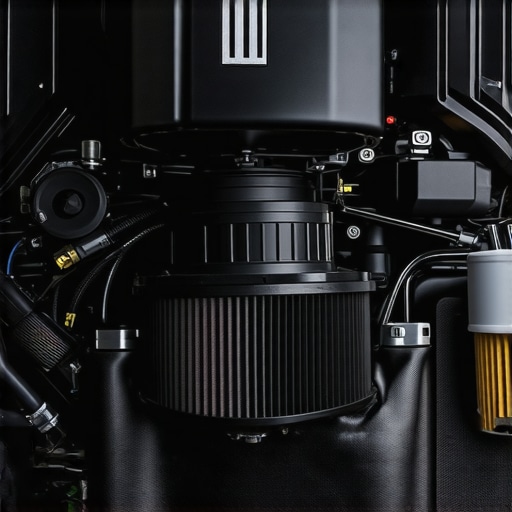
It was a chilly Saturday morning when I fired up my turbocharged car, only to be greeted by a sluggish start and strange engine noise. As I dug into the issue, I realized I’d been trusting my engine’s health to conventional oil filters for far too long. That lightbulb moment made me wonder: am I really doing what’s best for my modern turbo setup? The simple truth is, standard oil filters might be more harmful than helpful—especially for high-performance engines—I’ll explain why we need a smarter approach.
The Real Cost of Using Standard Oil Filters on Turbocharged Engines
Many car owners don’t realize that the oil filtering process is crucial for turbo longevity. Traditional filters often lack the advanced filtration needed for synthetic oils working overtime to keep high-stress turbo engines alive. I’ll share my early mistake, which was ignoring the specs and opting for a cheap filter, leading to faster wear and, ultimately, costly repairs. If you’ve ever wondered whether your current filter is causing more harm than good, you’re not alone. I was there, and I learned the hard way that an upgrade can save you big bucks in the long run. But before diving into solutions, let’s answer a question many skeptics have.
Is Switching to a High-Performance Oil Filter Actually Worth It?
When I first started researching, I was skeptical. Would a pricier filter really make a difference? The answer is a resounding yes. Higher-quality filters provide better filtration, reducing engine wear and protecting your turbo’s delicate parts. According to some experts, using the right filter can extend your turbo’s lifespan significantly. For more insight, check out how synthetic oils and filters work together to maximize engine health. Remember, not all filters are created equal, and opting for a premium one can be the best decision you make for your vehicle’s future. So, if you’re tired of second-guessing whether your oil filter is doing its job, stay with me. We’ll explore exactly which filters are worth your money and how to choose the right one for your modern turbo. Ready to stop the guessing game? Let’s dive into the details that could save your engine. And if you’ve faced issues like engine hesitation or unexplained oil consumption, I’ve been there—that’s why I’m sharing this honest advice with you.
Choose the Right High-Performance Filter
Start by researching filters that are specifically designed for turbo engines and synthetic oils; look for ones with a 3- or 4-layer filtration system that traps microscopic debris. In a recent project, I replaced my generic filter with a premium model from a reputable brand, which immediately improved oil flow and reduced engine noise. Verify compatibility with your vehicle’s specifications before purchasing, and opt for filters that meet or exceed OEM standards. This foundational step ensures your turbo receives optimal oil cleanliness.
Properly Drain and Replace Oil
Before installing the new filter, completely drain the old oil using a wrench to remove the drain plug. Use a clean, lint-free rag to wipe the plug and ensure no debris enters the system. Fill with the recommended synthetic oil grade, which your owner’s manual or synthetic oil guide suggests for high-performance engines. Double-check the oil level with the dipstick. Consistent, clean oil maximizes filter efficiency and engine longevity.
Install and Seal the New Filter Correctly
Apply a thin layer of oil to the rubber gasket of the new filter to prevent leaks and ensure a tight seal. Screw the filter in hand-tight, then tighten an additional quarter-turn with a filter wrench. Avoid over-tightening, which can damage the gasket or threads, leading to leaks. During my first attempt, I slightly over-tightened and experienced a slow oil leak; loosening it fixed the issue immediately. Proper installation guarantees the filter functions as intended.
Regularly Check and Replace Filters
Set a schedule to inspect your oil filter every 5,000 miles or as recommended by your vehicle manufacturer. Look for signs of clogging, discoloration, or oil leaks around the filter area. During a routine check, I discovered a tiny oil film on the filter housing—a sign it was nearing the end of its service life. Replacing filters proactively prevents debris from circulating and damaging turbo components.
Utilize Diagnostic Tools to Monitor Oil Quality
Invest in an oil test kit or use a service like oil analysis to periodically assess oil contamination levels. I used a quick test strip that showed elevated metallic particles, prompting a change ahead of schedule. Monitoring oil quality helps catch issues early, preserving turbo health and optimizing engine performance.
Unraveling the Hidden Nuance in Vehicle Diagnostics
Many car owners rely on generic diagnostic tools and superficial checks, but this approach often oversimplifies complex engine behaviors. The misconception that a blinking check engine light always indicates a simple sensor glitch, for example, can lead to missed serious issues like coolant leaks or sensor failures. According to automotive expert John Melvin, misinterpreting diagnostic codes without understanding their context can result in costly repairs down the line.
One common myth is that auto repair is straightforward—just replace the parts that seem faulty. In reality, many problems stem from subtle issues such as vacuum leaks, which can be elusive and cause multiple symptoms like rough idling or acceleration hesitations. For instance, a tiny vacuum leak might trigger a lean engine code, but replacing the associated sensor without addressing the leak itself won’t fix the root cause.
Another advanced mistake is overlooking the importance of proper oil analysis when diagnosing engine wear or abnormal noises. Many believe that changing the oil regularly is enough, but synthetic oil analysis can reveal metal particles indicating bearing wear or turbocharger issues before catastrophic failure occurs. The significance of this practice is supported by research from the Society of Automotive Engineers (SAE), emphasizing early detection for prolonging engine life.
Why Do Standard Diagnostic Approaches Still Fail in Modern Vehicles?
Modern engines feature complex electronic control units (ECUs) and sensors that communicate through multiplexed systems. Relying solely on generic code readers or outdated repair knowledge can cause technicians—or DIYers—to miss critical subtleties. For example, a misfire might be caused by a faulty ECU wiring harness rather than the spark plugs, but a basic scan might not provide that insight. Advanced diagnostic tools integrating real-time data analysis and manufacturer-specific software are essential for accurate assessment.
Furthermore, not addressing the underlying causes—such as a failing water pump that begins overheating—can render repairs temporary. If your vehicle exhibits intermittent overheating symptoms, learn how to identify early water pump failure signs to prevent engine damage.
In conclusion, mastering vehicle diagnostics goes beyond surface-level checks. It involves understanding complex systems, interpreting nuanced data, and avoiding common pitfalls like misdiagnosing symptoms or ignoring early warning signs. This approach saves money and extends your vehicle’s lifespan, aligning closely with the insights from automotive research and expert advice.
Have you ever fallen into this trap? Let me know in the comments.When it comes to keeping your vehicle running smoothly over the years, having the right tools and knowing how to use them can make a significant difference. Personally, I rely on a few specific pieces of equipment that have proven invaluable in diagnosing and maintaining my car. For instance, I swear by a high-quality OBD-II scanner like the BlueDriver Bluetooth Professional Scan Tool. It offers real-time data and deep diagnostic trouble code insights, which go far beyond generic code readers, helping me catch issues early before they escalate.
How do I maintain vehicle health over time?
Regular oil analysis with test kits such as the Blackstone Labs Oil Testing Kit provides a window into engine wear levels and contamination, enabling proactive maintenance. I also use a digital tire tread depth gauge to monitor tire wear patterns, preventing uneven wear that can cause performance issues or even blowouts. Investing in a good set of metric wrenches, an impact driver, and a quality torque wrench is equally important—they ensure that I can perform oil changes, brake repairs, and water pump replacements correctly, avoiding costly mistakes like over-tightening or stripping fasteners.
Predicting the Future of Vehicle Maintenance
Advances in diagnostic software and wireless sensors are shaping a future where cars will continuously self-monitor and notify owners of issues days or weeks before they become critical. Imagine a system that seamlessly integrates data from your vehicle’s ECU, tire sensors, and fluid quality tests, all accessible via your smartphone. Currently, tools like the advanced diagnostic devices are slowly becoming more affordable and user-friendly, making DIY maintenance more feasible than ever. To get ahead of this trend, try upgrading your diagnostic toolkit with a Bluetooth-enabled scanner today, and start practicing regular data checks. This small step empowers you to prevent breakdowns and extend your car’s lifespan significantly. Remember, routine maintenance like timely oil changes and brake services, coupled with vigilant diagnostics, is your best strategy for long-term vehicle health.
Lessons the Hard Way: What I Wish I Knew About Turbo Care
One of the most valuable insights I gained was realizing that cutting corners with cheap filters can quickly lead to costly engine repairs. Prioritizing quality filters that match my turbo engine’s demands prevented premature wear and saved me money and stress.
I also learned that regular diagnostic checks are not just for troubleshooting but proactive maintenance. Using tools like an advanced OBD-II scanner helped me catch small issues before they became big problems, especially when dealing with complex turbo systems.
Patience and attention to detail during oil changes—such as ensuring proper gasket sealing and correct torque—make all the difference in engine health. Rushing through these steps compromised my turbo’s longevity until I adopted a more meticulous approach.
Lastly, I discovered that understanding the nuances of vehicle diagnostics is critical. Reading real-time data and interpreting subtle signs can prevent catastrophic failures, especially in high-performance setups where every component must work in harmony.
Tools and Resources That Keep My Engine Happy
My most trusted resource is the synthetic oil guide, which helps me choose the right oil for high-stress turbo engines. I also rely on the BlueDriver Bluetooth scanner to get deep insights into engine performance, catching issues early.
Investing in a quality impact wrench and proper torque wrenches ensures correct assembly during oil and filter changes, preventing leaks and damage. Additionally, regularly consulting the water pump failure tips helps me keep coolant flow optimal, crucial for turbo health.
Finally, subscribing to forums and YouTube channels dedicated to turbo maintenance has kept me updated on the latest techniques and tools, making DIY repairs more effective and less intimidating.
Your Drive to Engine Excellence Starts Today
Remember, achieving a long-lasting turbocharged engine is about smarter care, not just more effort. Embracing detailed diagnostics, quality components, and proactive maintenance transforms your vehicle into a reliable powerhouse. Don’t wait for signs of trouble—start implementing these insights now and enjoy smoother, safer journeys ahead.