

Imagine this: you finally get new tires for your car, excited about the fresh grip and smooth ride. But then, shock of shocks—after just a few thousand miles, they’re already showing signs of uneven wear, more than what you’d expect even from older tires. I’ve been there, and let me tell you, it’s frustrating. One minute, you’re celebrating a fresh set of rubber; the next, you’re back at the shop, scratching your head over why they’re wearing out so quickly. That lightbulb moment of realizing I had installed them incorrectly or ignored a vital maintenance step changed everything for me.
The Why Behind Rapid Tire Wear—It’s Not Just the Tires
So, why does this happen? Well, the truth is, your tires are often a mirror reflecting other problems lurking in your vehicle. It’s like a red flag that says, “Hey, check me!” Before blaming the tire brand or the road surface, I want to share what I’ve learned from personal experience and a bit of research. The main culprits usually aren’t the tires themselves but related maintenance issues, alignment problems, or driving habits. Addressing these can dramatically extend your tires’ lifespan and save you money in the long run. Curious if your recent tire wear pattern is normal or a warning? Keep reading—I’ll guide you through how to spot the signs and fix the root issues.
Is Your Tire Wear Actually Worth the Hype?
Early on, I made the mistake of thinking that more expensive tires were a guaranteed lifetime seller. Spoiler: they’re not. It took some time and a few missteps, like over-tightening the drain plug before cracking the oil pan, to realize that maintenance habits matter just as much as the type of tire you buy. The same goes for tires—proper installation, alignment, and regular checks are game changers. If you’ve ever dismissed uneven wear as just bad luck, trust me, you’re not alone. But recognizing the early signs can prevent costly replacements and keep you safely on the road longer.
Now that you’re with me so far, let’s dive into the common mistakes that lead to quick tire wear and what you can do about them. From proper tire rotation to ensuring correct alignment, I’ll share proven tips that I’ve tested myself. And if you’ve faced this issue, don’t worry—there’s hope. Are you ready to give your tires the care they deserve? Let’s get started!
Check and Maintain Proper Tire Pressure
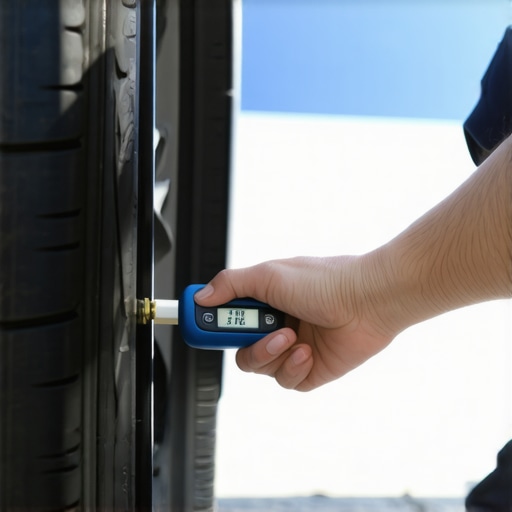
My first hands-on step was actually checking my tire pressure with a reliable gauge. I found that some tires were underinflated by a few pounds, which can cause uneven wear. Use your car’s recommended PSI listed in the owner’s manual or on the door placard. Always check when tires are cold to get an accurate reading. Use an air compressor or visit a gas station with a free air pump to top up to the correct pressure. This simple step significantly improved tire longevity and fuel efficiency.
Rotate Tires Regularly to Promote Even Wear
During one of my routine maintenance days, I decided to follow the 5,000 to 7,000-mile rotation schedule. I marked my tires with chalk to double-check adjustments. To rotate properly, move front tires to the back and vice versa, crossing sides if necessary—check your vehicle’s manual. Consistent rotation helps prevent one set from wearing out faster than others, especially on FWD or AWD vehicles. I noticed a marked difference after a few rotations, with tires wearing evenly and lasting longer.
Ensure Proper Wheel Alignment for Straight Driving
Experiencing a slight pull to one side prompted me to get a professional alignment. I scheduled an appointment and observed the technician perform a four-wheel alignment, adjusting caster, camber, and toe angles. Think of alignment like setting the correct angles on a camera lens; when angles are off, everything looks skewed, and tires wear unevenly. After alignment, my steering felt more responsive, and tires showed even tread wear after subsequent checkups.
Inspect and Replace Worn Suspension and Steering Components
I noticed some clunking noises over bumps, which led me to inspect my suspension. Worn ball joints or struts can cause irregular tire contact with the road, leading to rapid wear. I used a jack and safety stands to check for excessive play. Replacing worn components before they cause more damage saved me from uneven tire destruction and handling issues. Regular inspections, especially after hitting potholes, are crucial.
Practice Proper Driving Habits to Minimize Wear
One of my biggest lessons was adopting smoother acceleration and braking. Hard cornering or sudden stops generate lateral stress on tires, causing uneven tread patterns. I remembered the time I was running late and rushed through a turn; the resulting uneven wear on that tire was a clear sign I was pushing my luck. Be conscious of your driving style—gentle turns, gradual stops, and avoiding potholes extend tire life significantly.
Monitor for Uneven Wear Patterns and Act Quickly
Finally, I made it a habit to visually inspect my tires monthly, noting any unusual wear patterns like cupping or feathering. Recognizing early signs, such as a scalloped edge, allows me to catch issues like imbalance or suspension problems before they cause serious tire damage. If you spot uneven wear, consult a professional to diagnose the root cause—ignoring it only worsens the problem and shortens your tires’ lifespan.
Many car owners believe that paying for premium brake pads or using high-octane fuel automatically guarantees optimal performance, but the reality is more nuanced. In my experience, there’s a widespread misconception that higher prices always equate to better quality, especially concerning installation practices. For instance, over-tightening brake caliper bolts can cause warped rotors and uneven wear, leading to costly repairs down the line. This mistake, surprisingly common, underscores the importance of proper torque specifications over simply opting for premium components. It’s a trap I’ve seen many fall into, and avoiding it can extend the lifespan of your brakes exponentially.
Another misunderstood aspect involves vehicle diagnostics. Many enthusiasts think that merely reading engine codes is enough—yet, this approach can overlook underlying issues. In reality, advanced diagnostics combine code reading with live data analysis and component testing. A perfect example is the master cylinder check technique. Some mechanics might suggest replacing parts based solely on codes, but a deep dive into real-time data can reveal the true culprit, saving you time and money. This emphasizes that diagnostics should be a thorough process, not a quick fix based on the symptom alone.
Why Do So Many Auto Repair Myths Persist?
One reason is the proliferation of DIY guides that oversimplify complex issues, leading to misconceptions. For example, many think that changing the oil is just about topping up, but in reality, choosing the right grade and performing regular oil analyses extend engine life. Regular oil filters, high-quality oil, and proper fluid levels are critical—yet, some users believe that every oil change is the same, which isn’t true. As with fuel choices, understanding what is best for your vehicle’s specific needs can prevent premature wear or damage.
Moreover, many overlook that preventive maintenance often involves nuanced observations—like listening to subtle sounds or noticing slight changes in handling. For example, the silent wheel bearing failures can be mistaken for tire issues if you’re not attentive to sound and vibration patterns. Recognizing these nuances requires more than watching for obvious signs; it demands experience and a keen eye for detail, which professional mechanics cultivate through years of continuous learning.
Finally, beware of the trap of neglecting regular inspections—many assume that if the car runs smoothly, everything’s fine. But
Investing in the Right Tools for Longevity
Maintaining your vehicle’s health over the long term starts with equipping yourself with the right repair and diagnostic tools. I personally rely on a high-quality digital multimeter because it allows me to quickly identify electrical issues like faulty sensors or weak alternators without the guesswork. For example, when diagnosing why your engine makes a high-pitched whistle only during acceleration, a reliable multimeter helps verify voltage stability across sensors.
Similarly, a good-quality torque wrench is indispensable. I always set my torque wrench to the manufacturer’s specifications—always double-checking with resources like this guide—to prevent over-tightening bolts, which can warp components like brake calipers or damage the oil pan. Precise torque application not only preserves your parts but also ensures safety and optimal performance.
Embracing Software for Better Diagnostics
Modern vehicles rely heavily on electronic systems, making diagnostic software a must-have. I use OEM-grade OBD2 scan tools with extensive live data capabilities, which have been game-changers in identifying subtle issues. For instance, analyzing live data can reveal a tiny vacuum leak that causes your engine to lunge forward when shifting into drive, even if there are no warning lights on. Investing in professional-grade software saves you time and money by pinpointing problems early.
As the automotive industry advances, next-generation tools are focusing on predictive analytics, which can forecast potential failures before they happen. Expect to see these integrated into consumer diagnostics in the future, helping DIY enthusiasts and professionals alike stay ahead of wear and tear.
How do I maintain my diagnostic tools over time?
To keep your tools functioning effectively, store them in a clean, dry environment and regularly calibrate digital devices—an essential step to ensure accuracy, especially for sensitive measurements like voltage or fluid pressure. Additionally, update your diagnostic software periodically to access the latest features and vehicle support, as automakers continually improve their systems.
Long-Term Results Come from Consistent Upkeep
Regular maintenance isn’t just about making fixes—it’s a strategic investment. Changing your oil on schedule, using the correct oil grade, and performing quick checks on suspension and steering components prevent small issues from escalating. For example, early signs of wheel bearing failure, like a subtle humming or vibration, can be caught with monthly visual inspections and addressed before catastrophic failure occurs. Staying proactive ensures your vehicle remains reliable and maintains resale value over time.
Scaling Your Auto Care Routine
As your skills and collection of tools grow, so does your ability to handle more complex tasks. Upgrading from basic hand tools to hydraulic lifts or computerized diagnostics expands what you can accomplish, reducing dependency on professional mechanics for minor repairs. This progression not only saves you money but also deepens your understanding of your vehicle’s intricacies.
Thinking ahead, trends are pointing toward smarter, connected tools—a move toward integrating IoT devices into our garages. These advancements can provide real-time alerts for parts wear or fluid levels, making maintenance an even more seamless part of your routine.
Where do I start improving my auto maintenance approach today?
Begin by testing one of the tips shared here—perhaps investing in a quality torque wrench and reviewing manufacturer specifications. Small, consistent steps can greatly improve your vehicle’s performance and lifespan. Remember, the more knowledge and tools you gather now, the easier it becomes to keep your car running smoothly for miles to come.
The Hardest Lesson I Learned About Brake Service and Vehicle Diagnostics
One of my most eye-opening experiences was realizing that skipping routine inspections could turn a minor issue into a costly repair. I once ignored a subtle squeal during braking, assuming it was just break-in noise, only to find warped rotors months later. That moment taught me that consistent monitoring is key—don’t wait for strange sounds to take action.
Essential Tools That Transformed My Auto Care Routine
Investing in a quality torque wrench and a reliable digital multimeter changed how I approached repairs. These tools gave me confidence, accuracy, and saved me money by preventing over-tightening or misdiagnosis. I trust brands recommended in guides like this resource.
Embracing a Long-Term Mindset for Car Health
Consistency in oil changes, tire rotations, and early diagnostics builds a safer, more reliable vehicle. Small habits—like monthly visual checks—can spot issues before they escalate, preserving performance and resale value. Remember, a well-maintained car isn’t just about avoiding breakdowns; it’s about enjoying peace of mind on every trip.