
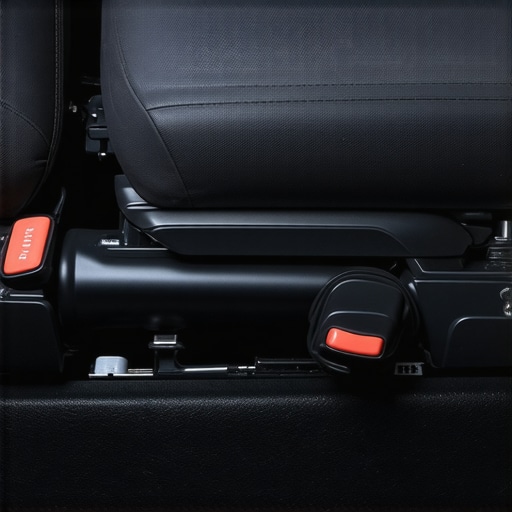
Ever been jolted awake by an odd clicking sound coming from your car while you’re just parked or cruising on the highway? I remember one morning, sitting patiently in my driveway, when a surprisingly distinct click beneath my seat made me jump. At first, I brushed it off as a minor nuisance—until it persisted, unrelenting. That moment of annoyance turned into a full-blown mystery I was determined to solve.
Why That Little Click Could Be a Big Deal
That clicking noise, easy to dismiss, might actually be a warning sign of an underlying issue lurking in your vehicle. It’s tempting to think, “It’s probably just a loose coin or a plastic clip,” but ignoring it could lead to more costly repairs down the road. Understanding what’s causing that noise helps you decide whether a quick fix is enough or if it’s time for professional diagnostics. From experience, the moment I realized it wasn’t just a harmless sound was when the clicking increased in frequency and turned into a faint grinding.
Is Your Click a Sign of Something Serious?
I’ll admit, in my early days of car care, I made the mistake of assuming benign sounds were nothing to worry about. That was a costly lesson, as neglect often results in more extensive damage. Nowadays, I always approach unusual noises with caution, especially those that seem to originate from beneath the seat or near the floorboard. If you’ve ever dismissed a strange clicking as “probably nothing,” consider this: experts suggest that odd vehicle sounds can prevent breakdowns if diagnosed early, which is why regular vehicle diagnostics are invaluable.
But what exactly causes that elusive clicking? That’s what we’ll unravel today. Stay with me, because once you understand the root of the problem, you can take action—saving yourself time, money, and a fair share of stress. Ready to get to the bottom of that mysterious sound? Let’s dive in.
Start With a Visual Inspection
Before jumping into complex diagnostics, perform a thorough visual check under your vehicle and around the area where the clicking originates. Look for loose parts, damaged shields, or debris that might be causing the noise. Use a flashlight to illuminate hard-to-see spots and gently wiggle suspect components. I once found a loose plastic clip near the floorboard that was causing a repetitive click. Tightening or replacing such simple parts can eliminate the noise and save you from unnecessary repairs.
Listen and Isolate the Sound
Use a mechanic’s stethoscope or a length of rubber hose to better locate the source of the click. Place one end on different components—like the brake calipers, suspension parts, or interior panels—and listen for increased noise. An analogy: it’s like using your phone’s eavesdrop feature to tune into one voice in a crowded room. I recall mapping the sound to the driver’s side rear wheel by carefully placing the hose and narrowing down the culprit to a worn-out brake pad.
Check the Brake System Carefully
Since brake components are common culprits for clicking noises during urban driving or parking, inspect the brake pads, calipers, and rotors. Look for uneven wear, corrosion, or debris lodged between the pad and rotor. Removing the wheel exposes these parts; I recommend using a jack and proper safety precautions. If you spot uneven pad thickness or rust buildup, scheduled brake service can resolve the issue. Remember, brake-related sounds can also hint at deeper problems like caliper sticking, which might need more in-depth diagnostics.
Use a Diagnostic Scanner for Error Codes
Connect an OBD-II scanner to your vehicle’s port to check for stored trouble codes. Even if your check engine light isn’t on, codes related to wheel speed sensors or ABS modules might be present. For example, a failing wheel speed sensor can produce clicking sounds when the vehicle attempts to stabilize during turns. I once borrowed a scanner for a weekend and discovered a subtle ABS sensor fault, which a quick repair fixed permanently.
Assess Suspension and CV Joints
Suspension components and CV (constant velocity) joints are often responsible for clicking during turns or bumps. Visually inspect for torn CV boots or excessive play in joints. Grab the wheel at the 12 and 6 o’clock positions and try to wiggle it; any noticeable movement indicates worn joints needing immediate attention. To illustrate, I had a car with a failed CV joint; replacing it restored smooth and silent turns, saving me from further damage.
Conduct a Road Test and Record Behavior
After initial inspections, take the vehicle for a controlled drive. Pay attention to when the click occurs: during acceleration, deceleration, turns, or when hitting bumps. Use a smartphone to record sound if necessary, so you can review or share with a mechanic. This step often reveals patterns that pinpoint the problem, similar to how I diagnosed a faulty wheel bearing when the click intensified during high-speed turns. For more on diagnosing issues before visiting a mechanic, see vehicle diagnostics.
While many car owners approach vehicle diagnostics and maintenance with a basic understanding, there’s a layer of nuance that often goes unnoticed—leading to costly mistakes down the line. For example, a common myth is that sticking solely to the recommended oil change interval guarantees engine health. In reality, advanced OEM data and recent studies suggest that depending solely on mileage may overlook factors like driving style and environmental conditions. To truly safeguard your engine, consider the latest innovations in oil analysis, which can pinpoint wear before visible symptoms appear, as explained in this in-depth guide. Moreover, many assume that all brake services are interchangeable, but understanding the specific needs of your braking system, like rotor material and pad composition, can significantly improve safety and longevity. Beware of the trap of oversimplification—skipping detailed diagnostics might save time initially but leads to bigger problems later. Advanced diagnostics can uncover subtle issues such as early caliper sticking or ABS sensor faults that routine checks might miss. Interested in how to leverage diagnostic tools effectively? Check out this resource for expert insights. When it comes to major repairs, many overlook the importance of understanding the specific component interactions, like how a failing water pump can subtly affect heater performance due to coolant circulation issues. Taking a holistic view often reveals complexities that simple part replacements won’t address. Have you ever fallen into this trap? Let me know in the comments, and remember—knowledge is your best tool to save money and prolong your vehicle’s lifespan.
Keep It Running: Implementing Reliable Tools and Techniques
Maintaining your vehicle’s health over time requires more than just basic knowledge; it demands the right tools and consistent practices. I personally rely on advanced diagnostic equipment like the BlueDriver Bluetooth Professional Scanner, which connects seamlessly to my smartphone and provides comprehensive error codes directly related to my car’s systems. Unlike generic OBD-II scanners, this device offers detailed insights into sensor data, helping me identify subtle issues before they escalate. Additionally, I use software such as Decoding Vehicle Diagnostics, which helps interpret complex codes and offers actionable repair suggestions. These tools empower me to perform preventative diagnostics, reducing downtime and costly repairs, especially for components like the water pump or alternator.
In the realm of oil changes, I adopt innovative oil analysis methods that reveal wear particles and lubricant breakdown, enabling me to tailor oil change intervals precisely. This approach not only extends engine longevity but also optimizes vehicle performance. For brake service, I recommend using a
digital brake caliper gauge to measure pad wear accurately, avoiding premature replacements that waste money. Regularly inspecting suspension components with a high-resolution inspection mirror saves me from surprises during long drives or road trips.
How do I maintain long-term diagnostics and repair effectiveness?
Consistency is key. I schedule biannual diagnostic checks using a combination of scan tools and visual inspections to catch issues like worn CV joints or failing wheel bearings early. This proactive approach aligns with industry recommendations found in Vehicle Diagnostics Explained. Going forward, trends suggest AI-powered diagnostic systems will become more prevalent, enabling even more precise and predictive maintenance schedules. Embracing these advancements means investing in tools that learn and adapt to your vehicle’s unique behavior over time.
Personally, I recommend trying the external transmission cooler trick for long-term transmission health, especially if you frequently tow or drive in severe conditions. Installing a cooler can significantly reduce heat buildup, extending the life of transmission components. Remember, the key to long-term success in auto repair is combining technology, vigilant maintenance, and a proactive mindset. By doing so, you not only keep your vehicle reliable but also enjoy safer, smoother rides—saving money and stress over the years.
The Wisdom Only Long-Time Car Owners Realize
Over the years, I’ve learned that many seemingly minor issues, like a persistent clicking or uneven tire wear, often hide deeper problems that can escalate without proper attention. The biggest lesson was understanding that neglecting these signs can turn manageable repairs into costly disasters. Remember, your vehicle is a complex system; every strange noise or behavior is a message worth listening to. Trust your instincts, and don’t dismiss those small indicators—early diagnosis is your best defense.
Tools and Resources That Keep Me Ahead of Trouble
Having the right diagnostic tools makes all the difference. I rely on the BlueDriver Bluetooth Scanner because it reveals issues before they turn serious. For interpreting complex codes, I turn to Decoding Vehicle Diagnostics, which demystifies what your car models are really trying to tell you. Additionally, I stay updated with the top auto repair tips to optimize every service I schedule, saving time and money.
Your Drive Toward Confident Car Care
The future of vehicle diagnostics is exciting, with AI-powered systems promising even smarter maintenance. But remember, the foundation of good auto care lies in proactive checks and understanding your vehicle’s subtle signals. Take what you’ve learned and start applying it—your car’s health depends on your vigilance. With consistent care and the right tools, you can enjoy safer, smoother rides for many miles to come. What’s the first small step you’ll take to become more confident in vehicle diagnostics? Let me know below and share your journey.