
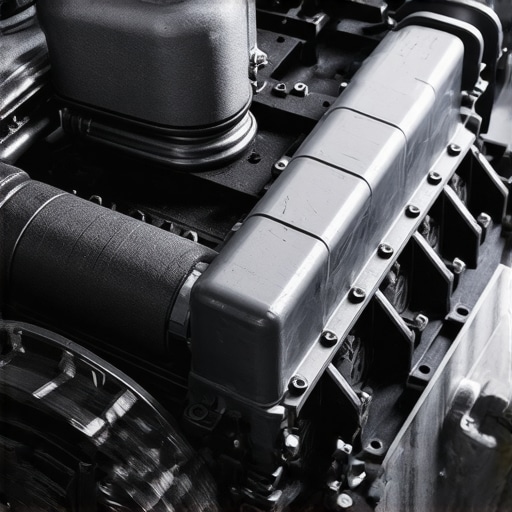
Ever been cruising down the highway when suddenly, a high-pitched whistle pierces through your engine bay? It catches you off guard, making your heartbeat mimic its relentless pitch. At first, I brushed it off as just another
Assess the Noise Pattern
First, note when the whine occurs. Is it present during acceleration, turning, or at idle? For example, I once drove my car and noticed a high-pitched whine whenever I turned the steering wheel to the right. Recognizing this pattern helps narrow down potential causes like a failing power steering pump or belt. Keep a mental or physical note of these details for future diagnosis.
Inspect the Belts for Wear or Slippage
Begin by opening the hood and examining the serpentine belt. Look for cracks, fraying, or glazing—these signs indicate the belt is slipping or slipping on pulleys, causing that whistling sound. In my case, swapping out a worn belt with a new one immediately silenced the noise, saving me from more costly repairs down the road. For detailed belt inspection techniques, consult this auto repair quick tip.
Check the Power Steering System
If the whine occurs during steering, it could be a power steering issue. Start by inspecting the power steering fluid level—low fluid can cause a whining noise. To do this safely, remove the cap with the engine off and check the fluid’s color and level. If low, top it off with manufacturer-recommended fluid. If the noise persists after topping off, consider inspecting the power steering pump for leaks or wear. A weak pump might be on its way out, which warrants further diagnostics.
Listen for Vacuum Leaks
Vacuum leaks can produce a high-pitched whine, especially if the leak occurs near the intake manifold or vacuum hoses. To detect leaks, gently spray a soapy water solution around hoses and manifold connections—the whistle may intensify at the leak point. I used a small mirror to inspect hard-to-reach areas, which revealed a cracked vacuum hose that I replaced. This simple step prevented further engine performance issues and improved fuel efficiency.
Monitor Alternator and Belt Tension
The alternator pulley and belt tension are also common causes. Use a wrench to check the tension of the serpentine belt—if it’s loose, it slips and causes noise. When I experienced a persistent whine, tightening the belt replaced the noise and restored proper electrical charging, illustrating the importance of regular belt maintenance. If tightening doesn’t help, consider testing the alternator output, which can be done with a multimeter or by a professional.
Consult a Professional if Necessary
When in doubt, it’s wise to seek expert assistance. Sometimes the cause is internal or complex, such as a failing bearing within the tensioner or alternator. A qualified mechanic can perform comprehensive diagnostics to pinpoint the issue quickly, saving you time and potential damage.
Many car owners believe that sticking to the manufacturer’s recommended oil change intervals is enough to keep their engines in top shape, but in reality, this approach often misses critical nuances. For instance, everyone seems to assume that changing oil regularly prevents engine wear, but recent studies suggest that the *type* of oil and timely filter replacement play a more significant role—see this innovative oil change techniques. Similarly, there’s a common myth that brake pads must be replaced solely based on thickness, yet many drivers fail to realize that rotor condition and brake fluid quality are equally crucial for safe stopping; learn more about these brake service myths.
Why do some vehicles require more frequent diagnostics even if they’re well-maintained?
Advanced vehicle diagnostics can reveal underlying issues invisible to basic inspections. According to experts, regular diagnostics help detect early signs of problems like sensor degradation or minor leaks that can escalate into costly repairs if overlooked. A comprehensive diagnostic routine tailored to your driving habits can extend your car’s lifespan significantly, as detailed in this auto repair strategy guide. Oops! Many drivers neglect these subtle clues, which sneaks up as unexpected repairs later. Similarly, avoiding the misconception that all sensors are foolproof could save you from unnecessary replacements. Don’t fall into the trap of ignoring small irregularities; instead, practice regular advanced diagnostics to stay ahead of potential breakdowns. Are you aware of how overlooked details might be silently damaging your vehicle? Share your experiences below—understanding these nuances can make all the difference in keeping your ride smooth and safe.
Investing in the Right Equipment
Maintaining your vehicle over time requires specific tools and technology that ensure precision and efficiency. Personally, I rely heavily on a high-quality digital multimeter for diagnostics, especially when checking alternator output or testing sensors. Unlike traditional analog meters, my digital multimeter offers quick readings, auto-ranging features, and Bluetooth connectivity, allowing me to log data and identify issues precisely. For brake service, I use a torque wrench calibrated regularly—trust me, the difference between a snugly fitted rotor and a warped one often comes down to proper tightening. Accurate torque application prevents unnecessary wear and guarantees safety, aligning with expert recommendations from this comprehensive brake maintenance guide.
Using Diagnostic Software That Delivers Results
Vehicle diagnostics have evolved beyond simple code readers. I prefer professional-grade software like OEM-specific diagnostic scan tools, which can access live data streams and clear trouble codes with detailed descriptions. For example, my current tool supports live sensor data, fuel trims, and actuator testing, helping me catch subtle issues before they escalate. This approach aligns with the future of auto repair, where advanced diagnostics are becoming standard practice for proactive maintenance. Investing in reliable software not only saves time but also reduces long-term repair costs and extends your vehicle’s lifespan.
Implementing Regular Preventive Checks
Prevention is better than cure. I recommend establishing a routine using inspection mirrors, flashlight tools, and even ultrasonic leak detectors for minor issues like vacuum leaks or fluid seepage. Incorporating these checks into your monthly maintenance routine can reveal problems early, significantly reducing repair expenses. As vehicles become more complex with electronic components, having the right diagnostic tools—paired with a fundamental understanding of how they work—empowers you to maintain optimal performance.
How do I maintain vehicle diagnostics over time?
Continual updates to your diagnostic software, regular calibration of testing tools, and staying informed through online resources ensure your diagnostics remain effective. Additionally, subscribing to updates from your scan tool manufacturer ensures compatibility with the latest vehicle models, as discussed in this decoding vehicle diagnostics. Remember, the key to long-term reliability is consistent, informed maintenance—don’t wait until a warning light appears to act. Try doing a comprehensive diagnostic check this month using your tools to identify potential issues early. Proper maintenance tools and practices not only safeguard your ride but also save you money over time.
The Hardest Lesson I Learned About Car Care
One of my most eye-opening experiences was realizing that trusting only standard oil changes isn’t enough—using the right type of oil combined with timely filter replacements can dramatically extend your engine’s lifespan. It took expensive repairs to teach me this lesson, but now I prioritize innovative oil change techniques, like those discussed here.
Shattering Common Brake Myths
I used to believe that brake pad thickness was the sole indicator for replacement, but I learned that rotor condition and proper fluid quality are equally vital, something I explored thoroughly in this brake myths busting guide. This realization saved me from premature replacements and ensured safer, more effective braking.
The Power of Proactive Diagnostics
Ignoring small irregularities often leads to costly breakdowns. Regular diagnostics, including sensor checks and leak detection, helped me catch issues early. I highly recommend adopting a consistent diagnostic routine—it’s a game-changer for vehicle longevity.
Investing in Quality Tools That Matter
From a high-quality multimeter to calibrated torque wrenches, the right equipment makes all the difference. Using these tools, as described here, has empowered me to perform precise repairs and maintenance, saving money and avoiding unnecessary trips to the shop.
Embracing the Future of Car Repair
The automotive world is shifting towards smarter diagnostics and preventive care. Staying informed through trusted resources and regularly updating my diagnostic software has been invaluable. My advice? Don’t wait for warning lights—proactive car care, guided by insights from advanced diagnostics, can save you both time and money in the long run.
Turning Knowledge Into Action
Your vehicle’s health depends on informed decisions and consistent maintenance. I encourage you to explore these techniques, tools, and strategies discussed above. Remember, the best auto repair is the one you prevent—so start integrating proactive diagnostics and quality care into your routine today.