
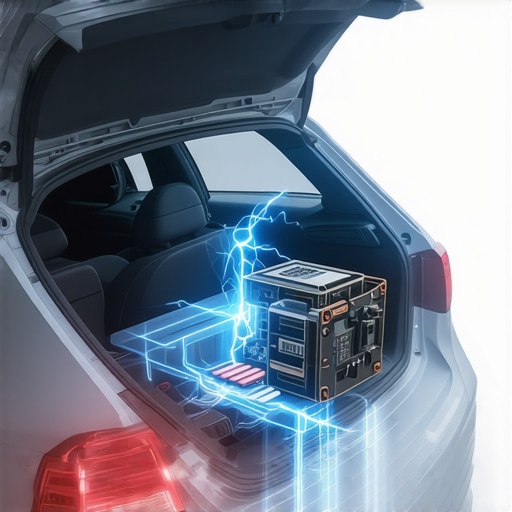
Have you ever been parked, locked up, and suddenly noticed a strange warning light or, worse, a note from a neighbor saying your trunk is open again? That sinking feeling, knowing your vehicle’s sensors are misfiring or worse, causing unnecessary wear and tear, is all too familiar for many car owners. I remember the day I first faced this issue — garagemostly quiet, but my car decided to believe the trunk was ajar, even when it was firmly shut. The dashboard’s warning light haunted me for days, and each time I opened the trunk, I feared I was causing some hidden electrical damage.
The Mystery of the Constantly Open Trunk
This annoying problem isn’t just a minor inconvenience; it can trigger a series of other issues—such as accidentally draining your battery, causing your car’s alarm system to arm unnecessarily, or even confusing your vehicle’s onboard diagnostics. You see, modern cars rely heavily on electronic sensors, including a simple fuse that can become faulty, leading the vehicle to believe the trunk is always open. Early on, I made the mistake of thinking this was just a glitch I could ignore, which only worsened the problem. Trust me, neglecting it isn’t the way to go.
Could This Fuse Be the Culprit? Yes, and Here’s Why
One of the common causes of this persistent open trunk warning is a blown fuse linked to the trunk release or open sensor circuit. Repairing or replacing this fuse can often turn things around quickly. But before you start pulling out tools and fiddling with wires, I recommend to check out some expert tips to avoid unnecessary repairs or confusing diagnostic errors. For a comprehensive guide on vehicle electrical systems, you might find this resource helpful: Top auto repair tips for vehicle longevity.
Now, I’ll walk you through what I’ve learned from personal experience about identifying the faulty fuse and fixing the issue effectively, saving you time, money, and frustration. Let’s get to the good part—solving this puzzling problem once and for all.
Locate and Identify the Fuse Box
Start by consulting your vehicle’s owner manual to find the fuse box location, which is often under the dashboard, hood, or near the glove compartment. Take out your owner’s manual or look for diagrams on the fuse cover itself. When I tackled my own trunk sensor issue, I remembered my car’s manual pointed me straight to the under-hood fuse box, saving me time. Use a flashlight if needed and ensure the engine is off and the keys are removed before proceeding.
Inspect the Fuse Related to Trunk Operation
Look for a fuse labeled as “Trunk,” “Open Sensor,” or similar. Remove the fuse carefully using fuse pullers or tweezers—these tools make the job easier and reduce the risk of damage. When I checked my fuse box, I found a blown 10A fuse with a blackened interior—evidence of a blown fuse. Examine the fuse’s wire; if it’s broken or melted, it’s a definite sign it needs replacing.
Test the Fuse
If you’re unsure whether the fuse is blown, you can perform a simple continuity test with a multimeter. Set the multimeter to the ohms setting, and place the probes on the fuse terminals. A reading of zero or a very low resistance indicates a good fuse, while no reading suggests it’s blown. During my first attempt, I used my multimeter and confirmed the fuse was faulty, preventing me from wasting time replacing the wrong component.
Replace the Faulty Fuse
Buy a fuse of the same amperage rating—never use a higher rating, as it can cause electrical damage. Insert the new fuse firmly into the slot, ensuring good contact. When I replaced my fuse, I made sure it clicked into place securely; a loose fuse may still cause problems.
Test the Fix
Turn the vehicle back on and check if the trunk warning light has turned off. Open and close your trunk several times to see if the issue persists. In my case, the warning resolved immediately after fuse replacement, restoring normal function. If the warning remains, further diagnostics may be necessary, such as inspecting the open sensor switch itself or wiring connections. Remember, electrical issues like this often involve more than just the fuse—consistent troubleshooting is key.
Further Steps if the Issue Persists
If replacing the fuse doesn’t resolve the problem, consider checking the open sensor switch located within or near the trunk lid. Sometimes, the switch is faulty or misaligned, causing false signals. Consult your vehicle’s service manual for specific sensor location and testing procedures, or seek professional help to avoid damaging delicate components. For more insights on vehicle diagnostics, this guide can help you decode what your car is trying to tell you: Decoding vehicle diagnostics.When it comes to vehicle maintenance, many car owners operate under myths or oversimplified beliefs that can lead to costly mistakes. For example, a common misconception is that replacing a pump or sensor is always the fix when a warning light appears. In reality, modern cars require a nuanced approach, combining proper diagnostics with understanding broader system interactions. Relying solely on a scan tool without interpreting the data correctly can cause you to replace parts unnecessarily, driving up expenses without fixing the root problem. Advanced diagnostic protocols, like those detailed in this guide, are essential for accurate repairs and long-term vehicle health.
Keep Your Vehicle Running Smoothly with Proper Tools and Techniques
Maintaining your vehicle’s health over time requires more than just basic knowledge; it demands reliable, precise tools and a commitment to regular upkeep. One of my personal favorites is a high-quality digital multimeter, like the Fluke 117. I rely on it because of its accuracy and durability, especially when diagnosing electrical glitches like blown fuses or sensor malfunctions. For instance, when checking fuse continuity, I prefer this multimeter over simpler testers—it provides a definitive reading and prevents guesswork.
Another invaluable tool I recommend is an OBD-II scanner, such as the BlueDriver. Unlike generic code readers, BlueDriver connects via Bluetooth and offers detailed diagnostics straight from your smartphone. I’ve used mine to pinpoint misfires, check engine codes, and even clear warning lights. Its real-time data tracking helps me understand persistent issues like oil consumption patterns or brake sensor faults, making repairs more efficient and less costly.
To maintain a vehicle’s brake system, I opt for a digital brake caliper spreader tool. This helps me perform a more precise caliper piston retraction during pad service without risking damage. paired with a brake fluid tester, I find I can assess brake fluid quality and decide whether a flush is necessary—preventing issues like spongy pedals or warped rotors.
Additionally, I emphasize the importance of a reliable lubricant and cleaner. I personally use a specialized contact cleaner for electrical contacts, which removes corrosion and ensures better connections. Regularly cleaning sensor surfaces with non-abrasive brushes also prolongs their lifespan and keeps diagnostics accurate.
Looking ahead, the trend in vehicle maintenance points toward integrating advanced diagnostics with AI-powered apps. Automated alerts for parts nearing end-of-life and predictive maintenance will soon be standard, reducing unexpected breakdowns and expensive repairs. Staying updated with these developments ensures you’re always ahead of potential issues.
How do I keep my vehicle’s diagnostic tools effective over time?
Consistency is key. Regularly update your OBD-II scanner’s firmware, store your multimeter and other hand tools in a clean, dry place, and periodically inspect them for wear. Calibration is vital for precision instruments—consider professional calibration annually or after heavy use. These practices guarantee your tools remain accurate and dependable, saving you headaches and money in the long run.
If you want to maximize your diagnostic capabilities, I recommend trying out a combined approach: use a good multimeter alongside an advanced OBD-II scanner for comprehensive insights. For example, during oil changes, I check live sensor data to confirm the engine is running optimally. Visit this guide for more tips on extending vehicle lifespan through proper diagnostics and maintenance techniques.

The Hardest Lesson I Learned About auto repair, vehicle diagnostics, brake service, oil change
One of the most revealing lessons was discovering how something as simple as a fuse can cause a cascade of confusing issues. It taught me that patience and a systematic approach to diagnosing electrical problems can save a lot of money and frustration. I also realized that trusting my tools—like a multimeter—empowers me to tackle problems confidently, rather than guessing or relying solely on professional help for every minor hiccup.
Tools I Swear By for Electrical Troubleshooting
Over time, I’ve come to rely on a few essentials: a high-quality digital multimeter, which gives a precise reading and helps me identify blown fuses or faulty wiring, and an OBD-II scanner that provides detailed insights, especially when warning lights pop up unexpectedly. These tools don’t just identify problems—they educate me about my vehicle’s inner workings and deepen my understanding, making me a better and more confident DIY mechanic.
Your Next Step Toward Confidence on the Road
Taking control of your vehicle’s electrical health isn’t just about fixing problems; it’s about building a relationship with your car that lasts. Regular diagnostics, involving simple checks like fuse inspections and sensor testing, can prevent costly repairs down the line. Remember, the more you learn about your vehicle, the less intimidating those warning lights become. Stay curious, keep your tools handy, and don’t be afraid to troubleshoot—your car will thank you for it. Are you ready to tackle your next electrical challenge? Share your experience or questions below—let’s keep the conversation going!