
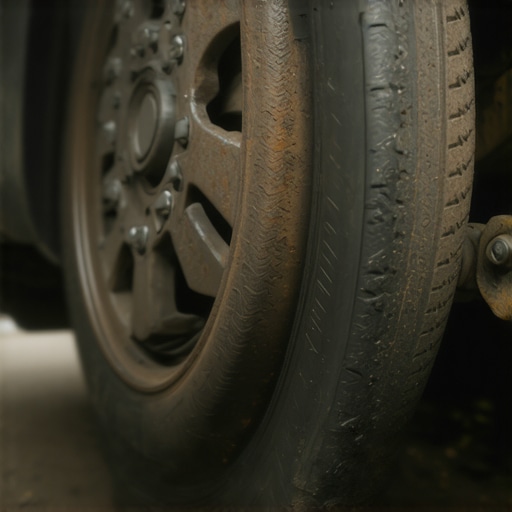
It was a chilly morning when I heard that unmistakable grinding sound coming from my car’s wheels. Instantly, my stomach sank. I had been ignoring strange noises for weeks, chalking them up to nothing more than minor squeaks, but hearing that deeper, grittier sound made my stomach tighten. That moment was a lightbulb flickering—this wasn’t just a nuisance; it was a warning sign that could lead to costly repairs or, worse, an accident.
Why Ignoring Wheel Noises Can Cost You More Than You Think
Ignoring a grinding noise when braking or turning isn’t just about comfort; it’s about your safety and your wallet. I’ve learned firsthand from past mistakes that neglecting these sounds can cause severe damage to your vehicle’s components. For example, a worn-out wheel bearing or brake pad can lead to complete wheel failure, which in turn increases the risk of accidents. And here’s a startling fact: according to the National Highway Traffic Safety Administration, mechanical failure caused over 2 million crashes annually, many due to neglected vehicle maintenance. This is why diagnosing and fixing the problem early is so crucial.
Is a grinding noise actually worth the hype?
When I first noticed the noise, I wondered if it was just a minor issue that would go away on its own. Honestly, I was nervous about the cost and hassle of repair. But the truth is, these sounds are your vehicle’s way of screaming for help. My early mistake was dismissing the noise as just a squeak, which I later realized was a dangerous oversight. Had I taken action sooner, I could’ve saved myself hundreds of dollars in repairs. If you’re questioning whether that grinding is serious, you’re not alone. Many drivers brush off these warnings, thinking they can wait. But often, it’s the small signs that prevent major breakdowns.
Throughout this post, I’ll share practical advice on how to identify these issues early, and what steps you can take to keep your wheels spinning safely. Ready to get to the heart of the problem? Let’s dive into the real risks and how you can avoid them.
Start with a Visual Inspection
Before diving into complex diagnostics, perform a thorough visual check of your brake pads, rotors, and wheel bearings. Look for uneven brake pad wear, rust, or any obvious damage. Use a flashlight and remove the wheel if necessary, following safety precautions. This step is akin to checking your teeth in a mirror before seeing the dentist—sometimes, the problem is visible right away.
Listen and Feel for the Source
To pinpoint the issue, listen carefully while gently turning the wheel by hand with the vehicle lifted. The grinding sound or resistance can indicate a worn brake pad or a failing wheel bearing. Think of it as diagnosing a squeaky door—pinpointing the squeak helps determine whether hinges, the latch, or the door frame is at fault. During my own early practice, I discovered a rough wheel bearing by feeling for roughness and hearing the grinding—saving myself from unexpected breakdowns later.
Use the Road Test Technique
Take your vehicle for a slow test drive. Pay close attention to when the noise occurs—whether during braking, turning, or at specific speeds. For example, if the noise intensifies during turns, it likely points to a bad wheel bearing. During my experience, I once noticed a grinding that only appeared when I turned left at low speeds. This immediately pointed me toward inspecting the left wheel bearing, preventing a sudden failure on the highway.
Leverage Diagnostic Tools for Accurate Assessment
Connect an onboard diagnostic (OBD-II) scanner to check for error codes related to ABS, wheel speed sensors, or other electronic systems. This is similar to using an EKG to assess your heart health—providing clear, data-backed insights. Particularly for modern vehicles, advanced diagnostics can reveal issues hidden to the naked eye, as discussed in this guide to vehicle diagnostics.
Consider Brake System Testing
Perform a brake test by applying firm, steady pressure while stationary to feel for sponginess or irregular resistance. If you notice the pedal sinking or pulsating, it indicates warped rotors or worn brake calipers. I once handled a stubborn brake squeal by replacing the worn-out pads and machining the rotors, which restored brake smoothness and eliminated the noise, proving the importance of timely action.
Apply the Correct Fix Based on Findings
Most grinding noises stem from worn brake pads, damaged rotors, or failing wheel bearings. If pads are thin (<3mm), replace them using a brake pad removal tool and brake grease for sliding parts. For warped rotors, consider resurfacing or replacing them. When wheel bearings are rough or noisy, replacing the bearing assembly is essential. Remember, neglecting these can lead to more expensive repairs or safety hazards. For detailed guidance on brake service, check out this comprehensive brake guide.
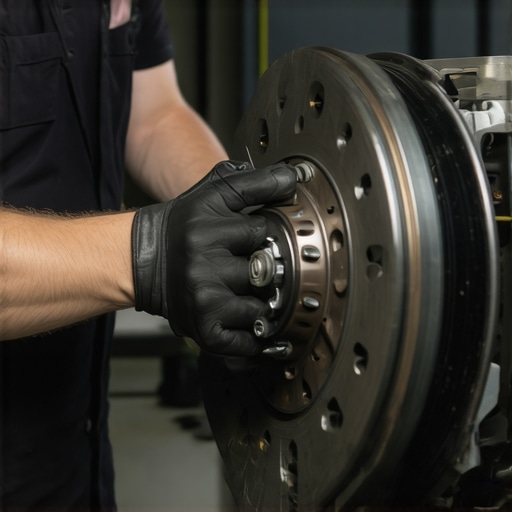
In this image, a mechanic inspects the brake rotor and pads during a routine maintenance check, emphasizing the importance of early diagnosis.
When it comes to vehicle maintenance, many drivers operate under myths that can jeopardize their safety and budget. Let’s *dig deeper* into some of the most prevalent misconceptions and reveal the nuanced truths that seasoned mechanics understand. Have you ever fallen into this trap? Let me know in the comments.
First, a widespread belief is that oil changes are merely about replacing old oil. On the surface, this seems straightforward, but in reality, modern oil change technologies have evolved, making the timing and type of oil crucial. Using the wrong oil or neglecting oil filter replacements can lead to accelerated engine wear, even if you’ve followed the traditional 3,000-mile rule.
Many assume that brake service is just about replacing pads. While replacing worn pads is essential, the real nuance lies in inspecting rotors, calipers, and brake fluid. A common mistake is overlooking brake fluid condition, which can cause spongy brakes or corrosion, undermining safety.
Advanced diagnostics often get dismissed as unnecessary for everyday vehicles. However, sophisticated diagnostic tools can reveal hidden issues like faulty sensors or electrical glitches that traditional OBD scans might miss. Missing these signs can lead to costly repairs or breakdowns, especially given that electronics now govern many safety features.
Here’s a common ‘oops’ moment: ignoring subtle symptoms or delaying diagnostic checks because of the misconception that only major problems cause warning signs. Small issues, like a slight vibration or dashboard flicker, can indicate underlying problems—such as failing wheel bearings or failing alternators—that worsen with neglect. Early detection using decoding vehicle diagnostics can save you both time and money.
For the astute driver, understanding these nuances means not just reacting but proactively maintaining their vehicle. Regular comprehensive inspections, informed by advanced diagnostics, ensure safety and extend your car’s lifespan. Don’t fall for the myth that maintenance is just about immediate fixes—think of it as a strategic investment.
Remember, avoiding these pitfalls can make your driving experience smoother and safer. Want to master your vehicle care? Review your current maintenance routine, and consider consulting detailed guides like essential auto repair strategies for passionate drivers. Doing so will keep you one step ahead of costly surprises.Maintaining your vehicle’s health over time requires more than just intuition; it demands precision tools and proven methods. From simple inspection cameras to sophisticated diagnostic scanners, having the right equipment can significantly extend your vehicle’s lifespan and improve safety. One of my personal favorites is the OBD-II diagnostic scanner, which allows me to quickly identify electronic issues, read error codes, and clear faults without visiting the mechanic. For example, I rely on the advanced vehicle diagnostics systems to preempt costly breakdowns, making preventive maintenance much more manageable. Additionally, a quality torque wrench ensures that components like wheel bearings and brake calipers are tightened to manufacturer specifications, preventing future issues caused by over- or under-tightening. I also highly recommend a magnetic wear gauge set for brake components and CV joints, which provides instant visual feedback on wear levels—saving time and guesswork during inspections. In terms of software, I use specialized maintenance tracking apps that log service dates, mileage, and parts replaced; this helps me stay consistent and avoid neglecting essential intervals like oil changes or brake fluid replacements. As vehicles continue to incorporate more electronic features, the trend in maintenance tools is moving toward integrated diagnostic platforms that combine hardware and cloud-based data analysis, promising even greater accuracy and convenience. If you’re committed to keeping your vehicle running smoothly, start by investing in a good-quality OBD-II scanner; it’s a game-changer for early detection and long-term savings. Curious about the latest diagnostic gear? Check out comprehensive reviews at our repair strategies guide to make informed choices. Regularly updating your toolkit and embracing these precise methods ensures your vehicle remains dependable and safe for years to come.
Lessons That Changed My Approach to Car Care
One of the most valuable insights I gained was understanding that not all warning signs are immediately obvious. For instance, a subtle vibration during acceleration turned out to be a failing CV joint, a problem I initially dismissed as normal wear. Recognizing these nuances early has saved me from costly repairs and safety hazards. Additionally, I learned that component lifespan is often shorter than manufacturers advertise, emphasizing the importance of regular inspections rather than relying solely on mileage intervals. Another lightbulb moment was realizing that the quality of diagnostic tools I use directly impacts the accuracy of assessments; cheap scanners can mislead you, while investing in reputable equipment provides peace of mind. Finally, I discovered that fostering a genuine relationship with a trusted mechanic can turn routine maintenance into a proactive partnership, catching issues before they escalate into emergencies.