

It was a chilly Saturday morning when I finally decided to change my car’s oil. As I reached under the hood, a strange noise caught my attention—a faint, rhythmic squeal that seemed to pulse in time with my heartbeat. I brushed it off initially, thinking it was just the usual belt squeal. But as I drove around town later that day, the sound persisted. That moment, I realized I was missing a critical warning that could have led to a costly repair if left unchecked.
Why Listening Can Save Your Car and Wallet
Many car owners overlook the subtle sounds their vehicles make, dismissing them as normal or unimportant. But trust me, your ears are one of your best diagnostic tools. Detecting a failing wheel bearing by ear isn’t just about being attentive; it’s about being proactive. When a wheel bearing starts to fail, it often whispers before it shouts—through squeals, grinding noises, or rhythmic thumping. Recognizing these sounds early can prevent expensive repairs and keep you safe on the road.
Imagine cruising along, and suddenly, you hear a persistent growl emanating from one of your wheels. It’s not loud enough to stop the traffic but loud enough to make you think. If you ignore it, that noise could escalate into a grinding roar or even a complete wheel failure—an emergency nobody wants. That’s where my own experience taught me a valuable lesson: **your ears can be your first line of defense**.
This approach is supported by automotive experts who emphasize the importance of sound diagnostics. According to [decoding vehicle diagnostics](https://repairmycarpro.com/decoding-vehicle-diagnostics-what-your-car-is-trying-to-tell-you), paying attention to noise can help identify issues before they become critical. Early detection through sound could save you hundreds, if not thousands, in repairs.
Now, I want to ask—have you ever noticed odd noises from your wheels or suspension but brushed them off? If so, you’re not alone. Many drivers miss those early warning signals simply because they don’t know what to listen for or how to interpret the sounds.
In the next sections, I’ll walk you through how to pinpoint a failing wheel bearing just by using your ears. We’ll cover common sounds, what they mean, and practical tips to test your wheels safely. Ready to become your vehicle’s ear? Let’s get started!
Detect the Sounds Your Car Makes
Start by listening carefully to your vehicle when driving, especially during turns or when braking. A common sign of failing wheel bearings is a rhythmic squeal or hum that changes with speed. I vividly remember the day I suspected my rear wheel bearing was failing: I drove down a quiet street, turned the wheel slightly, and an unmistakable growl emerged. This immediate clue prompted me to investigate further before a costly breakdown.
Use Your Hands and Feet to Pinpoint
Park your car on a level surface and engage the parking brake. Wear gloves to protect your hands. Grasp each wheel at the top and bottom, gently rocking it back and forth. If you feel any excessive play or hear a grinding sound, that wheel’s bearing might be at fault. I learned this myself when a loose bearing caused noticeable play, leading to a quick replacement that saved me from a dangerous failure.
Perform a Real-World Roll Test
With the vehicle on the ground, gently accelerate to a moderate speed and listen for noises. Then, turn the steering wheel slightly to the left or right while maintaining a steady speed. Changes in noise levels often point to problematic bearings. I did this during a routine drive; a sudden increase in noise on one side confirmed my suspicions, leading me to a professional for a precise diagnosis.
Inspect Visually for Damage or Wear
Remove the wheels and examine the hub assemblies. Look for rust, cracks, or signs of metal flaking. If the bearing shows visible damage, it’s time for replacement. Remember, a visual inspection alone isn’t enough—combine it with sound checks. I once spotted a damaged bearing race that wasn’t yet noisy but felt rough during spin tests, prompting early action.
Consult Official Diagnostics and Experts
If you’re unsure, use an automotive stethoscope or perform a vehicle diagnostic scan. For example, [decoding vehicle diagnostics](https://repairmycarpro.com/decoding-vehicle-diagnostics-what-your-car-is-trying-to-tell-you) helps interpret error codes that relate to wheel speed sensors or ABS issues, often associated with bearing problems. When in doubt, visiting a trusted mechanic is wise; avoid risking sudden failure that can lead to accidents or expensive repairs.
Maintain Regular Checks to Prevent Emergency Breakdowns
Implement routine wheel inspections and listen for unusual sounds. Proactive detection can be the difference between a minor fix and a dangerous failure. Remember, paying attention to these signals is an affordable way to maintain your safety and keep vehicle costs in check. For more auto repair strategies that save money without sacrificing quality, check out [auto repair hacks](https://repairmycarpro.com/auto-repair-hacks-save-money-without-sacrificing-quality).
|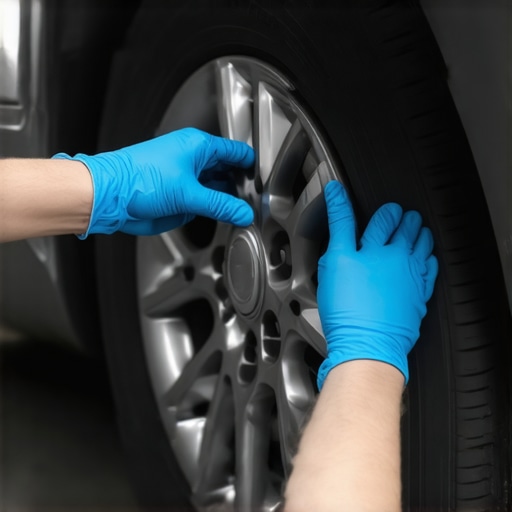 |**Prompt:** Close-up of a person testing wheel play with gloved hands during a vehicle inspection, focusing on the wheel hub area.**Alt Text:** Vehicle wheel inspection showing hands checking for bearing play.**Title:** Checking Wheel Play for Bearing Health.Many car owners believe that oil changes are just about replacing dirty oil or topping off fluids. But in my experience, the real nuance lies in understanding the advancements in oil technology and how misapplying traditional practices can actually harm your engine. Contrary to popular belief, sticking to the basic ‘change oil every 3,000 miles’ rule isn’t always optimal; modern synthetic oils often last longer and outperform conventional oils, provided your vehicle’s specifications support it. Missteps like using the wrong type of oil or neglecting oil viscosity can accelerate engine wear.
Are You Overlooking Critical Diagnostic Checks During Repairs?
Many drivers think that pointing out a problem to their mechanic is enough. However, skipping comprehensive diagnostics can lead to ongoing issues that seem minor but build into costly repairs over time. Advanced vehicle diagnostics, such as those explained in [Decoding Vehicle Diagnostics](https://repairmycarpro.com/decoding-vehicle-diagnostics-what-your-car-is-trying-to-tell-you), reveal hidden faults that are not obvious through symptoms alone. This is especially important for brake services and complex engine issues, where a simple pad replacement might mask underlying problems. Relying solely on visual inspection or basic checks can be a trap—something I learned the hard way when a seemingly minor brake noise was traced to a failing caliper slide pin. Ignoring these nuances often results in premature component failure. To avoid this, I always recommend integrating advanced diagnostics into your routine maintenance, especially if your vehicle is approaching higher mileage. This proactive approach can help prevent emergency repairs and extend your vehicle’s lifespan. Regularly updating your maintenance knowledge with trusted sources also helps, because newer technologies are constantly shifting best practices. Check out [Auto Repair Hacks](https://repairmycarpro.com/auto-repair-hacks-save-money-without-sacrificing-quality) for tips on how to implement cost-effective diagnostics and repairs in your routine. Remember, the key is not just fixing what’s broken but understanding the underlying causes—sometimes, a diagnostic scan or a detailed inspection reveals what’s truly wrong. Have you ever fallen into this trap of neglecting advanced diagnostics? Let me know in the comments.
Maintaining your vehicle over the long term requires more than just regular oil changes or fluid top-offs. Investing in the right tools and adopting precise methods can significantly extend your car’s lifespan and improve its performance. From diagnostic equipment to maintenance supplies, the right gear transforms a DIY repair into a professional-quality job.
Invest in a Quality OBD-II Scanner for Precise Diagnostics
One tool I rely on daily is a high-end OBD-II scanner. Unlike generic code readers, my preferred device provides real-time data streams, comprehensive error code explanations, and supports advanced diagnostics like live sensor readings. For example, the Decoding Vehicle Diagnostics article highlights how modern scanners can reveal hidden issues with engine performance, emissions, and safety systems. Having this tool handy means I can identify potential problems before they escalate, saving me money and stress.
Use a Digital Torque Wrench for Accurate Fastening
When working on brakes, suspension, or engine components, correct torque application is critical. I personally prefer a digital torque wrench because it provides precise, easy-to-read measurements, unlike manual analog wrenches that depend on estimation. Proper tightening prevents component failure, ensures safety, and extends the life of your parts. For maintenance tips and recommended torque values, review the Top Auto Repair Tips.
Keep a Set of Quality Instruments and Cleaning Supplies Handy
Basic hand tools like ratchets, screwdrivers, and pliers are a given, but I emphasize the value of investing in corrosion-resistant tools and a detailed cleaning kit. Keeping your work area tidy and tools in tip-top shape speeds up repairs and prevents mistakes. Additionally, using brake cleaner, degreasers, and microfiber cloths ensures parts are clean for reassembly, protecting your vehicle from dirt-induced wear.
Embrace Preventive Maintenance and Use the Right Fluids
Beyond tools, staying proactive with fluid replacements and inspections is vital. Modern oil change innovations leverage synthetic oils that last longer and protect engines better—if you choose the right type. I recommend consulting your vehicle’s manual and adhering to manufacturer specifications, rather than the traditional 3,000-mile rule, for optimal results.
Where Are Future Trends Heading?
The automotive repair landscape is shifting toward smart diagnostics and automation. Expect more vehicles to come equipped with advanced sensors that communicate with your smartphone, allowing you to monitor and troubleshoot remotely. Staying updated with these technologies and learning how to interpret complex data will be essential for the next generation of DIY enthusiasts.
How do I keep my vehicle running smoothly over time?
The key lies in consistent monitoring, using reliable diagnostics, and employing the right tools. Developing a habit of regular checks, combined with a foundational understanding of vehicle systems, minimizes unexpected breakdowns. For example, incorporating an advanced scanner into your routine can help you catch issues early—like a failing sensor or worn-out cable—before they become costly repairs. Trying out a top-tier OBD-II scanner could be your next smart move towards smarter maintenance. Remember, the goal is efficiency, safety, and extending your vehicle’s lifespan—so equip yourself with the right tools and knowledge, and your car will repay you with dependability.
The Hardest Lesson I Learned About Car Care
One of my biggest takeaways is that preventative action beats reactive fixes every time. Skipping routine checks or dismissing odd noises almost cost me a costly engine rebuild. Now, I prioritize listening to my vehicle and acting early, which has saved me thousands of dollars.
My Favorite Tools for Smarter Repairs
Investing in a quality OBD-II scanner changed my approach to auto diagnostics. It provides real-time data and insights, empowering me to spot issues before they escalate. Combining it with a digital torque wrench ensures my repairs are accurate and long-lasting, preventing minor problems from becoming emergencies.
Lessons That No Guide Will Tell You
- Ignore Warning Sounds at Your Peril: Recognizing sounds like squeals or grinding from your wheels can prevent dangerous failures. Trust your ears—early clues are often subtle but crucial.
- Routine Inspections Pay Off: Regular visual and physical checks on wheel play or fluid leaks can reveal issues before they cause breakdowns. Preventive maintenance is your best investment.
- Sophisticated Diagnostics SaveW money: Using advanced diagnostics tools and understanding error codes helps target repairs precisely, saving time and money.
Where My Auto Knowledge Continues to Grow
Books like Top Auto Repair Tips and online resources on vehicle diagnostics have expanded my understanding of vehicle health. Staying current with new technologies ensures I keep my car running smoothly and avoid costly surprises.
Charge Up Your Auto Skills Today
Every journey into DIY auto repair deepens your confidence and saves money. Embrace the tools, trust your senses, and keep learning. Your vehicle is more than just a machine; it’s a trusted companion that rewards your care with reliability and safety.
What’s the one warning sign you’ve learned to trust over time? Drop your experiences below—I’d love to hear your story!