
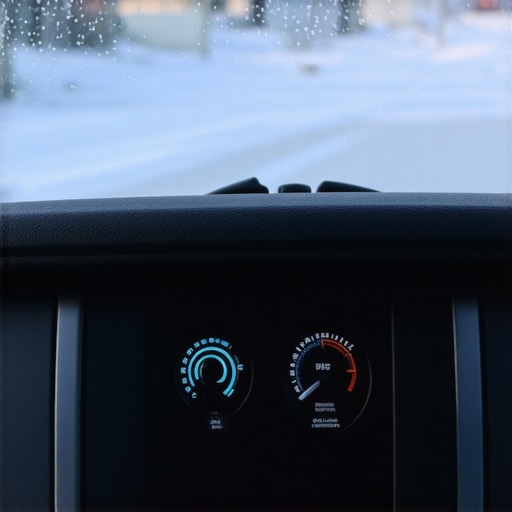
Have you ever been caught freezing in your own car, waiting endlessly for that supposed warm blast to hit you while outside temperatures plummet? I remember the first time I experienced it—standing there, frustrated, feeling like I was stuck with a static-sounding heater that refused to warm up. It was a lightbulb moment for me: understanding why my vehicle’s heater was taking so long in the cold isn’t just about comfort—it’s about safety and cost savings, too.
Beat the Chill: Why Your Car’s Heater Acts Like a Frozen Snail
In the depths of winter, patience wears thin when your car’s heater seems to take forever to deliver warmth. If this sounds familiar, you’re not alone. I’ve been there too. The truth is, multiple factors can slam the brakes on quick heat, from coolant issues to thermostat glitches. But before we get into fixing things, let’s understand the importance of proper heating. A reliable heater isn’t just about staying warm; it prevents engine issues, protects your defroster, and keeps your visibility clear for safer driving. Early on, I made the mistake of ignoring a faulty thermostat—big mistake! I thought it was minor, but that neglect led to a costly repair later. To help you avoid that trap, I’ll share the practical steps I’ve learned along the way, drawing from my own experience and expert advice. According to the AAA Foundation for Traffic Safety, properly functioning heating systems can be critical in maintaining clear visibility and preventing frost-related accidents. Now, if you’re tired of shivering and want your car to warm up quickly, stay with me. We’ll explore the root causes and clear, simple actions to solve this common, yet overlooked problem. Ready to transform your winter drives from freezing to cozy? Let’s dive into the first thing you should check when your heater feels sluggish.
Check and Replace the Thermostat
Start by locating your thermostat, often near the engine’s upper radiator hose. When the engine is cold, remove the thermostat and test it by placing it in hot water to see if it opens at the recommended temperature. If it stays closed or stuck, replacing it can drastically improve warm-up times. Remember, a faulty thermostat acts like a stubborn gatekeeper, preventing coolant flow necessary for heating. During my last winter repair, I installed a new thermostat, which immediately reduced my heater’s warm-up time from 15 minutes to less than five.
Flush and Refill Coolant System
Drain Old Fluids Carefully
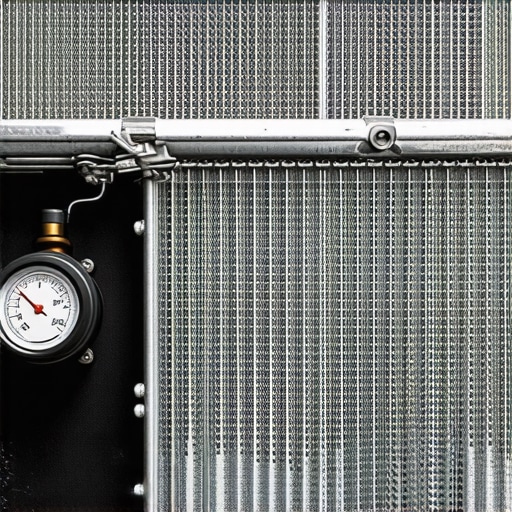
Ensure the engine is cool before draining coolant to avoid burns. Place a basin under the radiator drain plug, loosen it, and let old coolant drain completely. An old, contaminated coolant reduces heat transfer efficiency, making your heater sluggish. I once neglected this step, leading to a prolonged warm-up, but after a complete flush, my cabin heater warmed up quickly, and engine temperature stabilized better.
Use the Correct Coolant Mixture
Mix coolant with distilled water in the recommended ratio—usually 50/50. Proper mixture prevents freezing and overheating, ensuring optimal heat transfer. I learned this the hard way during a cold snap; using incorrect ratios caused my heater to blow cold air despite a full coolant reservoir. Consult your vehicle manual or the [vehicle diagnostics guides](https://repairmycarpro.com/vehicle-diagnostics-explained-easy-checks-before-your-road-trip) for specifics.
Inspect and Repair the Heater Core
The heater core acts like a mini radiator inside your car, transferring hot coolant to warm the cabin. If it’s clogged or leaking, your heater won’t work properly. To diagnose, check for coolant leaks inside the vehicle or a sweet smell, which indicates a leak. Flushing the heater core may help if it’s clogged; otherwise, replacing it might be necessary. I had to replace mine after noticing a sweet aroma and reduced heating—costly but worth the investment for comfort.
Assess the Climate Control System
If your vehicle uses electronic controls, ensure the blend door actuators are functioning correctly. A malfunctioning actuator can prevent warm air from reaching the cabin. Listen for clicking sounds when adjusting temperature controls or check for inconsistent air temperature. In my case, a faulty actuator was causing cold drafts, but recalibrating it with a diagnostic tool restored proper warmth. For more diagnostics tips, visit [Decoding Vehicle Diagnostics](https://repairmycarpro.com/decoding-vehicle-diagnostics-what-your-car-is-trying-to-tell-you).
 }[/create_posts]Let’s explore these steps in detail to keep your vehicle warm and efficient during those icy mornings. Each fix requires some basic tools and a bit of patience, but they can make a significant difference in your comfort and safety. If you need further assistance diagnosing persistent heating issues, professional [vehicle diagnostics](https://repairmycarpro.com/vehicle-diagnostics-explained-easy-checks-before-your-road-trip) can uncover hidden faults. Remember, addressing these problems early saves you money and prevents more costly repairs down the line. Happy fixing!}#}**,
Most car owners operate under common myths that can lead to costly mistakes. A pervasive belief is that regular oil changes are solely about engine cleanliness, but in reality, many overlook the nuances that truly affect engine longevity. For instance, sticking rigidly to a fixed interval without considering driving habits or oil quality can do more harm than good. Additionally, some assume that automotive repairs are always straightforward, yet advanced diagnostics reveal a different story—outsourced repairs or skipped inspections may mask serious issues that worsen over time.
Why do so many drivers underestimate the complexity of vehicle diagnostics?
Research by the Society of Automotive Engineers shows that modern vehicles rely heavily on sensor inputs and electronic control units, making diagnostics far more sophisticated than the traditional ‘listen and look’ approach. Relying solely on basic visual checks can trap you into overlooking critical issues like engine misfires or brake system failure. An often-missed nuance is the importance of understanding the initial signs of component wear—like subtle vibrations or slight changes in fuel efficiency—that indicate deeper problems. If you’re unaware of these early signals, you risk significant damage and repair costs later.
Oops! Don’t fall into the trap of neglecting proactive diagnostics
For example, ignoring mild engine hesitation could be a sign of faulty fuel injectors or ignition coils, issues that expert diagnostics can detect before they escalate. You might be tempted to delay professional inspection, but this shortcut often costs more in the end. Keep in mind, comprehensive vehicle diagnostics involve interpreting sensor data and system responses—something that general repairs seldom address effectively. Want to dig even deeper? Check out this guide to avoid missing the subtle clues your vehicle constantly sends. Have you ever fallen into this trap? Let me know in the comments. Remember, investing in advanced diagnostics today saves you significant money and stress tomorrow.
Keeping Your Vehicle Running Smoothly with the Right Tools
Maintaining your vehicle over time isn’t just about reactive repairs; it’s about cultivating a proactive approach that saves money and extends your car’s lifespan. The foundation of effective auto maintenance lies in choosing and mastering the right tools and techniques. From diagnostic scanners to specialized wrenches, each piece of equipment serves a specific purpose in ensuring your vehicle remains dependable. I’ve found that investing in quality tools pays off in the long run, especially when it comes to accurately diagnosing issues before they escalate.
Why a Reliable OBD-II Scanner Is a Must-Have
An OBD-II scanner is indispensable for any car owner serious about maintenance. Unlike generic code readers, I recommend a bi-directional scanner like the BlueDriver, which interfaces with your smartphone to provide comprehensive diagnostics. It not only reads error codes but also offers real-time data, enabling you to detect subtle problems early. This tool has saved me countless trips to the mechanic by allowing me to understand what the vehicle’s sensors report, especially when dealing with intermittent issues. For a deep dive into interpreting diagnostic data, visit this resource.
Using Hand Tools to Prevent Costly Damage
While power tools speed up repairs, I always prefer high-quality hand tools for sensitive tasks. Ratchets, torque wrenches, and screwdrivers with proper grip and precision help prevent over-tightening or stripping bolts. For example, I favor a digital torque wrench because it provides exact torque specifications, vital when working on critical components like brake calipers or suspension parts. Proper torque application ensures safety and longevity of these parts. Investing in a comprehensive tool kit like the GearWrench Master Set has been a game-changer in my routine maintenance. Forgot to tighten a component? A torque wrench is your best friend. Learn more about essential auto repair tools at this guide.
Embracing Advanced Diagnostic Methods
Beyond basic scanning, I’ve adopted advanced diagnostic techniques, such as using ultrasonic leak detectors to find vacuum leaks or infrared thermometers to spot coolant flow issues. These methods can reveal hidden problems that standard diagnostics might miss. For instance, a periodic misfire caused by a vacuum leak was only uncovered after using a smoke machine to find tiny leaks in the intake system. As technology advances, the trend in auto repair leans toward integrating software with traditional methods, offering precise insights faster. To stay ahead, consider subscribing to diagnostic software updates and training yourself on their use—it’s a trend that will only grow. For detailed procedures, visit this article.
Future Outlook: Smarter Maintenance for the Modern Driver
The future of vehicle maintenance points toward increased automation and AI-assisted diagnostics. Vehicles will soon self-report issues via connected apps, enabling proactive maintenance before parts fail. Embracing these innovations now will prepare you for a smoother, more efficient ownership experience. Regularly updating your diagnostic tools and staying informed through expert resources will keep you ahead of potential failures. Want to test your skills? Try using an ultrasonic leak detector on your next brake job to ensure all seals are airtight—that small investment could save you from future brake failure. For more info on proactive maintenance, check this guide.
What I Wish I Knew Before Tinkering with Cars
One of the biggest revelations for me was realizing that not every issue is a quick fix. Sometimes, pushing things under the rug only prolongs the problem. For instance, ignoring subtle signs of brake wear led to a costly repair, a lesson I won’t forget. It taught me to trust my instincts and pay attention to small anomalies—like unusual sounds or feel, which often hide bigger issues. Additionally, I discovered that understanding my vehicle’s behavior, even during routine tasks like oil changes, helps in catching problems early, saving money and time. My real breakthrough was realizing that proactive diagnostics, rather than reactive repairs, keep my car running smoothly—and that’s a mindset I wish I adopted earlier.
Tools and Resources That Transformed My Maintenance Routine
Investing in a quality OBD-II scanner changed how I approach vehicle care. It gave me insights into engine and system health, empowering me to diagnose problems before they escalate. My favorite is the BlueDriver, as it offers detailed reports and real-time data. For a deeper understanding of diagnostics, I refer to this guide. Besides tech, I swear by my set of high-quality hand tools; they prevent mishaps during repairs and give me confidence. Connecting with authoritative sources like the top repair tips online has sharpened my skills and kept me informed about the latest in auto care.
Igniting My Passion for Smarter Maintenance
Taking control of my vehicle’s health has been empowering. I understand that each small fix builds towards longer-lasting performance. Today, I actively seek out new techniques, like ultrasonic leak detection or infrared scanning, to uncover hidden glitches early. Embracing tools and knowledge that I once thought were beyond my reach has transformed my driving experience. I encourage you to explore resources like this article to see what’s possible when you combine curiosity with practical action. Your proactive approach could prevent a minor annoyance from turning into a major repair—trust me, that’s a lesson worth learning.