

It was a rainy Tuesday afternoon when I stepped into my garage and noticed an unsettling puddle spreading across my floorboards—again. My heart sank. I knew exactly what it was: that sneaky little drain tube lurking beneath my car, the one that seemed harmless until rain turned it into a floodgate. I had been battling this frustrating problem for years, repeatedly mopping up water and wondering why my car’s interior felt like a small lake after every heavy storm. That lightbulb moment hit me hard: enough was enough.
Why Your Floorboards Are Turning into Ponds During Rainstorms
This ongoing saga isn’t just about an inconvenience; it’s about protecting your vehicle’s integrity and your peace of mind. When water seeps into the wrong places, it accelerates rust, damages electronic components, and can even mold your interior, leading to costly repairs. Many owners overlook the significance of that tiny drain tube, assuming it’s just a minor part. But in reality, it acts like a crucial drainage point—if it fails, water accumulates, and then you get the flooded floorboards that make cleaning and repairs a nightmare.
Is Your Water Troubleshooting Actually Worth the Effort?
Early on, I made the mistake of ignoring the importance of inspecting that drain tube, thinking it was an easy fix. That mistake cost me precious time and money. According to vehicle maintenance experts, neglecting drainage systems can lead to extensive rust corrosion, which might compromise your car’s structure. It’s a common oversight, but one that can be easily remedied when you understand how drainage works and what signs to watch for.
If you’ve ever faced this problem—your car’s floorboards soaking up water after a heavy rain—know that you’re not alone. In fact, addressing this hidden drain tube issue early can prevent bigger headaches down the line. Now, let’s dive into how you can identify, inspect, and fix this sneaky culprit before it turns your beloved ride into a mini swimming pool.
Inspect the Drain Tube for Blockages
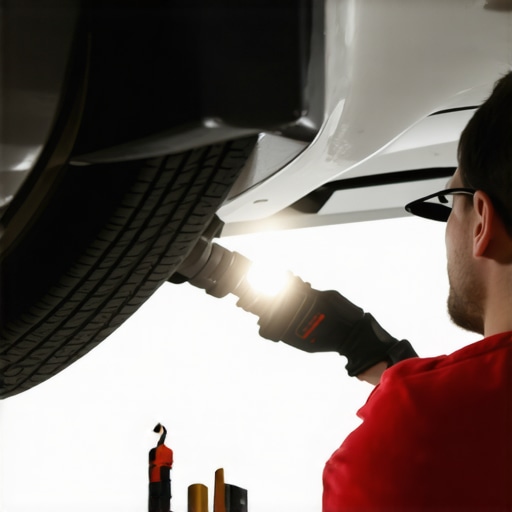
Start by locating the drain tube beneath your vehicle, usually near the wheel well or firewall. Use a flashlight to check for debris, leaves, or dirt clogging the opening. I once used a compressed air can to blow out stubborn dirt, which immediately improved water drainage during the next rain. Be cautious not to push debris further inside; if it’s stuck, gently remove it with tweezers or a flexible wire.
Clear and Clean the Drain Passage
Once you find the clog, flush the drain with a spray of water or spray lubricant to loosen debris. For persistent blockages, a flexible pipe cleaner or a piece of stiff wire works well to dislodge stubborn dirt. After clearing, pour water through the drain to ensure it’s flowing freely. Remember: a clean drain prevents water accumulation that can lead to soggy floorboards and rust.
Check the Drainage Path for Obstructions
Follow the drain tube’s path to ensure nothing is blocking its exit on the other side. You might need to remove interior panels or wheel well liners—be sure to consult your vehicle’s manual or a repair guide. I once had to remove a splash shield and found a mass of leaves and dirt blocking the exit point, which I cleared with gloves and a brush. Clearing the entire pathway ensures water flows out properly rather than pooling inside.
Seal the Drain if Damaged or Missing
Inspect the drain’s seal or grommet for cracks or damage. A damaged seal can cause leaks even if the drain is clear. If you notice deterioration, replace it with a new rubber grommet or seal designed for your vehicle. Proper sealing prevents water from bypassing the drain and seeping into unwanted areas, a mistake I made once by ignoring a cracked seal and ending up with rusted floorboards.
Apply Protective Measures to Prevent Future Clogs
To keep debris out, consider installing a fine mesh screen over the drain opening. Regularly inspect and clean the drain during routine maintenance. In my experience, a quick quarterly check saved me from repeated flooding issues, especially after heavy storms. Taking proactive steps keeps your car dry and saves money in the long run.
Test Water Drainage After Repair
Pour water over the affected area and observe if it drains smoothly. If water pools, revisit the previous steps for a more thorough clean or inspect for hidden obstructions. This simple test mimics heavy rain and helps verify your repair’s success, preventing future headaches.
< >
>
When it comes to auto repair, many car owners rely on common wisdom that, frankly, misses the mark. For example, there’s a widespread belief that changing your oil is just about replacing the filter and adding fresh oil. However, advanced oil change techniques reveal that modern oils and engine monitoring systems make a significant difference in engine longevity. Overlooking these nuances can lead to unnecessary wear and tear, or worse, catastrophic engine failure.
Common myths that can sabotage your vehicle’s performance
Many drivers believe that brake pads should be replaced as soon as they show any wear, but in reality, not all brake pad wear indicates immediate danger. Sometimes, the underlying issue is a stuck caliper or uneven brake rotor that needs addressing first. Falling for the myth that brake fluid is forever can also lead to dangerous pedal feel and compromised safety. Regularly assessing brake fluid condition and understanding that it absorbs moisture over time is crucial for effective braking performance.
What about vehicle diagnostics—that’s where most people go wrong
Many assume that a simple check engine light is a minor nuisance, but advanced diagnostics show it’s often a sign of a brewing problem deep within your vehicle’s system. Relying solely on generic code readers can miss critical context. Skilled diagnostics, including live data analysis and component testing, uncover issues before they escalate. Failing to grasp these nuances might mean expensive breakdowns or engine damage down the line.
Additionally, there’s a trap many fall into: ignoring data from modern vehicle sensors. Your car continuously monitors itself, but misinterpreting this data or dismissing minor anomalies can be costly. For example, a slow-developing sensor malfunction might not trigger a warning immediately but can negatively impact emission systems and fuel economy. Staying ahead with proactive diagnostics can save you hundreds or thousands in repairs.
Remember, understanding these nuanced aspects of auto repair elevates your ability to maintain your vehicle properly. It’s about going beyond the basics and recognizing the significance of subtle cues and advanced technologies. Want to learn more about how to extend your vehicle’s lifespan through smarter repairs? Check out top auto repair tips or dive into vehicle diagnostics explained for practical advice. Have you ever fallen into this trap? Let me know in the comments!
Investing in the Right Equipment Ensures Long-Term Success
When it comes to maintaining your vehicle, having the right tools isn’t just a convenience—it’s a necessity for ensuring quality work and safety. I personally rely on a high-quality digital torque wrench, like the Eclipse Digital Torque Wrench, because it provides precise torque measurements, preventing over-tightening that can damage components. Precision is especially critical during brake service or when replacing sensitive parts like sensors and filters, as improper torque can lead to premature failure or safety issues.
Embracing Diagnostic Software for Better Insights
Modern vehicles are equipped with numerous sensors and control modules. To efficiently troubleshoot issues, I use an advanced diagnostic scanner like the BlueFire XT. It offers live data streams, freeze frame analysis, and the ability to clear codes, which accelerates diagnosis and reduces guesswork. Regular use of such software helps catch issues early—think of it as an annual health checkup for your car. In the future, I predict vehicle diagnostics will become even more integrated with AI, providing predictive maintenance alerts based on sensor trends, saving vehicle owners time and money.
Maintaining Tools and Staying Up-to-Date
Every seasoned mechanic or DIY enthusiast knows that tools need regular calibration and maintenance to stay accurate. I mark my tools with a maintenance schedule, and I keep a dedicated toolkit organizer to ensure I don’t lose essential items. Additionally, continuous learning through resources like auto repair hacks and technical bulletins keeps me updated on new technologies and best practices. For example, newer oils, as discussed in this article, require specific handling techniques, and knowing these details saves time and protects engines.
How do I maintain my tools and ensure quality repairs over time?
To keep my tools in top condition, I regularly calibrate my torque wrench using certified calibration services every year. I also store my diagnostic scanners in anti-static cases and keep software firmware updated through official channels. This approach not only prolongs the lifespan of my equipment but also guarantees accuracy, giving me confidence in each repair or maintenance task. Investing in quality equipment and maintaining it is a small step that pays off by preventing costly errors and vehicle failures down the line. To try an effective tip myself, I recently started using a specialized cleaning spray on my electrical connectors—makes diagnosing and repairing much smoother—and I recommend it if you want to improve your troubleshooting precision. Consistently upgrading your toolkit with reliable gear aligned with the latest automotive tech is the way forward for any dedicated car owner or professional.
Uncover Hidden Lessons From My Auto Repair Journey
- Never underestimate the power of a tiny drain tube—what seems trivial can save you from costly rust repairs. My lightbulb moment came when I realized that regular inspection and cleaning of this small part can prevent a flood of problems.
- Advanced diagnostic tools are game-changers. I learned that relying solely on code readers isn’t enough; understanding sensor data can help catch issues early, saving time and money.
- Proactive maintenance beats reactive repairs. Installing protective screens and scheduling routine checks for debris keeps your vehicle’s drainage system functioning perfectly, especially after heavy rains.
- Quality tools and proper sealing are essential. Investing in a good gasket or sealant prevents leaks that may not be immediately obvious but cause long-term damage.
- Patience and attention to detail make all the difference. A thorough flush, test, and inspection can turn a soggy interior into a dry sanctuary, reinforcing the importance of not rushing the repair process.
Tools and Resources That Have Changed My Approach
- Eclipse Digital Torque Wrench: Precision matters; this tool ensures I tighten components correctly to avoid damage or leaks.
- BlueFire XT Diagnostic Scanner: Live data analysis helps me identify issues early and verify repairs effectively.
- Advanced oil change techniques: Staying updated on latest technology preserves engine health, extending vehicle lifespan.
- Auto repair tips blog: A treasure trove of insights that keep me motivated to maintain my car proactively.
Your Turn to Dry Things Up and Keep Your Car Happier
Empower yourself with knowledge and the right tools to prevent water-related mishaps. Regularly inspecting and maintaining your vehicle’s drainage system can save you headaches and cash. Remember, a dry, rust-free interior is the ultimate reward for your dedication.
What small step will you take today to improve your car’s drainage system? Share your plans below—I’d love to hear your ideas and experiences!