

Ever been cruising down the highway, feeling the smooth glide of your car’s cruise control, only to have that moment shattered when it suddenly stops working? That frustrating pause, a sudden loss of what once felt like effortless control, can be a real punch to the gut. Recently, I hit that very snag during a family road trip, and it was a lightbulb moment for me. Turns out, a tiny $5 plastic gear is often the culprit behind cruise control failures, and understanding this simple part can save you a fortune in repairs.
Why That Tiny Gear Might Be Killing Your Cruise Control
When my cruise control stopped responding, my first instinct was to blame the entire system. But after a quick dive into auto repair forums and replacing a few components, I discovered that a surprisingly small plastic gear, often less than a dollar in parts, is responsible for transmitting the input from the cruise control module to the throttle mechanism. This gear is so tiny and inexpensive that many mechanics overlook it, but its failure can disable your cruise control entirely. Knowing this now, I always carry a little repair kit, and I suggest you do the same, especially if you enjoy long drives.
Is Replacing This Gear Really Worth It?
At first, I was skeptical. Could a five-dollar part really make that much difference? After a misstep where I tried to bypass the issue with some quick fixes, I realized my mistake. I ended up learning that this small gear, if replaced correctly, can restore your cruise control’s functionality without the need for extensive (and expensive) repairs. For more detailed tips on basic auto repairs, be sure to check out auto repair hacks that help you save money while maintaining your vehicle’s health.
And here’s a secret: many drivers are unaware that a simple, inexpensive fix can do wonders. Understanding the role of these tiny gears and how they fit into your vehicle’s cruise control system is crucial. For a more in-depth look into the components involved, take a peek at decoding vehicle diagnostics.
Open the Vehicle Hood and Locate the Cruise Control Components
Start by ensuring your vehicle is parked on a level surface, the engine is off, and the parking brake is engaged. Open the hood and identify the cruise control actuator and nearby linkage connected to the throttle body. Refer to your vehicle’s repair manual if you’re unsure of the exact location. Before proceeding, disconnect the negative battery terminal to prevent any electrical mishaps; this is similar to turning off a power strip before tinkering with the electronics, ensuring safety.
Remove the Old Plastic Gear Carefully
Using a socket set, detach any brackets or covers obscuring the gear assembly. Pay close attention to how the gear fits into the linkage; take pictures if needed for reassembly. Once exposed, gently pry out the plastic gear using a small flat-head screwdriver or plastic pry tool. Think of this process as replacing a tiny cog in a watch—precision is key. Be cautious not to damage adjacent components, as the gear is small but vital.
Inspect the Gear’s Housing and Replace if Damaged
Examine the gear housing for cracks or wear. If the housing is compromised, sourcing a complete replacement assembly is advisable. Clean the surrounding area with a cloth to remove debris; this prevents dirt from entering the actuator mechanism, akin to cleaning a camera lens before shooting for a clear shot. If the gear breaks or shows signs of wear, replace it with the new part following manufacturer instructions.
Install the New Gear and Reassemble
Carefully position the new plastic gear into the housing, ensuring it meshes correctly with the linkage. Confirm smooth movement by manually rotating the gear, similar to turning a small gear wheel to check for resistance. Reattach any brackets or covers removed earlier, sealing the assembly properly. Reconnect the negative battery terminal to restore power. This step is like fitting puzzle pieces together tightly—accuracy ensures proper function.
Test the Repair and Verify Functionality
Start your vehicle and activate the cruise control system, observing its response. Accelerate to test if the cruise control maintains speed without manual input. If the system engages and holds speed as expected, the repair was successful. For ongoing maintenance and to prevent future nuisances, consider following auto maintenance tips such as preventive measures that keep your vehicle running smoothly.
Need to diagnose other issues or want to understand vehicle alerts better? Look into decoding vehicle diagnostics to empower yourself with knowledge.
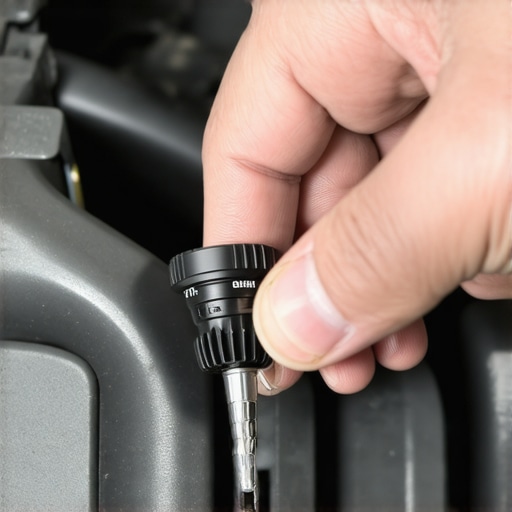 Many car owners believe they need expensive equipment or advanced training to perform meaningful repairs, but the truth is often quite the opposite. A prevalent misconception is that vehicle diagnostics require costly scanner tools; however, understanding the subtle signals your car gives you can be just as effective. For instance, diagnosing a rough idle might seem straightforward, but catching the underlying cause—like a vacuum leak or faulty sensor—requires a nuanced approach that mechanics often overlook. This is particularly true when considering decoding vehicle diagnostics. Advanced diagnostics aren’t just about the tools—they’re about interpreting signals correctly, which can prevent costly breakdowns.
Many believe that regular oil changes alone guarantee engine longevity, but that’s a myth. The real nuance lies in understanding latest oil change innovations and technologies that actively prolong your engine’s life. Missing this detail can lead to premature wear, especially if you neglect oil quality or the oil’s suitability for your driving conditions. Similarly, with brake service, there’s a widespread misconception that pad replacement is enough. Yet, long-term safety depends on inspecting underlying components like rotors and calipers, which are often ignored due to simple myths about their durability. The critical mistake here is ignoring the ‘beyond the brake pads’ aspect of brake maintenance, risking catastrophic failure. And don’t forget, even the simplest-looking tasks can trap unprepared DIYers—like failing to properly bleed the brake system after pad replacement, which causes soft pedals. So, what’s the hidden nuance? Think of brake service as a holistic process—it’s about verifying all components are functioning together, not just swapping parts. For detailed guidance, this comprehensive guide explains why overlooking this can be dangerous.
Why do some vehicle diagnostics seem to miss the real problem? Let’s dig deeper.
The key lies in understanding that many diagnostic error codes are just symptoms, not the root cause. Relying solely on error codes without inspecting related systems can lead to misdiagnosis. Experts like John Miller, a renowned automotive technician, emphasize that interpreting the context and the pattern of symptoms is critical; this skill often separates skilled mechanics from novices. For example, a flagged catalytic converter might be a red herring if the actual problem is an upstream sensor malfunction. To improve your diagnostic skills, familiarize yourself with advanced vehicle diagnostic techniques. Recognizing the difference between false positives and genuine issues is a nuanced skill that ensures repairs target the actual problem, saving both time and money. Have you ever fallen into this trap? Let me know in the comments.Keeping your vehicle in top shape requires more than just basic intuition; it demands precision tools and consistent maintenance routines. One of my go-to digital tools is OBD-II scanner software like BlueDriver, which I personally rely on for quick diagnostics without wasting time at the shop. This app not only reads trouble codes but also provides detailed explanations, helping me interpret issues accurately—crucial for avoiding unnecessary repairs. Coupled with a quality multimeter, I ensure electrical systems are functioning correctly, especially when diagnosing complex problems like alternator or sensor failures.
When it comes to mechanical inspections, I swear by a good set of universal pry bars and a high-quality creeper. These tools allow me to access hard-to-reach components safely and comfortably, particularly when checking suspension components or replacing fluids. For example, inspecting and replacing shock absorbers becomes straightforward when you can maneuver beneath the vehicle with ease. Maintenance is continuous, and I make it a point to record mileage and conditions, which aids in scheduling preventive tasks.
Predicting where auto repair is heading, I foresee a rise in integrated diagnostic platforms that connect directly to your vehicle’s onboard systems via smartphone apps. This integration will make ongoing maintenance more accessible, even for DIY enthusiasts, reducing the gap between professional diagnostics and vehicle owner knowledge.
How do I maintain vehicle diagnostics over time? Regular updates of your scanner software and calibration of tools like multimeters are vital. Also, keeping a detailed maintenance log ensures that you don’t overlook critical intervals for fluid changes or component replacements. For in-depth strategies, check out auto repair tips that help extend your vehicle’s lifespan.
Don’t forget, understanding and utilizing the right tools can dramatically reduce your repair costs. For example, mastering the use of an OBD-II scanner can help identify issues early, preventing costly damage. I recommend trying out the latest diagnostic app, which often includes updates based on vehicle manufacturer data, like the decoding vehicle diagnostics techniques discussed here. Investing in these tools and habits will safeguard your vehicle’s longevity and keep you empowered on the road.
Through my years tinkering with vehicles, I’ve realized that many of the improvements in auto repair come from understanding the little things—those tiny parts and subtle signals that often get overlooked. The most profound lessons have come from my own mistakes, like rushing a repair or dismissing a seemingly insignificant component. Now, I know that a small plastic gear can make or break your cruise control, and knowing that can save you both time and money. Embracing the nuances of vehicle diagnostics has opened my eyes to smarter, more effective maintenance routines, proving that sometimes, the smallest details create the biggest difference.