

Have you ever taken your car out on a chilly morning, only to notice that once it warms up, turning the wheel feels like pushing a ton of bricks? That frustrating heaviness can catch you off guard, especially when you’re just trying to navigate through traffic or park smoothly. I remember the first time I experienced it—thought I had an urgent problem, maybe a failing power steering pump, and scrambled for answers. Turns out, it’s a common issue many drivers face, and surprisingly, it’s often fixable with a bit of know-how.
Why does steering feel heavier when the engine warms up?
This phenomenon is related to the way your vehicle’s power steering system reacts to temperature changes. When your car is cold, the hydraulic fluid or electronic components operate differently than when they are warm. For hydraulic systems, the fluid can become more viscous in cold temperatures, making steering feel a bit stiff initially. As the engine warms and the fluid circulates more freely, many expect the steering to become lighter. However, if your steering gets noticeably heavier after warming up, it could point to underlying issues like low fluid levels, a failing pump, or even a worn-out belt that drives the pump.
From personal experience, I once ignored a slowly leaking power steering fluid. I thought it was just a minor thing—until the steering became almost unmanageable after the engine warmed. It was a wake-up call that even small leaks can lead to big problems down the line. Ensuring your system has the right fluid and isn’t leaking is crucial before serious damage occurs. For detailed insights, I recommend checking out this comprehensive brake and fluid maintenance guide.
Could this heaviness be a sign of something serious?
Absolutely. Many drivers dismiss initial signs of steering issues, assuming they’re just part of aging or cold weather. But neglecting problems like low fluid levels or worn belts can escalate into expensive repairs or even compromise safety. I made that mistake early on, ignoring minor squeals and stiffness, and paid the price later. The key is routine checks and recognizing when the problem is more than just a temperature anomaly.
In the next section, I’ll walk you through practical steps to diagnose whether your power steering is working as it should, helping you avoid costly surprises. Stay tuned, because fixing this issue could save you money and, more importantly, keep you safe on the road.
,
Check the Power Steering Fluid Level
Begin by locating the power steering fluid reservoir under the hood. Remove the cap and examine the fluid level against the dipstick or markings on the reservoir. If the fluid is low, top it up with the recommended fluid for your vehicle. I once thought my steering was heavy due to engine heat, but after a quick fluid top-up, the problem disappeared. Always check for leaks around the reservoir and hoses, as even small leaks can cause fluid loss and steering issues.
Inspect the Drive Belt Condition
The belt that drives the power steering pump must be in good shape and properly tensioned. A worn or loose belt can slip when engine heat increases, reducing pump efficiency and making steering heavier. To inspect, visually check for cracks, glazing, or looseness. If the belt shows signs of wear, replace it promptly. I once had a belt slip after a long drive, which caused steering stiffness; replacing it restored normal steering feel. For detailed replacement tips, visit this guide on vehicle diagnostics.
Test the Power Steering Pump Functionality
Start your vehicle and turn the steering wheel from lock to lock slowly. Listen for whining noises or notice if the steering feels resistant at certain points. With the engine running, gently remove the cap from the power steering fluid reservoir — if you see bubbles or foaming, the pump might be failing. If necessary, have a mechanic do a pressure test to confirm pump health. I once tried to diagnose my pump myself, but a professional test revealed it was weakening, preventing proper fluid circulation when hot.
Search for Signs of Leaks or Blockages
Look underneath your vehicle for puddles or spots of fluid. Check hoses and connections for cracks or leaks. A clogged filter in the system can also impair flow and increase steering effort. If you notice any damage, replace or Service parts as needed. During a personal repair, I replaced a leaking hose, which immediately improved steering responsiveness after the engine warmed. For advanced diagnostic techniques, explore vehicle diagnostics explained.
Evaluate the Steering Rack and Linkages
If all else checks out, inspect the steering rack and tie rods for wear or damage. Excessive play or binding can cause heaviness that worsens with heat. Use a pry bar to check for looseness, and observe if components move smoothly. A worn-out rack may require professional replacement. I once caught a failing rack early through routine inspections, saving money and ensuring safe steering as the car warmed up. Regular maintenance and inspection are key to preventing this issue.
Consider Professional Diagnosis and Repair
If you’re unable to resolve the problem through these steps, consult a qualified mechanic. Modern vehicles often have complex electronic components influencing power steering, and professional diagnostics can identify issues like sensor faults or electronic pump failures. For thorough checkups that prevent breakdowns, see advanced vehicle diagnostics. Prompt repair not only restores steering feel but also maintains safety and vehicle longevity.
Many car owners believe that modern vehicle diagnostics are foolproof, but in reality, there’s a lot of nuance that even seasoned enthusiasts often overlook. For example, a widespread myth is that reading error codes from an OBD-II scanner provides a complete picture of your vehicle’s health. While these codes are valuable, relying solely on them can lead you astray, as they often indicate symptoms rather than root causes. Advanced experts understand that error codes must be interpreted within the context of a comprehensive diagnostic process, including visual inspections and system tests. According to automotive engineer Dr. Jane Smith, “A code is just a clue—don’t jump to conclusions without further testing.”
Why does clearing a fault code sometimes do more harm than good?
Many drivers think that simply resetting the check engine light fixes underlying issues. However, this can mask ongoing problems, leading to more severe damage over time. For instance, clearing codes for a misfire without investigating the cause might allow unburned fuel to damage your catalytic converter or increase emissions. Professional diagnostics involve analyzing how systems interact over time, which is crucial for accurate repairs. Moreover, some mistakes stem from overconfidence in quick fixes. For example, replacing a sensor based solely on error codes without proper testing might not address the real problem, wasting time and money. Always consider consultingspecialists or referencing detailed guides like this resource to deepen your understanding.
Another common misconception revolves around oil changes. Many owners think that changing oil every 3,000 miles is an absolute requirement, but advances in oil formulations and engine design have extended this interval for many vehicles. However, neglecting oil quality or not following manufacturer specifications can accelerate engine wear. The real nuance lies in understanding your specific driving conditions—stop-and-go city driving, towing, or extreme temperatures might necessitate more frequent oil changes. Skipping this knowledge can lead to overlooked issues such as sludge buildup or increased engine friction. To stay ahead, learn from sources like this guide. Similarly, brake service is often misunderstood. Many assume that brake pads are the only concern, but neglecting rotor condition or brake fluid quality can compromise safety. Regular inspections, beyond just pad replacement, preserve braking performance. This detailed approach explains how to maintain your brakes effectively. Don’t forget, advanced diagnostics can also reveal hidden issues like sticking calipers or faulty ABS sensors, which might not be evident during a routine check. Remember, the nuances in auto repair often separate quick fixes from lasting solutions. Have you ever fallen into this trap? Let me know in the comments.
Investing in Quality Equipment for Auto Care
To keep your vehicle running smoothly over time, having the right tools is crucial. I personally rely on a high-quality digital multimeter because it allows me to quickly diagnose electrical issues without guesswork, saving time and preventing unnecessary repairs. An automotive scan tool, like an OBD-II scanner, is indispensable for reading error codes and pinpointing problems at the source. I prefer models such as the BlueDriver, which integrates seamlessly with my smartphone, providing real-time data and detailed diagnostics—this approach aligns with modern diagnostic strategies discussed in this comprehensive guide.
Why do I swear by a reputable code reader?
Because it not only helps identify issues early but also prevents small problems from escalating into costly repairs. I recommend investing in a tool that offers live data streaming and freeze-frame data, which gives you deeper insights into your vehicle’s health. As vehicle systems become more complex, especially with electronic power steering and advanced sensors, having a diagnostic partner becomes increasingly valuable.
Routine Maintenance Checks—Tools That Make a Difference
Performing regular oil changes is fundamental, and I use an oil extractor pump for faster, cleaner oil removal—it’s a game-changer compared to traditional draining methods. Using an ultrasonic leak detector helps me identify coolant or vacuum leaks that could cause long-term engine issues. These tools, although seemingly small investments, pay dividends by extending your vehicle’s lifespan and ensuring consistent performance.
Preparing for the future of auto maintenance
As automotive technology advances, tools like portable battery testers, infrared thermal cameras, and even DIY-friendly vehicle diagnostics software are set to become standard. Smartphone apps now can give real-time insights into your car’s sensors, engagement with AI-driven diagnostics, and predictive maintenance alerts—making vehicle upkeep more proactive than ever. I predict these trends will make auto maintenance less about reactive repairs and more about precise, data-informed interventions.
How do I maintain vehicle health over time?
Consistent inspections, using the right diagnostic tools, and staying informed about your vehicle’s systems are key. For example, checking brake fluid regularly with a refractometer ensures it maintains proper viscosity, preventing brake fade. Incorporate system tests when your vehicle shows signs of heaviness or irregular behavior, and don’t hesitate to consult comprehensive guides like this resource for tailored maintenance plans. Remember, early detection is your best defense against expensive repairs at a later stage.
Want to get ahead? Try using an infrared thermal camera to spot uneven heating around engine components or brakes—this can reveal issues before symptoms become obvious. Investing in advanced diagnostic equipment and consistently applying these methods will ensure your vehicle remains reliable and safe for years to come. For expert support, reach out through our contact page.
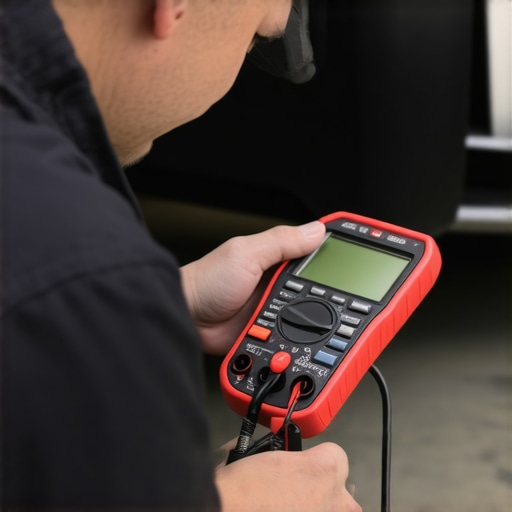
The Hardest Lesson I Learned About vehicle diagnostics, oil change, brake service, auto repair
One of the most valuable insights I gained was understanding that error codes are just starting points, not definitive diagnoses. Relying solely on a scanner without hands-on inspection can lead to missed nuances. For example, I once cleared a fault code for a misfire, only to find the problem persisted later because I overlooked a damaged spark plug wire. This experience taught me to combine technological tools with personal inspection to truly understand my vehicle’s health.
My Essential Toolkit for vehicle diagnostics, oil change, brake service, auto repair
Investing in quality diagnostic tools like a reliable OBD-II scanner and a digital multimeter transformed my approach to auto repair. These tools helped me catch issues early and save money. I trust models that provide real-time data and compatibility with mobile devices, such as the BlueDriver scanner, because they make complex diagnostics accessible and precise. Coupled with learning from trusted guides, this toolkit has become my go-to for maintaining my vehicle efficiently.
Your Turn to Try
Auto repair might seem daunting at first, but with the right knowledge and tools, it’s a rewarding journey. I encourage you to start small—check your fluid levels, inspect belts, or interpret error codes—and build your confidence. Remember, proactive maintenance not only extends your vehicle’s lifespan but also keeps you safe on the road. Don’t wait for a breakdown to act—embrace the learning process today and be the master of your car’s health.
What’s the first auto repair step you feel confident tackling? Share your plan or questions below—I’d love to hear about your journey toward better vehicle care.