
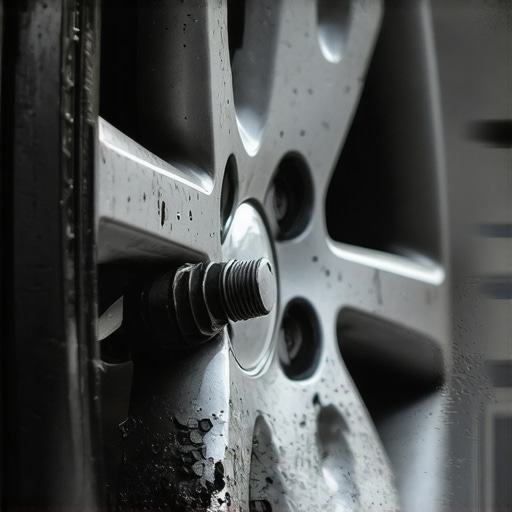
Ever had that gut-wrenching moment when a wheel suddenly feels loose, or you hear a strange cracking sound while driving? I remember the first time it happened to me—driving down the highway, my car started wobbling, and I knew something wasn’t right. It was a nerve-wracking experience that made me realize just how critical those tiny wheel studs are for my safety and the vehicle’s integrity.
Why Every Driver Should Know About Wheel Stud Failures
Wheel studs are like the unsung heroes of your vehicle’s assembly—small but mighty components that hold your wheels securely in place. When they snap or break, it can lead to dangerous situations, including wheel separation or even loss of control. This is not just about delays or costly repairs; it’s about safety on the road.
But why do these studs snap in the first place? And more importantly, what can you do to avoid becoming a victim? Early mistakes, like over-tightening lug nuts or using the wrong tools, can accelerate the wear and tear on these critical parts. I learned this the hard way during my initial auto repair attempts—believing that more torque was always better. That misconception is widespread and dangerous.
So, today, I promise to share practical insights and personal experiences to help you recognize the signs of impending wheel stud failure and prevent it altogether. Ignoring these small details can lead to costly repairs or worse, accidents. Ready to learn how to keep your wheels safely attached? Let’s get into it.
Is Your Wheel Assembly Actually Safe? The Myths and Facts About Wheel Studs
When I first started investigating why my wheel studs snapped, I was surprised to find that many drivers underestimate the importance of proper torque settings. I made the mistake of tightening lug nuts with an impact wrench without checking the specific torque specifications—an easy mistake that can cause studs to stretch and eventually break. For accurate torque settings, I highly recommend consulting your vehicle’s manual or visiting trusted sources like [Brake Service Myths Busted](https://repairmycarpro.com/brake-service-myths-busted-what-really-matters-for-safety), which dispels common misconceptions about vehicle safety.
Now, after years of experience and research, I know that proper tightening is crucial, and so is regular inspection. If you’ve ever wondered whether your vehicle is at risk, especially after replacing tires or performing wheel work, keep reading. The key to prevention lies in understanding these subtleties and applying them consistently. Up next, I’ll walk you through the common causes of wheel stud failure and practical steps to safeguard your ride.
Inspect Your Wheel Assembly Regularly
Imagine your wheel assembly as a tight-knit team—any weak link jeopardizes the whole operation. During my last tire rotation, I consciously checked the studs for signs of corrosion or wearing. Using a flashlight and a mirror made the process easier; if a stud shows significant rust or elongation, replace it immediately. Regular inspections, ideally every 5,000 miles or after rough terrain driving, can catch early warning signs and prevent failure.
Check for Wear and Damage
Look closely at each stud’s surface. If you notice any cracks, elongation, or signs of corrosion, those are red flags. Applying a magnifying glass helps reveal hairline fractures that might not be visible to the naked eye. Replacing worn studs before they snap is a critical preventive measure—delaying can lead to dangerous wheel separation.
Use Proper Torque Techniques When Tightening Lug Nuts
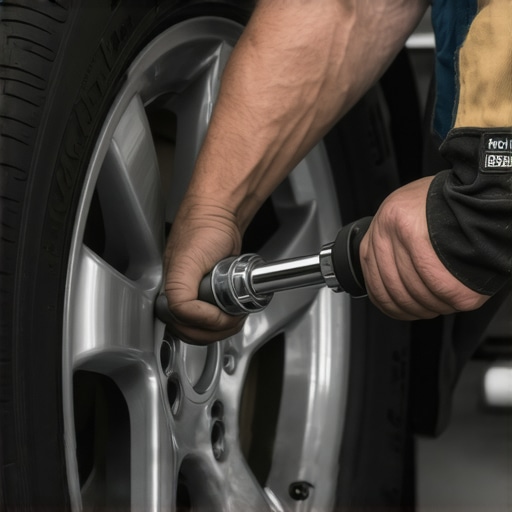
Coloring my experience was a lesson in applying the right amount of torque. Over-tightening lug nuts can overstress the studs, leading to failure over time. I once used an impact wrench to tighten lug nuts without referring to my vehicle’s manual. The result? A cracked stud weeks later. To avoid this, always use a calibrated torque wrench set to the manufacturer’s specifications, which you can find in your manual or online. This step ensures uniform tension and minimizes stress on the studs.
Follow the Correct Pattern
When tightening, do so in a star pattern—tightening each lug nut gradually and evenly. This prevents uneven load distribution. I recommend tightening in 25 ft-lb increments, checking the torque after each pass. This method spreads the load uniformly, reducing the risk of stretching or snapping a stud.
Maintain Tightness After Driving and Periodic Rechecking
Once you’ve properly torqued your lug nuts, the work isn’t over. Vibrations from driving can cause slight loosening. After a few hundred miles, recheck the torque to ensure everything remains secure. I learned this the hard way after a long trip—my initial tightness had loosened, but rechecking prevented potential wheel detachment on the highway.
Use a Torque Wrench for Accuracy
Always use a quality torque wrench, as cheap models can give inconsistent readings. Consistently rechecking your lug nuts—especially after off-road use or long drives—will safeguard against future failures. Remember, preventative maintenance saves money and lives.
Choose Quality Parts and Tools
Investing in high-quality wheel studs and tools makes a tangible difference. OEM parts are designed to withstand your vehicle’s demands, while budget alternatives may crack under stress. During my last repair, I opted for OEM studs, which proved more durable than aftermarket options. Pair this with a reliable torque wrench, and you’re on the right path to safer driving.
Learn from Reliable Resources
If you’re unsure about specific procedures, consult trusted guides like Auto Repair Hacks for tips on cost-effective and safe repairs. Building your knowledge base helps you diagnose and fix issues proactively, avoiding emergency roadside failures.
 Many drivers assume that vehicle diagnostics and repairs are straightforward, but in reality, there are subtle nuances and common misconceptions that can lead to costly mistakes. One popular myth is that scanning tools alone can identify every problem accurately. While diagnostic scanners are invaluable, they often provide just a snapshot—missing underlying issues that can cause recurring failures. Experts like automotive engineer Mark Evans emphasize that relying solely on scanning codes without physical inspection can result in overlooking critical elements like wiring corrosion or sensor misalignments.
Why Do Some Diagnostic Errors Persist Despite Modern Technology?
In my experience, the biggest mistake is neglecting the importance of context and experience. Modern vehicles are complex systems where sensors, modules, and mechanical parts interact dynamically. A fault code might point to a sensor malfunction, but the root cause could be a simple wiring fault or a related component issue. Misinterpretation of Diagnostic Data can lead enthusiasts and even professionals to replace parts unnecessarily, wasting time and money. According to a study published by the Society of Automotive Engineers, up to 30% of repairs performed on modern vehicles are misdiagnosed, partly because technicians proceed without verifying the actual condition of components through proper manual checks.
Another trap is to overlook the importance of decoding vehicle diagnostics properly. Diagnostic trouble codes are starting points—not definitive answers. Digging deeper into symptoms, understanding sensor interactions, and performing physical tests are crucial steps that many neglect. For example, a check engine light could stem from a failed oxygen sensor, but if the mechanic only replaces this sensor without inspecting the wiring harness or catalytic converter, the problem might reoccur.
What’s a More Effective Approach to Diagnostics and Repairs?
Adopting a holistic strategy involves combining software diagnostics with a keen sense of mechanical intuition. Regular training, staying updated with vehicle models, and performing thorough inspections are essential. Resources like auto repair hacks can help build your knowledge and prevent falling into rookie traps. Remember, the goal isn’t just to fix the immediate issue but to understand the underlying condition to ensure longevity and safety.
Nearly every auto repair involves nuances that are often missed by beginners or even seasoned amateurs. Mistakes like ignoring wiring corrosion, misreading diagnostic codes, or jumping to part replacements can turn a simple fix into a lengthy, expensive ordeal. The key lies in meticulous diagnosis rooted in both technology and experience—something every car owner should master. Have you ever fallen into this trap? Let me know in the comments.
Keeping It Working: Essential Tools and Maintenance Practices
Maintaining your vehicle’s diagnostic and repair equipment is crucial for ensuring long-term reliability. I personally rely on a high-quality OBD2 scanner like the BlueDriver because it offers comprehensive code reading and live data streaming, which helps me diagnose issues quickly and accurately. Investing in a trusted tool not only saves money on diagnostics but also enhances safety by catching problems early.
Beyond electronic tools, I emphasize the importance of manual inspection techniques. A digital multimeter, for instance, allows me to verify sensor voltages directly, providing insights that scanners may miss. Regularly inspecting terminals, wiring harnesses, and physical components remains essential, especially as vehicles age.
How do I maintain tools to ensure precision over time?
Proper calibration and cleaning are vital. For torque wrenches, I always remove the calibration settings after use and have them recalibrated annually at a professional service. Keep electronic diagnostics devices protected in padded cases and store them in a dry environment to prevent corrosion or damage. These small habits extend the life and accuracy of your tools, making every repair session more reliable.
Embracing Technology for Future-proof Repairs
Advances like advanced vehicle diagnostics software are revolutionizing how we approach maintenance. AI-supported diagnostic programs can analyze trends over multiple scans, predicting issues before they manifest. As these tools become more accessible, DIYers and professionals alike will benefit from proactive maintenance strategies, reducing roadside failures and costly repairs.
Predictive diagnostics are likely to be a standard feature in vehicles soon, using embedded sensors and cloud integration to alert owners about impending failures, especially for critical systems like brakes and oil circulation. Staying ahead with these innovations can significantly extend your vehicle’s lifespan and safety.
What’s the best way to keep your maintenance routine effective over time?
Consistency is key. I schedule quarterly inspections, review manufacturer updates, and keep detailed logs of repairs and checks. Automate reminders using your smartphone or a dedicated app to stay on top of oil changes, brake fluid replacements, and sensor calibrations. This disciplined approach ensures that nothing slips through the cracks, maintaining peak performance year after year.
For those serious about longevity, I highly recommend learning advanced techniques like oil change innovations, which now incorporate synthetic blends and smart oil monitoring systems. Incorporating such methods can save your engine from premature wear and improve fuel economy.
Scaling Your Maintenance Efforts for Larger Fleets
If you manage multiple vehicles, investing in fleet management software and professional-grade diagnostic tools can streamline operations. Regular training for your team on latest tech ensures everyone is up to date. As vehicle complexities grow, so does the need for precise and scalable tools to keep everything running smoothly.
In conclusion, integrating specific, high-quality tools with disciplined maintenance routines guarantees your vehicle remains dependable. Try implementing a scheduled tool calibration or exploring predictive diagnostic software—these small steps can make a big difference.
Lessons That Transformed My Approach to Vehicle Care
One of the toughest lessons I learned was that even the smallest component, like a wheel stud, can have a massive impact on safety and vehicle longevity. I once ignored regular inspections and paid the price when a stud snapped during a drive—an experience that taught me to always prioritize proactive checks. Additionally, I found that trusting quality parts and tools isn’t just about repairs; it’s an investment in peace of mind. Over-tightening lug nuts taught me that more isn’t always better, emphasizing the importance of precise torque application, which I now consider non-negotiable. Lastly, I realized that combining tech with hands-on inspections yields the best results. Reliable diagnostic tools paired with a keen mechanical eye catch issues early, saving money and preventing accidents.