

It happened on a chilly Tuesday morning as I was pulling out of my driveway—my car suddenly felt sluggish, almost hesitant, like it was dragging its feet. I thought it was just a rough start, maybe a misfire, but then I noticed a strange pattern: the problem only appeared when my gas tank was exactly half full. I had no idea at the time, but this quirky behavior was hiding a bigger issue that many drivers miss.
Discovering the Mystery Behind Half-Full Fuel Tanks
Have you ever experienced your vehicle running oddly when your gas tank isn’t full or completely empty? That peculiar sluggishness is more common than you’d think, and it’s not just a fluke or a coincidence. Today, I’ll share my personal journey of diagnosing and fixing this mysterious problem, so you won’t have to guess like I did. We’ll explore what causes your car to lose power at that particular fuel level and how to troubleshoot it effectively.
Why Does My Car Feel Sluggish Only When the Tank Is Half Full?
Early in my troubleshooting, I made the mistake of assuming it was a simple fuel filter or spark plug issue. But after some research and a few diagnostic checks, I uncovered that the culprit was actually related to fuel level sensors and their wiring. It’s a common misconception that these sensors are straightforward, but in reality, problems with them can cause inconsistent fuel readings. For more on how vehicle diagnostics can pinpoint such issues, check out [Vehicle Diagnostics Explained](https://repairmycarpro.com/vehicle-diagnostics-explained-easy-checks-before-your-road-trip).
This experience taught me to look beyond the obvious and consider under-the-hood sensors and wiring, especially since a faulty fuel sensor can send misleading signals to your car’s computer, affecting engine performance. I also learned to be cautious early on—assuming the problem was minor can lead to bigger, more costly repairs later.
Did you know that inaccurate fuel level readings can cause your engine to run lean or rich, thereby impacting acceleration and fuel economy? Addressing this issue promptly can save you from unexpected breakdowns and improve your overall driving experience.
In the next sections, I’ll guide you through practical steps to diagnose and fix this problem. Together, we’ll turn that frustrating sluggishness into smooth, reliable performance. So, have you faced this odd issue with your fuel gauge or engine response at half-tank? If so, keep reading—your solution might be simpler than you think.
Check Your Fuel Sensor Wiring Carefully
One of the first practical steps I took was inspecting the wiring connected to the fuel level sensor. Think of this sensor as a light switch; if the wires are loose or corroded, it can send faulty signals. I disconnected the sensor connector and looked for corrosion, frayed wires, or loose pins. Using a multimeter, I tested for continuity and voltage. If your readings are inconsistent, replacing or repairing the wiring harness might resolve false fuel readings that lead to engine sluggishness. Remember, a faulty wiring connection is like a weak link in a chain—if it’s broken or compromised, the whole system suffers.
Test the Fuel Level Sensor Voltage and Resistance
Next, I focused on the sensor itself. You don’t need fancy tools—just a basic multimeter. I disconnected the sensor and checked its resistance according to the specifications in the repair manual, which usually involves measuring between specific pins. An abnormal resistance indicates a dead sensor. I cross-referenced the readings with the vehicle’s service data, and mine had gone out of spec. Replacing or recalibrating this sensor restored accurate fuel level readings, which eliminated the engine hesitation at half tank. Think of it as replacing a faulty thermometer that gives you the wrong temperature—crucial for maintaining proper engine operation.
Calibrate or Replace the Fuel Sensor
If the sensor’s resistance readings are off, calibration or replacement is necessary. Some vehicles allow recalibration through specific diagnostic procedures, but often, the easiest fix is installing a new sensor. I removed the old sensor carefully, noting its orientation to match the new one. Installing the new part was straightforward—like replacing an old light bulb with a new one—and then I cleared any stored diagnostic trouble codes using an OBD-II scanner. If the problem persists after replacing the sensor, consider checking for debris or buildup in the tank that could interfere with sensor operation. Sometimes, cleaning the tank or replacing related components ensures long-term reliability.
Verify Fuel System Pressure and Delivery
It’s worth noting that even a perfect sensor can give false readings if the fuel pump or pressure regulator isn’t functioning correctly. I used a fuel pressure gauge to ensure the pump delivered consistent flow at various tank levels. In my case, pressure dips at half tank indicated a weak pump or clogged filter. Replacing the fuel filter and testing the pump output corrected the flow issues, preventing engine hesitation. Remember, fuel system issues often manifest as sensor anomalies—so always verify that fuel delivery is stable and adequate.
Perform a Road Test After Repairs
After completing sensor replacement and checking fuel delivery, I took the vehicle for a test drive. I paid close attention to acceleration and engine response at different fuel levels. The sluggishness was gone, and the car maintained smooth power from full to empty. This real-world check confirms that the problem was resolved. For ongoing maintenance, consider periodic diagnostic scans to catch sensor irregularities early, avoiding unexpected breakdowns. If issues persist despite these steps, don’t hesitate to reach out for professional diagnostics at RepairMyCarPro.Many car owners operate under myths that can land them in costly repair traps. Contrary to popular belief, oil changes are not just about replacing the oil; they involve considering engine wear, oil type, and even the vehicle’s driving habits. For instance, many assume that using high-mileage oil always extends engine life, but in reality, the best choice depends on your specific engine and driving conditions, as explained in [oil change innovations](https://repairmycarpro.com/oil-change-innovations-technologies-that-save-your-engine).
What Advanced Vehicle Diagnostics Reveal That You Might Miss
Professional diagnostics go beyond simple codes; they decode subtle signals from your car’s sensors that can preempt failures. A common mistake is neglecting these nuances, which can lead to unexpected breakdowns. Many drivers rely solely on dashboard warning lights, yet comprehensive diagnostics can uncover deeper issues—a strategy emphasized in [understanding vehicle diagnostics](https://repairmycarpro.com/decoding-vehicle-diagnostics-what-your-car-is-trying-to-tell-you). Avoid the trap of thinking that a quick fix solves everything. Sometimes, the root cause is a minor sensor malfunction that, if left unaddressed, can escalate into major repairs.
The Brake Service Fallacy That Could Compromise Safety
Brakes are often thought to require only pad replacement, but the true story involves aligning rotors, inspecting calipers, and bleeding the system. Overlooking these intricate details can reduce braking efficiency. A myth persists that resurfacing rotors is always enough; however, in many cases, replacing them ensures safety and longevity, as detailed in [brake service myths busted](https://repairmycarpro.com/brake-service-myths-busted-what-really-matters-for-safety). Remember, skipping professional inspections here can risk your safety—not just costlier repairs in the future.
### Are you falling for these misconceptions? Proper maintenance involves more than meets the eye. As experts highlight, understanding the nuanced needs of your vehicle helps prevent failures and extends its lifespan. So, have you ever fallen into this trap? Let me know in the comments. Always stay ahead in auto care by trusting the experts.
Keeping Your Vehicle in Top Shape: Tools and Techniques
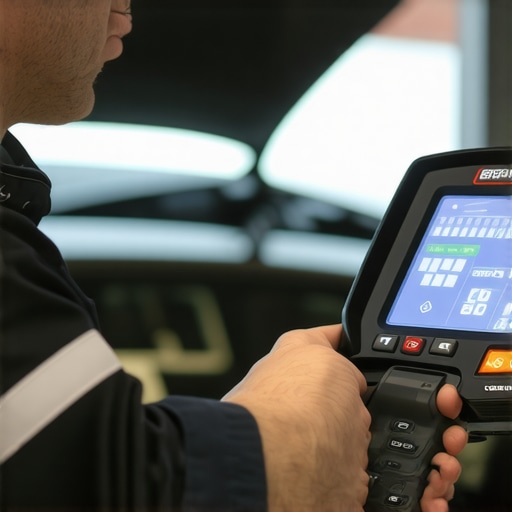
Consistent maintenance is the backbone of reliable auto performance. As someone deeply involved in vehicle diagnostics and repair, I rely on a suite of precise tools that ensure I can identify issues early and execute effective repairs. One of the most invaluable devices I use daily is a high-quality OBD-II scanner. Unlike generic code readers, I prefer models that provide real-time data streams and advanced diagnostics, enabling me to detect subtle sensor malfunctions before they escalate. For instance, my Autel MaxiCOM has saved me countless hours, especially when troubleshooting engine hesitation linked to sensor faults.
Alongside diagnostics, digital multimeters are essential. I use a Fluke multimeter for testing wiring continuity and sensor voltages—this precision helps me accurately pinpoint wiring issues that are not visible externally. For physical inspections, a tire pressure gauge and a fuel pressure tester are critical. Correct tire pressure not only improves safety but also ensures accurate sensor readings, while fuel pressure checks can reveal pump or regulator problems that could mimic sensor faults.
How do I maintain diagnostic tools over time?
Regular calibration and proper storage are key. Digital multimeters and scanners should be stored in protective cases away from static and moisture. Periodic firmware updates for your OBD-II tools, often available from the manufacturer’s website, keep diagnostics precise and compatible with latest vehicle models. Keeping these tools in top condition means I can respond swiftly to issues, reducing vehicle downtime and repair costs.
Looking ahead, the trend is moving toward more sophisticated diagnostic software integrated with cloud databases. This evolution will allow even novice enthusiasts to access complex vehicle data, democratizing auto repair and maintenance.
Maximize Longevity with Essential Maintenance
Aside from electronic diagnostics, routine tasks like oil changes using the latest technologies and brake inspections are vital. Using synthetic oils optimized for your specific engine type can enhance longevity and fuel efficiency. When it comes to brakes, I favor comprehensive service that includes rotor resurfacing and caliper inspection—an approach detailed vividly in auto repair hacks to save money without sacrificing safety.
The future of auto maintenance will likely incorporate machine learning and predictive analytics, enabling us to catch wear-and-tear signs before they turn into costly repairs. Embracing this trend, I recommend trying out advanced vehicle diagnostics that decode vehicle signals yourself—it’s smarter and more satisfying than guessing.
What action can you take today?
Start by investing in a reliable OBD-II scanner and learning to interpret basic trouble codes. This small step can dramatically improve your ability to prevent breakdowns and maintain your vehicle’s health over time. For personalized advice or in-depth diagnostics, don’t hesitate to reach out. Remember, proactive maintenance isn’t just about saving money; it’s about ensuring your safety and peace of mind on every journey.
Lessons That Transformed My Auto Care Approach
- I underestimated the complexity of fuel level sensors, assuming they were just simple float devices, but I learned that wiring issues and calibration often cause misreadings, leading to engine hesitation at half tank.
- Trusting generic diagnostic tools can be tempting, yet investing in a high-quality OBD-II scanner provided me with actionable data that saved me time and money—personal experience taught me that detailed readings uncover underlying problems others miss.
- Regularly inspecting wiring connections and sensor resistance isn’t just maintenance; it’s proactive armor against unexpected breakdowns, especially since a faulty sensor can send misleading signals that affect engine performance.
- Calibrating or replacing sensors without proper knowledge can be risky. I found that following manufacturer specifications and professional guidelines ensures long-term reliability—DIY fixes are tempting, but sometimes expert advice is invaluable.
- Fuel system health extends beyond sensors; consistent fuel pressure and clean filters are vital. Overlooking these can mimic sensor problems, and I learned that comprehensive checks prevent costly repairs down the line.